

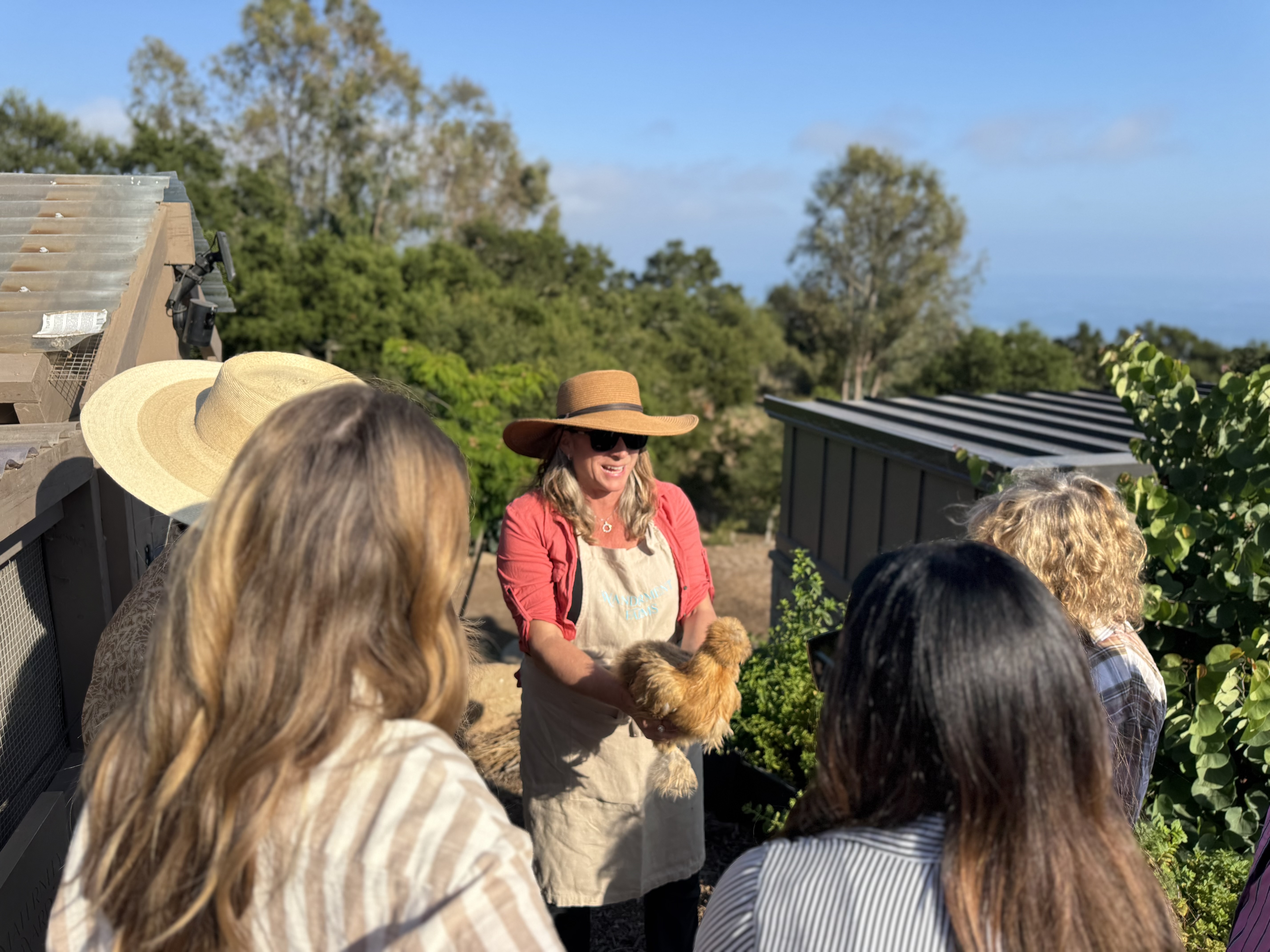
When I first visited the place now known as Wanderment Farms a decade ago, it was a scraggly vineyard known as Paredon barely clinging to life on a rocky cliff perched over the Carpinteria coast.
When I talked to the woman who bought the 56-acre spot a few years later, I assumed Margo Redern’s glasses were overly rose-tinted as she spoke of her hopes to turn the angry land into a happy model of regenerative farming.
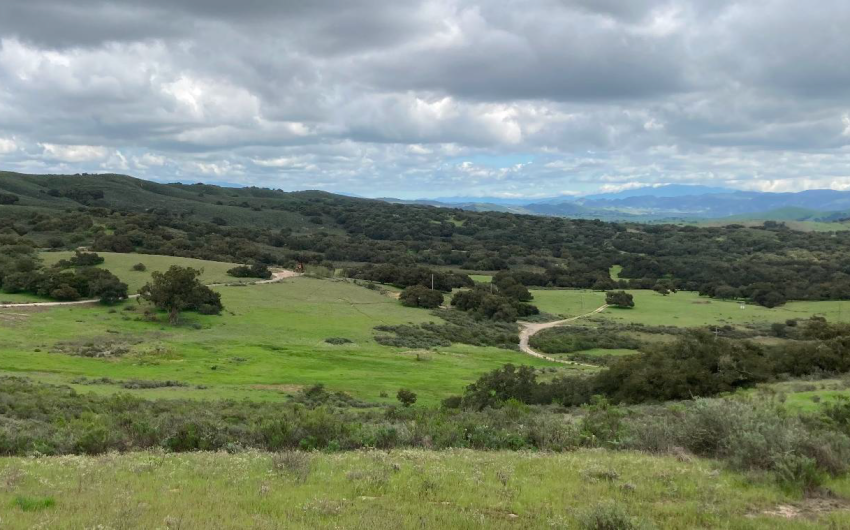
When I went there again earlier this year for a story about agave — one of the dozen or so crops she’s cultivating across 14 planted acres — I was blown away by how quickly a dedicated farmer can turn marginal land into a magical wonderland. It is a thriving demonstration of farming in tune as much as possible with the earth, with 70 percent of the land intentionally left wild, serving, explains Redfern, as “a sanctuary for the flowers, fauna, beneficial insects, and wildlife that keep our ecosystem humming.”
And now they have an artist/chef in residence named Libby Holland. To celebrate, they’re throwing a party on Sunday, December 7, from 2 to 5 p.m., inviting the public to wander the fields on a 3 p.m. farm tour and enjoy Holland’s seasonal small bites. The tiered-ticket event supports the Santa Barbara Unity Shoppe Food Drive and Toys for Tots, with sales going to the Shoppe’s food bank. They’re also collecting non-perishable food and unwrapped toys at the event.
Tickets are available at wandermentfarms.com.
Redfern tells us more below.
Let’s start with the basics on your farm.
Wanderment Farms spans 56 acres perched above the Santa Barbara coastline — a place where agriculture and wildness meet in a way that feels almost choreographed. In addition to the wild land, [there are] 14 cultivated acres of vegetables, flowers, wine grapes, olives, specialty coffee, avocado, bananas, agave, white sapote, and lavender.
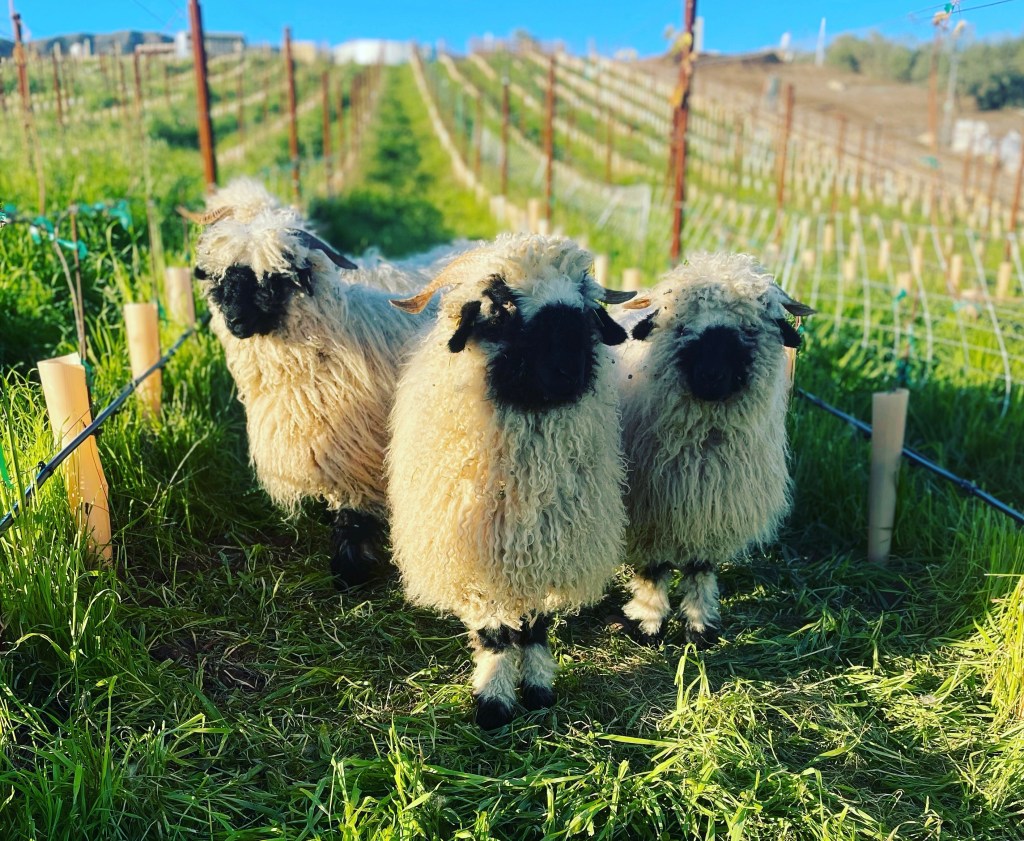
Our farm is a bit of a micro-society. Everyone has a job — some more essential than others, depending on whom you ask. Our chickens work the soil all over the farm, providing weed control, nutrients, and a lot of clucking. The Valais Blacknose sheep glide through the vineyard like fuzzy little landscapers who take their job very seriously. The Nigerian Dwarf goats keep the canyons grazed for fire safety. The mini American Park cows offer fresh milk and charm. The mini horses are here strictly for cuteness (they excel). The llamas pretend to work but are mostly freeloaders. And the mini donkeys have the noble assignment of carrying beer upon request.
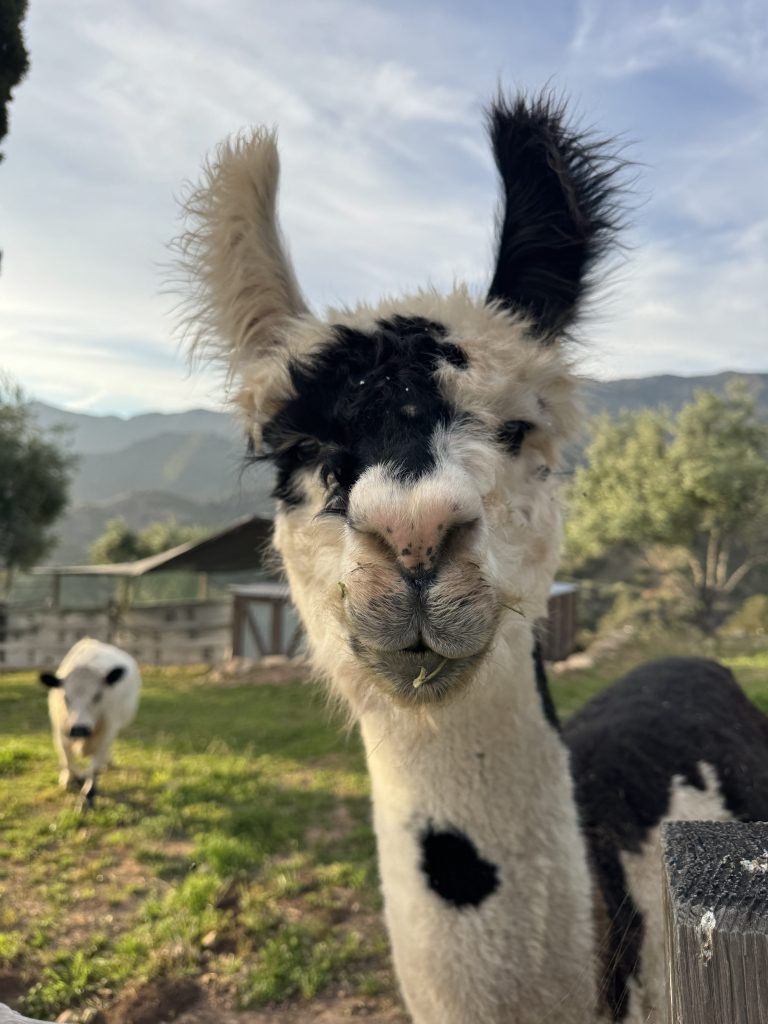
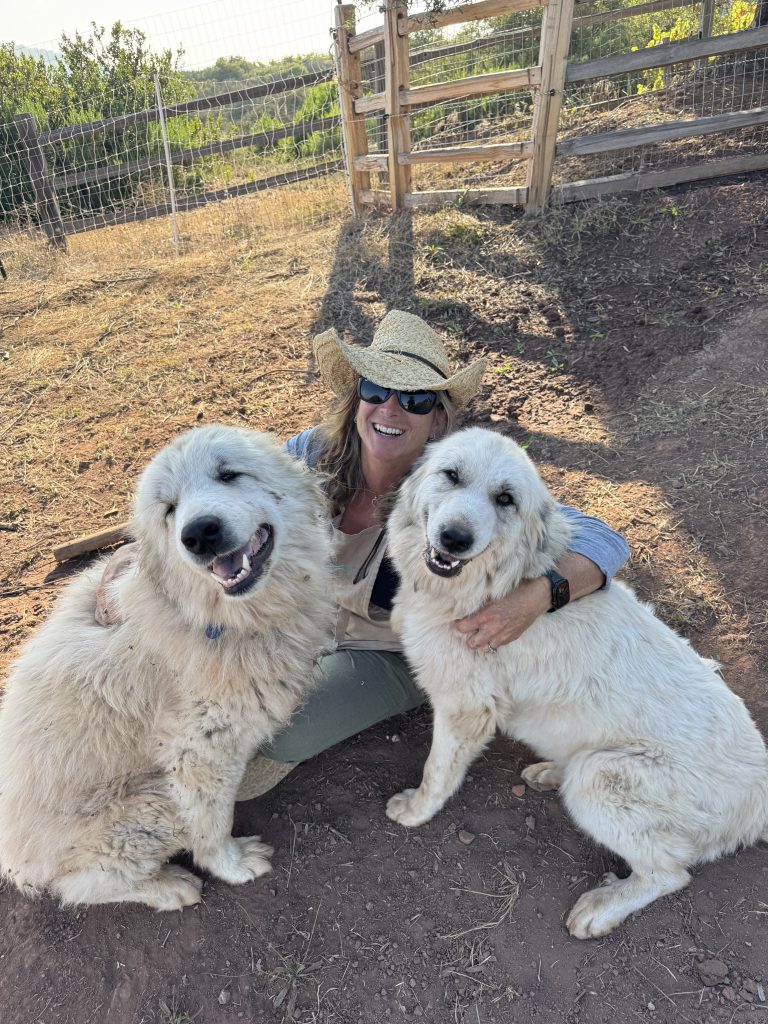
All of them are protected by our extremely dedicated livestock guardian dogs, who take their job of deterring bears, mountain lions, coyotes, and bobcats very seriously. So, yes — everyone on the farm pulls their weight … even if some contributions are more “emotional support” than agricultural necessity.
How has the farm evolved in recent years?
One of the biggest changes is our home-delivery curated produce box, which brings the farm directly to people’s doors every week. It’s designed for those who value fresh, local, nutrient-dense food but can’t always make it to the farmers’ market.
Each box includes a mix of local, organic and seasonal produce, fresh herbs, our pasture-raised rainbow eggs, bouquets from our flower fields, a loaf of sourdough bread from Santa Barbara Hives, and a local artisan food item that spotlights the best small makers in our region.
Every delivery comes with a weekly newsletter featuring recipes and notes from the farm — written by me and cooked by our chef-in-residence, Libby. I harvest; she cooks. Trust me, you want her doing the cooking.
We’ve also deepened our educational mission. We now host free regenerative-farming tours for students, from kindergarten through grad school, teaching them where food comes from, how to recognize truly nutritious food, and why farming with nature instead of against it matters. Of course, the cute animals help keep even the most restless audience engaged.
And finally — we’ve broadened our mission beyond agriculture with the launch of our new creative-community residency program, blending art, food, land, and storytelling in a way that feels uniquely Wanderment.
What’s up with the artist/chef-in-residence idea?
The idea is simple: Invite creative individuals to immerse themselves in the life of the farm and let the land shape their art. Residents draw inspiration from the seasons — the produce, flowers, herbs, shifting colors, and the daily rhythms that make farm life so grounding. The result is a body of work, food, or experiences that reflect the farm’s regenerative soul.
Our first resident is the extraordinary Libby Holland — painter, cook, color-obsessed plant enthusiast, and all-around creative force. Born in Toronto and now based in Santa Barbara, Libby is a self-taught artist whose large-scale floral paintings have earned comparisons to Georgia O’Keeffe. Her work is vibrant, bold, and deeply rooted in the shapes, resilience, and architecture of local flora. She was previously the first artist-in-residence at the Santa Barbara Botanic Garden, so she’s no stranger to letting landscapes speak through her.
Each week, Libby and I harvest whatever the farm is offering, and she turns it into both a recipe and a video for our produce-box members. It’s been a fantastic collaboration I didn’t even know I needed until she pitched the idea — I bring the produce; she brings the talent.
Do everyday people seem to embrace the idea of regenerative farming?
Absolutely — and more than ever. There’s a visible shift happening. People are increasingly wary of ultra-processed foods and are seeking out food that is alive, local, seasonal, and grown in a way that supports the health of both bodies and the earth. They want to know who grew their food, how it was grown, and why those choices matter.
The enthusiasm we’ve seen for our curated boxes, farm events, and flower bouquets reflects a larger cultural hunger — not just for food, but for connection. People are craving stories, experiences, and relationships with land, seasonality, and craft. They want more than anonymous store-bought produce; they want meaning.
Ultimately, I think regenerative farming resonates because it’s hopeful. It restores soil, sequesters carbon, builds biodiversity, and produces nutrient-dense food — but it also builds community and reconnection. We believe this cultural shift from transactional food-buying to relational food-culture is only going to grow.
Wanderment Farms kicks off Libby Holland’s artist/chef residency this Sun., Dec. 7, 2-5 p.m. Tickets are available at wandermentfarms.com.
Related Posts




Premier Events
Thu, Apr 09
7:00 PM
Santa Barbara
Journey Within: Wisdom & Meditation with Gurudev
Fri, Apr 10
2:00 PM
Santa Barbara
Music & Meditation SB – Concert April 10, 2026

Tue, Mar 31
4:30 PM
Santa Barbara
End Citizens United: Tiffany Muller (ECU) and Gov. Steve Bullock
Wed, Apr 01
6:00 PM
Santa Barbara
Downtown Salsa & Bachata Dancing
Wed, Apr 01
7:30 PM
Santa Barbara
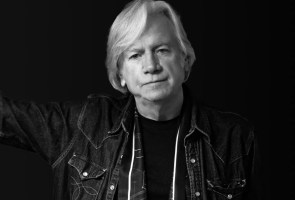
Justin Hayward – The Story In Your Eyes Tour
Thu, Apr 02
2:00 PM
Santa Barbara
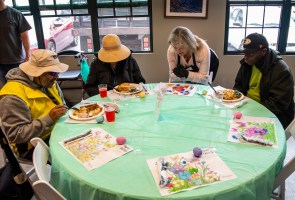
S.B. Rescue Mission Annual Easter Feast
Thu, Apr 02
4:00 PM
Santa Barbara
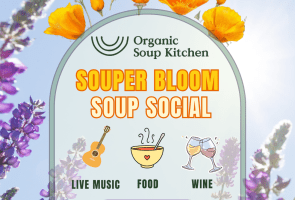
Organic Soup Kitchen’s Souper Bloom Soup Social!
Thu, Apr 02
5:00 PM
Santa Barbara
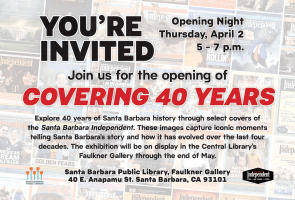
Exhibit Opening: The Santa Barbara Independent: ‘Covering 40 Years’

Fri, Apr 03
2:00 PM
Santa Barbara
Ensemble Theatre Company Presents “A Night with Janis Joplin”
Fri, Apr 03
5:00 PM
Lompoc
Filipinos’ Contributions to Once Making Lompoc…
Fri, Apr 03
7:30 PM
Santa Barbara
Lahaina: Voices of Change
Sat, Apr 04
9:00 AM
Santa Barbara
Mesa Harmony Garden Spring Plant Sale
Thu, Apr 09 7:00 PM
Santa Barbara
Journey Within: Wisdom & Meditation with Gurudev
Fri, Apr 10 2:00 PM
Santa Barbara
Music & Meditation SB – Concert April 10, 2026
Tue, Mar 31 4:30 PM
Santa Barbara
End Citizens United: Tiffany Muller (ECU) and Gov. Steve Bullock
Wed, Apr 01 6:00 PM
Santa Barbara
Downtown Salsa & Bachata Dancing
Wed, Apr 01 7:30 PM
Santa Barbara
Justin Hayward – The Story In Your Eyes Tour
Thu, Apr 02 2:00 PM
Santa Barbara
S.B. Rescue Mission Annual Easter Feast
Thu, Apr 02 4:00 PM
Santa Barbara
Organic Soup Kitchen’s Souper Bloom Soup Social!
Thu, Apr 02 5:00 PM
Santa Barbara
Exhibit Opening: The Santa Barbara Independent: ‘Covering 40 Years’
Fri, Apr 03 2:00 PM
Santa Barbara
Ensemble Theatre Company Presents “A Night with Janis Joplin”
Fri, Apr 03 5:00 PM
Lompoc
Filipinos’ Contributions to Once Making Lompoc…
Fri, Apr 03 7:30 PM
Santa Barbara
Lahaina: Voices of Change
Sat, Apr 04 9:00 AM
Santa Barbara


You must be logged in to post a comment.