Soil is one of our most precious resources. Ecoacoustics, or the study of environmental sounds, has been around for a century, but it has only recently been applied to understanding soils. This emerging approach, called “soilsmology,” uses sound waves to assess soil health with minimal disturbance.
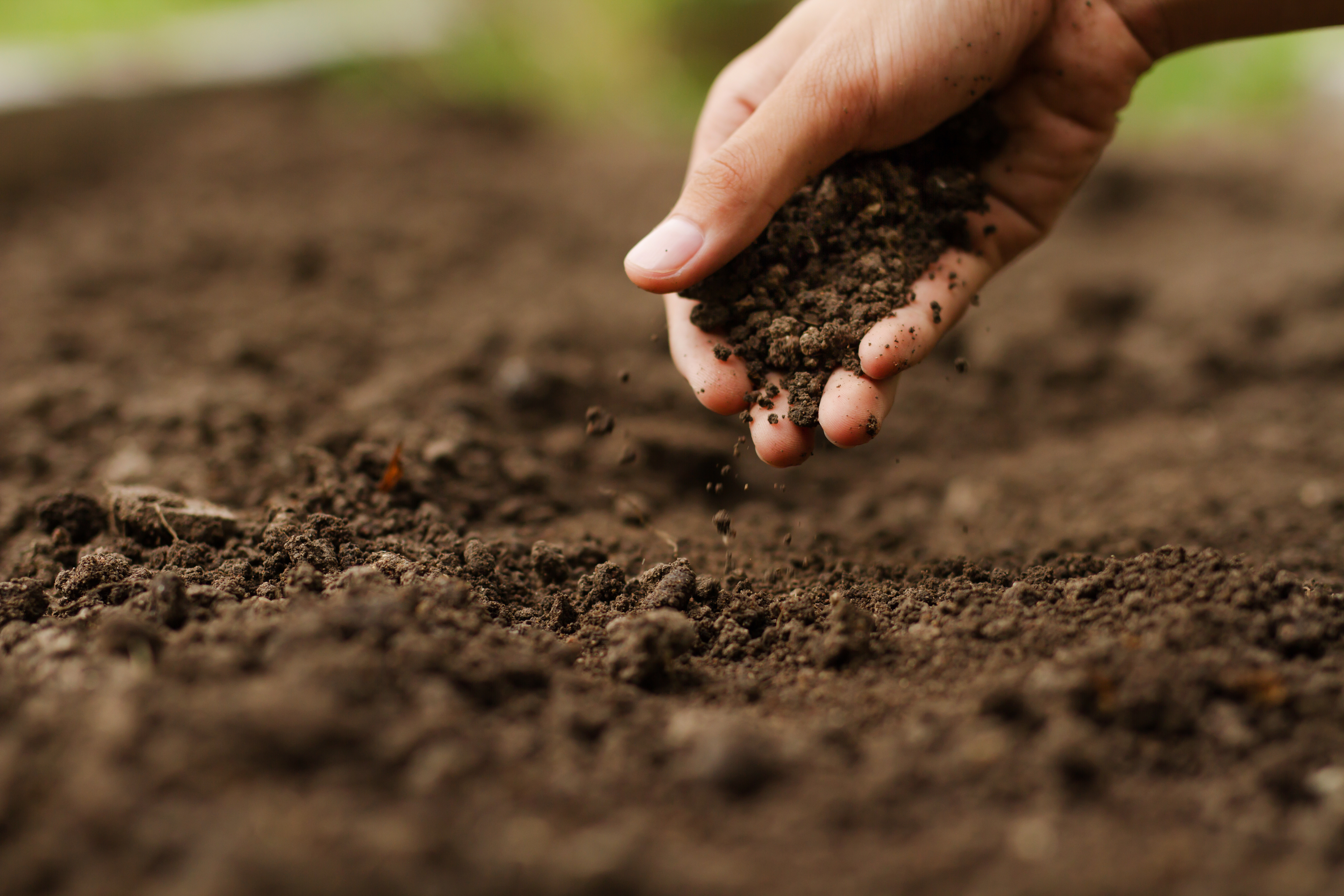
Traditional soil sampling requires digging holes and taking samples to be analyzed in a laboratory. It is messy, time-consuming, and expensive, and it often damages the very soil it aims to protect and improve.
Soilsmology involves placing a metal plate on the ground, striking it with a hammer, and monitoring how the seismic waves move through the earth. The way the waves bounce back provides a remarkably detailed picture of conditions underground. The waves rebound off rocks and compacted soil, making their way back to the surface through all the interstices in the soil. Each type of soil microorganism has its own sound profile. The waves pick up the differing footprints of these tiny underground creatures — earthworms, millipedes, and microbes — as well as moisture levels.
This technology lets farmers know what is going on beneath their crops, allowing them to take measures to adjust their irrigation schedule, increase yields, and improve their land. Many farmers in Africa and other poorer parts of the world have never done soil sampling because soil laboratories are distant and unaffordable.
Earth Rover, a nonprofit founded by The Guardian columnist George Monbiot, is making this soilsmology technology widely accessible. Earth Rover wants to make a smartphone app available to any farmer for free to employ this seismic method for analyzing their soil and to receive tailored advice on how to make improvements specific to their fields.
Soil degradation is a global issue. Fertile land is being lost faster than it can regenerate. Most of the food we consume is dependent on soil fertility. Experts are warning that crop yields may drop by up to 50 percent in some regions. With increasing world population and decreasing soil fertility, a food crisis is looming. We need to change our agricultural practices. Adopting this innovative technology has enormous potential for farming communities, particularly in areas with limited access to traditional soil laboratories. It can help farmers restore fertility in their specific fields by addressing erosion, pesticide damage, and climate-related extremes.
A simple hammer strike can help farmers improve yields but can also track carbon storage in their soil. Carbon in the ground is often based on guesswork. As farmers get better information on the timing of adding organic matter, which boosts microbial life and water retention, they are also improving carbon capture.
To empower farmers to adapt, recover, and thrive will require collaboration between scientists, farmers, and technologists. The good news is that transformative tools are available.