The county supervisors voted in favor of a six-month test program to ramp up health enforcement actions against the growing number of off-the-grid food vendors sprouting up at well-traveled intersections throughout the county. Under the new measure, county environmental health inspectors — accompanied by public works staffers and a sheriff’s deputy — will be authorized to confiscate and store meat and other foodstuffs sold by such vendors, as well as awnings, stoves, gas canisters, and even trucks.
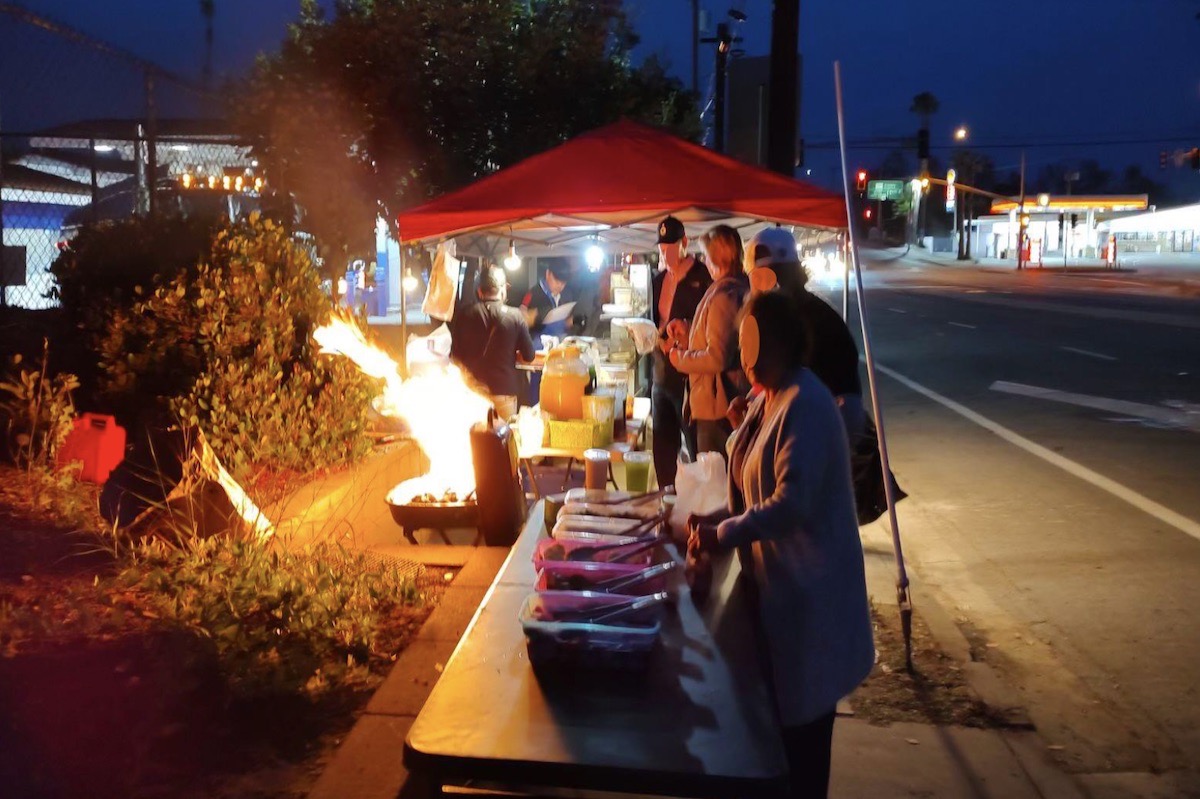
County Supervisor Joan Hartmann noted that these operations have popped up along Highway 154 — already notorious for its number of car crashes — and Highway 246. On evenings when Santa Ynez High School has sports or other events, these operators cook on open-flame grills right across from the school, she said, dumping the grease and trash on the roadside. In the past seven years, the state legislature has passed three bills designed to decriminalize — and encourage — street food vending operations, long considered entrepreneurial launching pads for immigrants. The bills tied the hands of local health officials, but even they don’t allow open-flame, raw-meat operations.
Enforcement has also been confounded by jurisdictional confusion. Are they on city or unincorporated county land, and what is the agency responsible for law enforcement?
The new ordinance — a six-month trial effort — will provide $42,000 to cover the cost of storage for confiscated goods, and it clarifies where such pop-up businesses can legally operate. Supervisor Bob Nelson pointedly stressed that most health inspectors work 9-to-5 shifts, which doesn’t mesh with pop-ups that operate mostly at night and weekends. If that is not changed, he stated, the overtime costs will make budget deliberations even more painful. Nelson asked why supervisors didn’t act sooner, noting that a task force including the District Attorney, the sheriff, Public Works, and Environmental Health Services all reached some agreement a year ago.
The supervisors heard from frustrated owners of seven Santa Maria Mexican restaurants, outraged at having to compete with “bootleg” operators who don’t pass public health inspection, don’t pay taxes, don’t pay workman’s comp, and who, in many cases, run backyard operations out of private homes where alcohol is sold.
According to county statistics, 58 such inspections took place last year with 129 notices of violations issued and 4,200 pounds of foodstuffs seized due to safety concerns. Only one operator petitioned to get his meat returned.