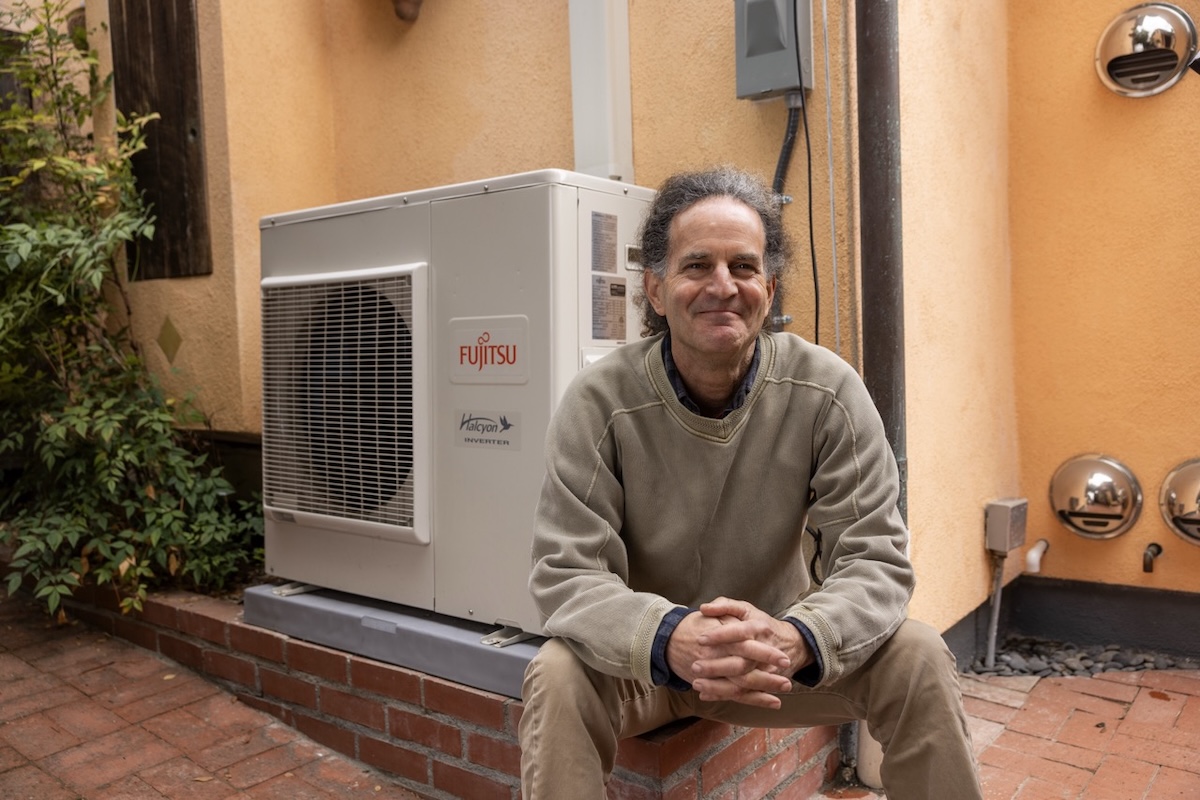
After last year’s incentives were snapped up months ahead of schedule, $9.5 million in energy-efficiency funding is now available across San Luis Obispo, Santa Barbara, and Ventura counties through the Tri-County Regional Energy Network — better known as 3C-REN.
Past projects have included heat pump water heaters, heating and cooling systems, insulation, lighting, refrigeration, and other efficiency improvements. Funding is accessible across the tri-county region for projects ranging from single-family homes to commercial properties.
Last year’s incentives, totaling $5.5 million, did not disappear because of federal funding cuts — they were simply claimed quickly, benefiting more than 1,000 households across the three counties. The money itself comes primarily from utility ratepayer funds distributed through the California Public Utilities Commission. Still, federal policy shifts could affect future energy projects more broadly.
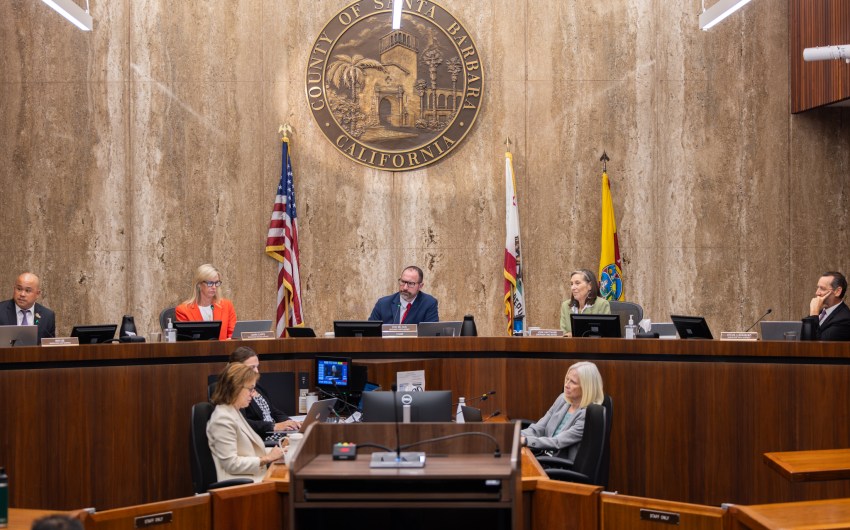
In July, federal lawmakers advanced legislation (one Big Beautiful Bill) that phases out clean-energy tax credits. Speaking before the Santa Barbara County Board of Supervisors that month, Das Williams, senior advisor for policy and legislative affairs at Central Coast Community Energy (3CE) and a former supervisor himself, said the rollback “means that in subsequent years, as these credits are phased out, that projects will cost more.”
As such, Santa Barbara County participation in the program has seen a rise.
“Anywhere from 12 percent to 65 percent (which was last year) of projects happened in Santa Barbara County,” said Erica Helson, Portfolio Manager with 3C-REN.
Helson said she expects a significant portion of 2026 projects to again take place in Santa Barbara County. The most common upgrades are heat pump water heaters and HVAC systems.
“Heat pumps are just inherently very energy efficient because they’re pulling heat from the air,” Helson said. “Heat pumps essentially move heat rather than burning fuel, like natural gas.”
But the real question for many homeowners is likely not thermodynamics — it’s the bill.
Replacing a traditional HVAC system with a heat pump can cost over $10,000. Layering incentives, however, can significantly reduce that upfront cost.
“For 2026, we’ve estimated 3C-REN incentives of around $750 for each heat pump water heater and heat pump HVAC, and $1,500 for these same upgrades for customers who meet equity criteria like being enrolled in low-income utility assistance programs like CARE/FERA,” Helson said.
When stacked with incentives from Santa Barbara Clean Energy and Central Coast Community Energy, the math shifts even further.
“On average, 40 percent of project costs are covered by 3C-REN and 45 percent of project costs are covered by stacked incentives from organizations like Santa Barbara Clean Energy and Central Coast Community Energy,” Helson said. “With a 5-10 percent contractor credit to make up the difference, these customers are paying $0 out of pocket.”
That zero-dollar scenario primarily applies to income-qualified households, but it illustrates how stacking local incentives can significantly reduce — and in some cases eliminate — upfront costs.
Residents interested in participating must work with an enrolled contractor. The simplest first step, Helson said, is filling out an interest form at 3c-ren.org/residents. The program also offers concierge support to help navigate available incentives.
With last year’s funds exhausted early, officials are encouraging residents to explore options sooner rather than later.