


Living here in Santa Barbara is truly a privilege: We get phenomenal weather and amazing community, and we are never more than 20 minutes from the beach at any given point in time. I often get questions from clients about how to harness this vibe and translate it into their living spaces.
Coastal decor has long been associated with seashell collections, rope-wrapped mirrors, and cheeky signs announcing “Life’s a Beach.” While those elements can have their place in certain settings, truly timeless coastal design is far more refined. When done well, it’s not about themed accessories: it’s about creating a feeling. The goal is to capture the calm, breezy essence of the shoreline through thoughtful color, texture, and materiality. Here’s how to execute it:
Start With a Serene Color Palette
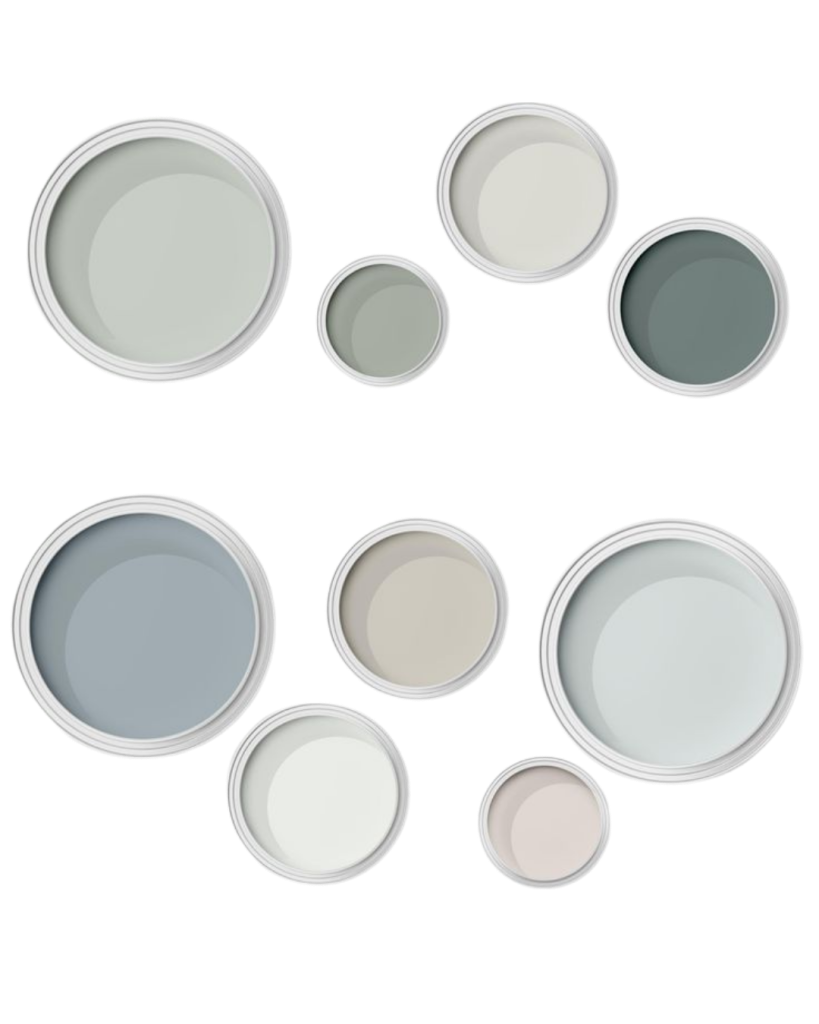
Color is the foundation of coastal design. Think ocean blues that range from misty sky to soft watery hues. Sea greens such as sage, eucalyptus, and muted aqua evoke dune grasses and rolling tides. Pair these cool hues with warm, sandy neutrals such as soft beige, ivory, and driftwood gray. The interplay between cool and warm tones mirrors the balance between water and shore.
The key is restraint. Choose two or three colors and layer varying shades within that family to create depth. For example, a living room might feature pale blue walls, a slightly deeper blue in accent pillows, and sea-glass green in artwork. Ground the palette with creamy upholstery and natural wood finishes to keep it feeling organic rather than thematic.
Avoid stark whites or high-contrast combinations. Coastal interiors should feel sun-washed and relaxed, as though the colors have gently faded under salty air.
Prioritize Light and Airiness
A well-executed coastal space feels open and breathable. Maximize natural light whenever possible. Sheer cotton or linen window treatments allow sunlight to filter in softly while maintaining privacy.
Furniture layout also plays a role. Leave breathing room between pieces. Avoid overcrowding and oversized silhouettes that block sightlines. Think, “Edit, edit, edit.” Less really is more in these spaces. Opt for clean-lined sofas, beautifully upholstered chairs, and streamlined tables that maintain a casual elegance.
Layer Texture for Depth
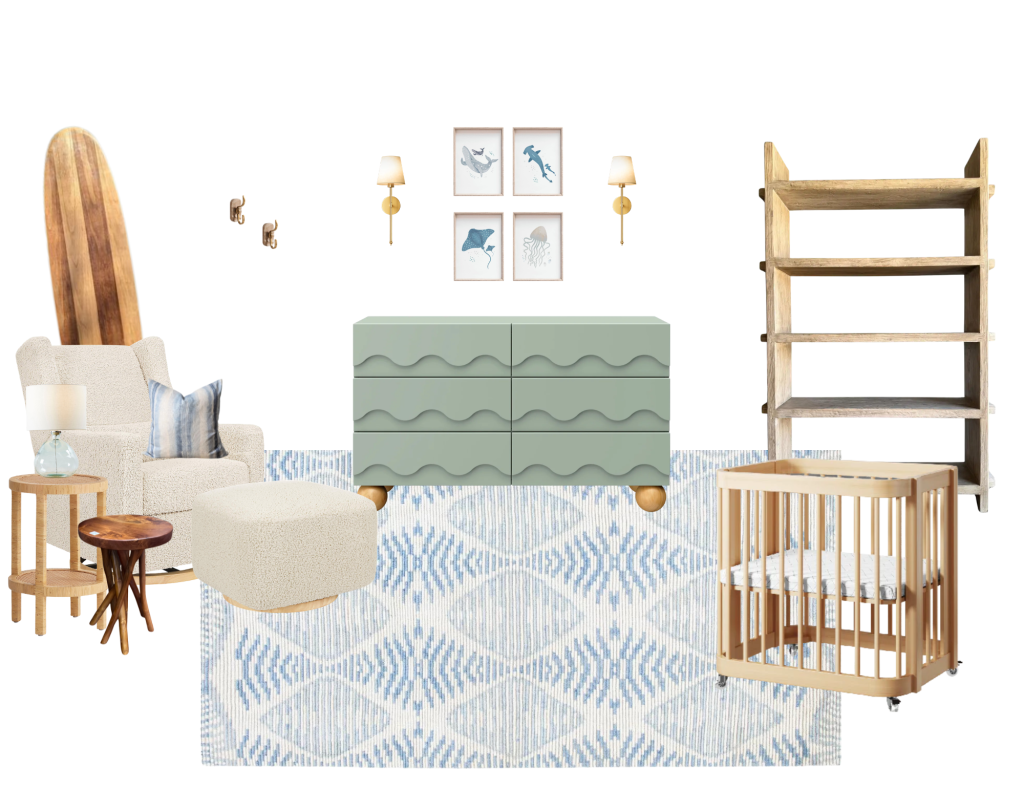
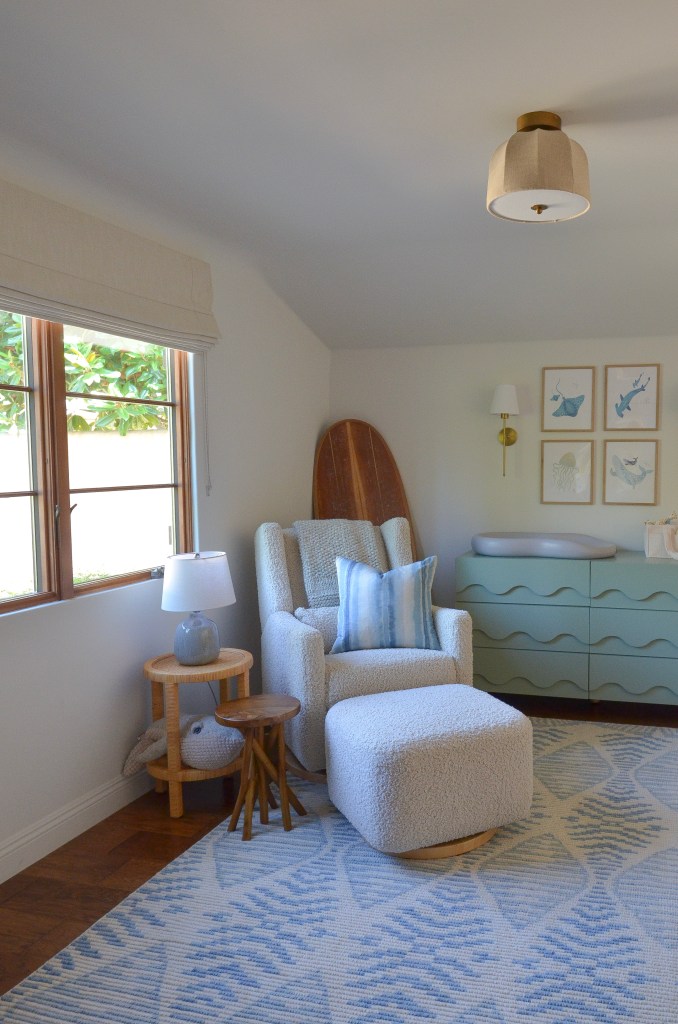
The most important element in sophisticated coastal design isn’t décor; it’s texture. Natural materials bring warmth and authenticity. Cotton and linen upholstery create a relaxed foundation. Rattan and wicker add visual lightness while introducing subtle pattern. Seagrass rugs ground a room with earthy texture underfoot. Light-toned woods, such as white oak or reclaimed driftwood finishes, provide structure without heaviness.
Layering is essential. Imagine a neutral sofa dressed in cotton cushions, a chunky knit throw in soft beige, and a woven seagrass rug beneath a weathered wood coffee table. None of these pieces on its own screams “beach,” yet together, they evoke the tactile richness of coastal living.
Contrast smooth and rough finishes thoughtfully. Pair a matte ceramic vase with a woven tray. Combine a sleek glass lamp base with a textured linen shade. These juxtapositions add dimension while maintaining harmony.
Keep Accessories Minimal and Intentional
The fastest way to undermine a coastal interior is to overload it with themed accessories. Instead of displaying collections of shells or nautical figurines, choose a few meaningful objects made from natural materials.
Say yes to a large glass jar that collects treasures you’ve collected as a family on beach walks. Say no to store-bought shells and signage decor. Keep it meaningful and simple. A large ceramic bowl in a sea-glass hue. A handwoven basket for storage. A sculptural piece of driftwood. These subtle nods to the shoreline feel curated rather than kitschy.
Final Thoughts
Ultimately, coastal decor done right is about evoking the tranquility of the seaside, not re-creating it literally. When you focus on color, texture, and natural materials, you allow the atmosphere to emerge organically.
Ocean blues and sea greens soothe the eye. Soft beiges and warm woods ground the space. Cotton, rattan, seagrass, and light-toned wood add tactile richness. The result is a home that feels light, airy, and timeless, a quiet reflection of the coast rather than a souvenir shop version of it.
When thoughtfully layered, coastal design becomes less about decoration and more about experience. It’s the feeling of a gentle breeze through open windows, sunlight reflecting off water, and the simple luxury of relaxed living.
Laura Gransberry is a Santa Barbara–based interior designer, specializing in helping clients find renovation-ready properties and transform them into magazine-quality homes. She can be reached at laura@lauragransberry.com, and on Instagram @lauragransberrydesign. Visit lauragransberry.com to learn more.







You must be logged in to post a comment.