
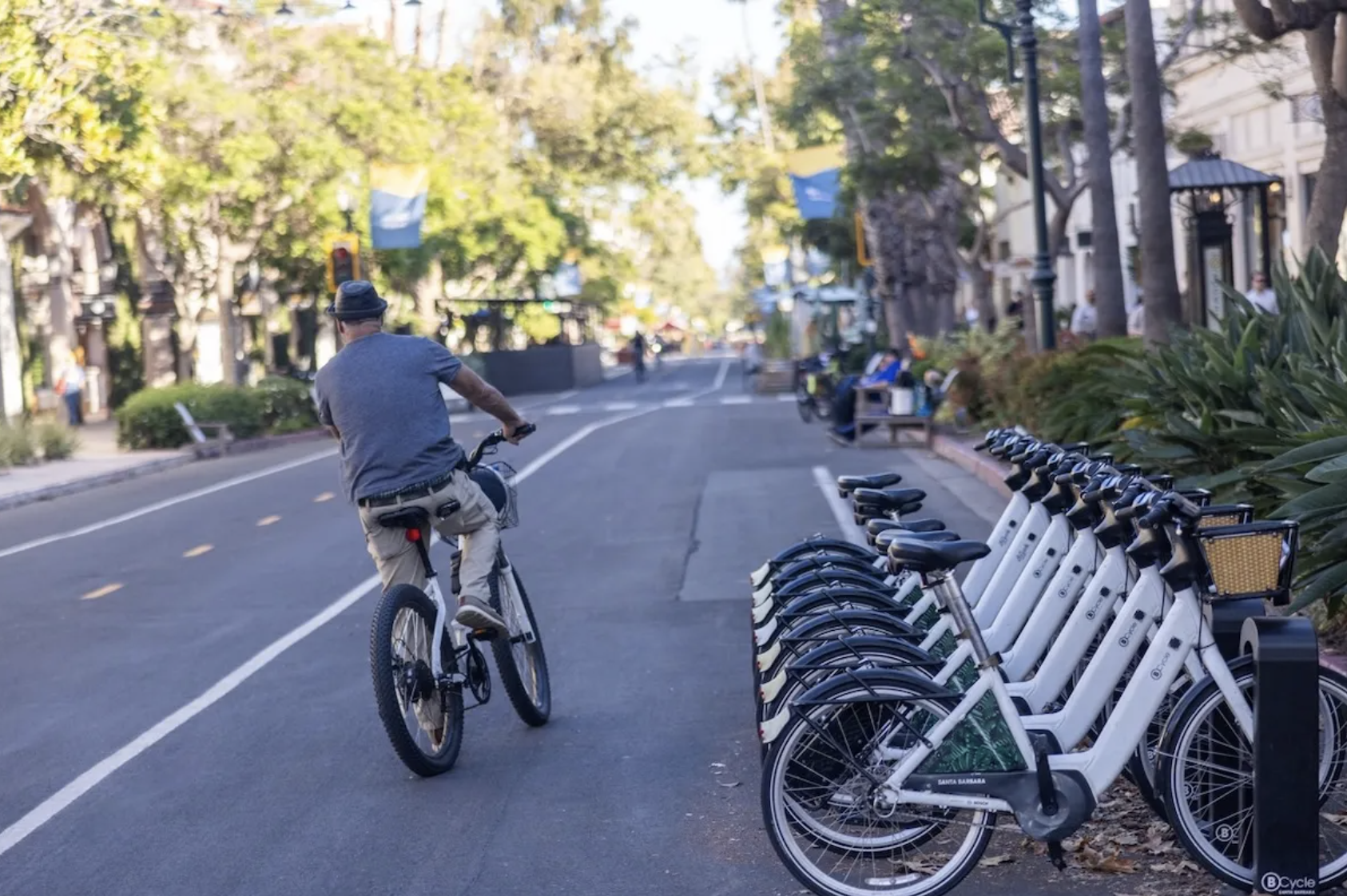
The private company BCycle, which launched the fleet of 267 white electric bikes with their signature brown wicker baskets now zipping all over town, just secured a $1.8 million clean-mobility grant from the State of California. Translated into actual numbers, BCycle will be tasked with increasing the enrollment of low-income bike passes, known as “BCycle for All,” by 1,600 percent — or 250 additional passes each a year for the four years of funding.
The grant — secured by BCycle in conjunction with the City of Santa Barbara and the private investment firm Amet Partners — will also fund 60 new bikes, 96 new docks, and 21 additional stations, plus the cost of a new van and bilingual outreach programs.
The bikes will be distributed throughout lower-income neighborhoods with recharging stations within two blocks’ walking distance for possible users.
The price break for the cost of the low-income BCycle bike-share pass is already significant. A regular all-year BCycle pass is $244.68. By contrast, a low-income “BCycle for All” pass is $27.12.
With a price differential like that, why have only 62 people signed up?
“We are, admittedly, not great at outreach,” said Jo-Anne Burgess, operations manager for BCycle. The grant, according to Burgess, will involve working with the nonprofit MOVE, which advocates for safer bike options for commuters and pedestrians and has a much deeper understanding of the terrain. For decades, MOVE has operated Bici Centro, a bike repair shop on Haley Street, with budget-friendly prices.
With the war in Iran showing little sign of abating, the rising price of oil threatens to hit the wallets of commuters, while the Metropolitan Transit District has announced bus service cuts. In this broader context, BCycle’s little white bikes — which can hit top speeds of 17 miles an hour if riders also pedal — might seem a more invitingly cost-friendly option for city commuters. According to the Santa Barbara County Association of Governments, which tracks such things, the median distance for city commuters is 3.3 miles. Burgess also noted that, with the exception of Gelson’s, BCycle already posts stations by every grocery store.
About 18 months ago, BCycle, a company founded and owned by Trek Bicycle company CEO John Burke, who lives in Santa Barbara part-time with his wife, was sold to Bicycle Transit System (BTS). Trade publications describe BTS as a woman-owned and managed company with a strong commitment to addressing income equity issues.
Burke and Trek launched the BCycle ride share program in Santa Barbara right as the COVID-19 pandemic was coming into its full fury. Among bike activists and City Hall insiders, Burke was seen as a generous benefactor, providing full concierge services for his hometown e-bike operation. In 2021, the company rolled out 130 bikes operating out of 272 docks and reported 30,000 trips totaling 133,000 miles, thus offsetting 125,000 pounds of carbon dioxide. Today, the company reports 267 bikes being rented out from 558 docks and 83 stations, totaling roughly 200,000 trips a year. While the number of trips is down slightly from the previous year, the number of miles traveled has gone up slightly. In 2025, it was up to 2.5 million.
For the California Air Resources Board, all this translates to 356 metric tons of carbon dioxide not getting into the atmosphere. With the state committed to a challenging policy of zero net emissions by the year 2045, e-bike share programs are eligible for significant funding from the state’s Cap-and-Invest program — formerly known as Cap-and-Trade — in which large-scale air polluters are forced to pay what’s in essence a pollution tax. This program certainly has its critics, but for bike share systems, it is a blessing. To date, all e-bike systems require some form of subsidy — whether in advertising dollars or government grants — to stay financially afloat.
Based on recent rider surveys, 50 percent of BCycle trips replace a trip that would otherwise have been made with a car. At any given time, there are about 1,200 active users enrolled in the system. In the spring time, that translates to about 500 to 800 trips a day. In the summer, it’s 800 to 1,000. Of those 80 percent are Santa Barbara residents, 20 percent visitors.
Burgess, who moved to Santa Barbara from the Bay area about 18 months ago, said that one thing she has noticed here that is different is that people don’t wear helmets when riding the way they do elsewhere. “That to me suggests riders here feel a level of respect and trust that they don’t necessarily have in other places,” she said. And that sense of trust and respect, she added, will be valuable when seeking to expand the base of riders.
Related Posts

Premier Events
Thu, Apr 09
7:00 PM
Santa Barbara
POSTPONED – Journey Within: Wisdom & Meditation with Gurudev – POSTPONED
Fri, Apr 10
2:00 PM
Santa Barbara
Music & Meditation SB – Concert April 10, 2026

Sat, Apr 11
7:00 PM
Santa Barbara
Dinner & Standup Comedy @ Wine Cask Gold Room
Sun, Apr 12
11:00 AM
Solvang
Santa Ynez Valley Home + Build Showcase
Mon, Apr 13
7:00 PM
Santa Barbara
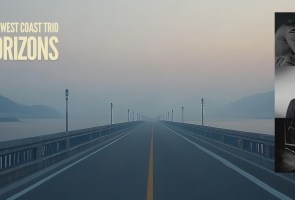
New Horizons – Antonio Artese West Coast Trio

Tue, Apr 14
7:00 PM
Goleta
Wild and Free Film Festival Spring Movie Night
Wed, Apr 08
11:00 AM
Santa Barbara
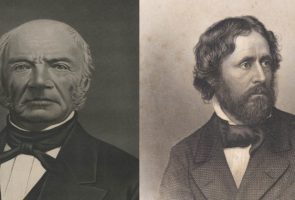
True Story of Fremont Foxen & the San Marcos Pass

Wed, Apr 08
1:00 PM
Santa Barbara
Día de los Niños
Wed, Apr 08
2:00 PM
Santa Barbara
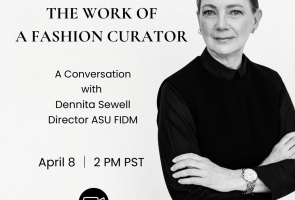
Online Talk: The Work of a Fashion Curator w/ ASU FIDM Director
Thu, Apr 09
6:00 PM
Santa Barbara
Chaucer’s Books – Poetry Night

Thu, Apr 09
7:00 PM
Santa Barbara
CWC Docs: The Other Roe
Thu, Apr 09
7:30 PM
Santa Barbara
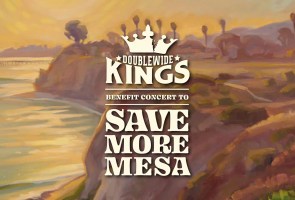
Doublewide Kings Benefit Concert
Fri, Apr 10
7:00 PM
Ventura
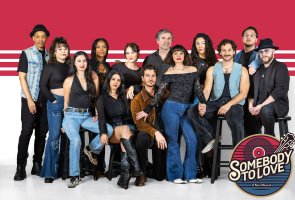
Rubicon Theatre Presents “Somebody to Love”
Fri, Apr 10
7:00 PM
Santa Barbara
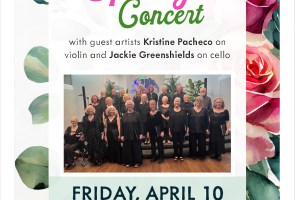
Unity Singers’ Spring Concert

Sat, Apr 11
10:00 AM
Los Olivos
Tomatomania! Santa Ynez Valley
Sat, Apr 11
12:00 PM
Isla Vista
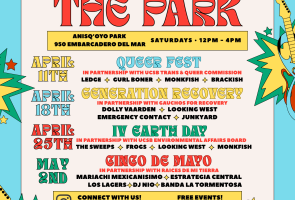
Music in the Park: Spring Concert Series – Anisq’Oyo Park
Thu, Apr 09 7:00 PM
Santa Barbara
POSTPONED – Journey Within: Wisdom & Meditation with Gurudev – POSTPONED
Fri, Apr 10 2:00 PM
Santa Barbara
Music & Meditation SB – Concert April 10, 2026
Sat, Apr 11 7:00 PM
Santa Barbara
Dinner & Standup Comedy @ Wine Cask Gold Room
Sun, Apr 12 11:00 AM
Solvang
Santa Ynez Valley Home + Build Showcase
Mon, Apr 13 7:00 PM
Santa Barbara
New Horizons – Antonio Artese West Coast Trio
Tue, Apr 14 7:00 PM
Goleta
Wild and Free Film Festival Spring Movie Night
Wed, Apr 08 11:00 AM
Santa Barbara
True Story of Fremont Foxen & the San Marcos Pass
Wed, Apr 08 1:00 PM
Santa Barbara
Día de los Niños
Wed, Apr 08 2:00 PM
Santa Barbara
Online Talk: The Work of a Fashion Curator w/ ASU FIDM Director
Thu, Apr 09 6:00 PM
Santa Barbara
Chaucer’s Books – Poetry Night
Thu, Apr 09 7:00 PM
Santa Barbara
CWC Docs: The Other Roe
Thu, Apr 09 7:30 PM
Santa Barbara
Doublewide Kings Benefit Concert
Fri, Apr 10 7:00 PM
Ventura
Rubicon Theatre Presents “Somebody to Love”
Fri, Apr 10 7:00 PM
Santa Barbara
Unity Singers’ Spring Concert
Sat, Apr 11 10:00 AM
Los Olivos
Tomatomania! Santa Ynez Valley
Sat, Apr 11 12:00 PM
Isla Vista

