

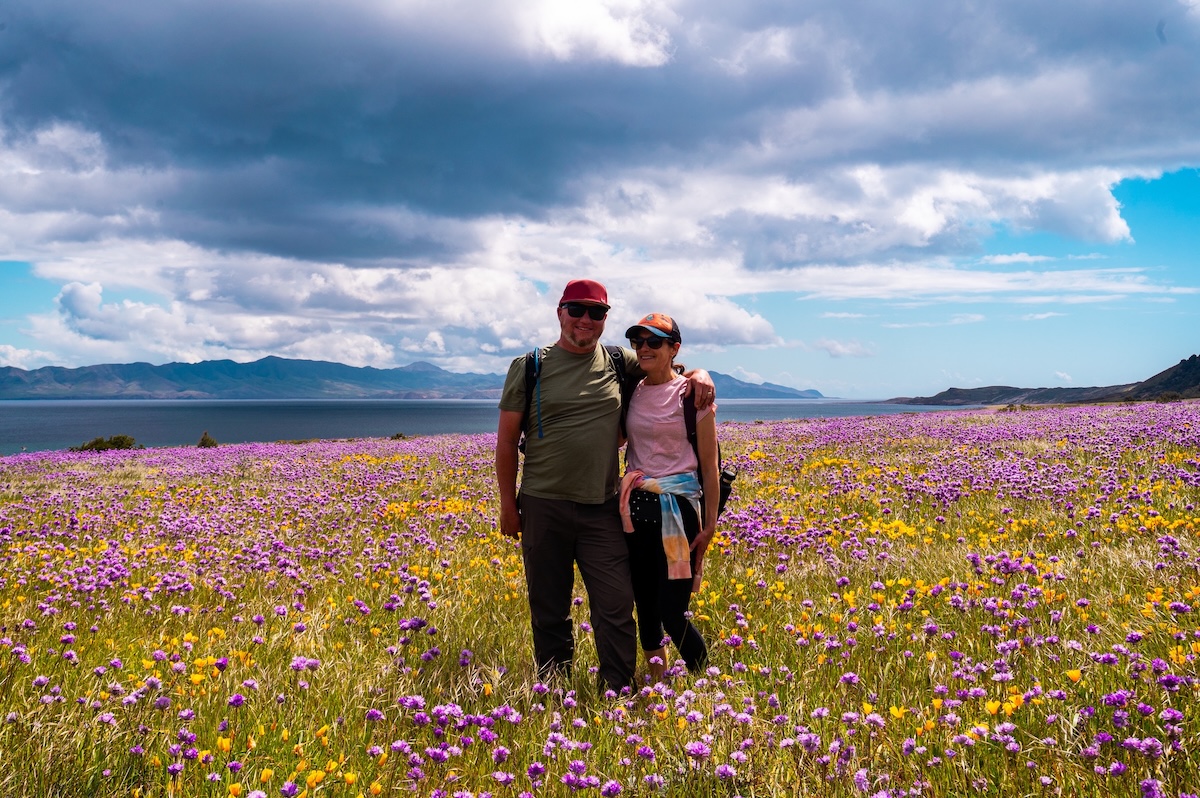
Sign up to get Matt Kettmann’s Full Belly Files, which serves up multiple courses of food & drink coverage every Friday, going off-menu from our regularly published content to deliver tasty nuggets of restaurant, recipe, and refreshment wisdom to your inbox
It was a helpless kind of sadness that struck many Channel Islands National Park fanatics like myself this past week, as we watched our beloved Santa Rosa Island erupt in a wildfire last Friday that very quickly burned more than 17,000 acres, as of the May 20 count. Some of our worst fears were confirmed by Tuesday, when it was reported that the fire had reached and burned through the legendary Torrey pine forest — one of only two on the planet — though InciWeb suggests that the trees largely remain intact.
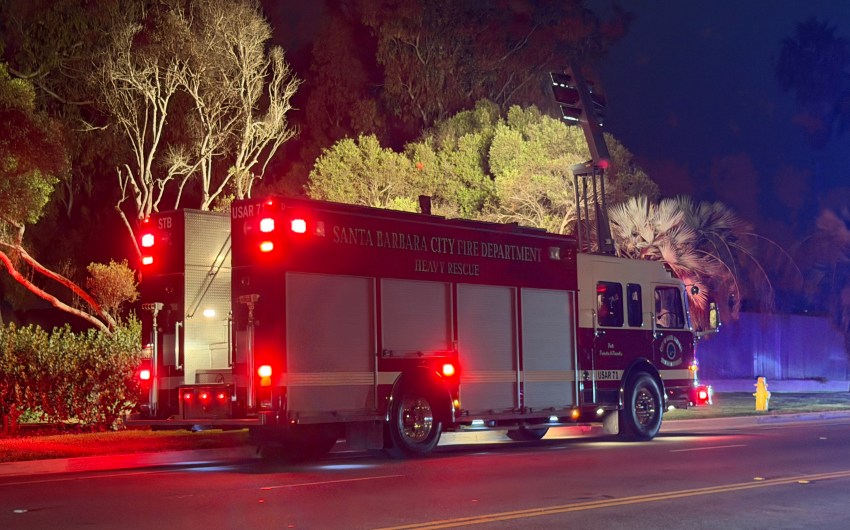
When I was writing this on Wednesday, the lone campground in Water Canyon was under threat, as was popular Cherry Canyon trail, and then the park’s primary infrastructure — including the historic ranch house and pier — would come next. There’s also the Santa Rosa Island Research Station, run by CSU-Channel Islands, in that same zone. But by Thursday morning, it appeared that the fire was slowing down, and that enough firefighters, tanker drops, and resources had reached the remote isle by now to save those valuable structures and limit more significant damage. But countless fingers remain crossed.

For those who have yet to visit Santa Rosa Island, you may have missed a very unique window to see this place in all its glory. I’ve been visiting since my first Channel Islands trip way back in the spring of 2001, when my buddy Coyote Dave and I joined a group of hikers and divers for a two-night boat trip on the Truth that featured stops at both San Miguel and Santa Rosa.
Day one was a guided ranger walk on San Miguel, but we were left to our own devices for the next morning on Santa Rosa. So we took off as far as we could make it given the schedule, heading out toward Skunk Point and up into those Torrey pines. As we wandered through the forest, I saw my first raven up close, and suddenly understood why indigenous cultures respect them so highly. Simple backyard crows, ravens are not. I wrote a story about that way back when, but it’s stuffed in our paper archives right now, so I can’t link to it.

I’ve since returned many times, including with 30 friends and family for my now-wife’s 30th birthday back in 2006, when I proposed to her at Carrington Point. That specific engagement location happened by chance, but we wound up giving our son the middle name Carrington, largely because no one knows who Carrington was, so the provenance was clean.
One of the proudest feathers to wear in my writer’s cap is that my story about that 2006 Santa Rosa Island trip — as well as my previous years of reporting on the controversial invasive species eradication efforts across the Channel Islands — are what inspired author T.C. Boyle to pen a couple books about the archipelago. He readily told me as much when I interviewed him back in 2012. “So your story on Santa Rosa Island a few years ago, that was one of the things that got me interested in the islands,” he told me at Café Del Sol one afternoon. “That article was so great, and those pictures — I just wanted to be there.”

My wife and I have been back many times since, including to celebrate her birthdays again at 40 (with about 40 friends) and last year as she approached 50, with about 40 friends again. We spent much of one afternoon in the Torrey pines last year, weaving under their long branches, lounging on their soft needle beds, taking in their balsam scents. Little did we know that would be the last time we experienced them in the way that they were, untouched by wildfire for decades.
In fact, my wife was set to return just for a day trip on Monday, a trip that she booked somewhat last minute with a friend in honor of her birthday the week before. But that was canceled on Sunday, when the island was officially closed to the public and the channel crossing weather was still looking dicey.

All of those amazing group trips aside, the most adventurous, eye-opening, and downright blessed visit I ever experienced was 15 years ago while reporting a travel story for the New York Timeswith my friend/photographer Brian Hall. The news hook was that all of Santa Rosa Island was now open to the public, as the elk and mule deer that had been brought to the island for hunting purposes decades earlier were eradicated in 2011. But that was just a sentence in the story, which, now that I read it again, barely even scratched the surface on what we were able to see and do, trading such details for the more basic visitation info.
The real story is that Brian and I were there for about three days, comfortably residing in the park’s staff housing, and given almost completely unsupervised freedom to go anywhere, with the benefit of a ride to far off trailheads. Each morning, the rangers would drop us off somewhere, point in one direction, and say, “Just go that way and we’ll pick you up over there in about six hours.”
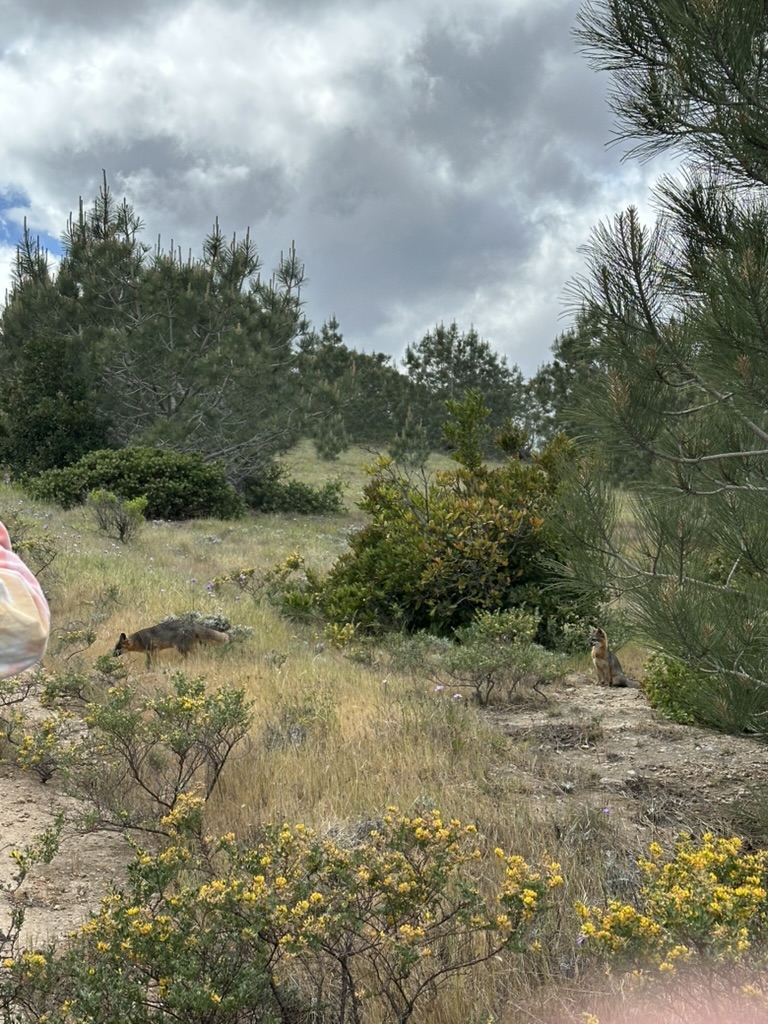
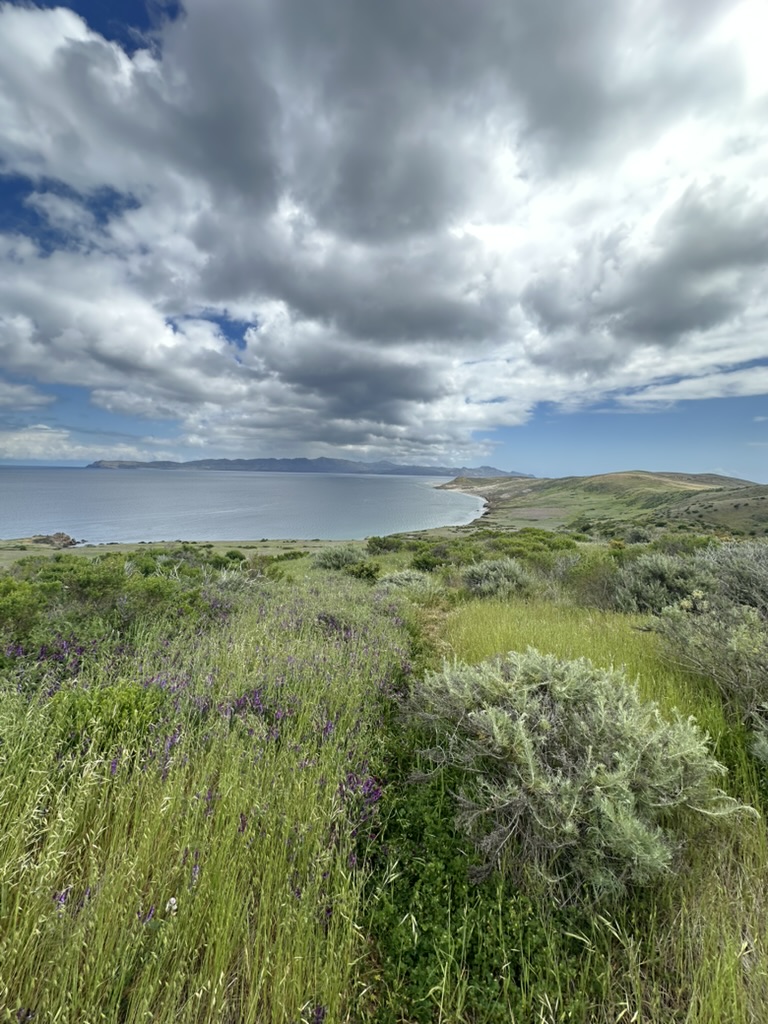
We were totally free to roam with nothing else around aside from birds, island foxes, and massive elephant seals that nearly killed us at one point. (At least, that’s how it felt.) We passed the airplane wreck atop San Augustin Canyon, examined the cloud forest’s dwarf-like oaks on the highest ridges, cruised the untouched south-side shores near La Jolla Vieja, rambled through purple lupine atop Carrington Point, and felt the ancient spirits around the esteros between Skunk and East points.
Much of what we traversed — mostly on the southeastern side of the island — burned this past week. The original report was that the man who wrecked his sailboat on the shore shot a flare into the grasslands, thereby causing the fire. But later reports suggest that his shipwreck triggered an earlier fire, and that embers from that are what actually reignited the current blaze rather than the flare. Still, there are plenty of folks quite angry at that sailor today.

At this point, the cause doesn’t matter much. Knowing that much of the island is covered by low-lying grasslands, my optimistic side hopes that the fire moved more fast than ferocious, merely singing everything in its path rather than decimating native plant and animal species.
That’s my hope for the Torrey pines too, that their hardy trunks withstood the flames and survived. And that’s what the latest report from InciWeb suggested, explaining, “Based on initial assessments … the Torrey Pines on Santa Rosa Island still exist and remain largely intact.”
Their seeds can be helped by wildfire, I’ve heard, so its likely future generations may behold even grander stands. Maybe, hopefully maybe, this fire may actually be a good thing for the island’s ecosystems, at least in the long term.
Even with all my trips combined, I’ve probably spent less than a month of my nearly half-century of life — maybe even less than three weeks? — physically on Santa Rosa Island. But it’s a place that looms much larger in my mind and heart, and it’s uncomfortable to watch it burn and not be able to really do anything.
If you’ve been there, you know what I mean. If you haven’t, I hope Rosa emerges as beautiful as ever.
From Our Table
Here are some stories you may have missed:
- Hana-Lee Sedgwick previews the annual Peace of Mind fundraising walk for mental health at Alma Rosa on May 31.
- Meaghan Clark Tiernan reports on CrossHatch Winery’s move to East Haley Street in downtown Santa Barbara.
- I wrote this feature about the opening of Monte’s in Montecito, but it also gives some background of Rincon Hill Farm as well as Chef Daniel Kim.
- I spoke to Anna Brittain, a Napa-turned-S.B. wine sustainability expert who is hosting the Mindset Regeneration & Resilience Symposium at Cambria Winery in the Santa Maria Valley June 8-10. Here is my story, and here is a link to passes.








You must be logged in to post a comment.