
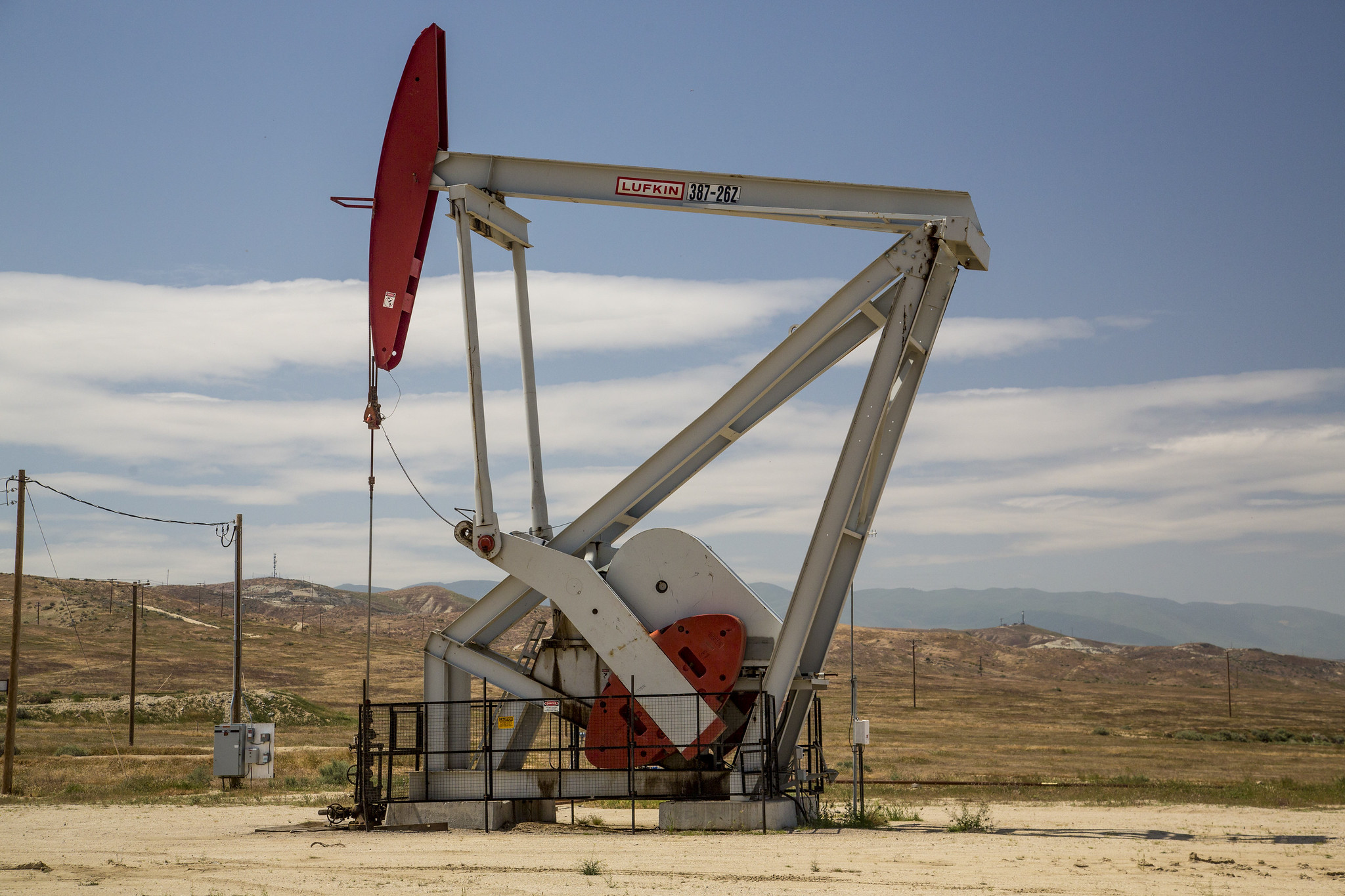
A gateway for new fossil fuel development in Santa Barbara County opened this week.
On Tuesday, the federal Bureau of Land Management (BLM) finalized a contested oil and gas leasing plan for its Bakersfield Field Office, which manages public lands from Fresno to Ventura counties.
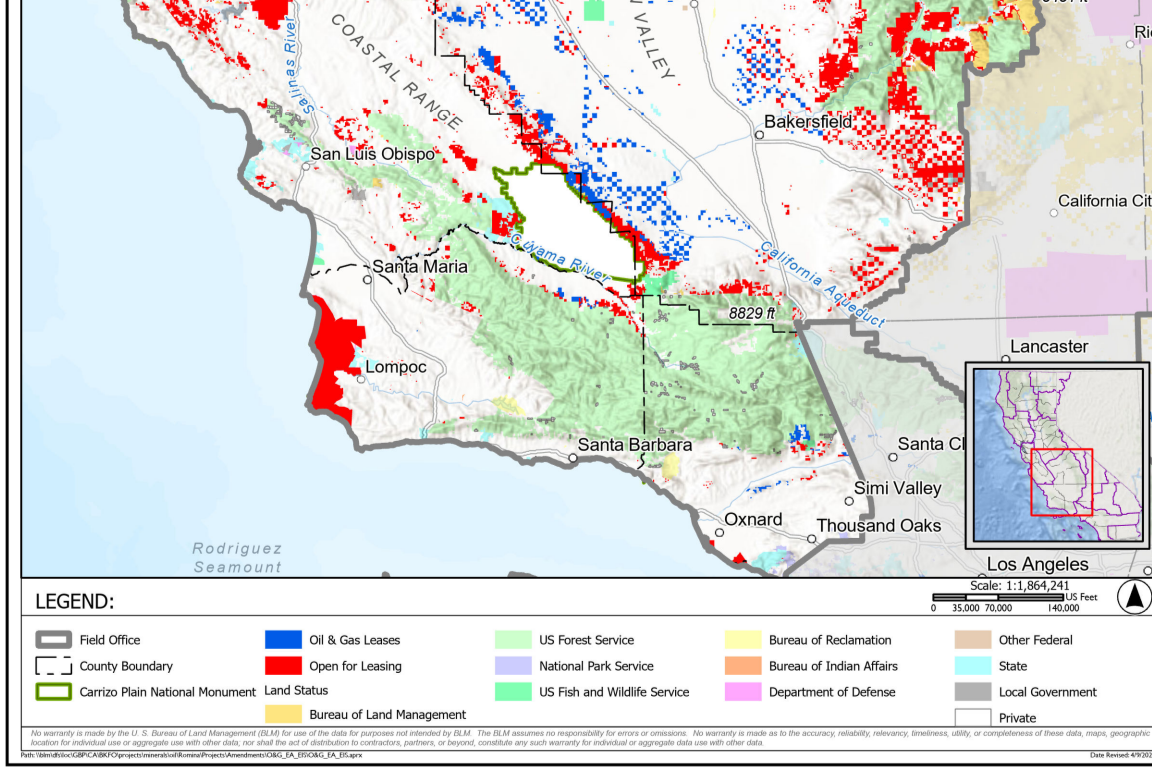
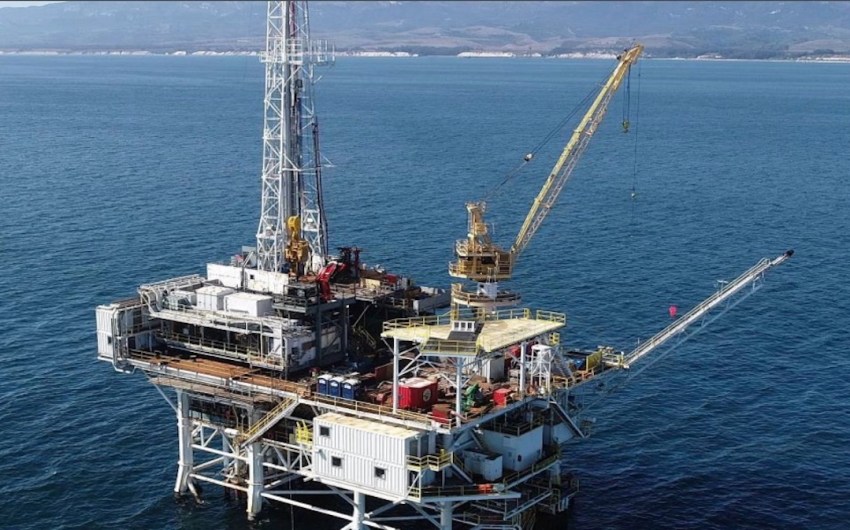
Under the approved plan, the BLM is offering up 850,000 acres across the Central Coast to future drilling and fracking.
That includes a parcel next to Cate School in Carpinteria, a public park in Lompoc, and land bordering Lake Cachuma.
In Tuesday’s press release, the BLM said that its efforts align with President Trump’s executive order from last February, “Unleashing American Energy,” aimed at “increasing energy … production on federal lands in an affordable and reliable manner.”
The BLM further suggested that the plan will support California’s economy.
The BLM Bakersfield Field Office manages more than 1.2 million acres of public lands and federal mineral estate in Central California. It supports about 3,500 jobs and more than $200 million in economic activity annually, according to the agency.
The press release states that the BLM generates $65 million to $90 million each year in royalties from existing oil and gas operations on federal lands in California. “Roughly half of this revenue is returned to the state of California, with the remainder deposited in the U.S. Treasury,” it says.
However, environmentalists and the state have long fought the decision to open public lands to new drilling, citing potential risks to air quality, wildlife habitat, drinking water, and public health — including higher rates of respiratory illness and cancer.
Background Battle
The BLM’s proposal to open Central and Southern California to new drilling is now more than a decade old, but it has been repeatedly challenged and suspended over the years.
In 2016, a California court found that the BLM failed to take a “hard look” at the environmental impacts associated with fracking in its original environmental analysis. It was sidelined for years, until President Donald Trump’s first term in office. In 2019, the BLM completed an updated environmental analysis to push it forward.
However, in 2020, several environmental groups and the State of California challenged it again, arguing that it still failed to address impacts to public health and the environment. A settlement agreement required the agency to do further analysis and possibly amend its original plan.
After remaining dormant under the Biden administration, the plan was resurrected by Trump this January with the release of a new draft supplemental environmental impact statement (EIS).
More than 175,000 public comments in opposition of the proposal were submitted during the public review process earlier this year. Nevertheless, the BLM advanced it.
With the release of the final supplemental EIS this May — featuring new data “addressing air quality, biological resources, soil, and water resources” — the agency is now claiming all previous shortfalls have been addressed.
In developing the final EIS, it states, the BLM “focused on taking a ‘hard look’ at the potential environmental effects” to fulfill its settlement agreements. It concluded that any impacts on air quality, public health, wildlife, water, and soil resources are “minimal,” though in some cases “site-specific environmental reviews and the implementation of best management practices will be necessary.”
Without a “notable increase in impacts,” the BLM states in its June 2026 Record of Decision, it is free to lease the land, without any changes to its original, contested leasing plan from 2014, which it claims “balances resource conservation and ecosystem health with the production of commodities and public use of the land.”
Energy Production or Environmental Predation?
Environmental groups contest the BLM’s claims — the impacts of new oil and gas development on natural resources and public health would not be “negligible.”
Critics of the proposal argue that the BLM continues to “illegally” rely on an outdated and inadequate analysis, which does not account for impacts such as the fragmentation of wildlife habitat or climate change consequences.
The agency’s plan also spits in the face of California’s attempts to restrict new oil and gas development and move toward cleaner energy sources, they argue.
In issuing its recent Record of Decision, “The Trump administration didn’t just ignore the public — it ignored the law,” said Jeff Kuyper, Los Padres ForestWatch’s executive director. “Issuing these Records of Decision without the Governor’s Consistency Review, without regard for SB 1137, and without honoring California’s fracking ban is not just procedurally reckless — it is an affront to every Californian who has fought for cleaner air, safer communities, and protected public lands.”
Senate Bill 1137 established “health protection zones” across the state, which prevent new oil drilling within 3,200 feet of sensitive areas, including schools, homes, hospitals, and churches.
The BLM’s proposed lease areas overlap with many of these health protection zones. In Santa Barbara County, that includes a large swath of land near the Santa Ynez River in Lompoc, as well as spaces in Carpinteria and further south in the Sea Cliff neighborhood.
In response, the Trump administration filed a lawsuit against the state challenging the law earlier this year, arguing that it should not apply to federal lands. That case is still pending, but the Trump administration lost the first round, Kuyper said. In March, the court denied the BLM’s request to pause the law’s enforcement while the case proceeded.
“So, time will tell whether our state’s health protection zones will withstand the Trump administration’s zest for drilling near homes, schools, parks, and other sensitive receptors,” Kuyper said.
What’s Next?
How soon Santa Barbara County may see new drilling, by whom, and exactly where, remains up in the air. The BLM said the next round of leasing will tentatively happen in December.
Typically, the BLM does a site-specific environmental analysis for parcels offered in a particular lease sale, along with opportunities for the public to comment or file administrative protests to challenge the inclusion of certain parcels in a lease sale.
However, this week BLM announced a proposal that reduces public input and environmental review for lease sales — including shortening the public comment period from 90 days to 10 days and allowing BLM to lease parcels even if drilling operations would cause “unnecessary or undue degradation of the lands and their resources,”according to Kuyper. There’s a comment period on that through late August.
Still, a lease cannot drill a hole in the ground. But ForestWatch and other groups, such as the Center for Biological Diversity, have said they will continue to fight to protect these public lands.
“The BLM’s decision could be challenged in court,” Kuyper said. “Conservation and community groups — along with the State of California — are all considering our next steps.”
“The Trump administration is sprinting forward with its eyes closed to hand over a million acres of California’s public lands to Big Oil. We’ll fight this with everything we’ve got,” said Cooper Kass, an attorney at the Center for Biological Diversity’s Climate Law Institute, in a statement.
“It’s a reckless decision that shows who’s really calling the shots at the White House,” he continued. “From Ventura to the Bay Area, California’s public lands have always been a refuge for people and wildlife. We’ve got to protect these places and our communities from a government hellbent on lining this toxic industry’s pockets.”
The Record of Decision and other documents are available at the BLM’s National NEPA Register.
Related Posts



Premier Events
Tue, Oct 06
All day
Santa Barbara
New and Emerging Technologies in the Hands of Artists: Brave New Work 2.0

Tue, Oct 06
6:00 PM
Santa Barbara
Chaucer’s Books- Horror Stories with Joseph Fink

Wed, Oct 07
7:30 PM
Santa Barbara
Ensemble Theatre Company Presents: “Buyer & Cellar”

Wed, Oct 07
7:30 PM
Santa Barbara
The Theatre Group at SBCC Presents: “CLUE”

Fri, Oct 09
7:00 PM
Santa Barbara
Paseo Nuevo Spooky Movie Nights

Sat, Oct 10
1:30 PM
Goleta
🌴 Another Day in Paradise at S.B’s Premier Ice Rink

Sun, Oct 11
7:00 AM
Ojai
Flamenco Guitarist Tony Ybarra

Sun, Oct 11
10:00 AM
Santa Barbara
18th Annual Domestic Violence Solutions Brunch
Sun, Oct 11
10:00 AM
Santa Barbara
Free Community Day at S.B. Botanic Garden

Sun, Oct 11
10:00 AM
Santa Barbara
Downtown Classic Car Show Santa Barbara
Tue, Oct 06 All day
Santa Barbara
New and Emerging Technologies in the Hands of Artists: Brave New Work 2.0
Tue, Oct 06 6:00 PM
Santa Barbara
Chaucer’s Books- Horror Stories with Joseph Fink
Wed, Oct 07 7:30 PM
Santa Barbara
Ensemble Theatre Company Presents: “Buyer & Cellar”
Wed, Oct 07 7:30 PM
Santa Barbara
The Theatre Group at SBCC Presents: “CLUE”
Fri, Oct 09 7:00 PM
Santa Barbara
Paseo Nuevo Spooky Movie Nights
Sat, Oct 10 1:30 PM
Goleta
🌴 Another Day in Paradise at S.B’s Premier Ice Rink
Sun, Oct 11 7:00 AM
Ojai
Flamenco Guitarist Tony Ybarra
Sun, Oct 11 10:00 AM
Santa Barbara
18th Annual Domestic Violence Solutions Brunch
Sun, Oct 11 10:00 AM
Santa Barbara
Free Community Day at S.B. Botanic Garden
Sun, Oct 11 10:00 AM
Santa Barbara


You must be logged in to post a comment.