The federal law that prohibits paving and logging National Forest land is officially on the chopping block, and conservationists warn that the cleaver could strike lands on the Central Coast.
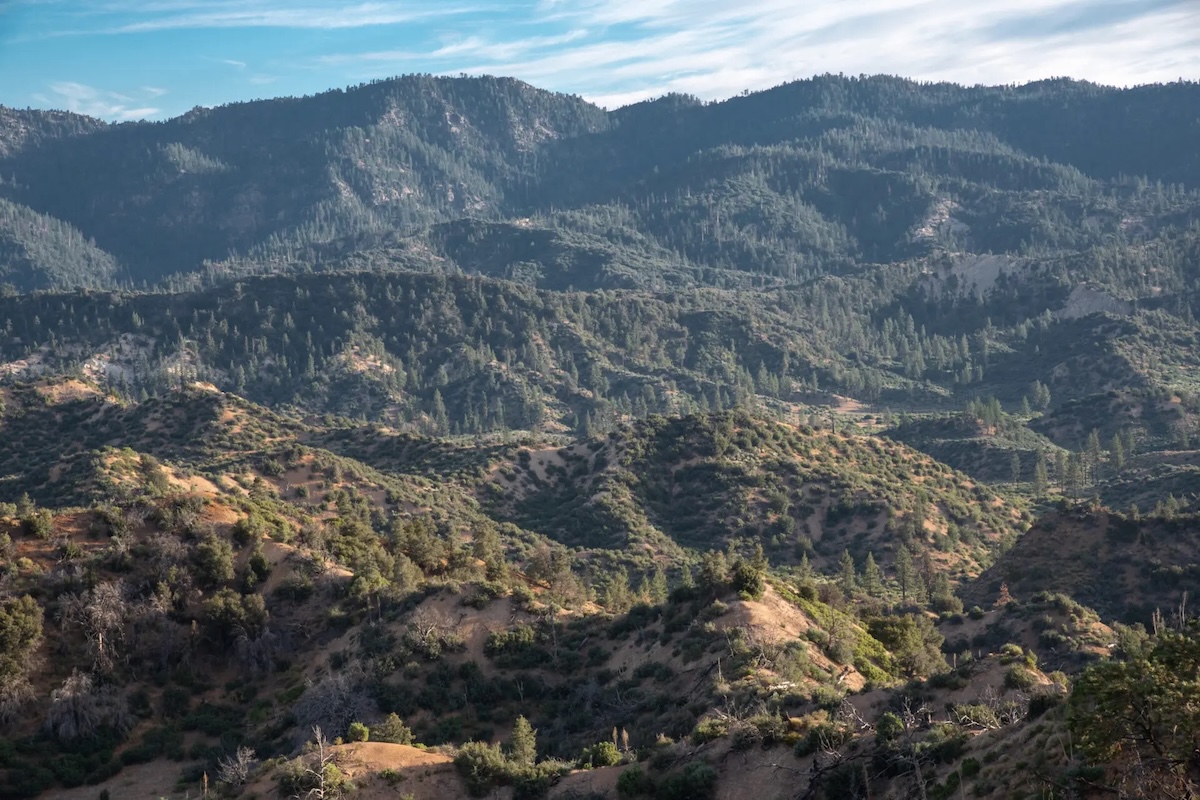
The 2001 Roadless Area Conservation Rule protects 59 million acres of National Forest land from logging and roadbuilding — including 635,000 remote acres in Los Padres National Forest. It protects the backcountry, where old-growth forests provide shelter for wildlife and opportunities for outdoor recreation, while keeping the air and watersheds clean.
But on Tuesday, the U.S. Department of Agriculture (USDA) filed a proposed rule to rescind the Roadless Rule in its entirety.
USDA Secretary Brooke Rollins’s intent to revoke the Roadless Rule has been on conservationists’ radars for more than a year. But now, the threat is materializing.
Recreationists, hunters, anglers, environmentalists, and anyone who enjoys clean water from headwaters originating in national forests should be especially alarmed, said Mary Lunetta, a conservation strategist for the Sierra Club.
“I’ve been doing this work for 20 years, and I have never been involved in a campaign with such a broad gap between what is happening at the decision level and what the public actually wants,” she said.
More than 99 percent of public comments submitted during the initial process opposed the administration’s efforts to rescind the Roadless Rule, according to an analysis by the Center for Western Priorities.
Another public comment period on the proposed rule change and its environmental impact statement is now open until September 21. Notably, when the Roadless Rule was established, it followed a two-year process generating more than 1.5 million public comments and holding more than 430 public hearings. For its rescission, the USDA is holding zero public hearings and allowing 30 days for public comment.
There are more arguments against paving roads through National Forests than there are for it.
The USDA says that the Roadless Rule is a “one-size-fits-all” restriction that frustrates land managers and acts as a barrier to wildfire risk reduction work in National Forests. Additionally, opening forests to “responsible timber management” will help local economies, it claims.
“For too long, outdated restrictions have kept tens of millions of forested acres off-limits to the very treatments that improve forest health and reduce wildfire risk to our communities,” Secretary Rollins said in the USDA’s announcement.
“Today, we filed a proposal to restore authority to local forest managers who know the land best, removing the barriers that have kept them from doing the work the land demands,” she said.
But the agency’s wildfire claims do not hold up to scrutiny. Wildfire prevention work and fuel reductions still happen in roadless areas and firefighters in Los Padres are still able to reach remote areas to fight fire, according to conservation groups and Los Padres National Forest staff.
While paving new roads may make it easier to access some remote areas, it may also increase wildfire risk in those areas.
A study from The Wilderness Society, looking at 30 years of data, found that wildfires are about four times more likely to start in areas with roads than in roadless forest tracts.
And according to policy analysts at Frontier Group, citing data from the Forest Service and national fire agencies, fewer than 1 percent of wildfires in the lower 48 states since 2010 have started in roadless areas of national forests.
Benjamin Pitterle, director of advocacy for Los Padres ForestWatch, charged that the rescission is President Donald Trump’s “gift to the logging industry” and part of his administration’s “agenda to industrialize America’s public lands.”
“Logging remote, old-growth forests doesn’t protect communities from wildfire,” said Pitterle. “These areas are precious precisely because they remain largely intact and unfragmented.”
To comment on the proposed rule and draft environmental impact statement, go to Regulations.gov. Public comments must be received by midnight on Sept. 21. Information will be available Aug. 19 on the Forest Service Roadless Areas webpage.