
Along the Central Coast, protecting endangered animals — including the region’s birds, frogs, and fish — has long been a priority.
But these efforts are now at risk, as nesting sites, breeding grounds, and other protected areas could be opened to harmful activity amid the Trump Administration’s efforts to weaken the Endangered Species Act (ESA).
Short of being hunted down, these animals are losing federal protection.
An internal memo obtained by The New York Times outlines a new interpretation of the law’s language: the accidental killing or injury of an animal would no longer be considered illegal; only actions specifically intended to target the animal would.
For example, if a logger cuts down a tree, knowing endangered bats roost in its canopy, that logger would no longer be held accountable unless the tree was cut for the purpose of capturing or killing the bats. Killing, capturing, or harming an animal is described as “taking” it under the ESA.
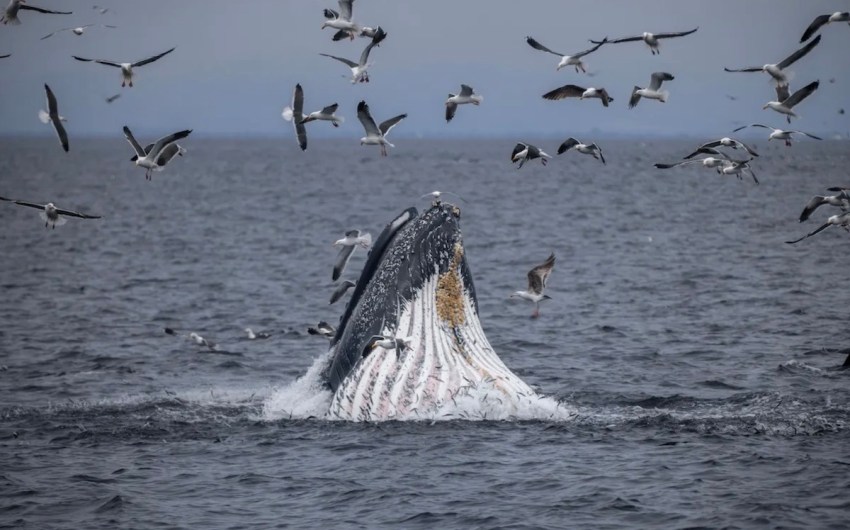
The U.S. Fish and Wildlife Service cites that exact scenario in the memo, dated September 14, alongside another: “A vessel that inadvertently strikes a whale has not taken it, because the vessel’s course was not set against the whale,” it states.
The recently leaked memo, signed by Brian Nesvik, the director of the Fish and Wildlife Service, upends the act’s core protections for endangered and threatened species across the country.
In the United States, most killing of endangered species happens incidentally, amid economic pursuits such as logging, shipping, mining, or drilling. Individuals and industries could previously be held responsible for those deaths and were incentivized to avoid them.
Avoiding harm to endangered species — and promoting their recovery — is the main goal of many programs and organizations on the Central Coast.
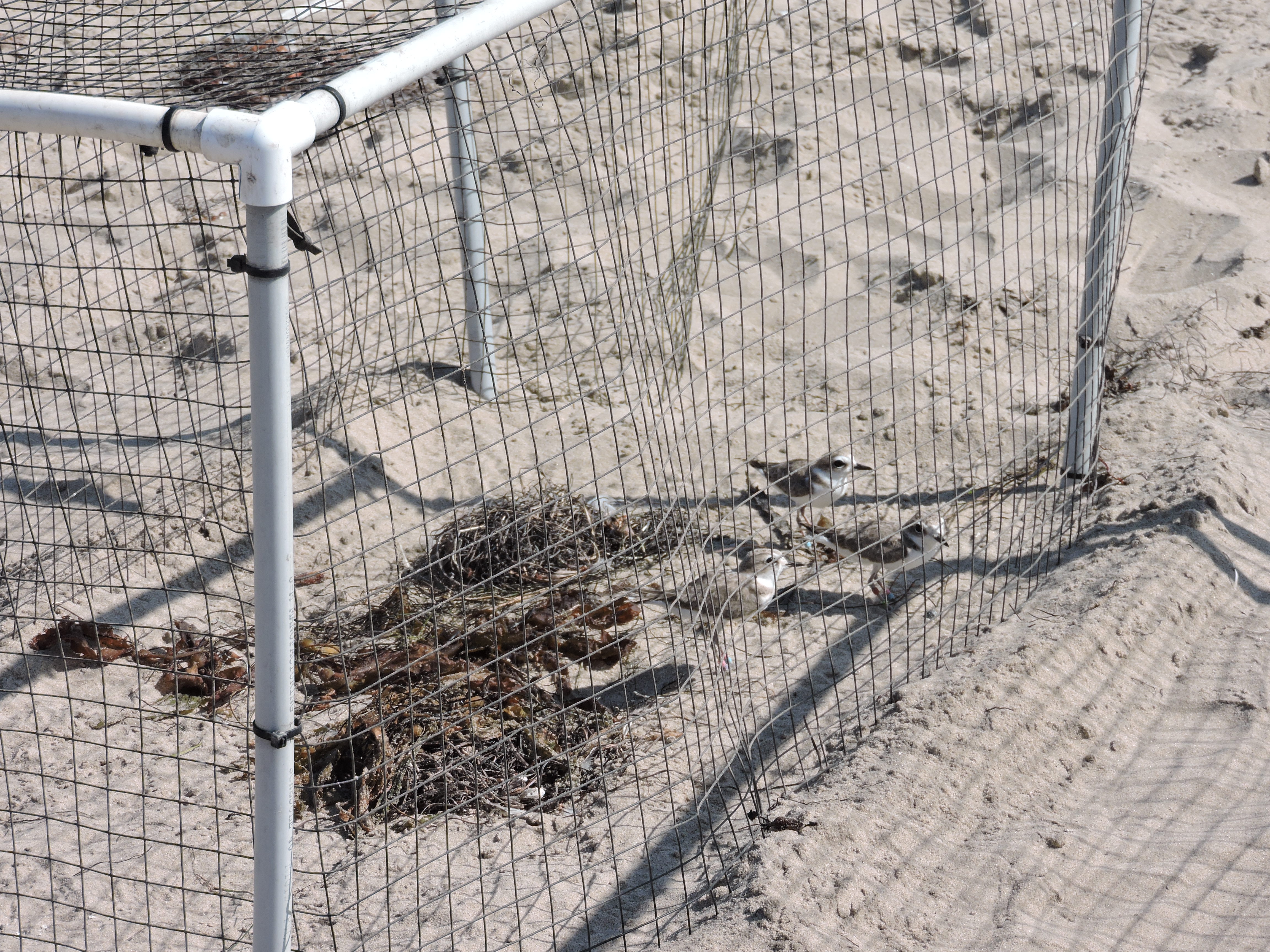
Lawmakers, environmental organizations, and shipping companies have made a concerted effort to reduce fatal ship strikes on whales under the “Blue Whales Blue Skies” program. Conservation groups have made strides to recover endangered Southern California steelhead trout populations in the region’s watersheds — the same goes for red-legged frogs and California condors in areas such as Los Padres National Forest. The Santa Barbara Zoo has undertaken efforts to rear and reintroduce several local endangered and threatened species, such as snowy plovers.
During the zoo’s recent re-release of 12 rehabilitated snowy plovers at Coal Oil Point, Julie Barnes, the zoo’s vice president of animal care and health, called the rollbacks “concerning.”
“There will ultimately be an impact on these populations,” she said, watching the small shorebirds traverse the beach. “The success stories of some of these recovery programs have been because of those protections.”
Environmental groups and attorneys around the globe are calling the act’s reinterpretation an “assault” on the wildlife it is intended to protect. It is a “license to destroy habitat” and drive species toward extinction, said Susan Holmes, executive director of the national nonprofit Endangered Species Coalition.
Under the ESA, a permitting system accounts for “incidental take” of species amid business operations. If an individual’s or company’s actions could result in the death of an endangered species, it would have to apply for an “incidental take” permit and implement measures to protect those species or pay for their conservation elsewhere.
But the memo seems to overturn that system. The Department of the Interior, which oversees the Fish and Wildlife Service, did not respond to The New York Times’ questions about the memo, such as when it would take effect, and instead wrote back, “the Endangered Species Act continues to prohibit take of endangered wildlife, including actions that harass, pursue, hunt, shoot, wound, kill, trap, capture, or collect listed wildlife, or attempts to do so.”
According to the Times, the memo is based on a dissent in a 1995 Supreme Court case written by Justice Antonin Scalia. The administration has argued that the legal argument upholding the majority decision in that case no longer applies after a 2024 Supreme Court ruling that limited federal agencies’ broad regulatory authority, the Times explained. The Times said that the administration seems to be using the dissent as a blueprint.
But Patrick Parenteau, an emeritus professor at the Vermont Law and Graduate School, told the Times that the Supreme Court majority rejected Justice Scalia’s interpretation based on the statute’s text itself, “irrespective of questions of regulatory authority.”
“To say that the law is settled in favor of Scalia’s dissent?” he told the Times. “Absolutely not.”
One by one, established federal regulations meant to protect endangered species are being stripped away.
In July, the administration rescinded the law’s definition of “harm,” meant to protect endangered species’ habitats from destruction or modification, effectively opening habitats to drilling, mining, farming, and development.
States, including California, sued over the decision, with California Attorney General Rob Bonta stating that the new rules “attempt to destroy longstanding and integral regulatory protections and open the door to further species decline and possible extinctions.” Former senior federal wildlife officials under both Democratic and Republican presidents decried it and are again raising alarms over the recent memo.
“You can’t save endangered species by taking away the protections that keep them alive,” reads the officials’ joint statement in response to the memo. “When a species goes extinct, we don’t get a second chance.”
Related Posts

Premier Events
Fri, Oct 23
2:00 PM
Santa Barbara
Music & Meditation: Clarinetist Nancy Mathison & Pianist Antonio Artese

Thu, Oct 22
5:30 PM
Santa Barbara
Best Fest: A Celebration of the Best of Santa Barbara® Readers’ Poll 2026 – Rain or Shine

Thu, Oct 22
6:00 PM
Santa Barbara
Chaucer’s Books Author Talk & Signing- Daniel M. Jaffe “Russian Silhouette: A Memoir of Activism and Identity”

Fri, Oct 23
5:30 PM
Solvang
Solvang Haunted House and Street Fair
Fri, Oct 23
7:00 PM
Santa Barbara
Beth Amine’s 20th Anniversary Wildcat Dance Variety Show
Fri, Oct 23
7:00 PM
Santa Barbara
This & That Performs at Roy

Fri, Oct 23
9:00 PM
Santa Barbara
Casa de la Raza Fundraiser: Brasscals! with DJ Darla Bea
Sat, Oct 24
10:30 AM
Santa Barbara
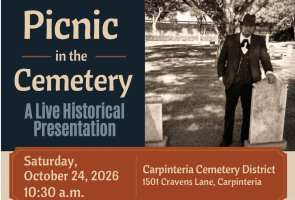
Picnic in the Cemetery: A Live Historical Event

Sat, Oct 24
11:00 AM
Goleta
2nd Annual Charger Cup to Benefit DP High Golfers
Sat, Oct 24
12:00 PM
Santa Barbara
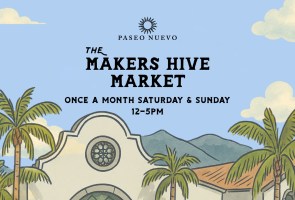
Makers Hive Market

Sat, Oct 24
2:00 PM
Santa Barbara
Japanese Sacred Architecture: Shinto and Buddhism
Fri, Oct 23 2:00 PM
Santa Barbara
Music & Meditation: Clarinetist Nancy Mathison & Pianist Antonio Artese
Thu, Oct 22 5:30 PM
Santa Barbara
Best Fest: A Celebration of the Best of Santa Barbara® Readers’ Poll 2026 – Rain or Shine
Thu, Oct 22 6:00 PM
Santa Barbara
Chaucer’s Books Author Talk & Signing- Daniel M. Jaffe “Russian Silhouette: A Memoir of Activism and Identity”
Fri, Oct 23 5:30 PM
Solvang
Solvang Haunted House and Street Fair
Fri, Oct 23 7:00 PM
Santa Barbara
Beth Amine’s 20th Anniversary Wildcat Dance Variety Show
Fri, Oct 23 7:00 PM
Santa Barbara
This & That Performs at Roy
Fri, Oct 23 9:00 PM
Santa Barbara
Casa de la Raza Fundraiser: Brasscals! with DJ Darla Bea
Sat, Oct 24 10:30 AM
Santa Barbara
Picnic in the Cemetery: A Live Historical Event
Sat, Oct 24 11:00 AM
Goleta
2nd Annual Charger Cup to Benefit DP High Golfers
Sat, Oct 24 12:00 PM
Santa Barbara
Makers Hive Market
Sat, Oct 24 2:00 PM
Santa Barbara

