
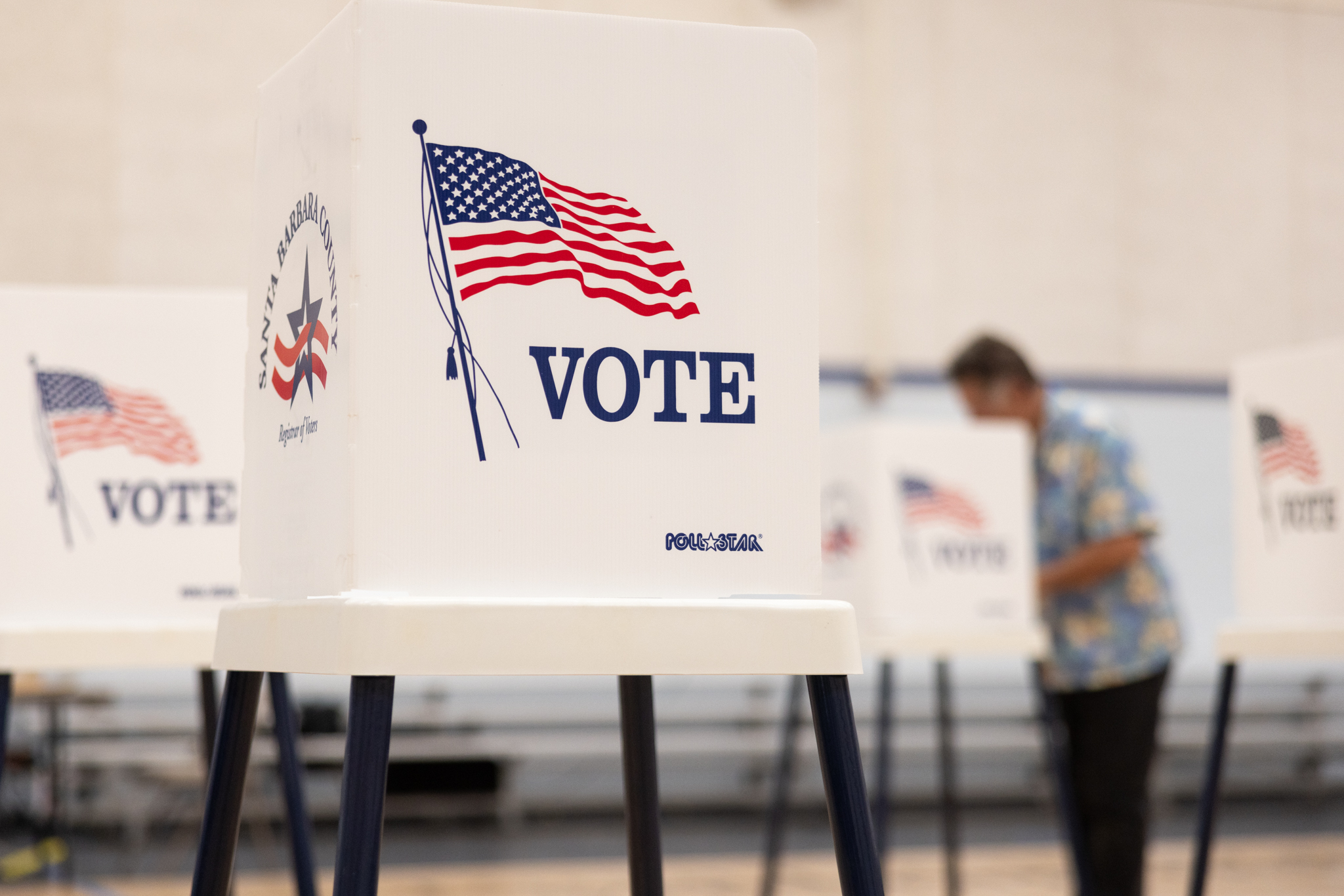
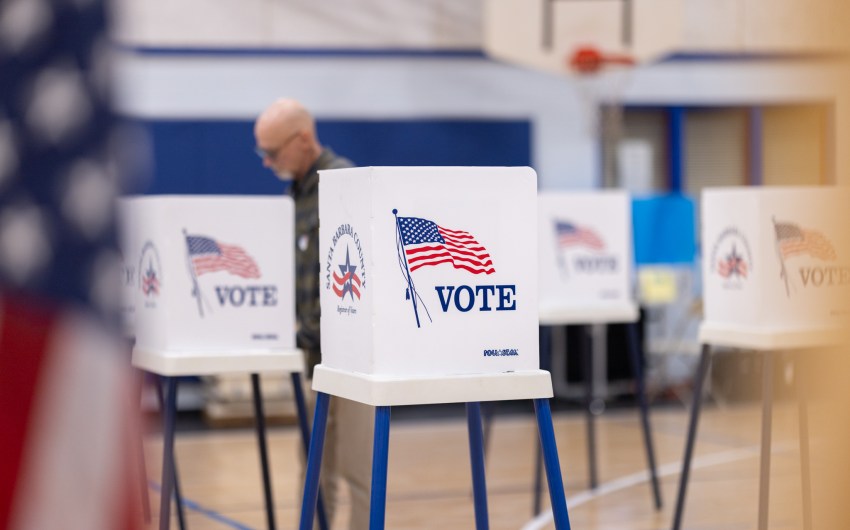
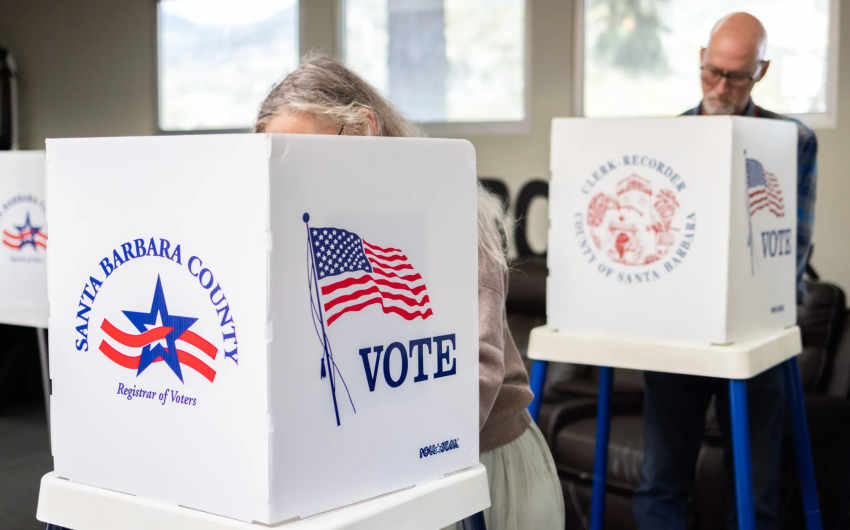
The off-year, off-brand redistricting election November 4 on Prop 50 could be one that returns a Democratic Party majority to the U.S. House of Representatives. In a battle that has pitted red states against blue states, on Tuesday, California voters will decide whether or not they want to swing as many as five congressional districts toward Democrats, and away from Republicans, during the 2026 mid-term elections. Should Prop 50 pass, the chances grow that a Democratic majority in the House will stand against President Donald Trump’s unilateral executive orders and the currently compliant Congress.
Governors of both parties in multiple states have taken their separate pathways to this unprecedented attempt to either retain or gain control of the House. In July, Texas Governor Greg Abbott received a phone call from the president looking for five more Republican votes in the House. After some hemming and hawing, Abbott agreed in August to draw new district lines in his state that would add five Republican-dominant congressional districts. Missouri redrew its maps to add one more Republican-majority district in September; North Carolina did the same last month.
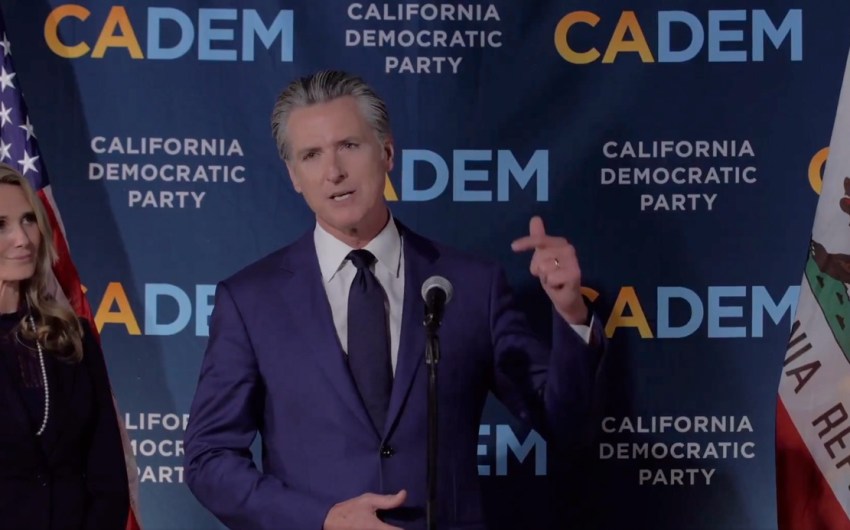
California took rapid steps to counter these moves, which will culminate in Tuesday’s election. Historically, the drawing of congressional districts in California has been by an independent group, not politicians, since the passage of the “Voters First” ballot initiative in 2008. Governor Gavin Newsom announced this August his plan to amend the state’s Constitution to redraw congressional districts temporarily, but that amendment requires a vote of the people. Hence, Tuesday’s Prop 50 ballot. (Drawing districts by an independent commission will return to California after the 2030 Census count.)
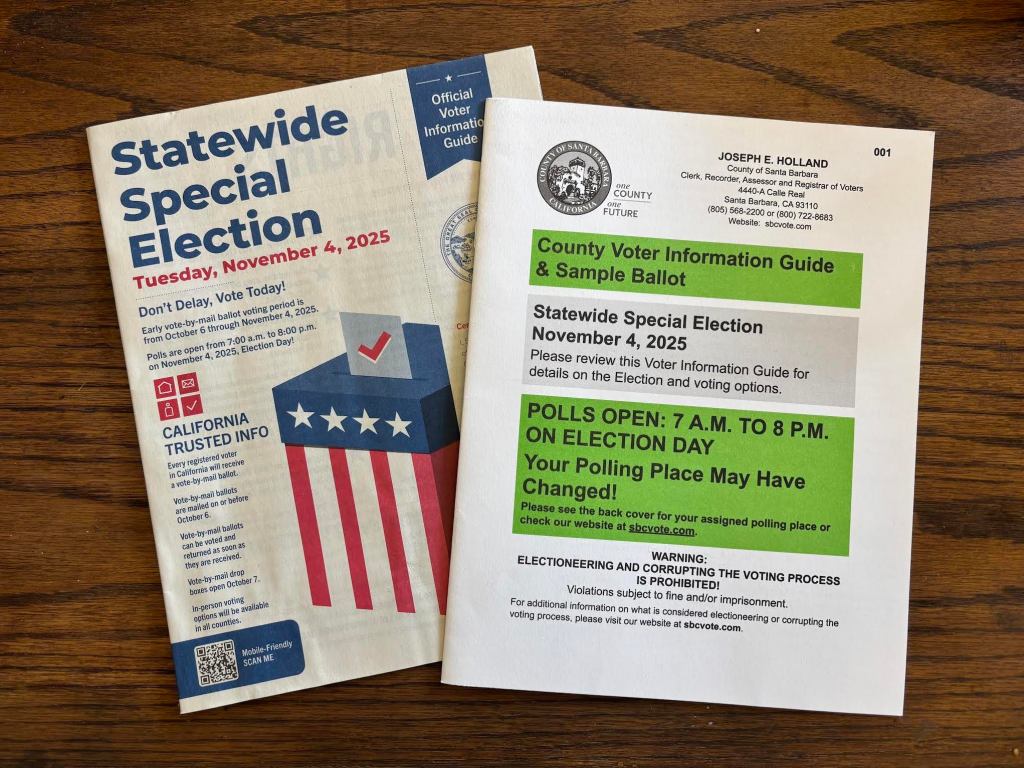
Strangely, in this struggle for power in DC, the road leads to Jeffrey Epstein.
The political balance in the House is split currently between 219 Republican and 213 Democratic members; three seats are vacant. With a six-vote margin, Republicans can afford to lose only three of their members to a vote with Democrats. The consequences have led to Speaker Mike Johnson ignoring calls by Democrats to swear in Adelita Grijalva, a Democrat from Arizona who won her House seat in September. Grijalva’s vote would tip the balance of a petition, signed by four Republicans and all 213 Democrats, to have the Epstein documents released by the Department of Justice.
The bill, called a special “discharge petition,” is sponsored by Kentucky Republican Tom Massie and requires 218 votes to pass, media reports have stated. Needless to say, such a bill would never clear the Senate, much less be signed by the president, who has flipped and flopped on his ties to the man indicted for the sex trafficking of minors. Epstein’s case was closed after he committed suicide in jail in 2019.
Among the 100 percent of House Democrats who voted for the bill was, of course, Santa Barbara’s Salud Carbajal. “I joined the bipartisan discharge petition because the American people deserve to know the truth about the Epstein files,” he said. “Releasing those documents is essential to ensuring justice for the victims and accountability for Epstein’s associates.”
Other, more universal issues await action on the Hill, health insurance and food-stamp benefits among them, not to mention the government shutdown which has affected paychecks to millions of federal employees and all the places they work, including Congress.
Should Prop 50 pass, a Democratic majority in the House is not assured. California’s representatives, while historically a Dem-heavy delegation, will all stand for election in 2026. It’ll be up to voters then to decide who actually gets to represent them.






You must be logged in to post a comment.