State officials are not giving up on creating public access for the hard-to-reach beaches at Hollister Ranch. The decades-old plan is entering a new phase as state agencies complete an environmental review and collect public input.
It’s still too early to predict when someone may actually be able to step foot on one of the six elusive beaches along the Gaviota Coast, some of the most remote and restricted coastal areas in the state. However, the Hollister Ranch Public Access Program’s (HRPAP) planning update, released in September, is another small step forward to making beach access a reality.
Public input sessions held this month will create the guiding light of public priorities for accessing the beach — i.e., identifying preferred methods, such as trails, shuttle access, bike access, or limited vehicle entry — as the HRPAP progresses.
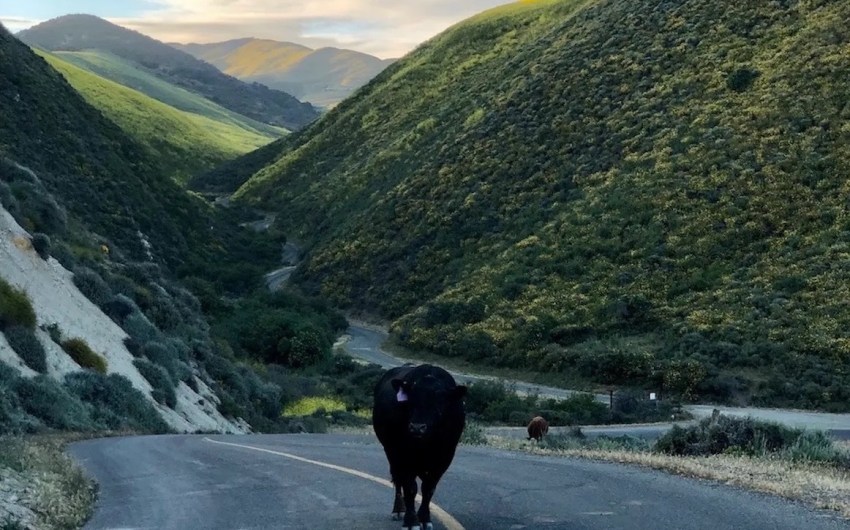
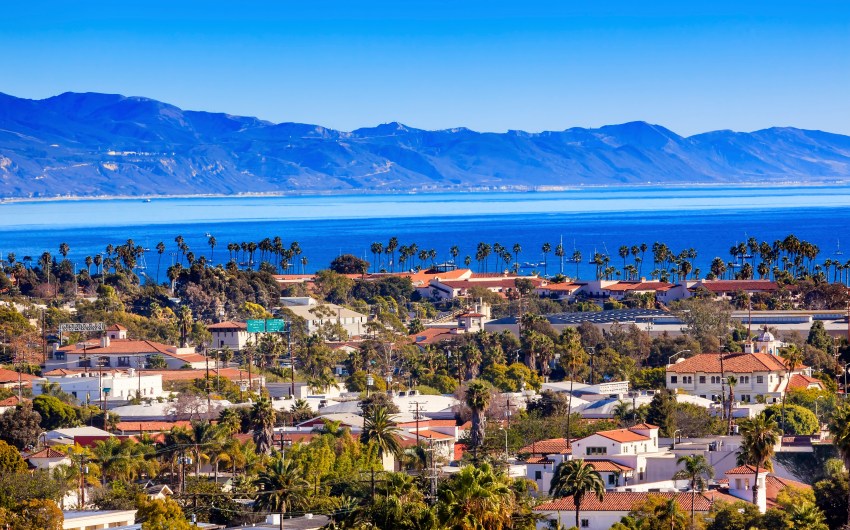
The Hollister Ranch is a 14,500-acre private, gated community, but it also includes 8.5 miles of publicly owned shoreline. Despite being publicly owned, there is no land-based coastal access for the public. Less than two miles of shoreline on the 60-mile stretch of the Gaviota Coast is publicly accessible. It’s been the center of disputes over private property, land rights, environmental concerns, and state regulations for years, following the Coastal Commission’s establishment of the HRPAP in the 1980s to comply with the Coastal Act.
In 2019, Senator Monique Limón authored Assembly Bill 1680 to require the Coastal Commission and State Coastal Conservancy to create a public access plan for Hollister Ranch’s beaches by April 2022. But that date came and went, continuing a prolonged process of negotiation and discussion involving workshops, public outreach, and legal battles.
Now, the public is invited to attend any of three workshops in November to provide input and perspectives as the state considers different opportunities to open up the beaches and prepares an Environmental Impact Report (EIR). It’s a joint effort between the California Coastal Commission, Coastal Conservancy, State Lands Commission, and State Parks.
“Our goal, of course, is that we want as many people to attend as possible — we want to hear what they have to say,” said Linda Locklin, the California Coastal Commission’s coastal access program manager.
Over the past year, state agencies have been looking at different opportunities for people to “get out there,” she said, and identifying potential environmental issues, including analyzing geological, cultural, and archaeological resources.
“And how much would it cost? We don’t have the dollar signs yet, but in general, how much does it cost to build a multi-use trail from the entrance of Hollister Ranch to halfway through the ranch, versus how much time would it take to develop a program where people could drive their own cars into the ranch. We’re trying to look at feasibility at the same time so we can help people choose opportunities that make sense.”
After a year or so of surveying, she added, “we now know a lot more about the property, and we can discuss options for bringing the public in with a lot more knowledge.”
In-person workshops are scheduled for 5-8 p.m. on Wednesday, November 12, at Oak Valley Elementary School in Buellton and on Thursday, November 13, at the Goleta Valley Community Center. Spanish translation will be provided at all workshops.
A virtual session will be held from 6-7:30 p.m. on November 17, via Zoom.