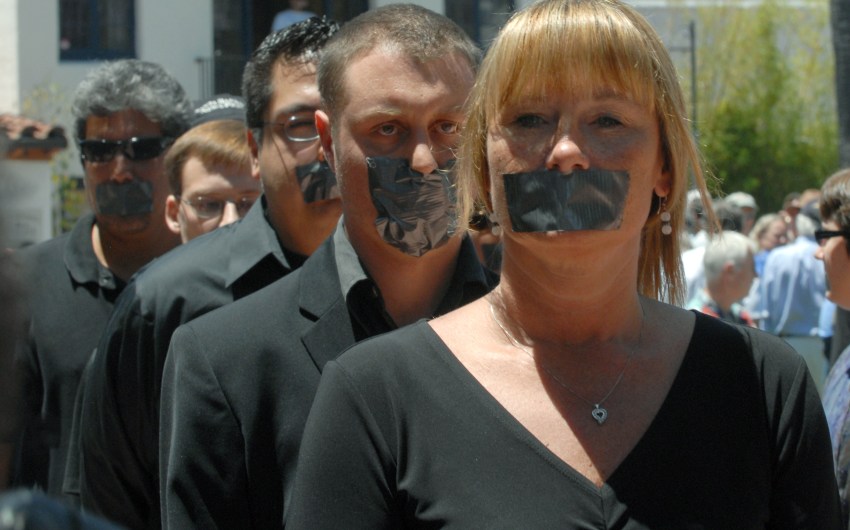
Attacks on professional journalists were aggressive in recent weeks. The FBI raided Washington Post government reporter Hannah Natanson’s personal home, seizing her phone, watch, and computers — without charging her with any crime. And CNN’s Don Lemon was arrested while covering an anti-ICE protest.
The irony, though? Citizen journalists were busy exposing the bigger story: the killing of two U.S. citizens by our own immigration officers.
Millions globally have now seen and heard video — caught on bystander phones, from multiple angles — of Renee Good and Alex Pretti being fatally shot by ICE agents. The BBC and New York Times both used the collective footage to piece together detailed analyses of both incidents.
My friends in tech say it won’t be long ’til AI can create equally compelling flurries of fake viewpoints depicting … well, whatever we ask it to. In fact, it’s already possible in the right hands — or, I’d argue, the wrong ones.
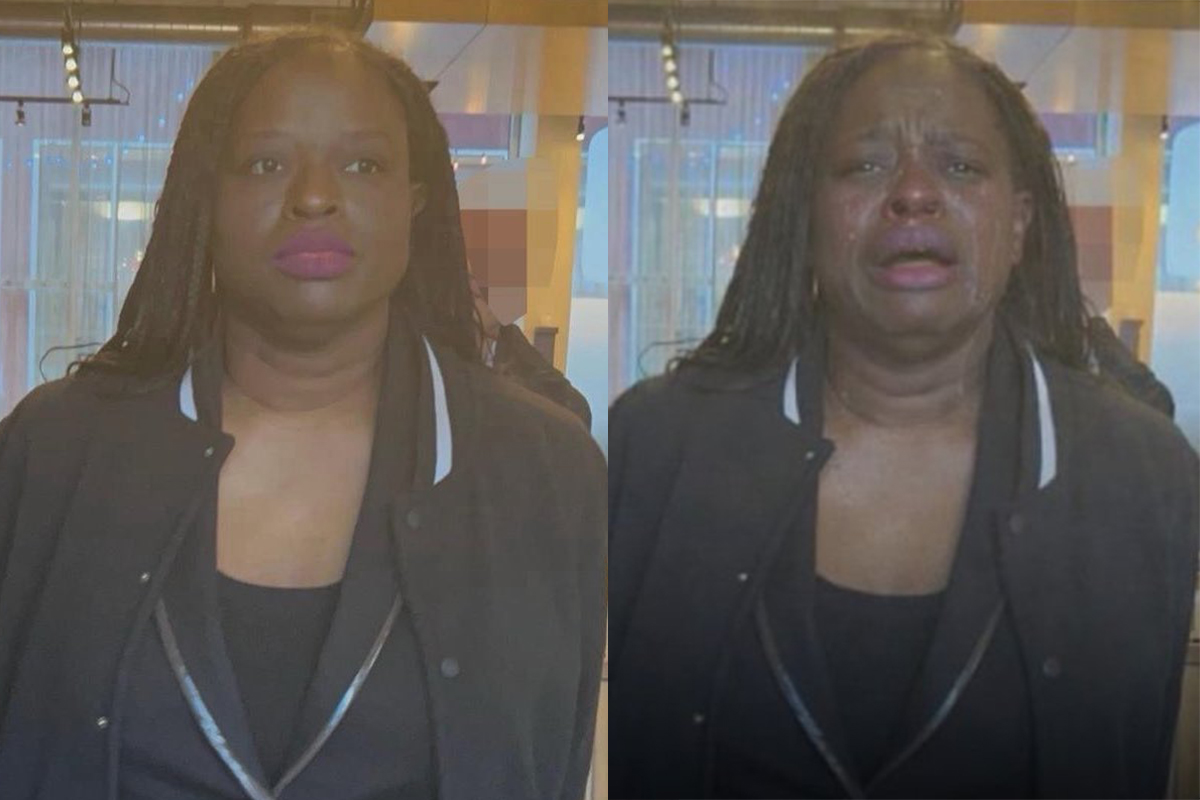
We don’t know whose hands used AI to change the narrative of a third Minneapolis incident — but we know Trump’s team proudly published it. After civil rights attorney Nekima Levy Armstrong was arrested for disrupting a church service as part of an anti-ICE protest, the official White House X/Twitter account released an image of her that had been digitally manipulated.
In the post from 10:54 a.m. EST on January 22, Armstrong is grimacing with tears streaming down her face as she’s being led away in cuffs. No shame, of course — emotions were high in the Twin Cities and you may have shed a tear yourself watching the violent accounts of ICE versus protesters. I certainly did.
But here’s the thing: Armstrong did not.
In fact, her expression in the original image — posted at 10:21 a.m. EST the same day by Homeland Security Secretary Kristi Noem — is almost placid. It’s the poker face of someone who’s been to previous such rodeos.
News orgs checked the weeping version with an AI detection tool and confirmed it had been altered. As online chatter exploded over the disparate images, White House deputy comms director Kaelan Dorr tried to pass it off as a “meme.”
Now look, friends. Memes can be a fun and effective way to make a point. And this administration has shared lots of ’em — from an AI-generated image of House Minority Leader Hakeem Jeffries (D, NY) in a sombrero to a fake video of Trump flying over No Kings protesters and dropping liquid poo from his plane. Cuz he’s clever like that.
As consumers, we’re used to advertisers and influencers distorting reality: Photoshop tweaks, camera filters, video edits. And political propaganda is nothing new; our electeds have always worked hard to persuade us they’re doing the right things to the right people for the right reasons.
But why this image? Armstrong was arrested, no question. She was handcuffed and led away from the protest by a dude with a badge. So … what was the image of her weeping supposed to make us think — or feel? And why the actual eff do you suppose her skin was darkened in the AI version?
And importantly: Does calling this a meme make any of it okay with you? What if it’s coming from Gavin Newsom, and it’s merely fighting fire with liar?
I don’t like my government publishing trickery any more than I like it executing protesters or trying to intimidate the press. That’s me — but I don’t get to tell you what to feel.
What I get to tell you is this: If seeing is no longer believing, you’d better know who to trust — and why. And we’ll talk about that in the next column …