
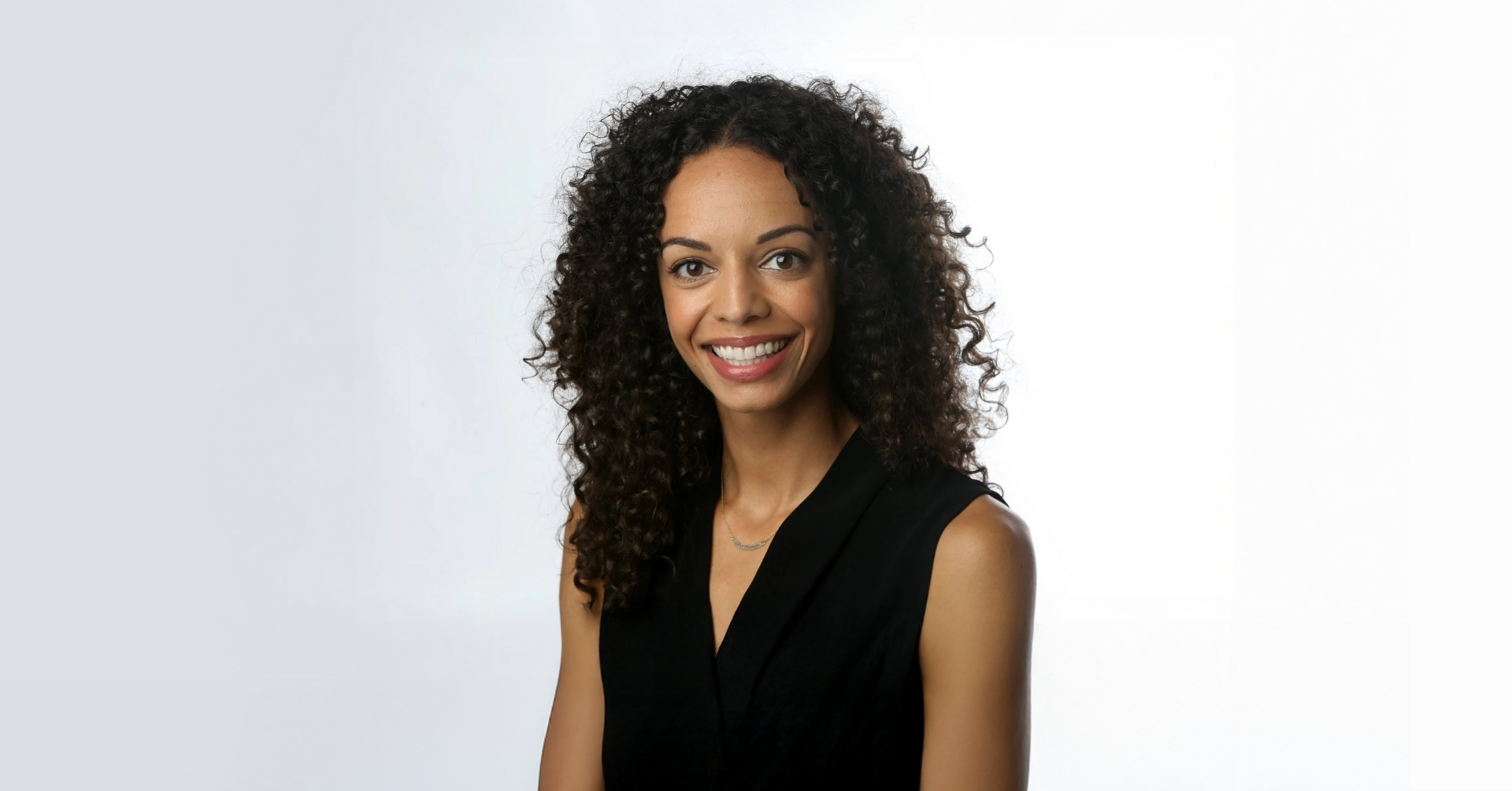
For the past decade, investigative journalist and 2023 Pulitzer Prize winner Caitlin Dickerson has churned out some of the hardest-hitting reporting on immigrants, family separation, and the real-world impacts of U.S. immigration policy. Her highly recognized work has helped illuminate the consequences of deportation and highlight the importance of uncompromising reporting in an era rife with misinformation.
On March 5, Dickerson will join UCSB’s Arts & Lectures for a keynote speech at Campbell Hall, where she will speak about the current impacts of the Trump administration’s deportation agenda, and share firsthand experiences from reporting her Pulitzer Prize–winning Atlantic cover story, “We Need to Take Away Children,” and her retelling of a perilous journey crossing the Darién Gap, “Seventy Miles in Hell.”
Dickerson spoke with the Independent about her upcoming presentation, which she said she hopes will help people understand the implications of immigration policy both within and outside the U.S. She said that journalists can play a major role in ensuring the public knows what is happening on the ground, especially as the press is under increasing scrutiny from government officials.
“I think Trump has spent many years trying to tarnish the reputation of the press and draw our work into question, and I think the administration’s blatant disregard for the truth makes for a challenging reporting environment,” Dickerson said. “But the thing about journalism is it’s always about the fundamentals. Show up. Ask the right questions. Scrutinize. And when you think you’re done, check it again.”
Today’s turbocharged political climate, and the seemingly endless flood of actions at the federal level, makes the work of journalists even more essential to keeping the public informed about what’s real and what’s not, she says.
“There’s a lot happening at once, and in moments like this, people turn to journalists to tell them the truth,” Dickerson said. “Even more so when the administration is being untruthful.”
Dickerson’s work during the first Trump presidency uncovered the policies designed to separate families, not as a side effect but with the end goal of discouraging immigration. Her work also paints a picture of a government whose explanations for their policies were, as Dickerson wrote, “deeply confusing,” and on many occasions, “patently untrue.”
She finds many parallels between the second Trump presidency and his first term, though Dickerson says this administration has proved willing to pursue even more aggressive immigration strategies — even those that are known to be controversial or illegal. This change in what’s palatable for the public has led to a shift from enforcement at the border to more aggressive ICE enforcement operations on American streets.
But her coverage of crossing the Darién Gap alongside hundreds of immigrants did wonders to show the wider impacts of U.S. immigration policy in other countries. She said it was “eye-opening” to see the danger that people were willing to put themselves through to escape violent areas that, in many ways, were so volatile directly due to U.S. foreign policy. “I could see firsthand all the problems culminating in one place,” she said.
Despite the heavy reporting she has done, Dickerson maintains a bit of optimism about the ability of people to see past the Trump administration’s blatant targeting of immigrants as public enemy number one. Trump and advisers such as Stephen Miller were able to pull the “old populist trick” of blaming immigrants, Dickerson said, but as the aggressive tactics lose public support in places such as Minnesota, it leaves the administration more susceptible to changing up their strategies.
“If [Minneapolis] was a test, that test obviously failed,” Dickerson said. “The administration is by no means done, but they had to scale back for now.”
Dickerson says she is encouraged to keep reporting on immigration to continue to show how people are affected by policies from the top. “I feel like the harder the work gets the more energy I have,” she said. “In a way that work gives me energy because I know it’s important.”
Dickerson’s lecture Deported: The Price of Our Prosperity will begin at 7:30 p.m. at UCSB’s Campbell Hall on Thursday, March 5. Tickets are $20 for general admission and free for current UCSB students. For more information or to purchase tickets, visit the UCSB Arts & Lectures website.
Related Posts


Premier Events

Sat, Oct 03
9:00 AM
Santa Barbara
Fall Plant Sale and Master Gardener Workshop

Sat, Oct 03
7:00 PM
Santa Barbara
Clean Comedy at Carrillo Recreation Center
Sat, Nov 14
7:00 PM
Santa Barbara
Clean Comedy at Carrillo Recreation Center
Sat, Dec 05
7:00 PM
Santa Barbara
Clean Comedy at Carrillo Recreation Center
Thu, Oct 01
11:00 AM
Santa Barbara
In Studio: Julie Anderson Mathias

Thu, Oct 01
7:30 PM
Santa Barbara
Robert Plant with Saving Grace and Suzi Dian

Fri, Oct 02
5:30 PM
Santa Barbara
Pet Blessing at Trinity Episcopal Church
Fri, Oct 02
8:00 PM
Santa Ynez
Comedian Ron White Performs at Chumash Casino Resort

Sat, Oct 03
9:00 AM
Goleta
Out of the Darkness Suicide Awareness Walk

Sat, Oct 03
10:00 AM
Santa Ynez
Chumash Intertribal Powwow Returns

Sat, Oct 03
10:00 AM
54th Santa Barbara Old -Time Fiddlers’ Festival

Sat, Oct 03
11:00 AM
Santa Barbara
OktoBEERfest at Dutch Garden Restaurant!

Sat, Oct 03
12:00 PM
Santa Barbara
Reclaim Your Radiance Fall 2026 Healing Arts Faire
Sat, Oct 03
12:00 PM
Santa Barbara
CWC Docs: “SURFILMUSIC” (2026)
Sat, Oct 03 9:00 AM
Santa Barbara
Fall Plant Sale and Master Gardener Workshop
Sat, Oct 03 7:00 PM
Santa Barbara
Clean Comedy at Carrillo Recreation Center
Sat, Nov 14 7:00 PM
Santa Barbara
Clean Comedy at Carrillo Recreation Center
Sat, Dec 05 7:00 PM
Santa Barbara
Clean Comedy at Carrillo Recreation Center
Thu, Oct 01 11:00 AM
Santa Barbara
In Studio: Julie Anderson Mathias
Thu, Oct 01 7:30 PM
Santa Barbara
Robert Plant with Saving Grace and Suzi Dian
Fri, Oct 02 5:30 PM
Santa Barbara
Pet Blessing at Trinity Episcopal Church
Fri, Oct 02 8:00 PM
Santa Ynez
Comedian Ron White Performs at Chumash Casino Resort
Sat, Oct 03 9:00 AM
Goleta
Out of the Darkness Suicide Awareness Walk
Sat, Oct 03 10:00 AM
Santa Ynez
Chumash Intertribal Powwow Returns
Sat, Oct 03 10:00 AM
54th Santa Barbara Old -Time Fiddlers’ Festival
Sat, Oct 03 11:00 AM
Santa Barbara
OktoBEERfest at Dutch Garden Restaurant!
Sat, Oct 03 12:00 PM
Santa Barbara
Reclaim Your Radiance Fall 2026 Healing Arts Faire
Sat, Oct 03 12:00 PM
Santa Barbara

