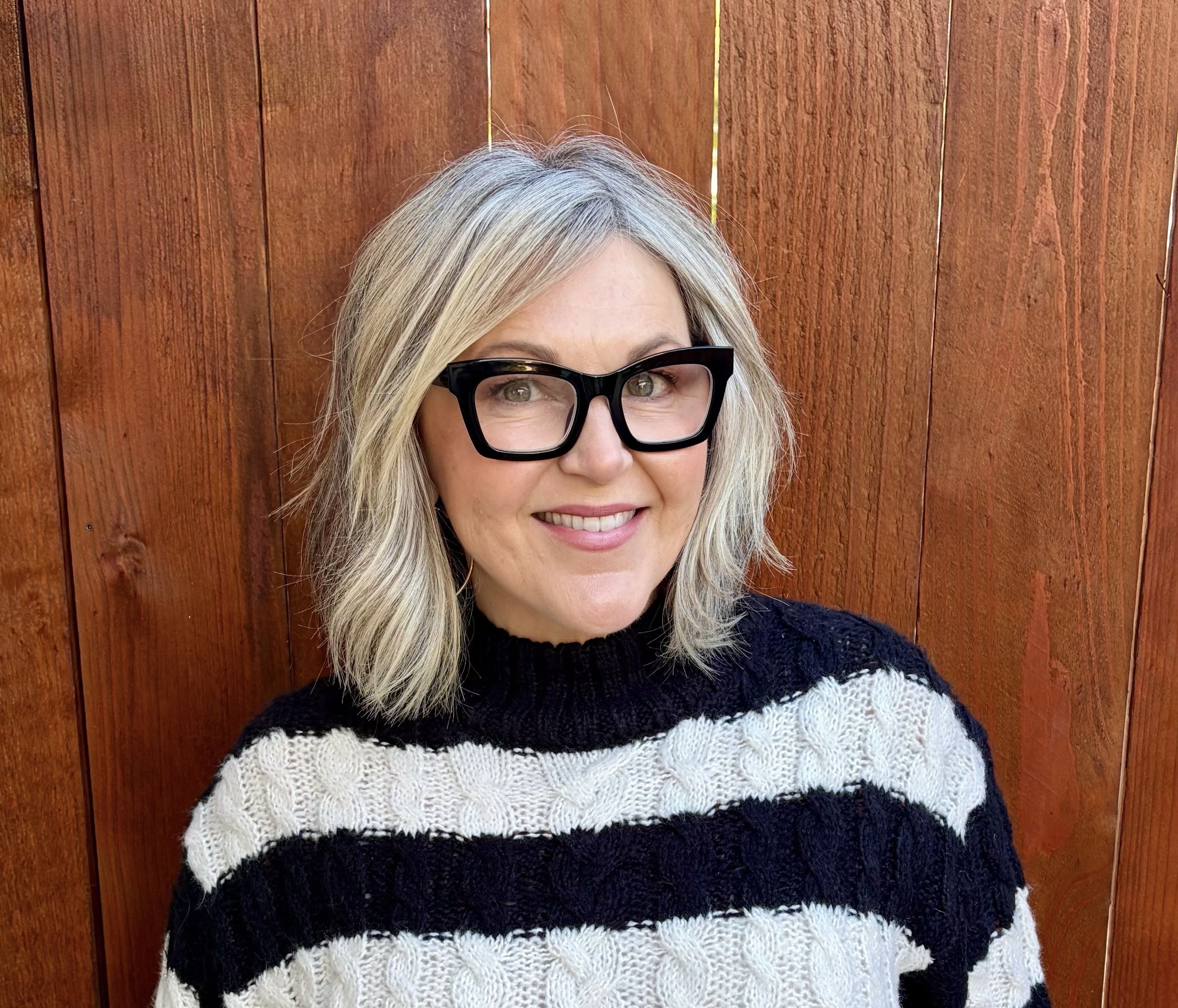
Tania Israel is about to blow your mind.
At least, she blew mine during a recent chat about the fractured fricking ideology of our over-angered, underinformed nation.
Tania’s a friend; we share a love of Taco Tuesdays and ’80s new wave music. She’s also a retired UCSB psychology professor who’s often quoted in national media for her work on navigating political division.
But this week — without even a two-for-one taco or moody keyboard solo to soften the blow — she roughed up my whole worldview.
Misinformation, she said, isn’t as big a deal as we think it is.
Uhhh … beg your wildest pardon?? I spend an objectively unhealthy amount of time reading, writing and ranting about how our collective inability to distinguish fact from fiction is killing our democracy. And not slowly.
“Misinformation and disinformation are out there and can be harmful,” Tania conceded. “But they’re not nearly as present as we think they are.”
The bigger problem? Media bias.
You know how your understanding of, say, the U.S. war on Iran can be so wildly different from that of your neighbor … and his understanding can be so different still from your Aunt Ivy’s? Tania says that’s less about lies and fallacies — and more about the unapologetic slant of your news.
Well, that blows, obviously. As someone whose last column promised that journalists are among the most reliable information sources, I hate that news outlets can be further dividing the very public they’re trying to inform. But I can’t deny it.
Real talk: The vast majority of reporters work hard to be objective; I’ve seen this firsthand and believe it without question. As Tania said, though, “Journalists don’t put out bullet-pointed lists of facts, right?”
The real problem begins when we consumers decry the bias in other people’s media … without recognizing the bias inherent in our own.
Starshine Roshell
They weave those facts into stories. And with the language they use, the focus they choose, and even the narrative structure itself, those stories are automatically imbued with a not-perfectly neutral point of view.
“You can be looking at news that’s absolutely 100 percent accurate, but that doesn’t mean it’s not biased,” Tania told me.“I listen to NPR every day and I think NPR is absolutely accurate — and I think they’re biased. The Washington Post, The New York Times … There’s bias embedded in all of it.”
The real problem begins when we consumers decry the bias in other people’s media … without recognizing the bias inherent in our own.
“We think they are exposed to bias, but our stuff is accurate,” Tania said, chuckling. “Both sides believe this!”
The phenomenon is called naïve realism, and it involves some psychology math: “We think we’re objective and people who disagree with us are biased. But we ALL think that — and we can’t ALL possibly be right! And, in fact, we’re all wrong. Because we’re all biased.”
Wrong, biased, and naïve — but not hopeless! Tania recommends checking out AllSides.com to see how a particular issue is being covered by different media. “Take a look at what the story is trying to tell you,” she says. “Then take a step back and ask, ‘What am I missing? What am I not being exposed to?’”
I’m a big fan of the AdFontes Media Bias Chart, which ranks news outlets on a grid of both bias and reliability. And I’ve recently subscribed to Ground News, which shows how a story is being covered by outlets that lean left, right, and center — so you can recognize blind spots.
You’ve heard it before and for good reason: We all need to broaden our media bubbles. Just as doctors implore us to eat a wide variety of foods for good health, we’ve got to reach beyond easy and familiar channels to sample new voices and perspectives now and again. Because whether it’s news or nutrients, we all benefit from a diverse diet.
Taco Tuesdays excluded.