
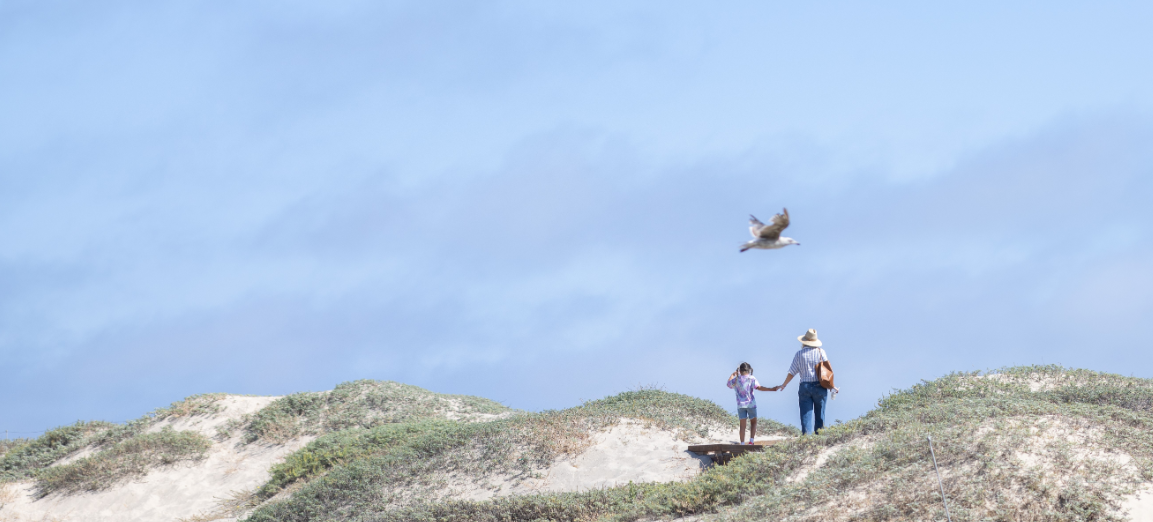
Like many cities along the coast, Carpinteria is seeking to maintain its shoreline amid threats of sea-level rise. To do this, the city is looking to nature-based solutions, or a “Living Shoreline” composed of native vegetation and natural beach materials.
This Saturday, April 25, the city is holding a community workshop to talk about the science behind the project, garner community feedback, and give the public an opportunity to speak directly with city staff and scientists about changing shoreline conditions. It will be held from 2 to 4 p.m. at the Carpinteria Veterans Memorial Building (941 Walnut Ave.).
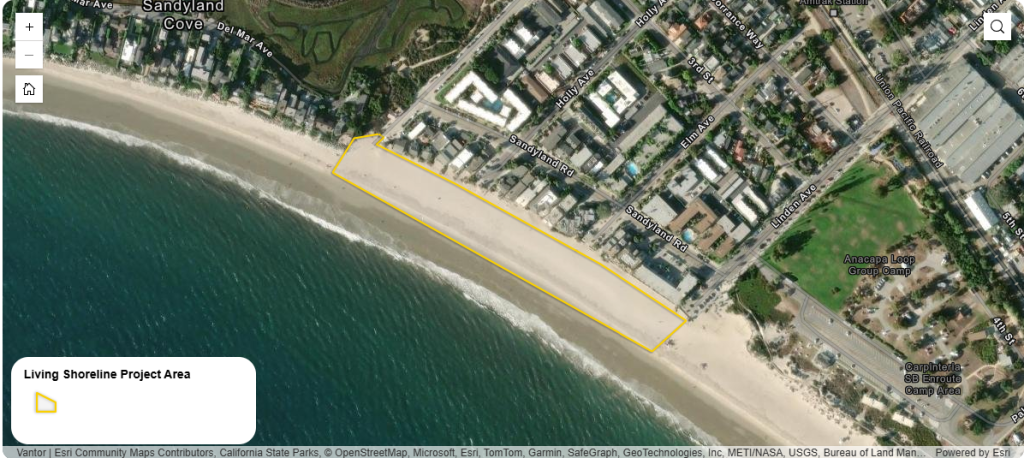
The city will be using natural defenses to restore portions of the historic dune system along Carpinteria City Beach, “creating a resilient and natural buffer between the ocean and nearby public areas,” according to the project website. Proposed solutions include dune restoration and beach nourishment — avoiding reliance on hard barriers such as concrete sea walls and dams, which have the potential to decrease biodiversity and marine habitat, and may actually increase seaward erosion, according to the National Oceanic and Atmospheric Association.
The Living Shoreline Project will evaluate which approaches — from “green,” natural approaches, to “gray,” infrastructure improvements, to hybrid approaches — are most appropriate for local wave conditions, sediment dynamics, and public access needs. One example is to create a cobble and vegetative dune system along the beach to serve as the first line of defense during a large storm event.
It’s how the city plans to adapt to rising sea levels. According to the city’s 2019 Sea-Level Rise Vulnerability Assessment and Adaptation Plan, Carpinteria could see sea levels rise two to 10 feet by 2100 (10 feet being the extreme worst-case scenario).
Flooding during storms and high tides present a great risk to the city, including increased shoreline erosion, weakened infrastructure, altered wetlands, and saltwater infiltrating groundwater supplies.
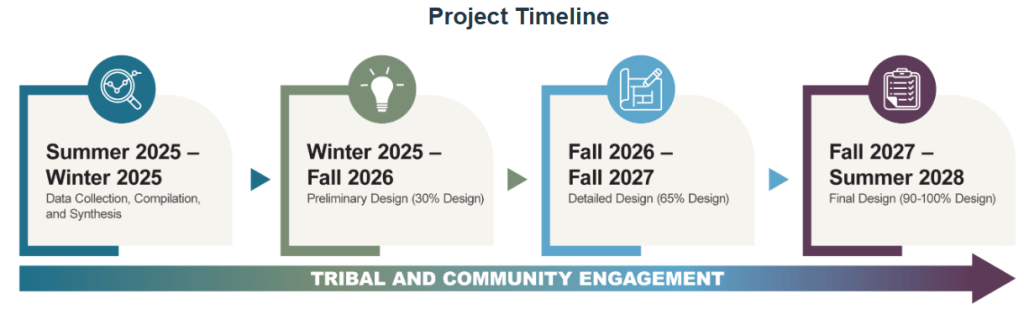
Currently, the city relies on temporary strategies to defend against erosion and coastal flooding, including seasonally constructed mounds of sand during winter months — but they are only temporary and require frequent maintenance. A living shoreline, on the other hand, is considered as a longer-term approach that could increase the lifespan of the beach via vegetated dunes, sand retention structures, and a widened shore.
In 2022, Carpinteria released its Dune and Shoreline Management Plan (DSMP), a road map for nature-based solutions to protect the shoreline and inward structures from sea-level rise and other coastal hazards. The DSMP first identified a conceptual living shorelines project, which the city is now pursuing. In 2024, the City of Carpinteria secured a $1.62 million grant from the California State Coastal Conservancy to fund the Living Shoreline Project.
To RSVP for the community workshop, visit carpinterialivingshoreline.com.
Related Posts


Premier Events
Fri, Sep 11
2:00 PM
Santa Barbara
Music & Meditation SB with Robert DeMaine, cello
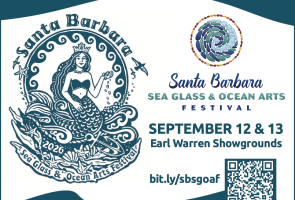
Sat, Sep 12
9:00 AM
Santa Barbara
Santa Barbara Sea Glass & Ocean Arts Festival
Sun, Sep 13
9:00 AM
Santa Barbara
Santa Barbara Sea Glass & Ocean Arts Festival

Fri, Sep 11
5:00 PM
Santa Barbara
Romeo & Juliet at Elings Park

Fri, Sep 11
7:30 PM
Santa Barbara
Planned Parenthood CCC After-Hours Event!

Fri, Sep 11
7:30 PM
Santa Barbara
Selah Dance Collective: “Beethoven’s Tango” and “The Stranger”
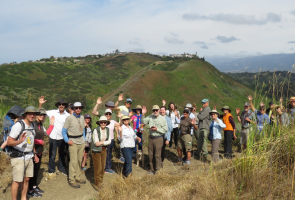
Sat, Sep 12
9:00 AM
Santa Barbara
Community Walk with ‘Latino Outdoors’

Sat, Sep 12
10:00 AM
Santa Barbara
Planned Parenthood’s 52nd Annual Mary Jane McCord Book Sale
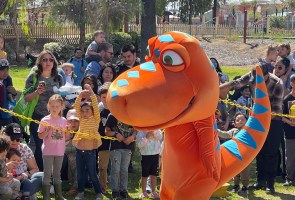
Sun, Sep 13
10:30 AM
Santa Barbara
Meet PBS Kids Character Buddy the Dinosaur

Sun, Sep 13
1:00 PM
Santa Barbara
SB Jazz Society: Jazz du Jour with Sandy Cummings at SOhO

Sun, Sep 13
4:00 PM
Santa Barbara
PPCCC YA (Planned Parenthood Young Advocates) Community Reading
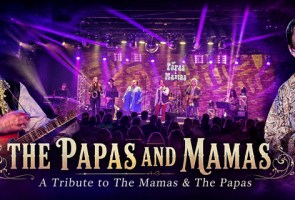
Sun, Sep 13
6:00 PM
Santa Barbara
The Papas and Mamas – A MAMAS & PAPAS Experience
Mon, Sep 14
6:30 PM
Santa Barbara
Science Pub: Fire – History, Science and Practice
Fri, Sep 11 2:00 PM
Santa Barbara
Music & Meditation SB with Robert DeMaine, cello
Sat, Sep 12 9:00 AM
Santa Barbara
Santa Barbara Sea Glass & Ocean Arts Festival
Sun, Sep 13 9:00 AM
Santa Barbara
Santa Barbara Sea Glass & Ocean Arts Festival
Fri, Sep 11 5:00 PM
Santa Barbara
Romeo & Juliet at Elings Park
Fri, Sep 11 7:30 PM
Santa Barbara
Planned Parenthood CCC After-Hours Event!
Fri, Sep 11 7:30 PM
Santa Barbara
Selah Dance Collective: “Beethoven’s Tango” and “The Stranger”
Sat, Sep 12 9:00 AM
Santa Barbara
Community Walk with ‘Latino Outdoors’
Sat, Sep 12 10:00 AM
Santa Barbara
Planned Parenthood’s 52nd Annual Mary Jane McCord Book Sale
Sun, Sep 13 10:30 AM
Santa Barbara
Meet PBS Kids Character Buddy the Dinosaur
Sun, Sep 13 1:00 PM
Santa Barbara
SB Jazz Society: Jazz du Jour with Sandy Cummings at SOhO
Sun, Sep 13 4:00 PM
Santa Barbara
PPCCC YA (Planned Parenthood Young Advocates) Community Reading
Sun, Sep 13 6:00 PM
Santa Barbara
The Papas and Mamas – A MAMAS & PAPAS Experience
Mon, Sep 14 6:30 PM
Santa Barbara


You must be logged in to post a comment.