

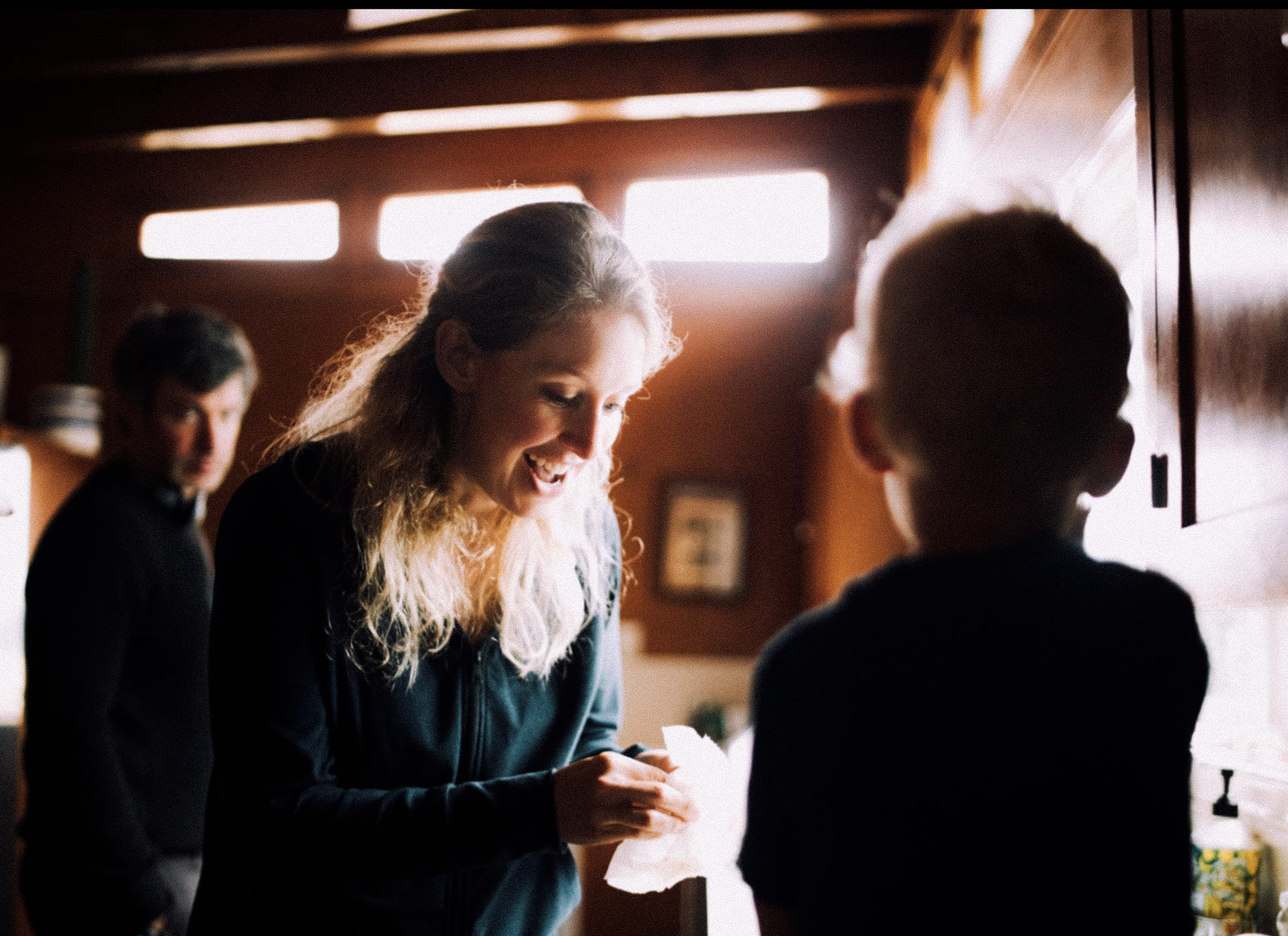
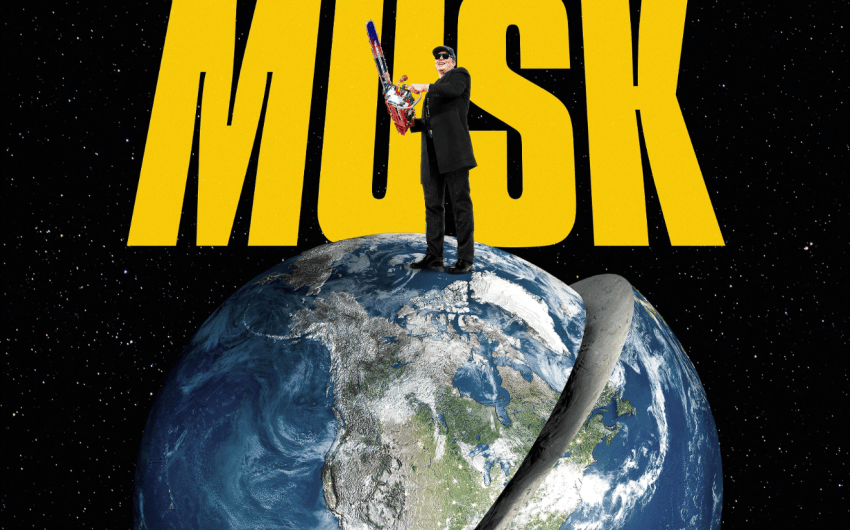
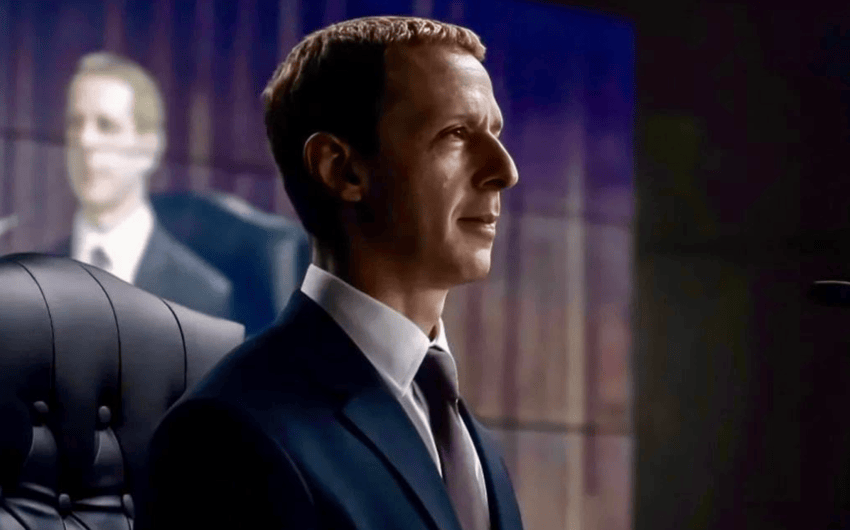
In these stranger-than-fiction times, it is perhaps fitting that a recent spate of films are taking on aspects of the current silly putty of socio-political-cyber realities. Movie theaters are becoming powerful mirrors — make that funhouse mirrors — of the perilous follies of modern life on our planet. To this list, so far including The Social Reckoning, Primetime, and Musk, we can add the remarkable and mold-busting documentary You Can See Everything, which gets up close and personal with Elizabeth “Theranos” Holmes.
Or does it? Therein lies a driving question wrestled by filmmakers Nathan Fielder and Lance Oppenheim (also director of Primetime).
What is surprising and thrilling about You Can See Everything is that crowds are packing into actual movie theaters to see it, as they did at our Sunday evening screening at Camino Real multiplex. Surprisingly, a documentary — albeit more than just a standard brand documentary — has become one of the film events of the year.
The interest undoubtedly has much to do with the titillating nature of the subject, along with the unusual circumstances of the filming and its artistic treatment. But the phenom also chalks up a big win for the specialty brand of “alt-doc” culture, which certainly also includes the hip and delectably strange new film The History of Concrete.
Everything does not concern itself with providing much in the way of backstory, setting up the dramatic reality before us. It assumes that the exhaustive coverage of the case as it unfolded is common knowledge, at least among the bulk of viewers who would immediately be attracted to the new film. But in this day of withered attention spans and fickle new cycles, that assumption may be only partially valid.
For a good homeworking two-hour crash course in Holmes’ stories case, proceed to Alex Gibney’s thorough and entertaining 2019 documentary The Inventor: Out for Blood in Silicon Valley. (Gibney is currently in the news in the movie world buzz with another eye-opening and openly “alternative” doc, Musk.)
The summary story thus far … Holmes used her persuasive powers to raise beaucoup funding for her “Theranos” supposedly revolutionary biomedical blood testing project, which proved to be a malfunctioning product and ostensibly a Silicon Valley-fueled fraud. She was drawn into civil and criminal crosshairs for her misdeeds, sentenced to years in prison and levied with essentially unpayable restitution to bilked investors.
In the period before her prison stint in Texas, she agreed to be part of a doc project set up through the respected — and sometimes edgy — A24 production company, with the goal of clearing the air and her good name and intentions. Something else resulted — not a damning portrait, but a complex mega-meta-doc beyond the compelling “star” of the show.
Fielder, whose resume includes comic twists and his satirical Comedy Central show Nathan for You, teamed up with Oppenheim and crew, setting up their cameras in the Del Mar, California beach house of Holmes, her children, and entrepreneurial husband Billy Evans (who looks more and more dubious as the doc progresses). Viola, a new kind of cinéma vérité adventure is underway, with probing cameras and microphones (sometimes capturing presumably private convos). We even get a gratuitous shower shot of Billy’s package, as “proof of doc concept,” ticket-selling gimmick, or both.
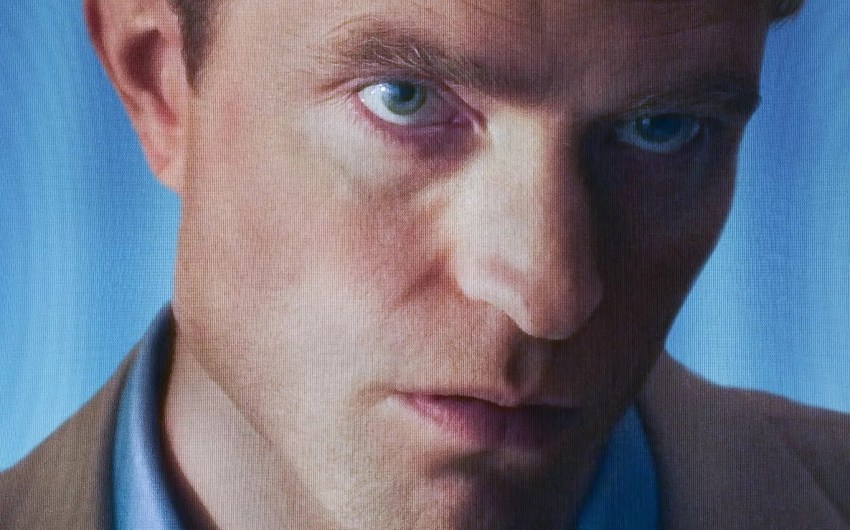
A central and narrative driving question hovering over the film has to do with whether Holmes is as sincere and guiltless as she professes or if she is, as Fielder suggests deep in the film, “the greatest manipulator” in history. We grapple with the same question for three hours, as we and the camera look onto the lingering close-ups of Holmes’s big, pleading, doe-like eyes and occasional bouts of tears. Then again, she admits that she has only recently learned how to cry, and do so in front of people.
Lingering gazes, seen in weirdly long takes, becomes an operative behavioral tic of the film. This is true not only with Holmes’s yearning face, but also Fielder’s. Tellingly, his facial expressions seem to shift from the wary and periodically pesky interviewer/interrogator to waves of sympathy and even possible romantic intrigue. There we have it: another question lurking within this film. Is the quarry falling in love with the prey, making him more resistant to going in for the kill? No easy answer is supplied.
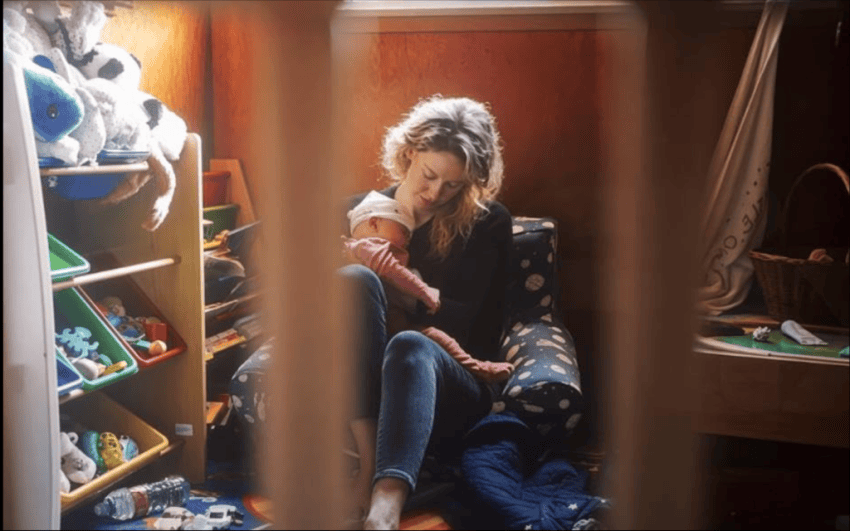
Although the film abides by general protocol of documentaries, if with an unusual and irony-seeking creative license, things go seriously down the meta rabbit hole in the third act. Enter Amanda Seyfried, who portrayed Holmes in the 2022 TV mini-series The Dropout, which we see Holmes responding to, tearfully, when Fielder casually (and cagily) screens it for her in her beach house. What at first seems like a logical sidebar for a documentarian, probing Seyfried’s diverse responses to this unusual acting gig vis-à-vis the real-life fate of its subject, suddenly steps outside the nonfiction safety zone. Seyfried is involved in reenactments of unfilmed segments of the documentary process and is finagled into a confrontation with the increasingly evil-seeming Billy.
During this portion of the film, our BS meters flick on and wonder if the truth-seeking mission of the film is sullied by staged antics. Certainly, Seyfried is talented enough to pull wool over our gullible eyes. And perhaps Holmes possibly has some of that grifter’s gift herself, an enigmatic culpability factor which haunts and radiates this unique film. Only Holmes and her posse know for sure.
In the meanwhile, Everything makes for a captivating and genre-morphing night in the cinema — ideally, the brick and mortar kind.
Related Posts



Premier Events
Thu, Oct 29
5:30 PM
Santa Barbara
Silent Movies + Live Organ, Trunk or Treat & More

Wed, Oct 28
5:00 PM
Santa Barbara
Fundraiser for Domestic Violence Solutions

Wed, Oct 28
5:30 PM
Santa Barbara
Coastal Well Woman SB: “Own Your Menopause Journey”

Wed, Oct 28
6:30 PM
Carpinteria
Carpinteria Community Spotlight – El Niño Disaster
Wed, Oct 28
7:00 PM
Santa Barbara
Reel Rock 20 Climbing Film Tour

Wed, Oct 28
7:00 PM
Goleta
IVRPD Presents : Halloween Pumpkin Patch

Thu, Oct 29
12:00 PM
Santa Barbara
Spook Fest at Loubud Wines Halloween Experience
Thu, Oct 29
5:30 PM
Santa Barbara
Silent Movies + Live Organ, Trunk or Treat & More

Thu, Oct 29
6:00 PM
Santa Barbara
Halloween Paint & Sip at Goodland Wine Shop
Fri, Oct 30
12:00 AM
Montecito
Día de los Muertos at The Speakeasy

Fri, Oct 30
11:30 AM
Santa Barbara
🌼💀 Join us for Día de los Muertos! 💀🌼
Thu, Oct 29 5:30 PM
Santa Barbara
Silent Movies + Live Organ, Trunk or Treat & More
Wed, Oct 28 5:00 PM
Santa Barbara
Fundraiser for Domestic Violence Solutions
Wed, Oct 28 5:30 PM
Santa Barbara
Coastal Well Woman SB: “Own Your Menopause Journey”
Wed, Oct 28 6:30 PM
Carpinteria
Carpinteria Community Spotlight – El Niño Disaster
Wed, Oct 28 7:00 PM
Santa Barbara
Reel Rock 20 Climbing Film Tour
Wed, Oct 28 7:00 PM
Goleta
IVRPD Presents : Halloween Pumpkin Patch
Thu, Oct 29 12:00 PM
Santa Barbara
Spook Fest at Loubud Wines Halloween Experience
Thu, Oct 29 5:30 PM
Santa Barbara
Silent Movies + Live Organ, Trunk or Treat & More
Thu, Oct 29 6:00 PM
Santa Barbara
Halloween Paint & Sip at Goodland Wine Shop
Fri, Oct 30 12:00 AM
Montecito
Día de los Muertos at The Speakeasy
Fri, Oct 30 11:30 AM
Santa Barbara



You must be logged in to post a comment.