

Uccello. I love the Italian word for bird; it has such a musical ring and seems to embody the soul of its subject. On a recent trip to Italy, I memorized the phrase “Adoro gli uccelli” in case anyone should wonder what I was looking at. I even got to say it once.
As a child growing up in the U.K., I used to dream about the exotic birds that were tantalizingly close to the south of me in the Mediterranean region, birds that occasionally made it over the English Channel. It was with some excitement, then, that my family, some friends, and I planned a May trip to Italy. The visit was to focus on Tuscany — hence, history, food, and wine, but birds are everywhere, right? Perhaps I’d see some of those long-dreamed-of species such as the European bee-eater and hoopoe.
We stayed in several Tuscan hill towns, and when my traveling companions were either footsore or woozy from wine, I would take off into the countryside to see birds. That was the plan, at least. Finding birds was no problem. Every patch of woodland and hedgerow was alive with song. The problem was actually seeing the singers.
My friend Peter had mentioned his frustration with birding in Italy, and I saw what he meant. Every time I spotted a bird, and this was usually at some distance, it would see me first and disappear into thick foliage. This happened again and again. In Santa Barbara, birds are veritable show-offs compared to the Tuscan birds, and this makes photography relatively straightforward. Even in the U.K., which shares many of the same birds with Italy — European blackbirds, blackcaps, European robins — birds are relatively tolerant of humans.
I have a theory, and a little sleuthing on the internet backs up the idea. Even though it’s now illegal, there’s a long tradition of capturing songbirds in Italy. It’s estimated that some 5 million songbirds are caught each year — the highest number in Europe. Some of the birds are cooked in traditional dishes, but many birds are caught alive and then sold to hunters in Malta. These birds are kept in cages and are used to lure migrating birds so they can be trapped. Unfortunately, this practice is widely tolerated in Malta.
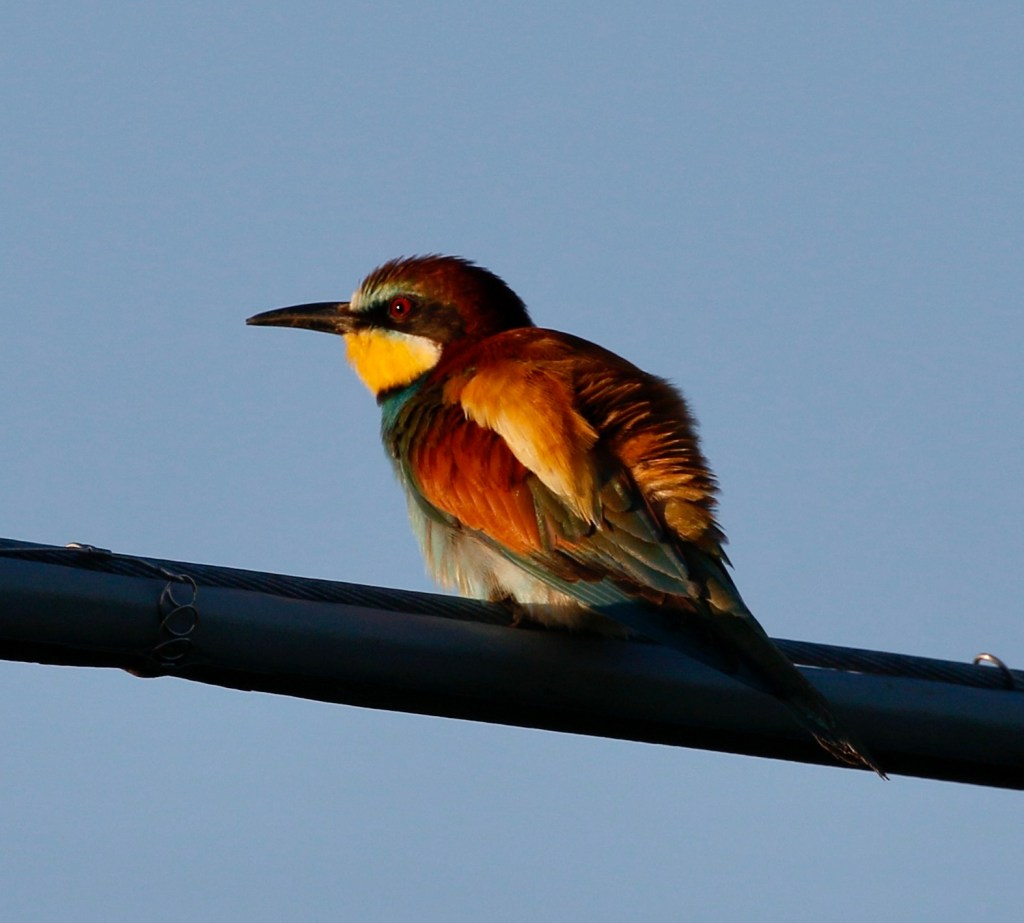
Because of the pervasive pressure on songbirds, many have learned to avoid humans at all costs. This wasn’t true of all birds that I came across, and I managed to get close to a group of brilliantly colored European bee-eaters that were hunting from telephone wires. This was likely because I approached them slowly in my car and took photos without getting out and revealing my two legs.
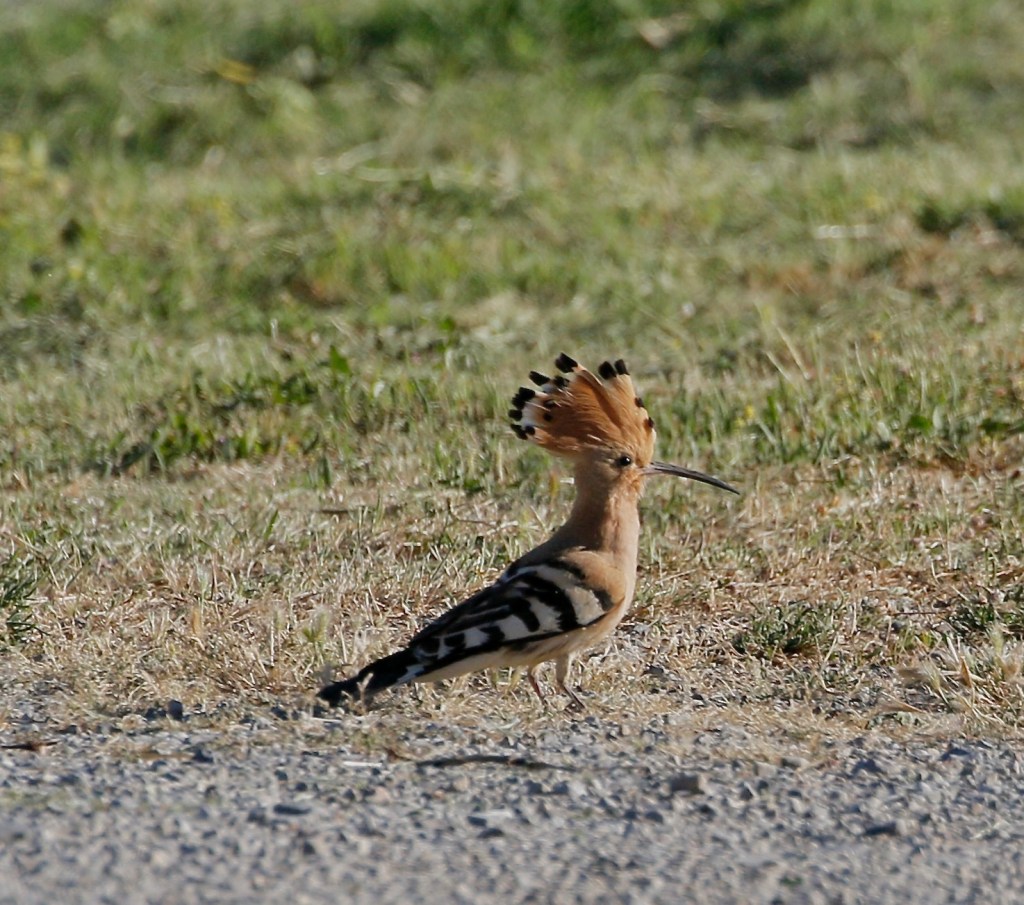
Some other avian highlights included seeing my first hoopoes. I’d looked long and hard for these striking salmon-pink birds with black-and-white wings and tails and fancy crests, but I only got brief glimpses of them in flight. Then one evening, as we were sitting outside of our agriturismo rental, to my amazement, one flew in, landed close by, and began feeding.
Another bird I was hoping to at least hear was the common nightingale, which I had last heard as a 15-year-old. To my delight, I heard several of them, sometimes three or four at a time proclaiming their territories from deep within thickets. There is nothing like the song of the nightingale. They have an astonishing repertoire, being known for producing more than a thousand different sounds. And for a small bird, the song is surprisingly loud. But for me, it’s the phrasing of the song that sets it apart from other birds. It’s leisurely, improvisational, allowing the spaces in the melody to do much of the work.
The nightingale is not visually stunning, and this tends to hold true of most of the great European songsters, as though when gifts were being distributed, birds could not ask for beauty in both plumage and song.
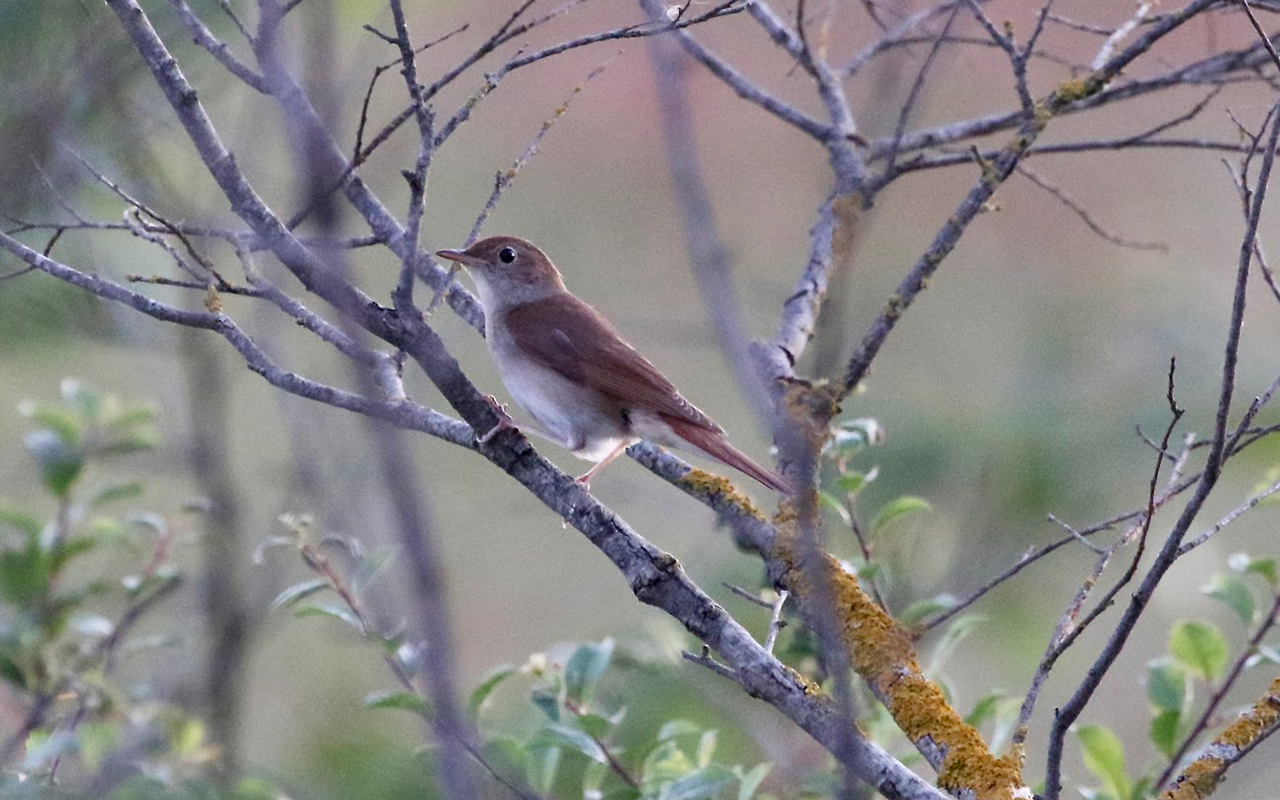
I tried and tried to get a glimpse of a nightingale. One came so close that it seemed within touching distance, but they are masters of staying hidden. Until, that is, on my last day in Tuscany, as I listened in awe to a bird singing just after dusk, the bird popped out onto some bare branches, allowing me to get one in-focus photograph before it buried itself back in the bushes.
Adoro gli uccelli.
Related Posts








Premier Events
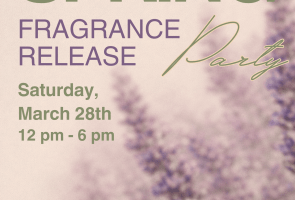
Sat, Mar 28
12:00 PM
Santa Barbara
Spring Fragrance Release Party
Sat, Mar 28
7:15 PM
Santa Barbara
Santa Barbara Stargazing Tour
Sat, Apr 18
5:30 PM
Solvang
The Winemaker’s Table: An Evening of Rideau Reds

Thu, Mar 26
11:00 AM
Santa Barbara
Lunch and Learn at La Casa de Maria
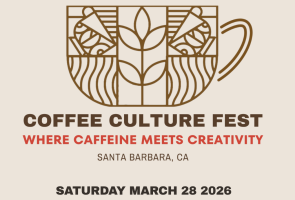
Sat, Mar 28
All day
Santa Barbara
Coffee Culture Fest
Sat, Mar 28
11:00 AM
Santa Barbara
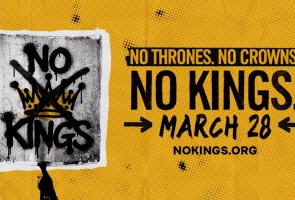
NO KINGS 3!

Mon, Mar 30
6:00 PM
Santa Barbara
Art4Grief Support Group 2nd 2-Week Session
Thu, Apr 02
2:00 PM
Santa Barbara
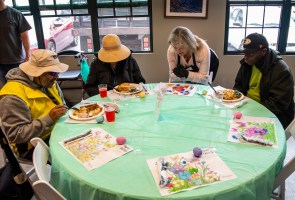
S.B. Rescue Mission Annual Easter Feast

Thu, Apr 02
5:00 PM
Santa Barbara
Exhibit Opening: The Santa Barbara Independent: ‘Covering 40 Years’
Sat, Apr 04
9:00 AM
Santa Barbara
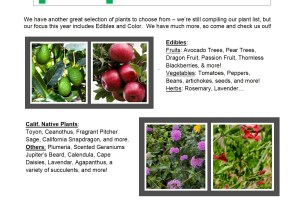
Mesa Harmony Garden Spring Plant Sale

Sat, Apr 04
9:00 AM
Santa Barbara
Passport Fair, hosted by Congressman Salud Carbajal
Sun, Apr 05
10:00 AM
Santa Barbara
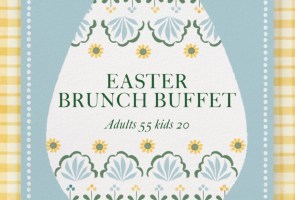
Easter Brunch at Brass Bear
Thu, Apr 09
6:00 PM
Santa Barbara
Chaucer’s Books – Poetry Night
Sat, Mar 28 12:00 PM
Santa Barbara
Spring Fragrance Release Party
Sat, Mar 28 7:15 PM
Santa Barbara
Santa Barbara Stargazing Tour
Sat, Apr 18 5:30 PM
Solvang
The Winemaker’s Table: An Evening of Rideau Reds
Thu, Mar 26 11:00 AM
Santa Barbara
Lunch and Learn at La Casa de Maria
Sat, Mar 28 All day
Santa Barbara
Coffee Culture Fest
Sat, Mar 28 11:00 AM
Santa Barbara
NO KINGS 3!
Mon, Mar 30 6:00 PM
Santa Barbara
Art4Grief Support Group 2nd 2-Week Session
Thu, Apr 02 2:00 PM
Santa Barbara
S.B. Rescue Mission Annual Easter Feast
Thu, Apr 02 5:00 PM
Santa Barbara
Exhibit Opening: The Santa Barbara Independent: ‘Covering 40 Years’
Sat, Apr 04 9:00 AM
Santa Barbara
Mesa Harmony Garden Spring Plant Sale
Sat, Apr 04 9:00 AM
Santa Barbara
Passport Fair, hosted by Congressman Salud Carbajal
Sun, Apr 05 10:00 AM
Santa Barbara
Easter Brunch at Brass Bear
Thu, Apr 09 6:00 PM
Santa Barbara


You must be logged in to post a comment.