
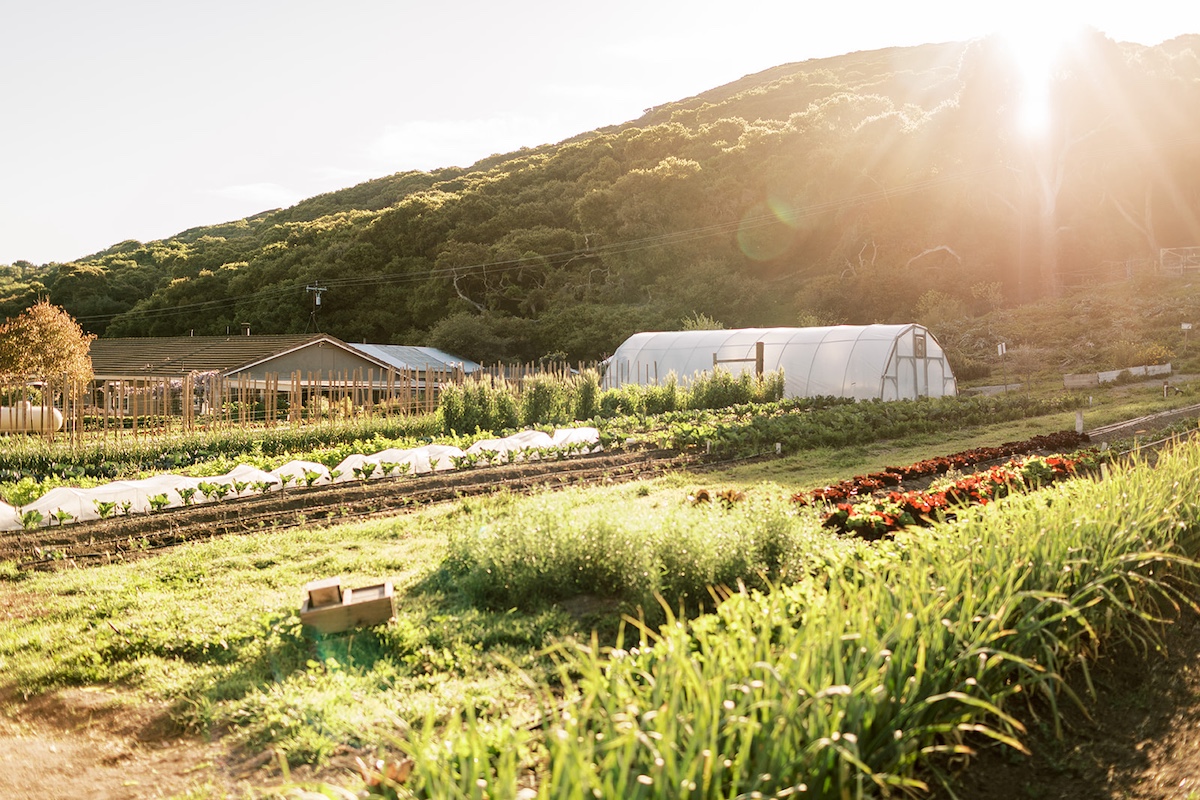
Being pollinator-friendly was always a goal for Megan and Jeremy Raff’s family farm. Bees are plentiful in the Lompoc canyon they call home, and their flower garden — full of lavender and chamomile they use to make tea bags — has doubled as a happy home to beneficial bugs.
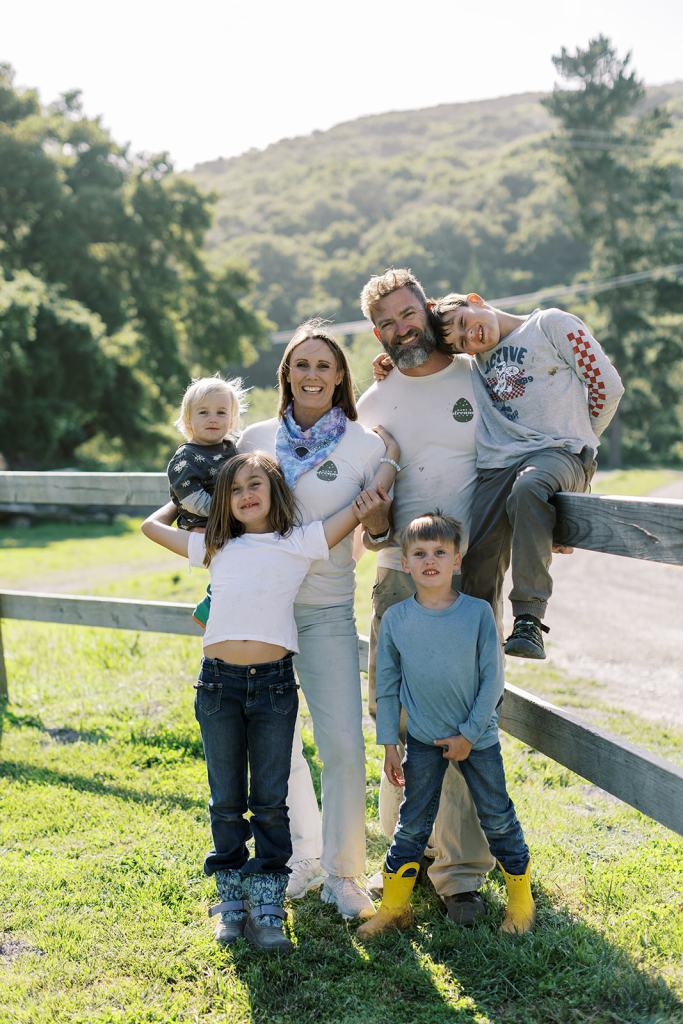
With the help of the Community Environmental Council (CEC), however, the Raffs are looking to make their entire operation, Dare 2 Dream Farms, a pollinator paradise. The nonprofit is helping them write a grant application for the state’s Pollinator Habitat Program for up to $15,000, which they’ll use to install native plants throughout their whole 40 acres, between the chicken coops and fresh produce.
Inspired by this work, CEC is now looking to assist more growers in going green. It recently created its free Central Coast AgLink (CCAL) platform, which will connect farmers with the funding and resources they need to farm more sustainably — whether it’s creating habitat, healthy soil practices, irrigation upgrades, grazing plans, or renewable energy infrastructure.
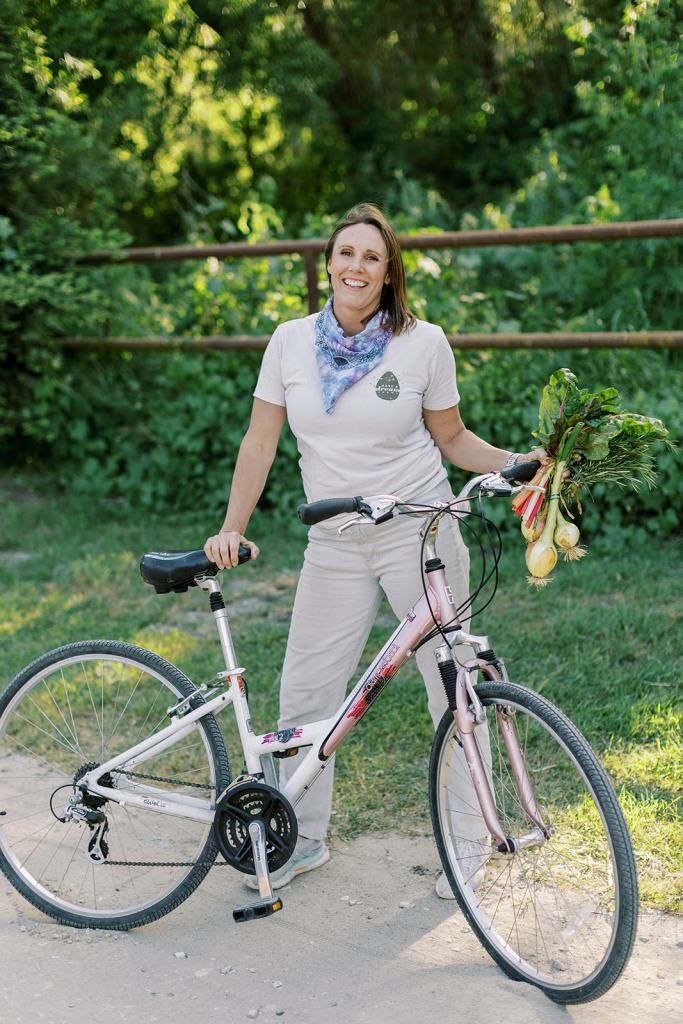
Megan Raff, for one, said she needed the help because she never envisioned herself being a farmer (she called herself a “farmer by accident,” following the inheritance of her husband’s family farm). She’s welcomed new learning opportunities, but has stuck with the same core values since the early days. “Our farm has always kind of worked on the edge of fully organic farming,” she said. “We use regenerative agriculture, and we’re committed to our sustainable farming practices.”
She said CEC staff helped them map out where it would be most beneficial to plant natives for pollinators and soil stabilization, and they have held their hand throughout the entire grant-writing process so all they will have to do is “buy, plant, and water.”
She expects to get the farm’s pollinator-friendly plants in the ground by next spring.
“We have so much agriculture on the Central Coast, but funding rarely trickles into our region to support conservation land practices on farms and ranches,” said Bre Sliker, CEC’s climate projects manager. “We want to change that.”

CEC’s announcement noted that although Santa Barbara County is in the state’s top 10 producers — agricultural production in the region recently hit $2 billion in value — the Central Coast is “chronically underfunded” when it comes to supporting climate-smart land stewardship.
“We hope this will remove barriers and build momentum in our region for land practices that benefit farmers, wildlife, and the climate,” Sliker said.
In just the first two weeks after its launch, CCAL already received 15 sign-ups, which CEC says demonstrates a local appetite for land conservation.
Similar to the Raffs, Leslie Person Ryan, farmer and president of Sweet Wheel Farm in Summerland, is receiving CEC’s help in her capital campaign to plant hedgerows and pull in more pollinators. She’s also working on a sustainable moisture-harvesting project to extract water from the air, taking advantage of Santa Barbara’s infamous marine layer.
“CEC has been to Sweet Wheel several times, and they work with us on a climate-smart committee — they’re supporters of the farm,” she said.
Her farm is chemical free, she explained, and they use their clean, organic food to fill Summerland’s “food desert,” which she defined as an urban area with no grocery store. They also donate to families in need, delivering food to people who are “medically and financially fragile.” She wants her farm to attract pollinators year-round.
“No pollination, no food,” she said succinctly.
To sign up for AgLink, land owners can fill out a short online form to share what projects they’re interested in. From there, CEC’s team will reach out to help them plan projects, apply for available grants and incentives, and connect them with partners. If no funding is available, CEC will notify them when funding programs launch so they are the first to know.
To learn more and sign up, visit https://cecsb.org/central-coast-aglink or reach out to Bre Sliker at bsliker@cecmail.org.
Related Posts






Premier Events

Sun, Oct 04
11:00 AM
40th California Avocado Festival

Sun, Oct 04
1:30 PM
Goleta, CA
📚 Library Card Day
Tue, Oct 06
All day
Santa Barbara
New and Emerging Technologies in the Hands of Artists: Brave New Work 2.0

Tue, Oct 06
6:00 PM
Santa Barbara
Chaucer’s Books- Horror Stories with Joseph Fink

Wed, Oct 07
7:30 PM
Santa Barbara
The Theatre Group at SBCC Presents: “CLUE”
Wed, Oct 07
7:30 PM
Santa Barbara
Ensemble Theatre Company Presents: “Buyer & Cellar”

Thu, Oct 08
5:30 PM
SANTA BARBARA
Oh the Horrors! New Book Club at S.B Public Library

Fri, Oct 09
7:00 PM
Santa Barbara
Paseo Nuevo Spooky Movie Nights

Sat, Oct 10
10:00 AM
Ojai
Ojai Design x Vintage
Sat, Oct 10
10:00 AM
Ojai
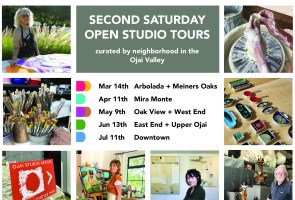
Ojai Studio Artists Open Tour
Sun, Oct 04 11:00 AM
40th California Avocado Festival
Sun, Oct 04 1:30 PM
Goleta, CA
📚 Library Card Day
Tue, Oct 06 All day
Santa Barbara
New and Emerging Technologies in the Hands of Artists: Brave New Work 2.0
Tue, Oct 06 6:00 PM
Santa Barbara
Chaucer’s Books- Horror Stories with Joseph Fink
Wed, Oct 07 7:30 PM
Santa Barbara
The Theatre Group at SBCC Presents: “CLUE”
Wed, Oct 07 7:30 PM
Santa Barbara
Ensemble Theatre Company Presents: “Buyer & Cellar”
Thu, Oct 08 5:30 PM
SANTA BARBARA
Oh the Horrors! New Book Club at S.B Public Library
Fri, Oct 09 7:00 PM
Santa Barbara
Paseo Nuevo Spooky Movie Nights
Sat, Oct 10 10:00 AM
Ojai
Ojai Design x Vintage
Sat, Oct 10 10:00 AM
Ojai


You must be logged in to post a comment.