
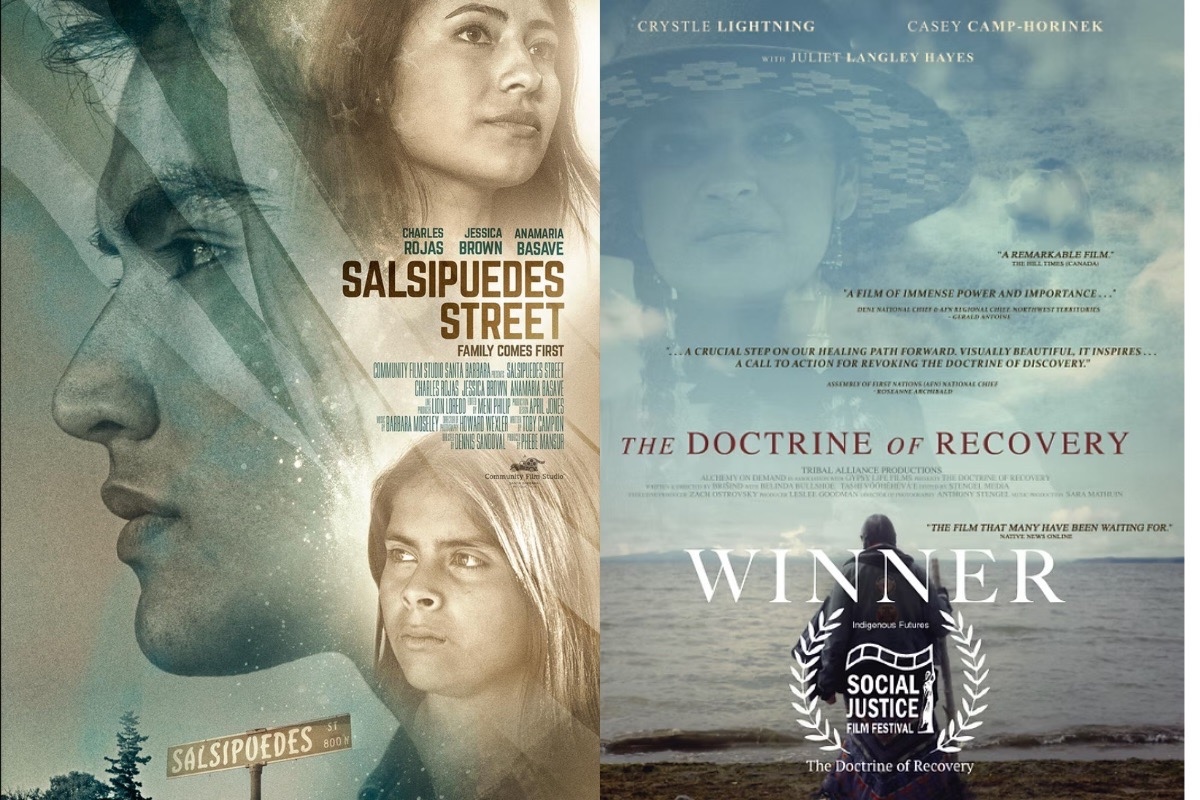
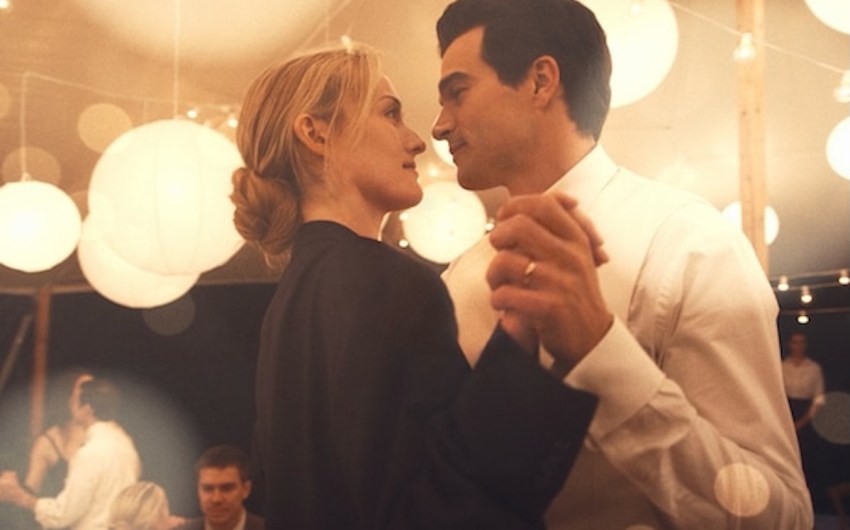
The SPACE (Su’nan Protection, Art and Cultural Education) will be hosting a poignant double-feature film screening at the Alhecama Theatre in downtown Santa Barbara on July 26, showing two films that explore the impacts of deportation and colonization, including The Doctrine of Recovery documentary and Santa Barbara–based film Salisipuedes Street, which follows the lives of three siblings trying to support each other following the deportation of their parents.
Mia Lopez, former tribal chair of the Coastal Band of the Chumash Nation and the director and organizer behind The SPACE — which was created as a place for the community to learn about and celebrate Santa Barbara’s deep cultural roots — put together the event as a way to open up a conversation about immigration, settler colonization, and the lasting traumas that occur in the Indigenous and Latino communities who feel the impacts of these firsthand.
The double screening came together quickly over the past couple of weeks after Lopez and her grandmother attended a sold-out showing of The Doctrine of Recovery at the Rubicon Theatre in Ventura in June, hosted by Peace and Dignity Central Coast and co-sponsored by The SPACE. The screening was packed, and Lopez was inspired to put on another similar event in Santa Barbara to show the film, which features four Indigenous women leading the charge to reverse the damage of colonization with a new doctrine of environmental justice, the sacred feminine, and harmony among living species
“Being a land and water protector, this film was really important,” Lopez said of the documentary. “The fact that it’s three generations of Indigenous women is important to me, as a mother of two young women that I’m trying to really strengthen into standing up for our culture and their own — it’s so beautiful.”
As Lopez worked with volunteers and staff at the Santa Barbara Trust for Historic Preservation to find a venue to screen the film, it became clear there might be an opportunity to screen a second film to help the community discuss the impacts of immigration enforcement on the Central Coast.
Andi Garcia, a fellow community organizer who has been volunteering her time advocating for immigrants in Santa Barbara, suggested Lopez include Salispuedes Street, a film that not only was based in Santa Barbara, but was written by a local, Toby Campion, whose screenplay described the traumatic separation of families that was occurring in the region currently.
“That’s a perfect film for right now,” Lopez said of Salisipuedes Street.
Lopez said everything seemed to fall into place, and the two films seemed to tackle two sides of the same issue. “This is talking about our Indigenous values,” she said. “[The Doctrine of Recovery] is talking about protection of our lands, but [Salisipuedes Street] is talking about protection of our Indigenous and Latino relatives right now.”
It worked out that the Santa Barbara Trust for Historic Preservation had already scheduled its Asian American Film Series for the final two weeks of July at the Alhecama Theatre, with the final evening on July 25, so The SPACE was able use the same venue, seating, and projector for its July 26 double screening without any extra cost.
The event is free to everybody (with 140 seats available in the theater), and activities will begin with a mini-market featuring Indigenous and Latino artisans from noon to 2 p.m. Salisipuedes Street will begin at 2 p.m., followed by a brief question-and-answer session and then the screening of The Doctrine of Recovery at 3:30 p.m. with a panel of Indigenous community leaders and elders.
Lopez says she hopes the double screening can be the beginning of an annual event with more Indigenous and cultural films, which she says could fit well during the summer, when the city already has its Asian American festival and Fiesta events.
“I think it would be great to highlight all the cultures in Santa Barbara, and an alternative to Fiesta,” Lopez said. “Instead of being erased, instead of feeling angry, instead of feeling unheard. Instead of feeling that, we can have our own thing. It’s a beautiful way to complement and bring awareness to what’s happening, and open up a dialogue.”
For more information, or to set aside free tickets to either the film screenings, check the event page here.






You must be logged in to post a comment.