
The Santa Barbara Independent republishes stories from CalMatters.org on state and local issues impacting readers in Santa Barbara County.
Tariffs on European wine could be good or bad for California wine producers, depending on whom you ask.
Some American winemakers, restaurateurs and others are urging President Donald Trump to exclude wine from tariffs on goods from Europe, saying European wines are important to the health of domestic wines.
But not all California wine producers are on board. They argue that European winemakers are already subsidized, so American companies having to bear tariffs on just about everything else — including imported corks, barrels and other supplies — puts wine producers in high-cost California at an even bigger disadvantage.
For some wine growers, “it’s certainly hard to hear” about other U.S. wine and hospitality industry players pushing for “zero-for-zero” tariffs on European wines, said Natalie Collins, president of the California Association of Winegrape Growers, which has 650 members. She said it’s tough for California winemakers to price their products to compete with those from Europe.
Trump recently said that he had reached a tariff agreement with the European Union, but some details have yet to be released, including possible exceptions. For now, the EU says the 15% tariffs that went into effect at the beginning of August apply to wine, though negotiations reportedly continue. The U.S. wine industry, which has been facing myriad challenges including new studies that say alcohol is bad for people’s health, falling demand and growing costs, is taking this opportunity to ask for help.
“We’ve seen two years in a row of declining wine consumption in the United States for the first time in two generations,” said Jason Haas, co-owner of Tablas Creek Vineyard in Paso Robles. “It shows up in less tourism, fewer people visiting wineries, fewer people ordering over e-commerce, less sales through wholesalers, both restaurant and retail,” Haas added.
That’s the ecosystem the U.S. Wine Trade Alliance and other industry groups are saying will feel the pain if European wine prices rise because of tariffs: thousands of wine importers and distributors, tens of thousands of wine retailers and hundreds of thousands of restaurants. California, the nation’s leader in wine-related tourism and exports, could be most affected. WineAmerica, an industry group, said California’s wine industry generated about $88 billion in economic impact in 2022. The state’s wine exports in 2022 totaled $1.3 billion, according to the California Department of Food and Agriculture.
Katie Lazar co-manages the 45-year-old Cain Vineyard & Winery in St. Helena in the Napa Valley.
“We’re a long-term business,” Lazar said during a recent media briefing, echoing what other winemakers said about how growing grapes and making wine takes years. “It takes (the wine industry) so long to react and be able to change that the chaos that is present now is an existential threat to the world that we live in.”
Winemakers like Lazar say the distributors they rely on to sell their wines need revenue from selling European wines as well. Their ability to distribute domestic wine is tied to how much other wine they have coming in, she said in an interview with CalMatters.
Most of the U.S. alcohol industry has a three-tier structure that dates back to the repeal of Prohibition. Winemakers and producers are the first tier, followed by distributors and retailers. All three are facing the uncertainty brought about by tariffs: Some wine imports are on hold, meaning less revenue for distributors and retailers.
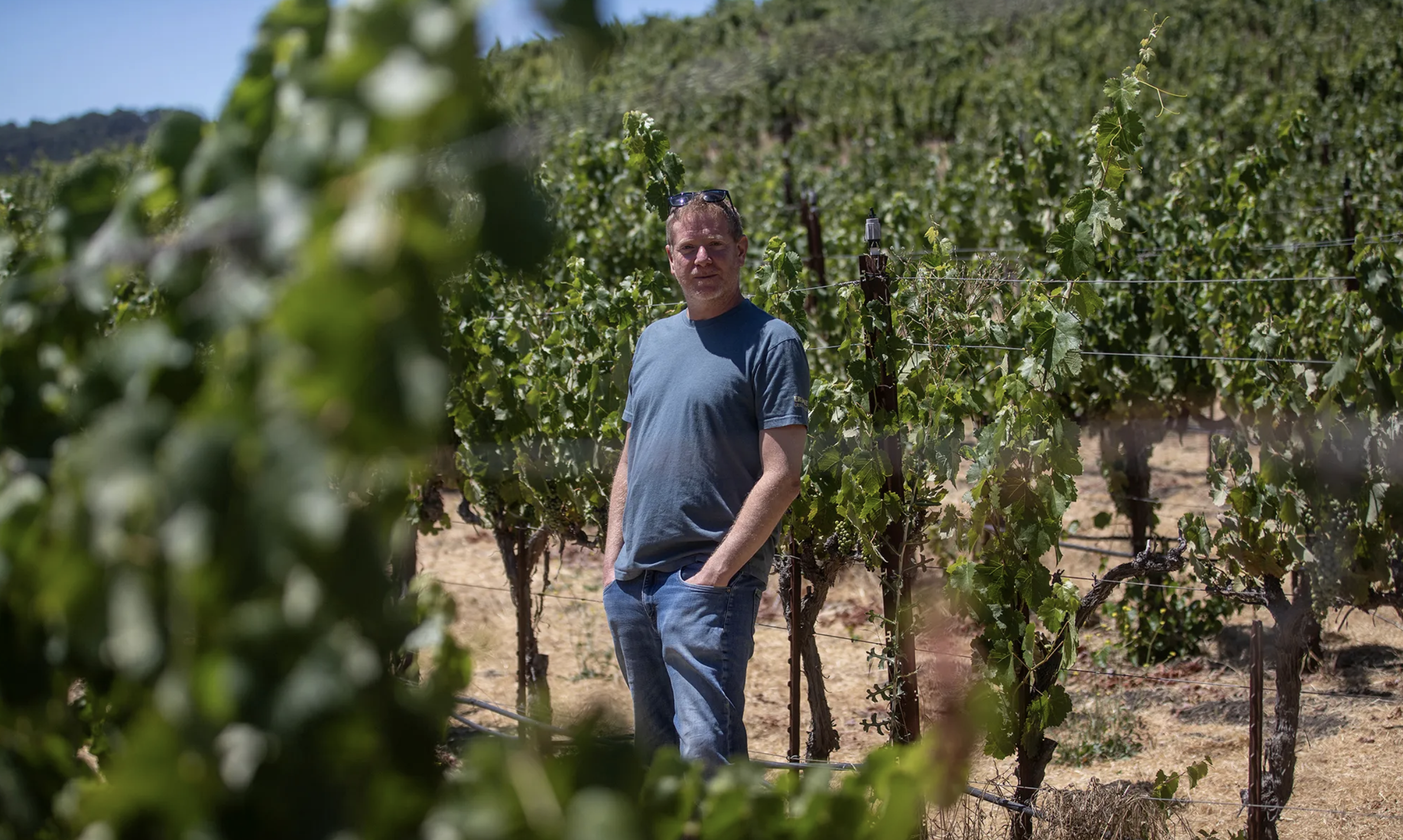
But Richard Samra, who has been growing grapes in the Sacramento Delta and Lodi for 40 years, said he is more worried about selling his grapes to domestic wineries. He said it’s “amazing” that some in the wine industry are asking for no tariffs on the competition.
He said that competition gets plenty of help. The European Commission recently approved $5.6 billion to support exports of French wines and spirits to the U.S. The European Union spends more than 1 billion euros a year to help boost European wine, and some countries have their own subsidy programs.
“U.S. wine grape growers don’t have that,” Samra said.
“We want to level the playing field. We have plenty of grapes and wine available for sale,” Samra added. He said tens of thousands of acres of vines have been pulled out in California as supply outstrips demand, and he expects that to keep growing. He said imports are a major factor: “Profit margins for people are greater when they purchase a product from outside the U.S. and sell it here.”
Related Posts





Premier Events

Fri, Mar 06
2:00 PM
Santa Barbara
Music & Meditation SB – Concert March 6, 2026

Sat, Mar 07
9:00 AM
Carpinteria
El Carro Park Cannabis Career Fair – Carpinteria
Sat, Mar 07
10:00 AM
Santa Barbara
2-Day Expressive Painting Creative Workshop

Sun, Mar 08
6:30 PM
Santa Barbara
6th Eco Hero Award Brock Dolman & Kate Lundquist

Mon, Mar 09
6:00 PM
Santa Barbara
ART 4 GRIEF Support Group

Fri, Mar 06
7:30 PM
Santa Barbara
An Evening with Steep Canyon Rangers

Fri, Mar 06
8:00 PM
Santa Ynez
Funk Band Kool & The Gang at Chumash

Sat, Mar 07
12:00 PM
Santa Barbara
Spring 2026 Healing Arts Faire

Sat, Mar 07
7:00 PM
Carpinteria
The Magic’s In the Music

Sat, Mar 07
7:30 PM
Goleta
UCSB Arts & Lectures Presents Arturo Sandoval Legacy Quintet

Sat, Mar 07
7:30 PM
Goleta
Jazz Concert with Wayne Bergeron
Sun, Mar 08
10:00 AM
Santa Barbara
Fairytale Weekend at the Zoo

Sun, Mar 08
1:00 PM
Santa Barbara
SB Craftivists “Resist with Love KNOT Hate Knit-In
Sun, Mar 08
4:00 PM
Santa Barbara
Brawlin’ Betties: Love v. Luck Scrimmage

Sun, Mar 08
7:30 PM
Santa Barbara
SBAcoustic Presents Natalie Gelman & Mark Legget
Fri, Mar 06 2:00 PM
Santa Barbara
Music & Meditation SB – Concert March 6, 2026
Sat, Mar 07 9:00 AM
Carpinteria
El Carro Park Cannabis Career Fair – Carpinteria
Sat, Mar 07 10:00 AM
Santa Barbara
2-Day Expressive Painting Creative Workshop
Sun, Mar 08 6:30 PM
Santa Barbara
6th Eco Hero Award Brock Dolman & Kate Lundquist
Mon, Mar 09 6:00 PM
Santa Barbara
ART 4 GRIEF Support Group
Fri, Mar 06 7:30 PM
Santa Barbara
An Evening with Steep Canyon Rangers
Fri, Mar 06 8:00 PM
Santa Ynez
Funk Band Kool & The Gang at Chumash
Sat, Mar 07 12:00 PM
Santa Barbara
Spring 2026 Healing Arts Faire
Sat, Mar 07 7:00 PM
Carpinteria
The Magic’s In the Music
Sat, Mar 07 7:30 PM
Goleta
UCSB Arts & Lectures Presents Arturo Sandoval Legacy Quintet
Sat, Mar 07 7:30 PM
Goleta
Jazz Concert with Wayne Bergeron
Sun, Mar 08 10:00 AM
Santa Barbara
Fairytale Weekend at the Zoo
Sun, Mar 08 1:00 PM
Santa Barbara
SB Craftivists “Resist with Love KNOT Hate Knit-In
Sun, Mar 08 4:00 PM
Santa Barbara
Brawlin’ Betties: Love v. Luck Scrimmage
Sun, Mar 08 7:30 PM
Santa Barbara

