
With all the literal and figurative noise in the Santa Barbara Channel, migratory whales looking to shack up in its waters often struggle and stress.
The channel — a designated Whale Heritage Area — is one of the most important whale migration routes in the United States, but it’s also a busy shipping lane where thousands of container ships transit cargo every year — a deadly threat to this underwater sanctuary.
With that in mind, a program was launched 10 years ago to protect the endangered humpbacks and Pacific blue whales that forage, breed, and birth their calves off Santa Barbara’s coast. Now, that same program will be expanding statewide thanks to Governor Gavin Newsom’s signature on Assemblymember Gregg Hart’s Assembly Bill 14 (AB 14 — coauthored by Assemblymembers Steve Bennett and Damon Connolly).
Hart’s legislation will finally implement the longstanding Protecting Blue Whales and Blue Skies program statewide, a multi-agency initiative to incentivize shipping companies to reduce speeds to 10 knots or less as they cruise down California’s coast. By slowing down, ships reduce the likelihood of fatal strikes on whales, lower the volume under water, and cut down on greenhouse gas emissions.
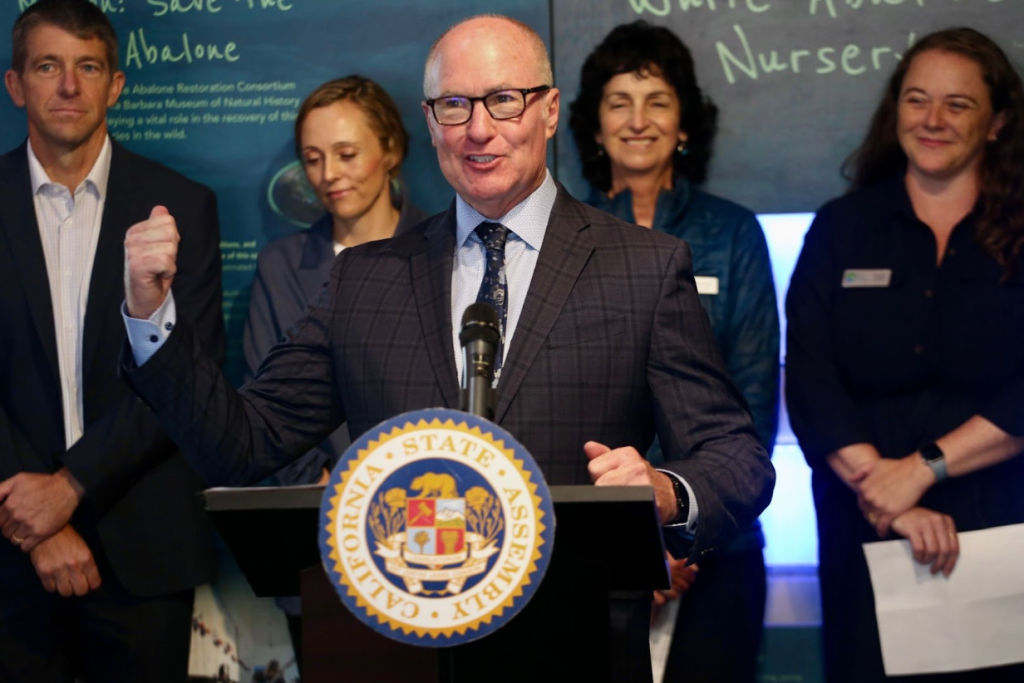
“It’s a great sense of relief, and I think it shows that if you persist, you can still win,” Hart told the Independent. “[The bill] took us three years, but we have such incredible local partners who were determined to keep fighting. And I was as well. We’re going to be leading the way in the world at trying to get companies to slow down, protect whales, and improve our air quality.”
Success of the program is already apparent: It’s seen 85 percent fleet cooperation, reduced noise pollution by 38 percent (whales need sound to communicate and perceive their surroundings), cut the number of deadly whale strikes in half, and prevented thousands of tons of smog-forming pollution and greenhouse gases along the California coast.
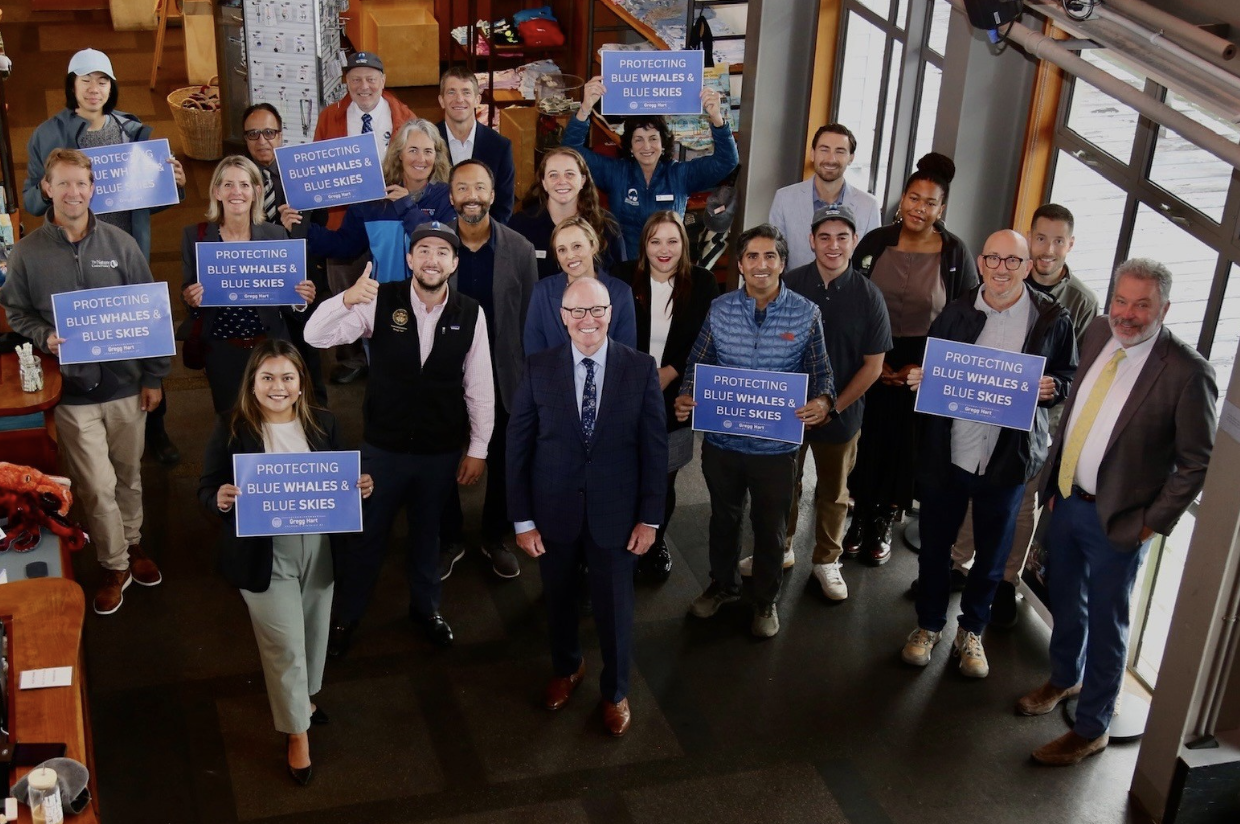
Hart and other community leaders in conservation celebrated AB 14’s passing at the Sea Center on Tuesday, backdropped by a giant replica of a barnacle-covered baleen whale hanging from the ceiling.
These officials, scientists, and activists were waiting for this moment: They really started paying attention to the issue around 2007, after five blue whales were killed by ship strikes.
“Fortunately, because of the conditions here on the California coast and in the Santa Barbara Channel, [blue whales] are actually increasing their numbers here, and we usually have the largest number of blue whales seasonally every summer,” said Linda Krop with the Environmental Defense Center, which helped form the first local working group to figure out how to protect whales from shipping back in the day.
“But we also have increasing levels of harbor shipping, and the conflict became incredibly significant after 2007 and remains a threat to this day … But once again, our community is a leader spreading this program statewide and hopefully, next, nationally.”
After such a long wait, though, the timing is interesting. Hart’s bill passed amid a federal government shutdown, the firing of hundreds of employees in the National Oceanic and Atmospheric Association (a program partner), and the looming threat of offshore oil production recently posed by Sable Offshore. The irony was not lost on Hart.
“We’re going to continue to persist. We’re not going to be deterred by what’s happening in Washington,” he said.
There are other initiatives in the works, too. For example, Deji Olukotun, director of corporate responsibility for Sonos, announced that Sonos is donating $100,000 to the California Marine Sanctuary Foundation to help create the world’s first “underwater sound sanctuaries” for marine mammals.
Rachel Rhodes, a project scientist with the UCSB Benioff Ocean Science Laboratory, emphasized that UCSB has developed tools to help mariners watch out for whales and is dedicated to monitoring ships’ cooperation with the voluntary speed reduction zones along the coast.
“The remarkable level of voluntary cooperation from the shipping lines that we’ve seen thus far is a testament to the strength of the blue whales program,” Rhodes said. “We know that no ship captain wants a dead whale, and this willingness from large shipping lines to adapt operations gives me hope for a future where ships and whales can coexist.”
Related Posts




Premier Events
Sat, Mar 28
12:00 PM
Santa Barbara
Spring Fragrance Release Party
Sat, Mar 28
7:15 PM
Santa Barbara
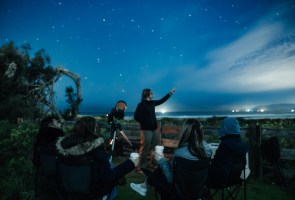
Santa Barbara Stargazing Tour
Sat, Apr 18
5:30 PM
Solvang
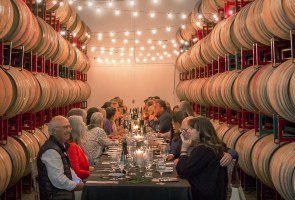
The Winemaker’s Table: An Evening of Rideau Reds
Thu, Mar 26
11:00 AM
Santa Barbara
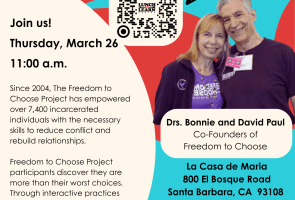
Lunch and Learn at La Casa de Maria

Sat, Mar 28
All day
Santa Barbara
Coffee Culture Fest

Sat, Mar 28
11:00 AM
Santa Barbara
NO KINGS 3!

Mon, Mar 30
6:00 PM
Santa Barbara
Art4Grief Support Group 2nd 2-Week Session
Thu, Apr 02
2:00 PM
Santa Barbara
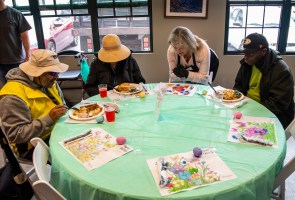
S.B. Rescue Mission Annual Easter Feast
Thu, Apr 02
5:00 PM
Santa Barbara
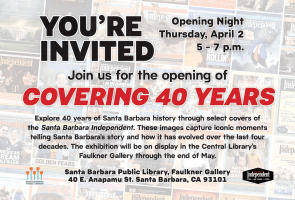
Exhibit Opening: The Santa Barbara Independent: ‘Covering 40 Years’

Sat, Apr 04
9:00 AM
Santa Barbara
Mesa Harmony Garden Spring Plant Sale
Sat, Apr 04
9:00 AM
Santa Barbara
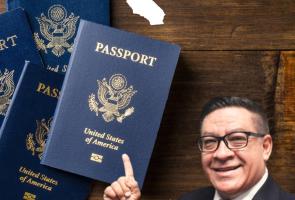
Passport Fair, hosted by Congressman Salud Carbajal

Sun, Apr 05
10:00 AM
Santa Barbara
Easter Brunch at Brass Bear

Thu, Apr 09
6:00 PM
Santa Barbara
Chaucer’s Books – Poetry Night
Sat, Mar 28 12:00 PM
Santa Barbara
Spring Fragrance Release Party
Sat, Mar 28 7:15 PM
Santa Barbara
Santa Barbara Stargazing Tour
Sat, Apr 18 5:30 PM
Solvang
The Winemaker’s Table: An Evening of Rideau Reds
Thu, Mar 26 11:00 AM
Santa Barbara
Lunch and Learn at La Casa de Maria
Sat, Mar 28 All day
Santa Barbara
Coffee Culture Fest
Sat, Mar 28 11:00 AM
Santa Barbara
NO KINGS 3!
Mon, Mar 30 6:00 PM
Santa Barbara
Art4Grief Support Group 2nd 2-Week Session
Thu, Apr 02 2:00 PM
Santa Barbara
S.B. Rescue Mission Annual Easter Feast
Thu, Apr 02 5:00 PM
Santa Barbara
Exhibit Opening: The Santa Barbara Independent: ‘Covering 40 Years’
Sat, Apr 04 9:00 AM
Santa Barbara
Mesa Harmony Garden Spring Plant Sale
Sat, Apr 04 9:00 AM
Santa Barbara
Passport Fair, hosted by Congressman Salud Carbajal
Sun, Apr 05 10:00 AM
Santa Barbara
Easter Brunch at Brass Bear
Thu, Apr 09 6:00 PM
Santa Barbara


You must be logged in to post a comment.