
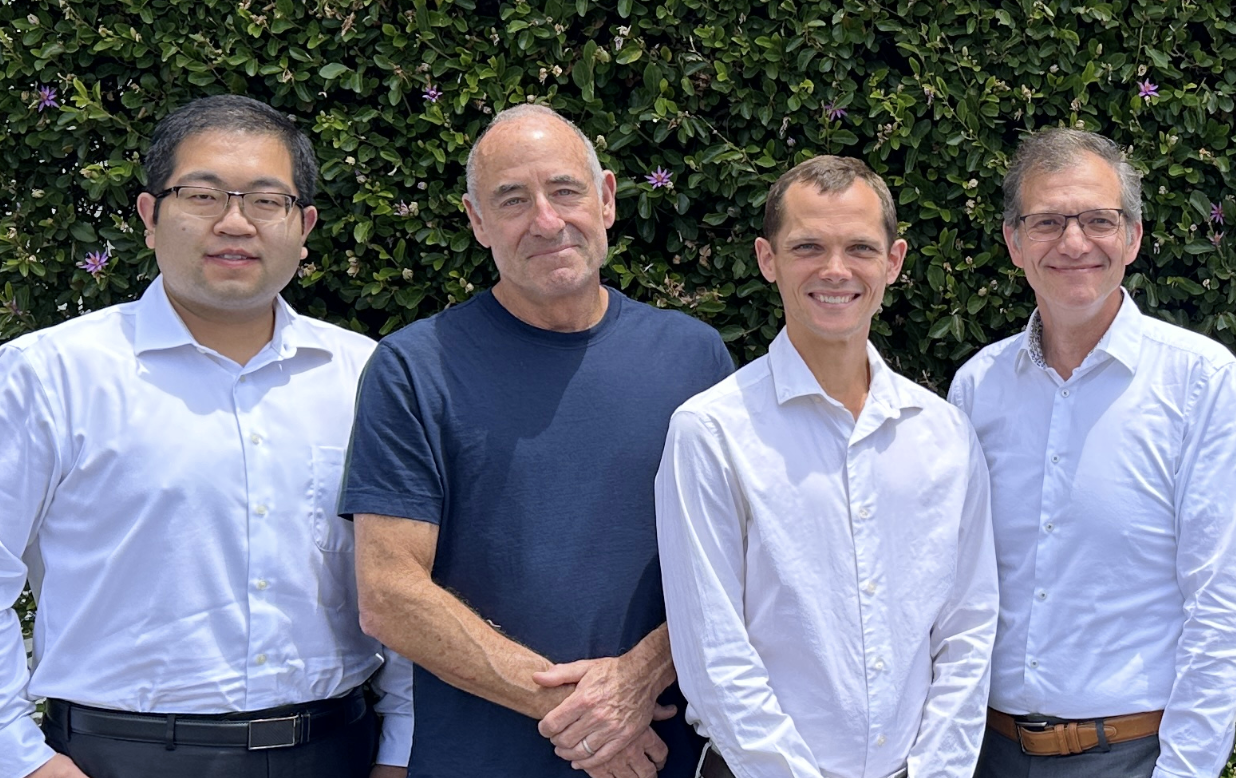
A Goleta-based startup with a knack for turning plant waste into fuel has been selected to join Shell’s GameChanger program, a global accelerator for early-stage energy innovation.
Spero Renewables, located just two miles from the UC Santa Barbara campus, announced on November 5 that its proprietary SPERLU technology will now be vetted and supported by the energy behemoth. The partnership marks a pivotal moment for the six-year-old company, which has spent the better part of a decade tinkering with one of the most stubborn molecules in the biomass world: lignin.
“Working with Shell GameChanger is a major step forward,” said Mahdi Abu-Omar, Spero’s CEO and a UCSB chemistry professor. “This partnership provides a unique opportunity to validate our approach and explore its potential across a range of applications.”
Lignin is a notoriously hard-to-break biopolymer that helps trees grow tall and push water from root to canopy. And it has long been the wallflower of the biofuel world. Traditional biofuel processes focus on cellulose, which can be fermented into ethanol. Lignin, on the other hand, has historically been treated as waste, usually burned for its heat value during biomass processing. That burning adds carbon to the atmosphere — and squanders a chemical that, as Abu-Omar and his team argue, could be doing much more.
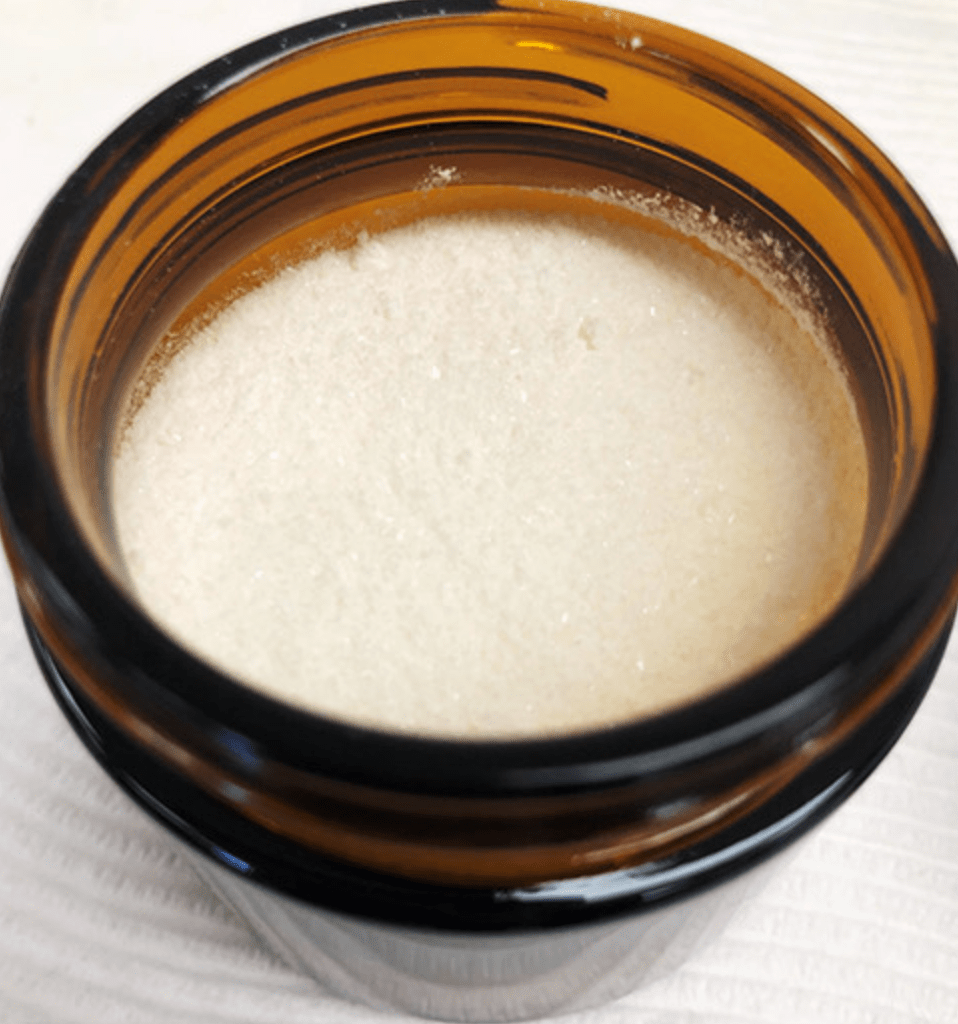
“We are able to break down the lignin into its molecular components that allows us to make from it biofuels that are compatible with gasoline, jet fuel, as well as building blocks that can be used in renewable plastic and renewable materials instead of relying on petroleum products,” Abu-Omar explained.
Where ethanol has limits — it’s corrosive and only mixable into gasoline at low percentages — Spero’s hydrocarbon-based fuels don’t. “The fuels that we make are hydrocarbon fuels, so they’re very compatible. You can blend without limits,” he said.
That’s not the only trick up their sleeve. Spero recently developed natural vanillin, a vanilla flavoring alternative, using molecules derived from corn biomass. The benefit? Beyond cleverly reusing something the U.S grows by the megaton, it dodges the ethical and environmental drawbacks of vanilla farming such as deforestation in Madagascar and high import costs. That sweet little side project is separate from the company’s main effort, but emblematic of its approach: make something valuable out of what others toss away. One man’s trash could be another man’s vanilla-flavored treasure.
With a strong patent portfolio and years of peer-reviewed research, Spero’s SPERLU (which stands for Selective Process for Efficient Removal of Lignin and Upgrading) could help decarbonize fuel and plastics manufacturing. But it has to be able to scale. That’s where Shell’s GameChanger program comes in. “Being able to work with Shell means our technology is being tested by the best in the industry,” said Abu-Omar. “It gives us an opportunity to move this forward on a much shorter time scale.”
The company is now entering what Abu-Omar calls the “tires-hit-the-road phase” — moving beyond bench science and into real-world feasibility studies. Shell’s backing helps Spero determine what infrastructure investments would be needed to make it commercial. Next steps include cost modeling and working with commercial partners to deploy SPERLU at an industrial level. While several companies are exploring lignin valorization, Spero believes it has cracked a problem that others are still circling.
“There’s been a lot of competition trying to make products from lignin,” said Abu-Omar. “But most of it ends up being burned. We believe we’re among the leading groups actually making it work.”
As for the carbon output, it is looking efficient. “Our technology’s carbon footprint would be a fraction of what we deploy today using petroleum,” Abu-Omar said, noting that ongoing studies aim to quantify the emissions reductions.
For now, Spero is buoyed by UCSB talent in an environmentally aware town. But the pitch is global: waste not, want not petroleum.
See sperorenewables.com.










You must be logged in to post a comment.