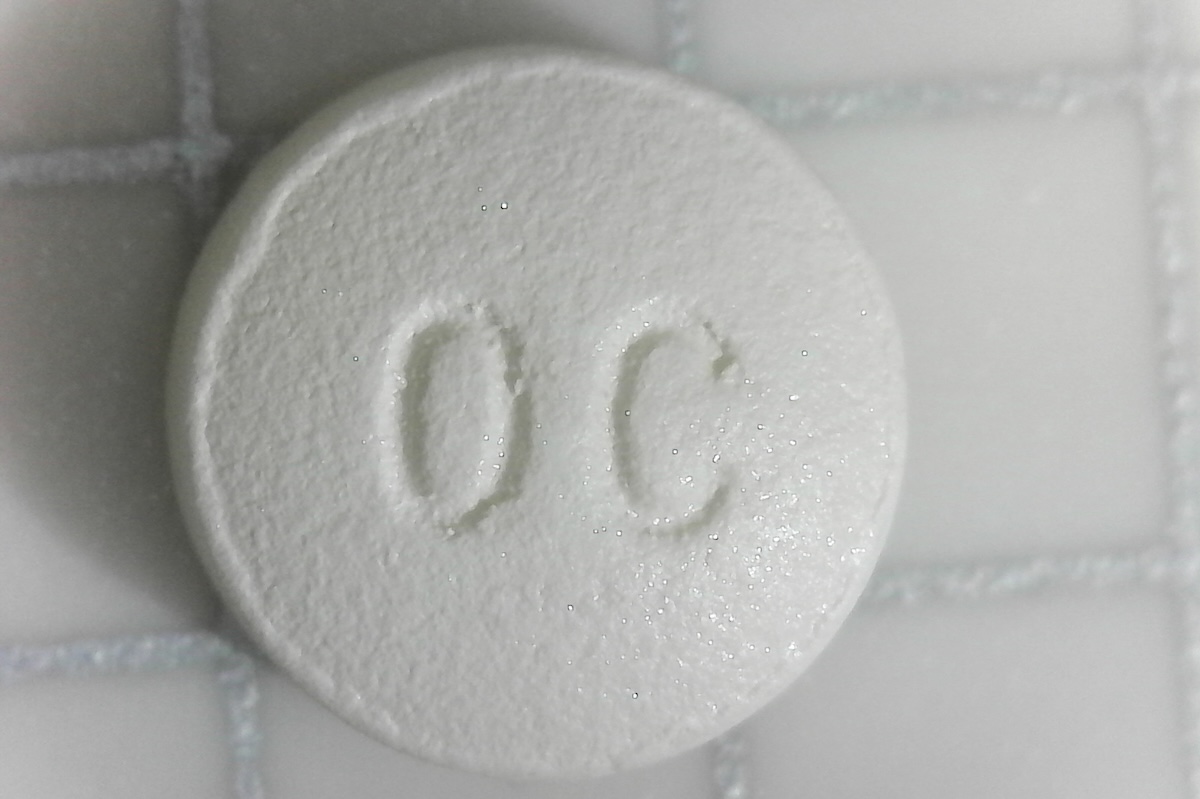
With the White House’s new war on drugs now crossing unprecedented moral, legal, and diplomatic boundaries, it’s worth noting that the County of Santa Barbara is currently poised to receive $4.4 million over 15 years as part of Purdue Pharma’s nationwide $7.4 billion settlement with federal prosecutors for its pioneering role instigating a nationwide opioid crisis that claimed the lives of 900,000 Americans since 1999. That settlement was just approved two weeks ago by a federal bankruptcy judge.
Three months ago, the county Board of Supervisors voted to approve the settlement of the case it first filed in 2019 — as part of a statewide initiative against Purdue and its owners, the Sackler Family. As part of the overall deal, the Sacklers will pay the State of California $62.7 million. The attorneys arguing the case will get paid 17 percent of the settlement.
The county’s claim alleged that the Sackler family knowingly and intentionally downplayed the risks associated with prescription opioid use as part of an aggressively false marketing campaign and for failing to report suspiciously large opioid prescription orders placed by certain pharmacies and doctors.
In Santa Barbara County, opioid overdoses claimed the lives of 524 county residents since 2017. How many of those resulted from the abuse and misuse of prescription drugs is not clear. Most opioid deaths in 2024 — 79 percent — were due to fentanyl.
The number of opioid- and alcohol-related deaths dropped from 130 in 2023 to 75 in 2024. Men outnumbered women overdoses by a factor of three-to-one, and the highest number of overdose deaths occurred in South County. The drop in overdose deaths reflects a national trend; last year, for example, saw the lowest number in years.
Even so, the reverberations from opioid addiction remain dramatic. AMR, for example, reported responding to 493 opioid-related overdoses in the first six months of this year. And of the 2,138 adults admitted into county-funded drug treatment programs from last July to this June, 38 percent reported that opioids were their primary drug of abuse.
While the funds from this settlement have not begun to trickle into the county coffers yet, the county has received enough from prior settlements with other opioid manufacturers to allocate $500,000 to four nonprofits offering recovery programs.