


This January, the Santa Barbara Museum of Natural History is bringing in internationally renowned Zapotec-American artist Porfirio Gutiérrez for a two-day workshop, and it promises to be something special.
Known for his mastery of natural dyes, especially cochineal, a bright red pigment made from insects that has been central to Oaxaca’s textile traditions for thousands of years, participants will get hands-on experience exploring the space where art, science, and culture meet.
“My ancestors have been using cochineal for thousands of years,” Gutiérrez said. “It’s an insect bred on cactus; used in medicine, ceremonies, rituals; and it changed the course of our art world.”
The program kicks off on Friday, January 9, with an evening talk on ancestral knowledge and the significance of cochineal, followed by an intensive two-day workshop January 24-25 where participants will receive 11 hours of hands-on instruction. They’ll learn the technical process of dyeing, as well as the cultural context, environmental care, and philosophy behind each color and pattern.
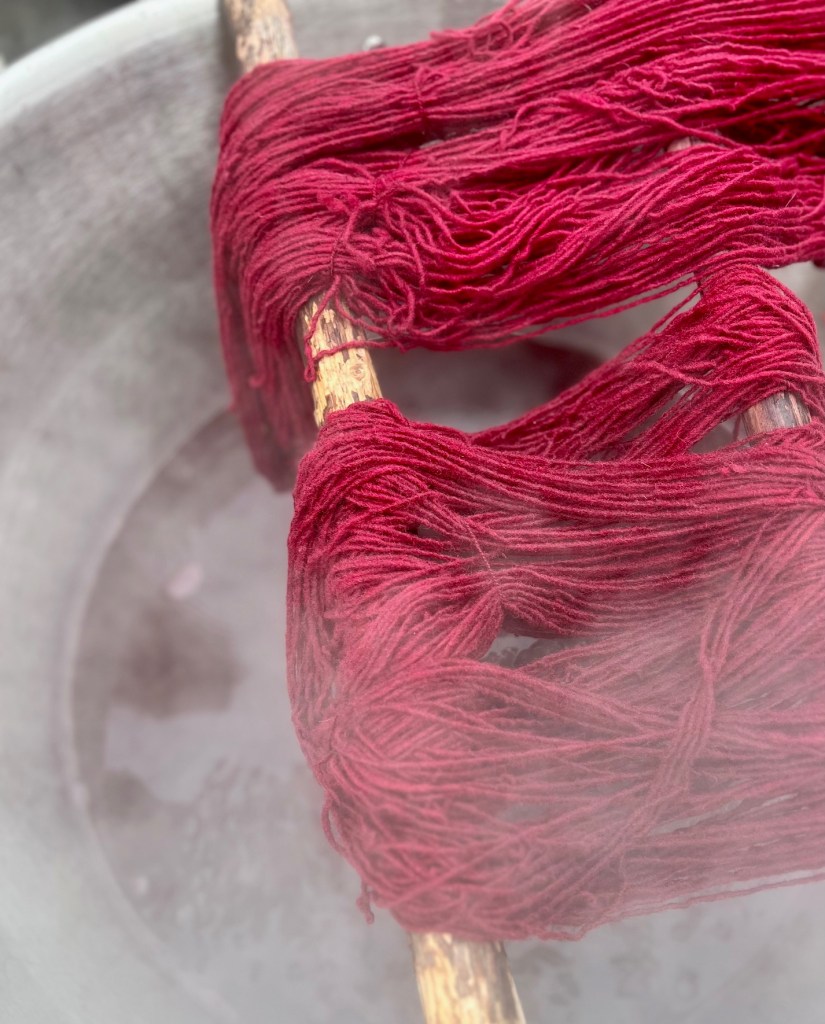
Kelsey Perry, community program specialist at the museum, first came across Gutiérrez while planning Cultural Heritage Week in October. “I went to his studio in Ventura, and we just started dreaming up this program,” she said. “It felt like a perfect fit. He has this respect for the natural world, and he shows how art and science connect in an immersive way.”
For Gutiérrez, his work goes beyond craftsmanship, technique, and aesthetics. He sees continuing his Oaxacan artistic traditions as a vital responsibility.
“I’m just one layer in a practice that started roughly 15,000 years ago,” he said. “I’m adding to what my ancestors started, and that’s what keeps me inspired.”
After migrating to California more than 30 years ago, Gutiérrez settled in Ventura, where he continues his practice today with valuable awareness and perspective.
“By migrating, I came to learn the harm of capitalism and colonialism, and my role as a Native American is to collect this information and balance it as a human,” he said.
When he’s back home, Gutiérrez spends time with local cochineal and indigo farmers and honors traditions such as burying an umbilical cord beneath a tree, a ritual that symbolizes a human seed and an undying connection with the land.
These experiences feed directly into his art, blending ancestral knowledge with contemporary expression and shaping works that reflect both his heritage and life in California.
At its core, the Santa Barbara Museum of Natural History is about connection. Its mission centers on using science to spark curiosity, deepen understanding, and encourage hands-on engagement, making programs like this a natural fit.
Thanks to the Dr. Christel Bejenke Fund, a philanthropic initiative started in 2010 that supports public programming, workshops like Gutiérrez’s are possible at the museum.
“We can support lectures or other programs by relying on this fund, and it’s a really incredible opportunity for us,” Perry said. “We are extremely grateful to bring these programs to Santa Barbara.”
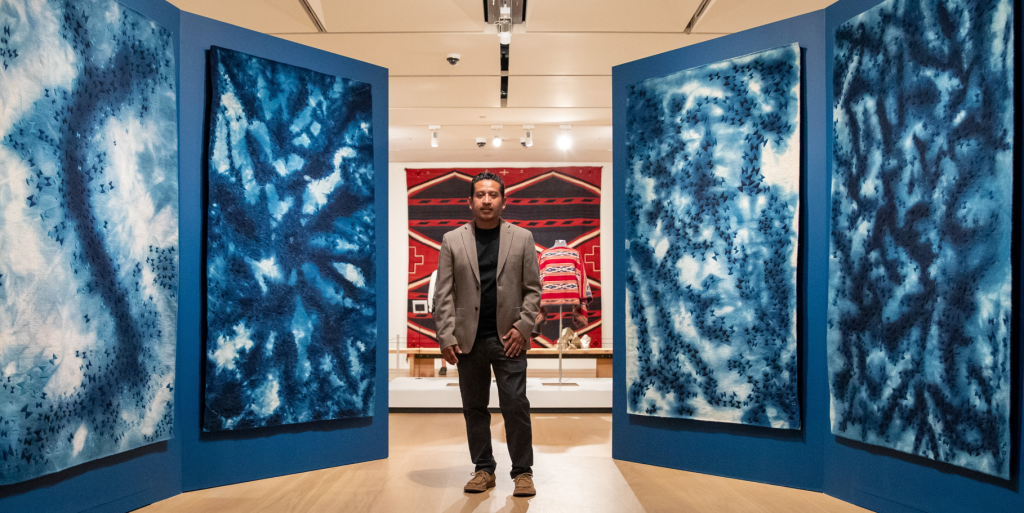
From The New York Times, ARTnews, PBS, the BBC, Vogue, and Artforum to museums such as Harvard Art Museum’s Forbes Pigment Collection and others nationally, Gutiérrez’s work speaks for itself.
“These workshops are intense, but they just barely scrape the surface. They are the beginning steps of understanding these processes, the materials themselves, and the philosophy of the people who have inhabited this land before us,” Gutiérrez said.
Santa Barbara sits on land with a deep and ongoing Native American history, making programs centered on Indigenous knowledge especially resonant. Learning directly from a Zapotec artist is a rare opportunity that hopes to inspire other immigrants to explore their own traditions and heritage.
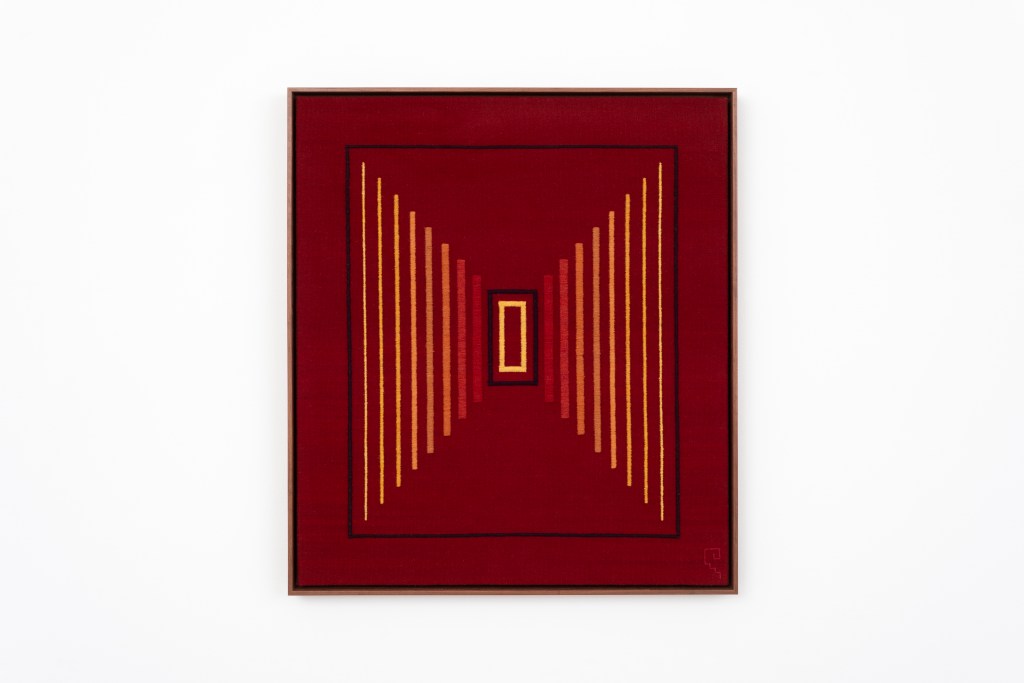
“When there is over a thousand years of tradition using plants and respecting the natural world, we need to pay attention. An artisan like him can really stoke this curiosity,” Perry said.
At the end of the day, the weight of responsibility and the passion of creation keep Gutiérrez teaching, preserving, and sharing his history with not only Oaxacan youth and families, but everyone interested in a connection to the natural world.
“I feel as though I turned into a butterfly when I migrated, and when you turn into that spirit animal, you gain a responsibility,” Gutiérrez said. “I lost so much because I migrated, but I’ve also gained so much.”
Perry said the fit felt immediate. Time spent in his studio made it clear that his techniques are especially unique, relying on plants and slow, natural processes. He maintains a small garden at home where he grows cactus and farms cochineal for his work.
In bringing Gutiérrez to Santa Barbara, the museum is offering more than a workshop. It is creating space for reflection, learning, and reconnection. Through hands-on practice and ancestral knowledge, the program invites participants to slow down and consider where materials come from, how traditions endure, and what it means to create with intention.
“I hope to illustrate and confront people with the traditional canon of art and modernism,” Gutiérrez said. “By doing that, people can be reminded that our culture is still here; we’re present, we’re creating, and we are responding to contemporary issues with art.”
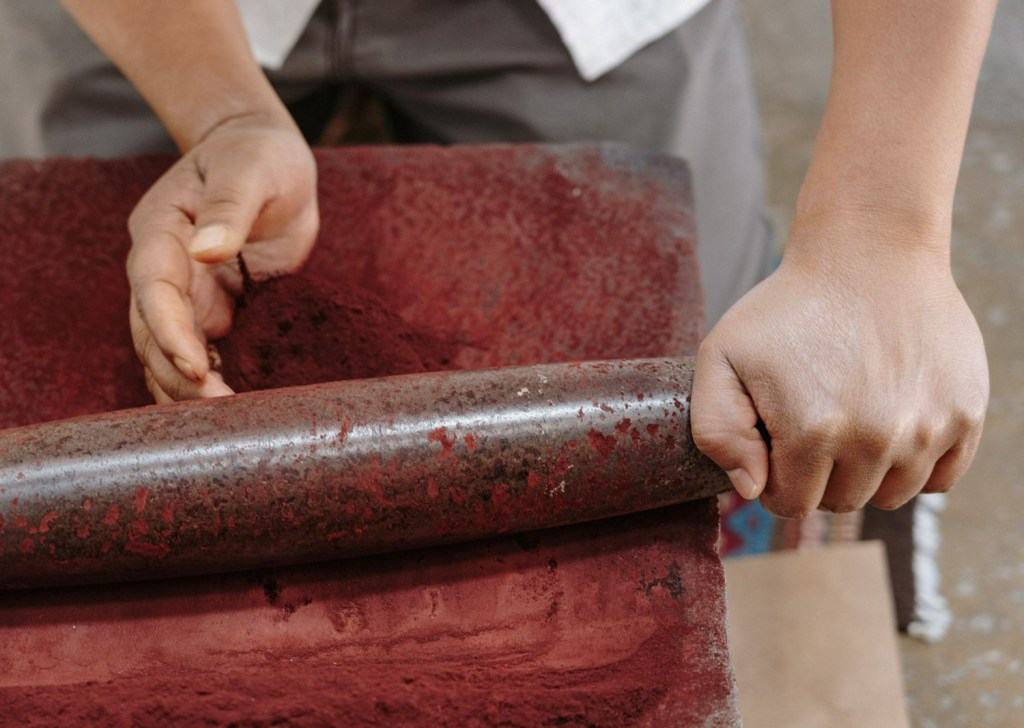
Porfirio Gutiérrez’s talk on Ancestral Materials & Modernism takes place on Friday, January 9, 6-7:30 p.m., in the Fleischmann Auditorium at the Museum of Natural History (2559 Puesta del Sol). Gutiérrez will guide audiences through the cultural lineage of natural materials, the science and spirit behind cochineal red, and the ways in which ancestral knowledge can speak to the complexities of modern life. Attendees will also enjoy a special display of his functional woven works such as centerpieces, rugs, and wall hangings, with select pieces available for purchase. Tickets are $10, RSVP is required, and doors open at 5:30 p.m.
This introductory evening sets the stage for an immersive opportunity later in the month: an Intensive Natural Dye Weekend, held January 24-25, 10 a.m.-4 p.m. alongside Mission Creek at the museum. Participants ages 16 and up will receive 11 hours of hands-on instruction in the traditional use of cochineal dye, learning how to mordant wool, grind the insect pigment, prepare dye vats, and create their own cochineal-dyed wool scarf to take home. Gutiérrez will also share the deeper cultural significance of cochineal — once associated with gods, ritual, and medicine in Mesoamerican societies — offering insight grounded in his lineage from the Zapotec civilization that helped develop this globally influential dye.
The workshop requires advance registration, with tuition set at $300 for GA and $280 for Museum Members. Participants should dress comfortably for outdoor work and bring lunch, water, and a notebook. Gutiérrez is bilingual and ready to support Spanish-speaking attendees by request.
For more information or to register, please visit sbnature.org or contact kperry@sbnature2.org.
Related Posts








Premier Events

Thu, Feb 26
11:00 AM
Montecito
La Casa de Maria – Lunch and Learn

Sun, Mar 08
6:30 PM
Santa Barbara
6th Eco Hero Award Brock Dolman & Kate Lundquist

Mon, Feb 23
6:30 PM
Santa Ynez
FREE Concordia Handbells in Concert

Mon, Feb 23
7:00 PM
Santa Barbara
SBCC Big Band Jazz at SOhO

Tue, Feb 24
7:00 PM
Santa Barbara
Banff Mountain Film Festival World Tour: 2 Nights!

Wed, Feb 25
4:00 PM
SANTA BARBARA
Career Exploration Fair: For Teens & Young Adults

Wed, Feb 25
5:00 PM
Isla Vista
Forward Ever Backward Never

Wed, Feb 25
6:30 PM
Santa Barbara
Creative Exploration
Wed, Feb 25
8:00 PM
Santa Barbara
Salvidoria, Orangepit!, & Magnetize at SOhO

Thu, Feb 26
1:00 PM
SANTA BARBARA
Shocking History of Electricity in Santa Barbara

Thu, Feb 26
7:00 PM
Santa Barbara
Anniversary Screening – Connectivity: “Chulas Fronteras”

Thu, Feb 26
7:00 PM
Santa Barbara
Beautiful Borders: Texas-Mexico Crossings in Film
Thu, Feb 26 11:00 AM
Montecito
La Casa de Maria – Lunch and Learn
Sun, Mar 08 6:30 PM
Santa Barbara
6th Eco Hero Award Brock Dolman & Kate Lundquist
Mon, Feb 23 6:30 PM
Santa Ynez
FREE Concordia Handbells in Concert
Mon, Feb 23 7:00 PM
Santa Barbara
SBCC Big Band Jazz at SOhO
Tue, Feb 24 7:00 PM
Santa Barbara
Banff Mountain Film Festival World Tour: 2 Nights!
Wed, Feb 25 4:00 PM
SANTA BARBARA
Career Exploration Fair: For Teens & Young Adults
Wed, Feb 25 5:00 PM
Isla Vista
Forward Ever Backward Never
Wed, Feb 25 6:30 PM
Santa Barbara
Creative Exploration
Wed, Feb 25 8:00 PM
Santa Barbara
Salvidoria, Orangepit!, & Magnetize at SOhO
Thu, Feb 26 1:00 PM
SANTA BARBARA
Shocking History of Electricity in Santa Barbara
Thu, Feb 26 7:00 PM
Santa Barbara
Anniversary Screening – Connectivity: “Chulas Fronteras”
Thu, Feb 26 7:00 PM
Santa Barbara


You must be logged in to post a comment.