I am writing as a deeply concerned community member and as someone who has spent years witnessing the real consequences of preventable head injuries. My professional background includes work as a paramedic, a Sergeant with the Sheriff’s Department, and a Detective Sergeant with the Coroner’s Bureau. I have personally provided prehospital care and investigated fatal incidents involving head trauma — many involving young people, bicycles, and motorized recreational vehicles. It must be strongly emphasized that many of these fatal injuries occurred at low speeds.
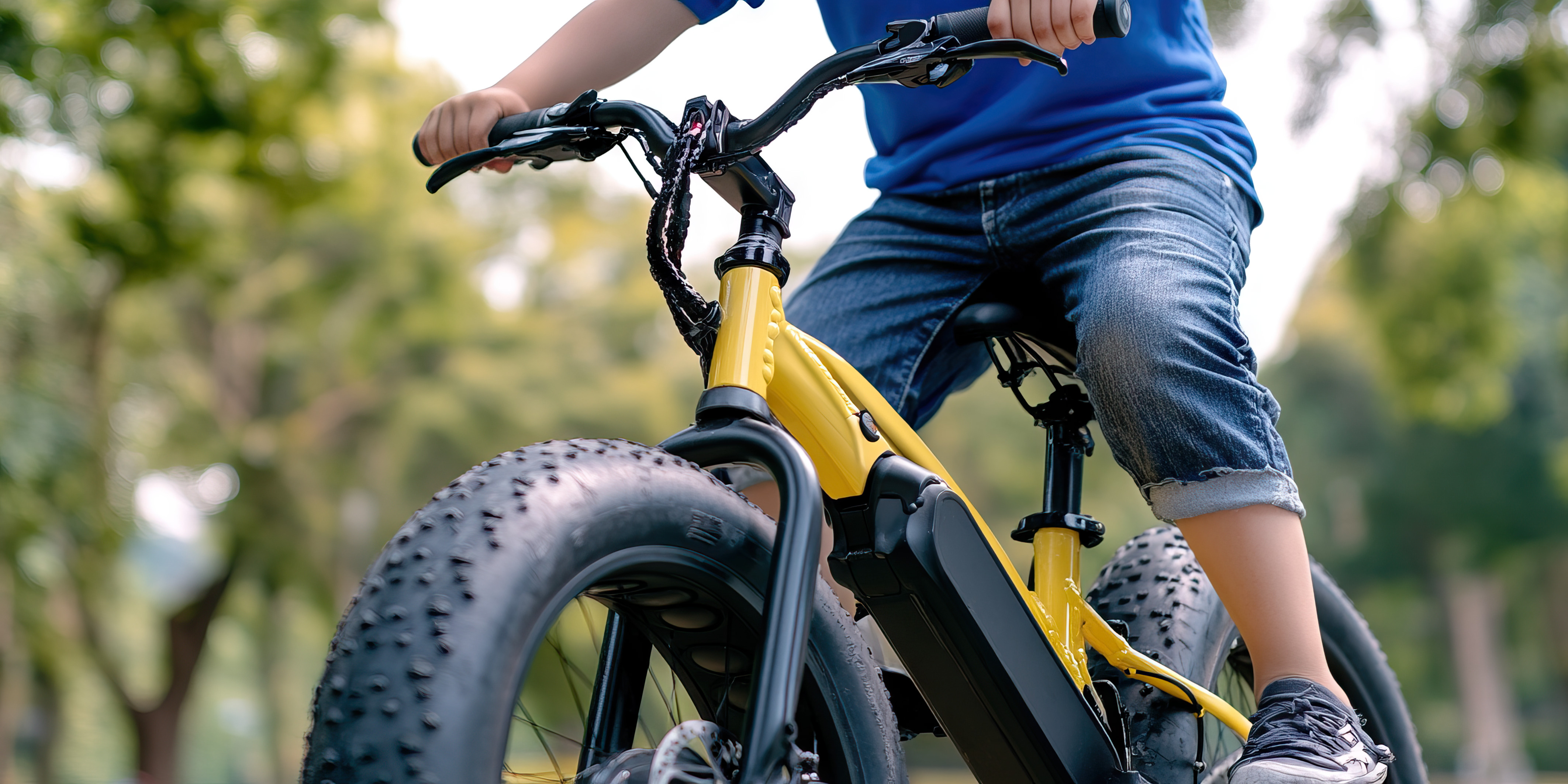
What I am seeing more frequently in our neighborhoods is alarming: children and teens riding high-speed electric bikes, electric scooters, and small motorized cycles without helmets, with helmets unstrapped, or wearing them incorrectly. Many of these devices are capable of speeds comparable to moving traffic, yet they are often treated as toys rather than powerful motorized vehicles with serious injury potential.
Parents must understand that a fatal head injury does not require a dramatic crash or extreme speed. I have personally seen deaths occur from simple falls, low-speed impacts, or brief loss of balance when a rider’s head strikes pavement, a curb, or a fixed object. The human skull and brain are not designed to absorb sudden impact. One uncontrolled fall can permanently alter — or end — a life in seconds.
Helmets only provide protection when they are properly fitted and securely fastened. A loose or unbuckled helmet offers little to no protection. Allowing a child to ride without proper helmet use is not a minor oversight — it is a serious safety failure.
More importantly, parents are responsible for the type of equipment their child is allowed to operate and the speed at which it is used. Many electric bikes and scooters marketed to families have power, acceleration, and top speeds far beyond what a child or young teen can safely manage. Parents must educate themselves about the true capabilities of these machines before purchasing or allowing their use. A child does not possess the judgment, reaction time, or physical control to safely operate high-powered motorized equipment without close supervision and firm limits.
If a device is capable of traveling at traffic-level speeds or accelerating faster than a child can safely control, it should be treated with the same seriousness as any motorized vehicle — including age appropriateness, maturity assessment, helmet enforcement, speed restriction, training, and supervision. Handing a child a high-speed electric vehicle without these safeguards places that child at unacceptable risk.
This is not about fear — it is about informed parenting, responsibility, and prevention. Parents must actively educate themselves, set firm safety rules, enforce helmet compliance every ride, limit speed and riding areas, and ensure the equipment matches the child’s age and ability. Preventable injuries are not accidents — they are failures of preparation and oversight.
I urge parents to take this responsibility seriously. I have stood beside too many grieving families who believed, “It wouldn’t happen to us.” Once a head injury occurs, there is no rewind button.
Protect your children. Strap the helmet. Control the speed. Choose age-appropriate equipment. Supervise every ride. A life may depend on it.