
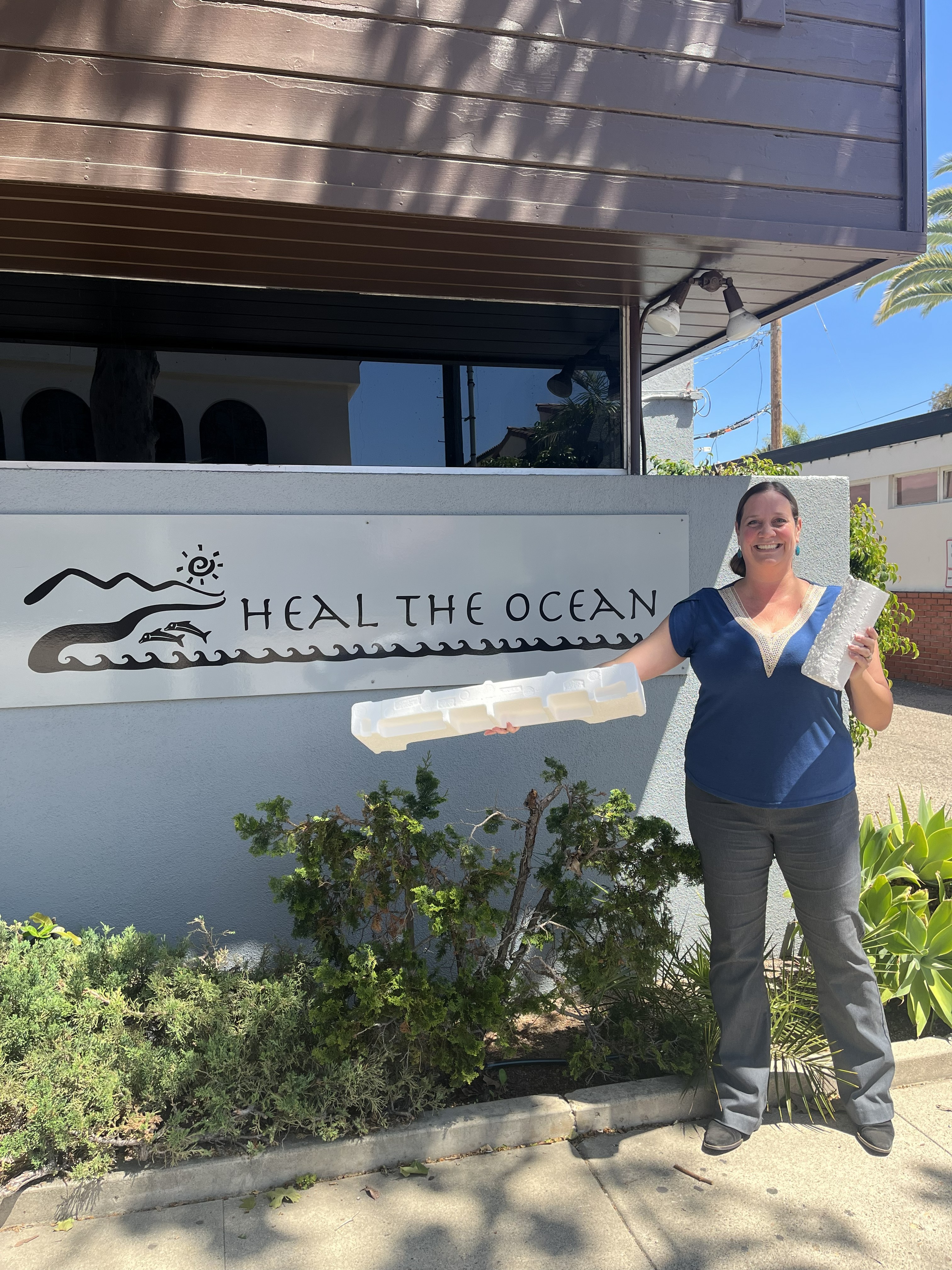
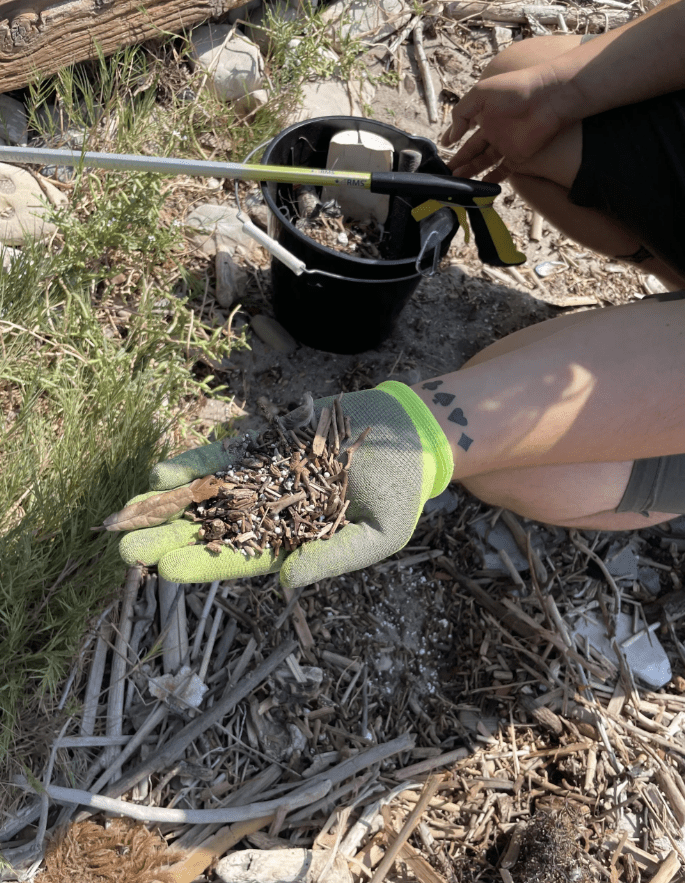
Volunteers for beach cleanups in Santa Barbara may have noticed that the most omnipresent garbage along our coastline isn’t cigarette butts or bottles or cans. It’s Styrofoam, or expanded polystyrene. Like snow, it’s become almost indistinguishable from grains of sand on certain areas of the beach.
But Heal the Ocean (HTO), a Santa Barbara–based nonprofit, is partnering with MarBorg Industries to prevent more of these toxic snowflakes from littering the coast.
By purchasing new, specialized equipment, they can now recycle far more material on-site. Since the program’s start in 2021, it’s diverted more than 80,000 pounds of styrofoam from landfills, according to HTO.
It’s estimated that styrofoam can take more than 500 years to decompose — and more than five billion pounds of it ends up in American landfills and waterways each year, making up a significant portion of the waste in landfills. Less than one percent of the stuff is recycled. It’s notoriously difficult to handle, due to its lightweight, bulky nature. In landfills, it takes up space and often escapes into the environment.
It’s mostly air and plastic, used for packaging and food containers, but can break down into tiny microplastic particles and scatter into the surrounding environment. Animals mistake it for food. It releases methane gas when it sits in landfills. And it’s also been linked to cases of leukemia and lymphoma cancer in humans.
According to HTO, the Central Coast’s Tajiguas Landfill is “already under pressure from growing waste volumes. Diverting bulky materials like EPS reduces landfill strain and keeps coastal ecosystems healthier.”
HTO first began gathering loose foam and storing it in their back office, but the program has since expanded into taking clean foam packaging from community members and businesses from Santa Barbara to Goleta, which can be dropped off at local MarBorg facilities. They then process and compress the materials for reuse.


New equipment is helping expand Styrofoam recycling at local Marborg facilities. | Credit: Harry Rabin, Heal the Ocean.
Once the material is compressed, it is sent to manufacturers to be transformed into products such as picture frames, home molding, and other items. MarBorg’s new equipment — called a “densifier” — allows compression to happen on site instead of being trucked somewhere else, reducing program emissions by more than 70 percent, according to HTO. It’s the only recycling program of its kind between Los Angeles and San Francisco.
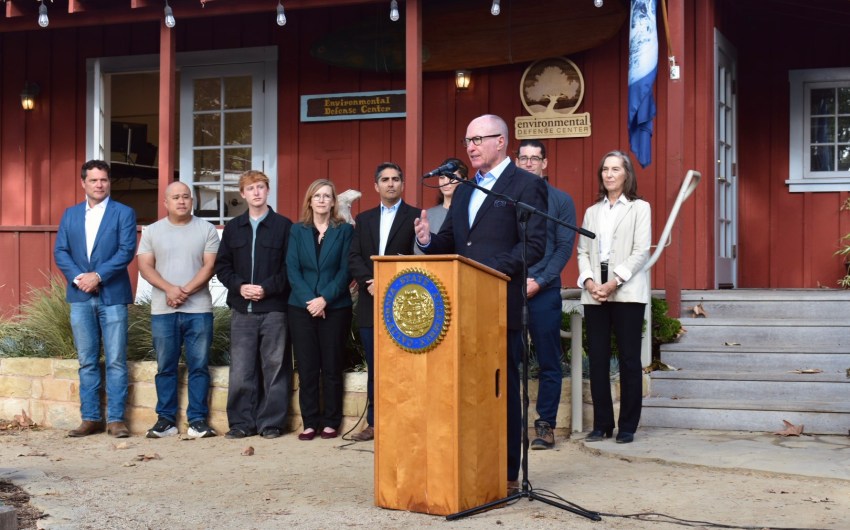
“Expanded polystyrene is one of the most destructive materials entering our oceans,” said Karina Johnston, HTO executive director. “By investing in densifying equipment and expanding our program, we can now recycle more foam than ever before, keeping it out of landfills, preventing plastic pollution in the ocean, and turning it into something useful for the community.”
Residents and businesses are encouraged to bring clean, dry EPS foam to participating MarBorg facilities. Clean foam can be dropped off at the downtown Santa Barbara MarBorg facility (132 Nopalitos Wy.) or Goleta (20 David Love Pl.). To donate to the program, visit healtheocean.org.






You must be logged in to post a comment.