A bill that would have effectively weakened protections for animals and plants under the Endangered Species Act (ESA) was pulled last-minute before a vote by the U.S. House of Representatives on Earth Day (April 22).
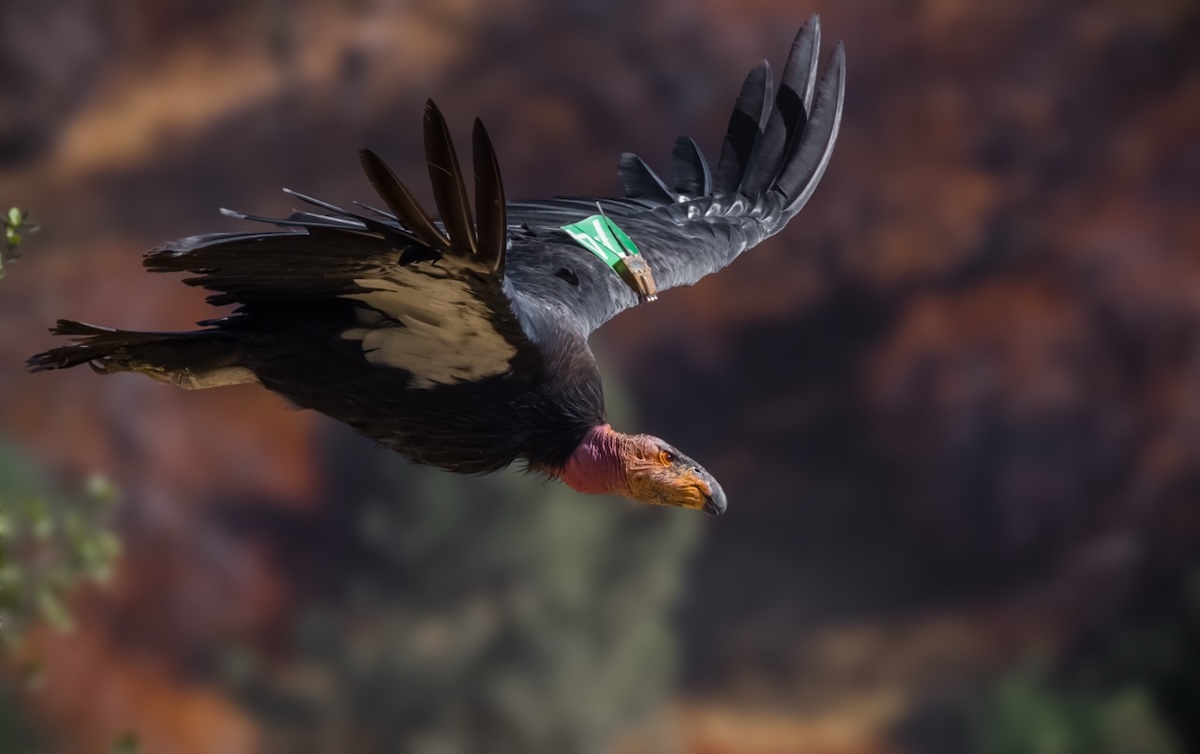
For endangered California condors and steelhead trout recovering in the backcountry canopies and streams of Los Padres National Forest, no vote is good news, according to Central Coast environmental groups.
Los Padres ForestWatch said the bill would not have directly targeted Los Padres — home to 26 federally listed threatened or endangered species — but it would have affected how species protections would be applied in the first place.
It would have slowed the process of listing species and fast-tracked delisting — meaning, if the federal government wished to remove any species from protection, it would have been able to do so more quickly.
Introduced on March 6, 2025, by Rep. Bruce Westerman, a Republican from Arkansas, the ESA Amendment Act (HR 1897) was met with bipartisan opposition and dogpiling by environmentalists on both sides of the aisle.
In his announcement of the bill, Westerman claimed that the ESA Amendment Act was a reform for “the sake of the environment and the economy,” to “return power to private landowners while simultaneously protecting endangered species in a responsible way.” He claimed the ESA has been “weaponized” and the red tape involved is “impeding our ability to move forward on vital land management practices and even building important and necessary infrastructure, all in the name of environmental activism that’s actually doing more environmental harm than good.”
The bill would have increased the involvement of states, tribes, and local governments in implementing the Endangered Species Act, while retaining federal authority, shifting some influence out of the hands of the federal government and onto states — many of which do not have the resources or legal mechanisms in place to adequately handle conserving listed species, environmentalists argue.
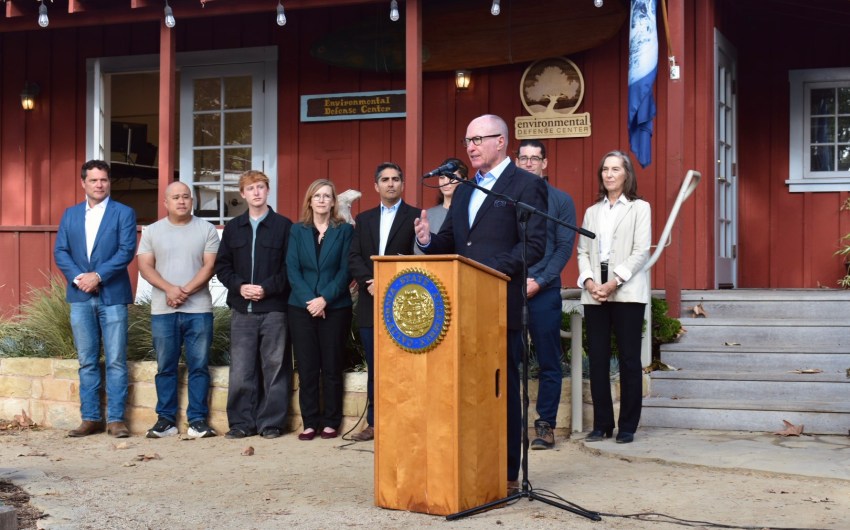
Multiple Central Coast environmental groups — including the Santa Barbara Botanic Garden, Santa Barbara Museum of Natural History, Gaviota Coast Conservancy, ForestWatch, and the Environmental Defense Center — signed onto a letter opposing the bill, writing that it would “gut review of permits that allow ESA-listed species to be harmed or killed,” and treat those permits as though exempted from review by the “God Squad” — the Endangered Species Committee — “even if the permits pave the path to extinction.”
The ESA has been essential to protecting biodiversity and preventing the extinction of animals, fish, and plants, the letter argues, with nearly all species listed under the ESA being saved from extinction and hundreds more “on the path to recovery today.”
Asked about the attitudes of the Trump administration toward established environmental protections — many of which the administration is actively trying to dismantle or weaken, such as the Roadless Rule — ForestWatch Director of Policy & Legislative Affairs Carla Mena said their organization is currently tracking close to 250 federal bills that could threaten public lands or wildlife, and another 240 at the state level.
“It just kind of goes to show that, even though we feel hopeless, there is hope,” Mena said of the House’s decision to indefinitely delay the vote on ESA reform. “The more that we speak out, we see that it actually does have an effect.”
However, she warned, while the delay is significant, the bill still could return for a vote in the future.
“While I am glad public outcry forced Speaker Johnson to pull this bill, our work is far from over,” Santa Barbara Congressmember Salud Carbajal said in a statement. “I’ll keep fighting in Congress to strengthen protections for wildlife on the Central Coast and across the country.”