

Art-watchers in Santa Barbara understand that one reliable time and place for finding more challenging, mold-breaking, and potentially trailblazing work is out at UCSB, come the end of each academic year. In the current short-run 2026 MFA Thesis Exhibition: Fault Lines, at the UCSB AD&A Museum through June 7, this year’s crop of MFA candidates come out to play and show concepts and wares, in an officially sanctioned and strictly non-commercial context.
As has been the case in past years, the fruits of their MFA-timed labors are once again enticing, in multiple directions. In the curatorial text by Alida Jekabson and Kristin Yinger, a connective thematic tissue between the seven artists here is suggested through the observation that “collectively, their work asks visitors to examine their own perceptions of fault lines as not only splits but also openings in existing, constructed, and imagined realms.”
Definitions and any sense of an umbrella agenda are suitably broad and loose enough to encompass the inherent distinctions among the artists here. It’s a general trend in the MFA shows, connected but not bound by a restrictive theme. Virtual reality sits well with stuffed and encoded animals, loaded grocery store allusions, and Iranian wartime angst via weavings. It’s the MFA way.
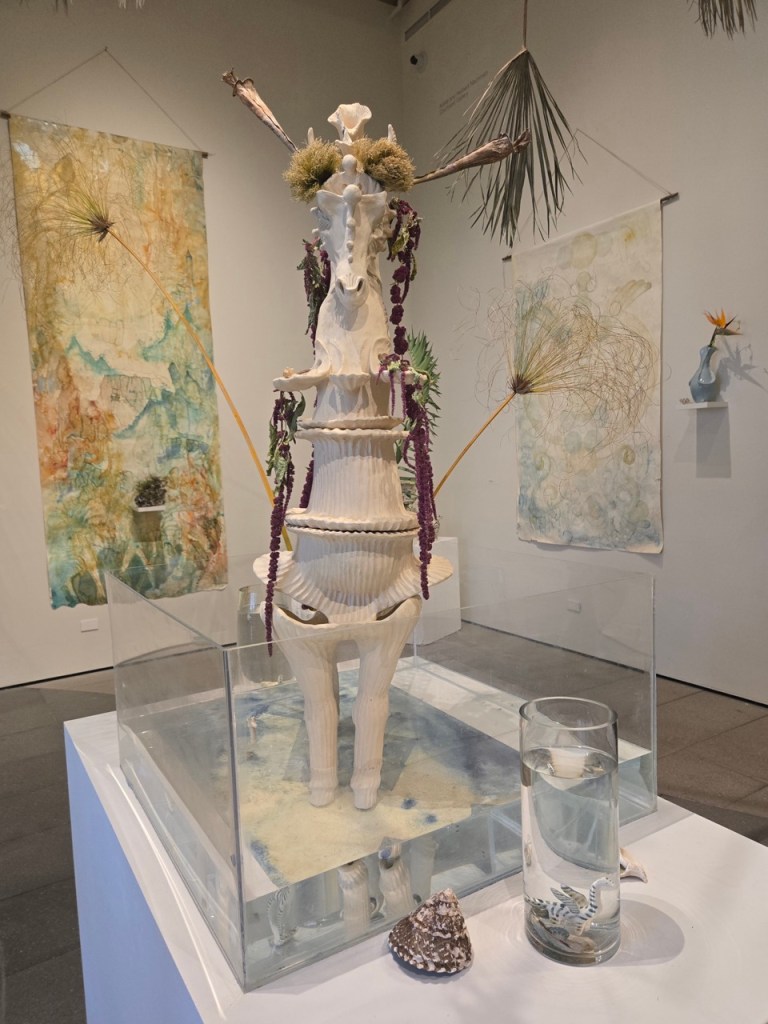
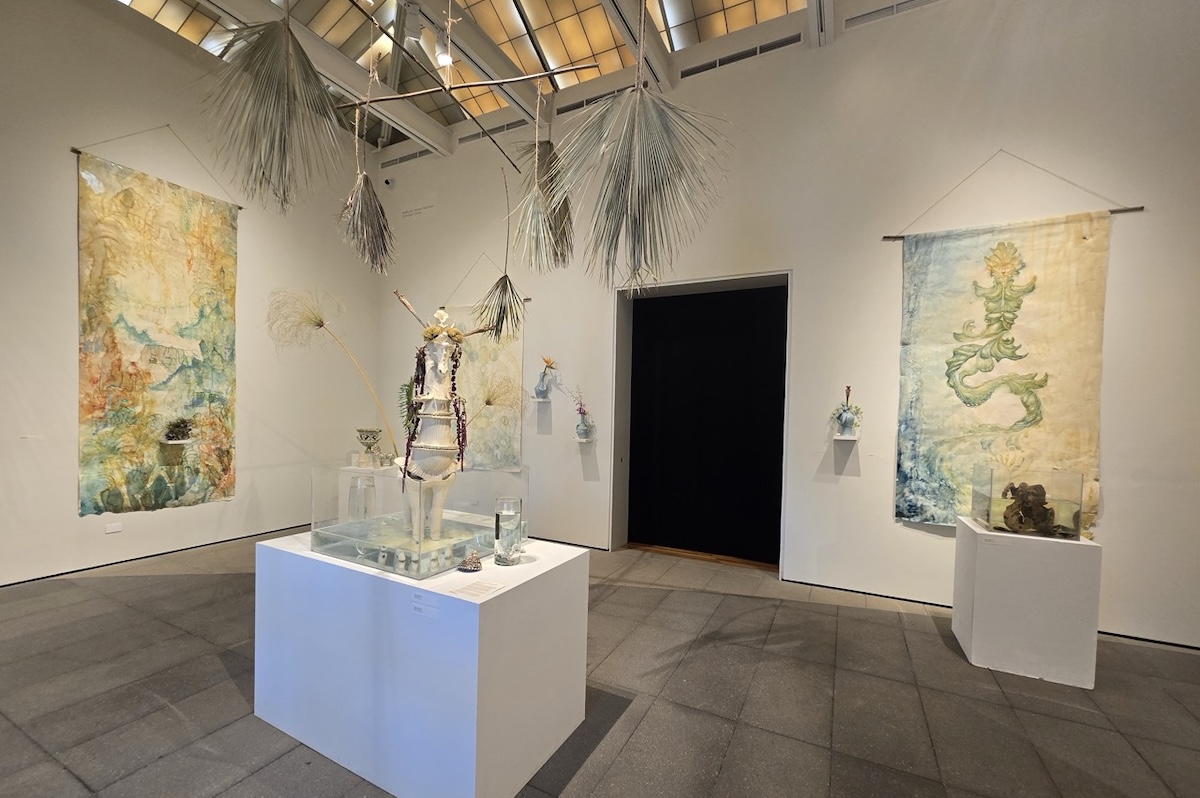
The MFA show commences in the tall-ceilinged lobby gallery on a note of local-ish color. Hope Christofferson’s body of work under the moniker “The Fantasea” blends rerouted kitsch and sea references, with ironic, decorative sculptures and tall, scrolling fabric pieces (“Kelpmaid,” “Fantasea Map”), made from “watercolor, coffee, and Pacific Ocean water.” Seaside dreaming and high-low culture surfing are abuzz here.
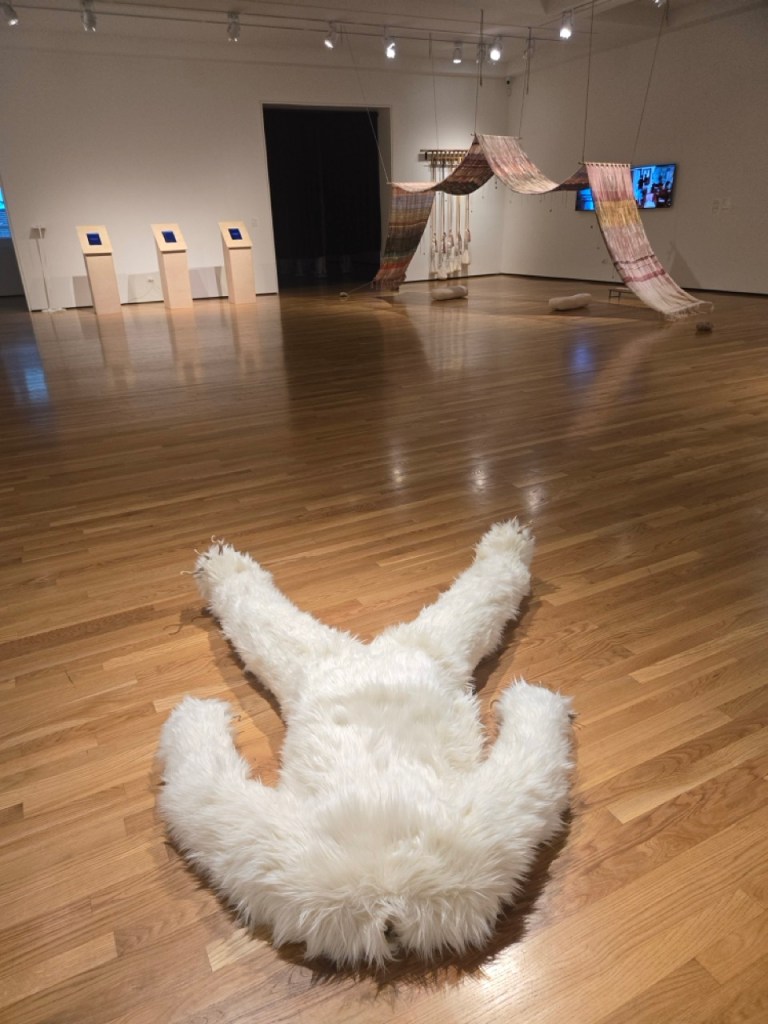
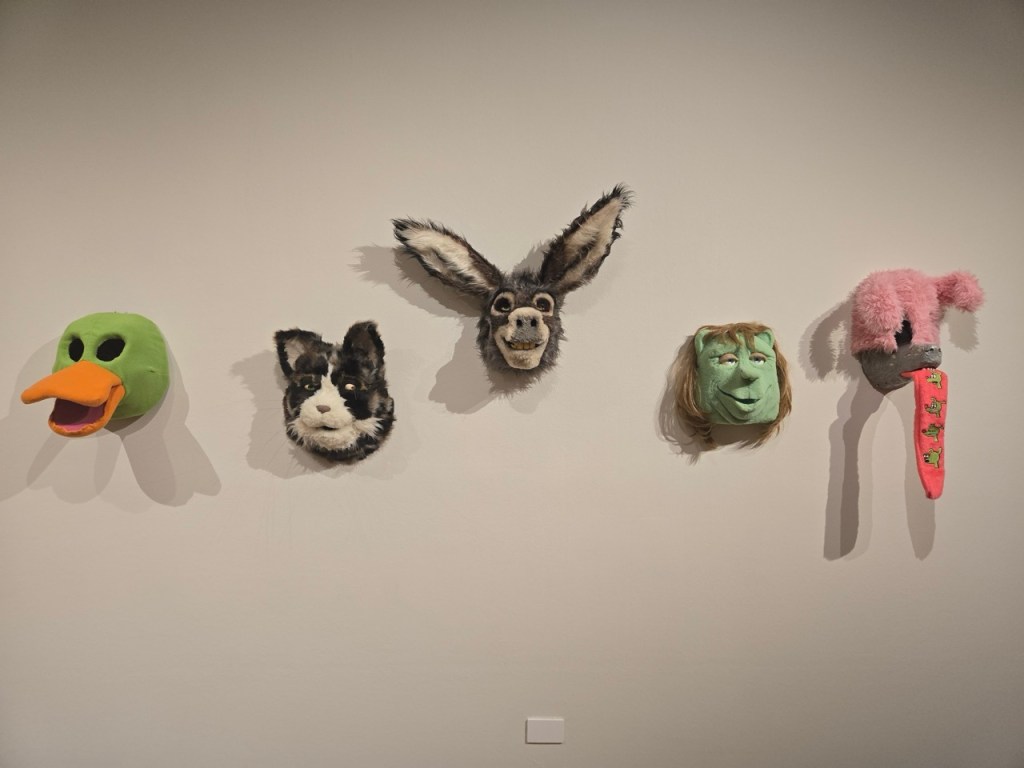
With her art, Tiffany Aiello deals with what she calls a “hybrid world between object, animal, and human.” This manifests itself in “Masks,” a wall of animal heads, alternately cartoonish and reality-based, on the wall, and “Pygmalion,” a headless white-furred creature splayed on the floor. The compromised creature imposes a disquieting yet weirdly whimsical presence in the gallery.
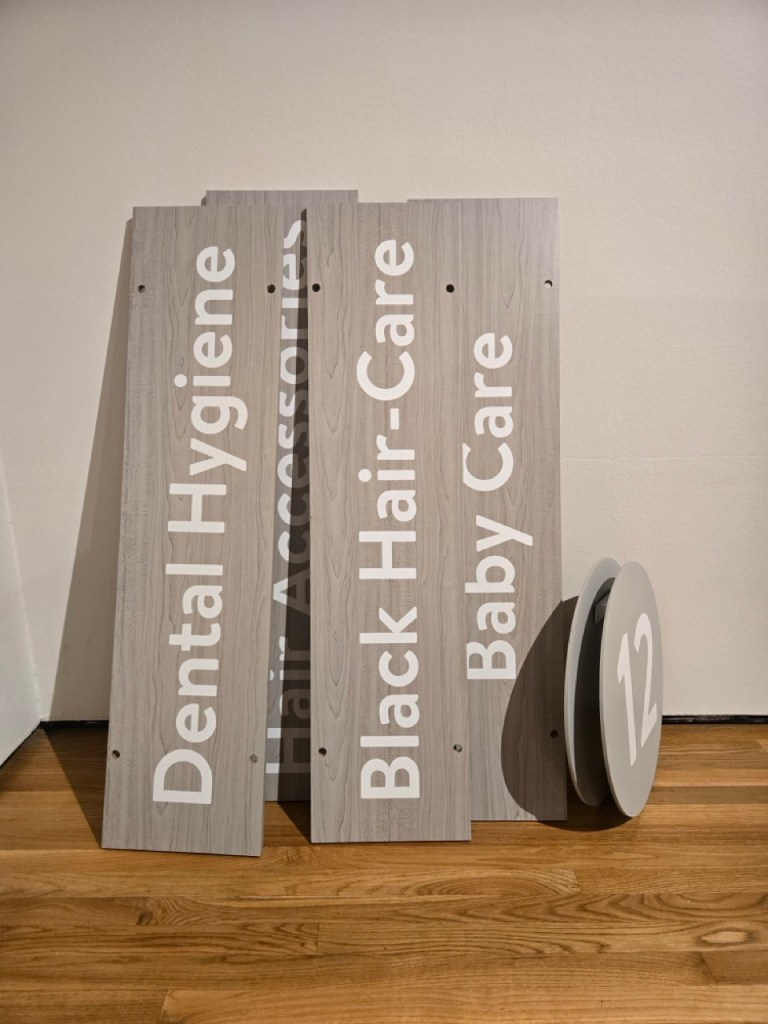
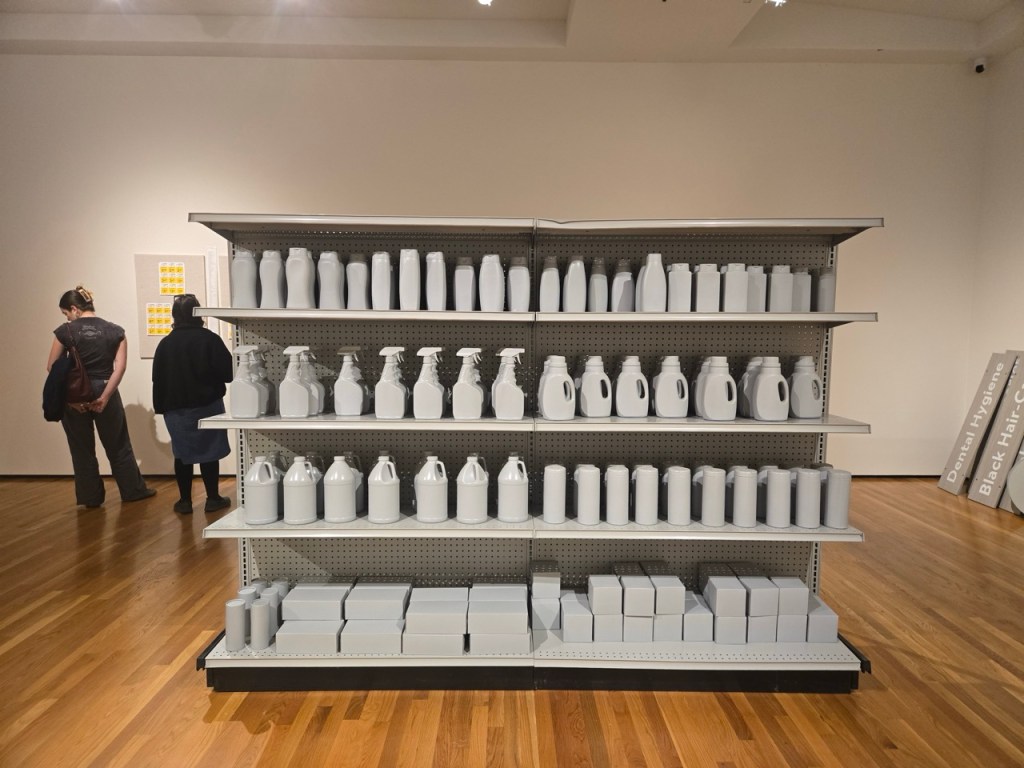
A very different presence appears in the opposite corner of the main gallery space, where KeyShawn Scott’s installation “Aisle 12,” a “deconstructed grocery store aisle,” concerns tropes of commerce and consumerism, and is flecked with commentary on racial and socioeconomic divides in the public commercial landscape.
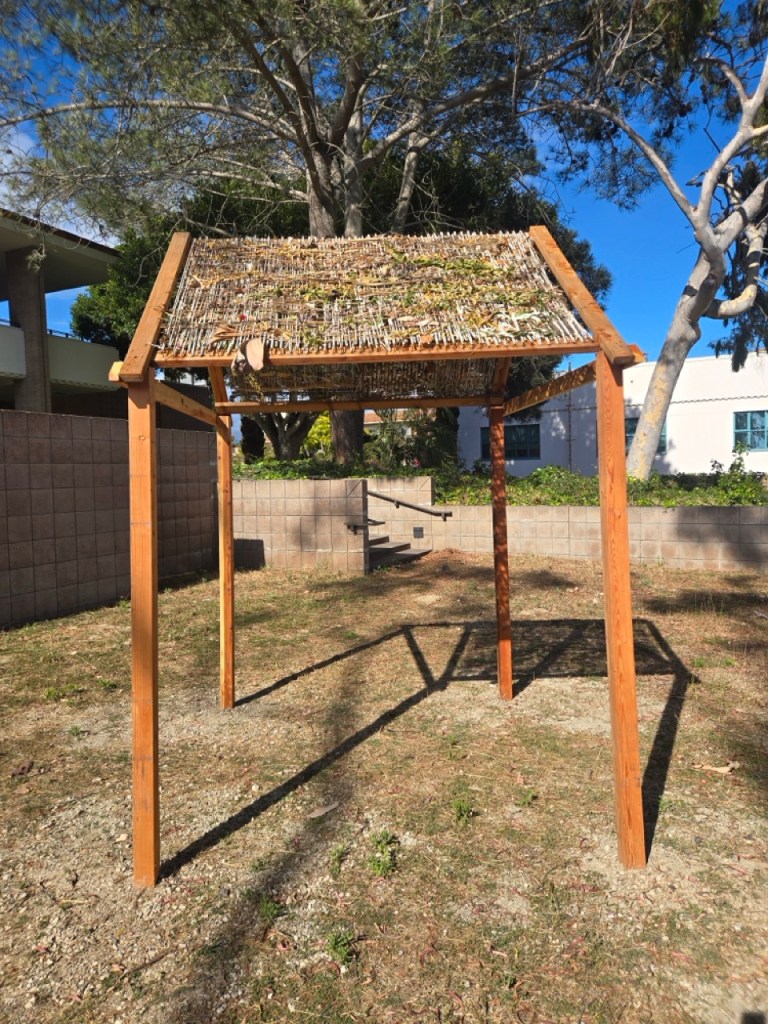
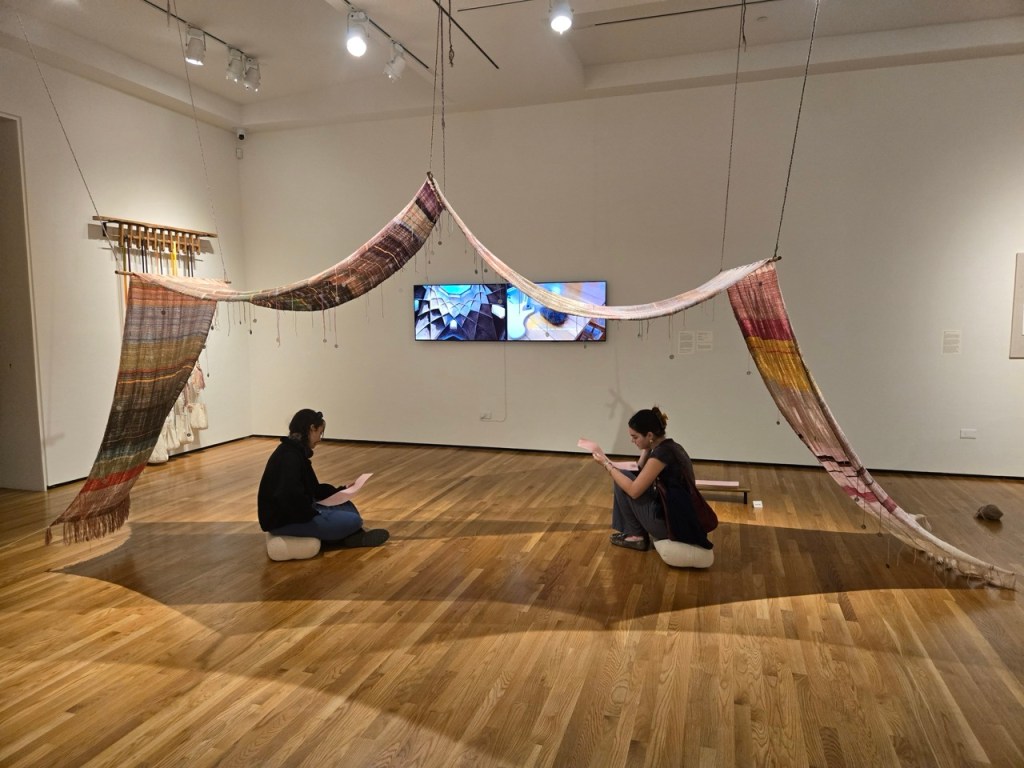
The current Iranian crisis, at the hands of the U.S.’s warring aggression, filters into the gallery in a deceptively calm way with Iranian-born artist Nejar Farajiani’s “Weaving Home/Weaving Narratives.” Her multimedia artwork consists of a mesh of references to and examples of the weaving arts, expertly crafted by the artist “between the wars” — Israel’s attacks in June of 2025 and the Trump-ed war starting this spring. Farajiani also shows her public sculpture “Shelter of Shadows,” a fragile, skeletal, hut-like dwelling set outside, overlooking the lagoon.
Fake news and the elasticized relationship with the truth, in the age of social media and AI tampering, is at the heart of internet artist Emily D’achiardi’s “Recording the State.” Her partially interactive installation asks the viewer to suss out veracity in headlines, such as “Resetting the Goal Posts: White House Announces ‘New Media Seat.’ Opens Press Room to Influencers.” Would we put it past them?
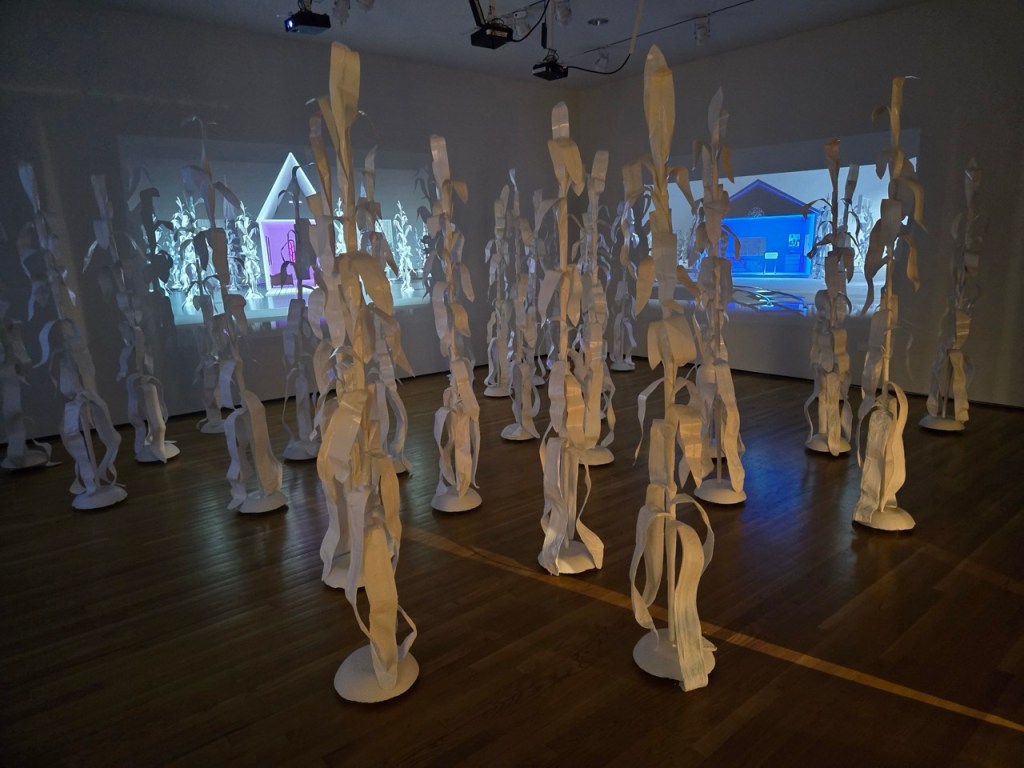
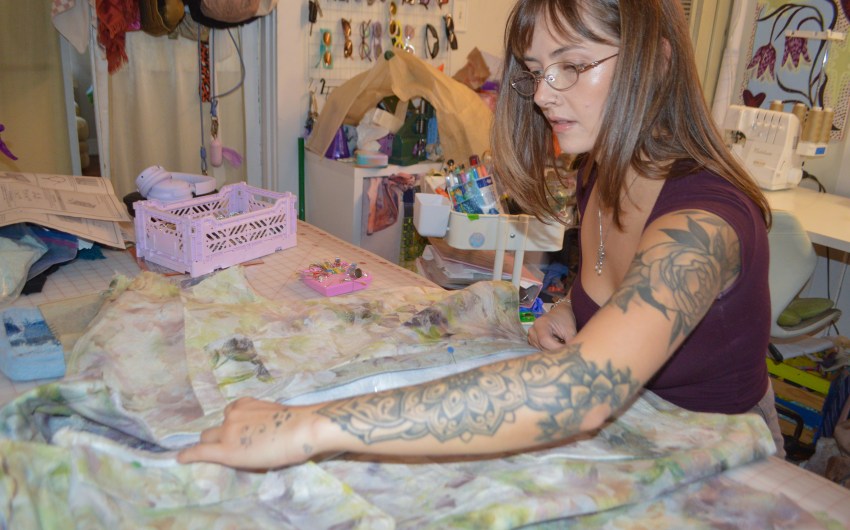
The museum’s back gallery has been transformed by Alexis Childress into a dimly lit domain and atmospheric installation filled with ghostly white facsimiles of cornstalks and digitally sculpted church, home, and workplace (a salon serving as both a location for work and a community gathering). It is part of the artist’s The Mid-West series, with echoes of her upbringing in the small — and racially divided — midwestern town of Jacksonville, Illinois.
No specific place or physical reality is tapped in another transformed gallery space, given over to the work of Vivek Karthikeyan. His piece, aptly dubbed “Dreaming of Waking Up,” is a video installation and a gallery of one’s own, awash in imagery of rushing, gushing water and subjective road footage. Motion and mediation are touchstones here, to dreamlike — or waking dreamlike — ends. Further sensory immersion is provided by virtual reality glasses, with art channeling technology in the service of an ultimately contemplative objective.
Karthikeyan’s self-enclosed artistic dream world is just one of the many disparate worlds visited and created by these MFA artists, plugged into contemporary realities while conjuring their own making. These emerging artists, heading out into the world and into finding their place in as-yet-undiscovered art scenes, add up to an intriguing gallery of ideas and impulses.
Once again, we can count on MFA to shake up and wake up the local art space status quo.
The 2026 MFA Thesis Exhibition at the UCSB AD&A Museum runs through June 7. For more information, see museum.ucsb.edu/exhibition/2026-mfa-thesis-exhibition-fault-lines.



You must be logged in to post a comment.