
Artificial intelligence is already reshaping how students write, think, and learn — proving itself to be a double-edged sword. At Dos Pueblos High School and UC Santa Barbara, the next generation is being taught how to use it as a tool, not a crutch — and recently, UCSB has announced it will launch a new undergraduate major in artificial intelligence for the 2026–27 academic year.
Many folks try to pick out the software’s writing, saying that the heavy use of em dashes, or the “it’s not this, it’s this” formula are telltale signs. The issue with that train of thought is that both are frequently used in AI-produced writing because that is based on human-produced writing, which uses both.
As far as AI detection goes, many UCSB professors try to discern their students’ work from a robot through the use of artificial intelligence detectors (which are also powered by artificial intelligence), such as Turnitin. The AI platforms that students use such as Chat GPT and Google Gemini are Large Language Models (LLMs), which means they take the most familiar patterns used in writing, coding, calculations, etc. and spit out the most likely answer. If the answer is the most likely one, how hard is it to differentiate between it and a real student?
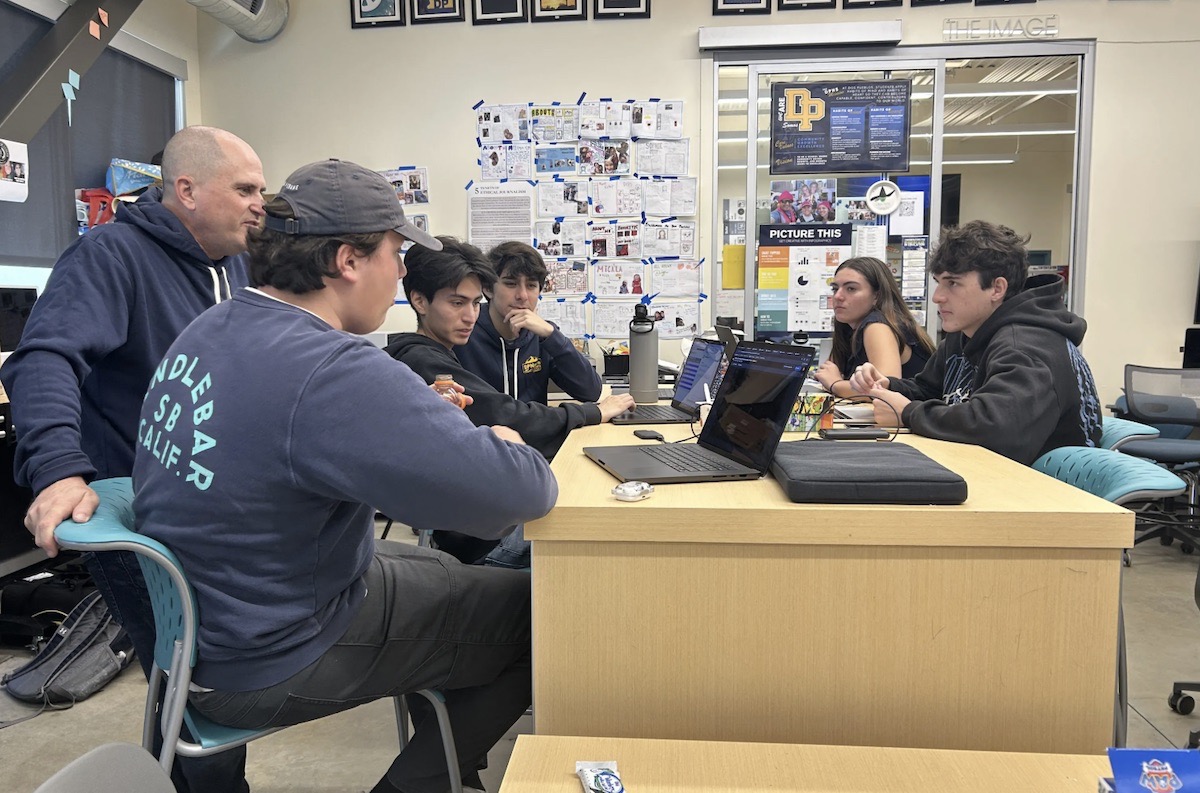
“There is no such thing as an AI detector,” said Dos Pueblos High School video production and yearbook teacher John Dent.
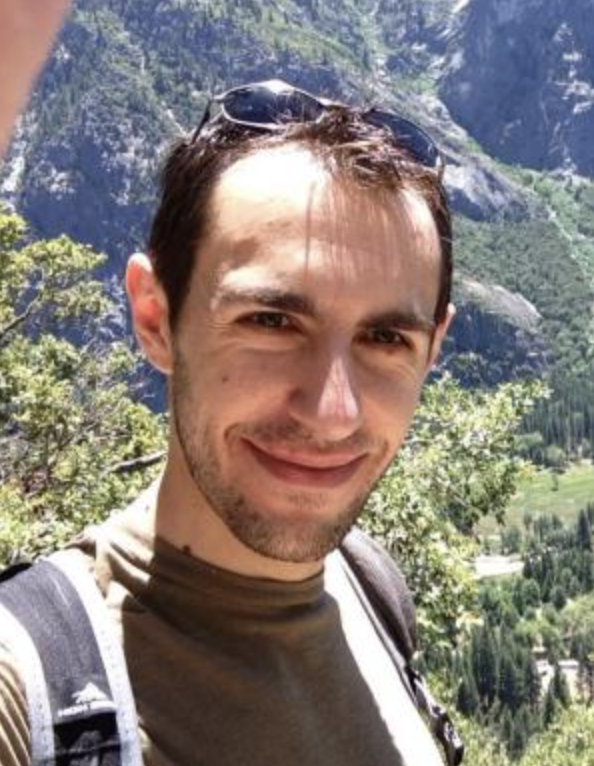
UCSB multimedia and writing professor Daniel Frank agreed. “You cannot detect AI writing,” he said. “We speak in patterns. That’s what AI produces — patterns.”
False positives and false negatives, he added, make enforcement unreliable, particularly for students who already write in formulaic ways, including English-language learners.
“If we just say, ‘Don’t use it,’ all we’re doing is pushing it into the shadows,” Frank said. “And then students use it in all the wrong ways without understanding what it is.
“Writing is thinking,” Frank continued. “You don’t know what you’re thinking until you articulate those thoughts.”
LLMs do not think but predict — generating the most likely next word, sentence, or idea. The result can sound insightful. But it is, at its core, pattern recognition — nothing new.
At Dos Pueblos High School, Dent said the approach to artificial intelligence depends largely on the subject. In media and engineering classes, students are encouraged to use AI to refine their work, improve scripts, organize ideas, and use it as a soundboard.
“If they need a starting point, sometimes they’ll go to AI,” Dent said. “Then we have them build from it.” In those settings, AI functions as a tool — something that can elevate work if used critically. But in more traditional disciplines, like English and history, the other edge of the sword comes into focus. Assignments meant to develop writing and analytical skills can be completed entirely by a machine, with little thinking required.
Frank put it simply: “You can use it well and carefully,” he said. “You can also use it really poorly in ways that are bad for you and bad for the world.”
Its dual nature is part of what universities are now responding to. Approved by the Academic Senate, UCSB’s new AI major is described by faculty as a turning point. “Artificial intelligence has rapidly risen to become perhaps the most important technological advancement of this decade,” engineering dean Umesh Mishra told UCSB’s The Current, who noted the field carries both “immense possibility to do good” and the need for “abundant care” in how it is used.
But outside the classroom, there are fears it will come for these graduates’ jobs. In San Francisco, billboards have appeared over the past year with a striking message: “Stop Hiring Humans. The Era of AI Is Here.”
Frank does not see it that way. “AI will surpass humans in some ways,” he said. “It already has.” Speed, scale, and efficiency are not human strengths. But expertise, he argues, is different. “AI will not replace an expert,” he said. “It doesn’t have judgment.”
Reporting has shown that AI cannot replace human interaction or care. It cannot be your therapist or your girlfriend. It cannot put out a fire, be your life-saving surgeon, or write an article the exact way anyone in this newsroom can. But, according to professors and teachers at local high schools and universities, its proper use can be taught.
Related Posts


Premier Events
Sat, Oct 10
9:00 AM
Santa Barbara
Treble Clef Chorus Fall Treasure Sale
Sun, Oct 11
5:00 PM
Santa Barbara
Trinity Choir: Choral Evensong

Fri, Oct 09
7:00 PM
Santa Barbara
Paseo Nuevo Spooky Movie Nights
Sat, Oct 10
9:00 AM
Santa Barbara
SBNC 1st Annual Health & Wellness Fair
Sat, Oct 10
1:30 PM
Goleta
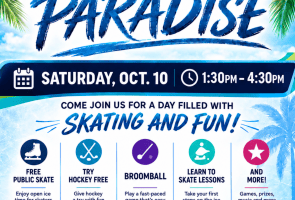
🌴 Another Day in Paradise at S.B’s Premier Ice Rink

Sun, Oct 11
7:00 AM
Ojai
Flamenco Guitarist Tony Ybarra
Sun, Oct 11
10:00 AM
Santa Barbara
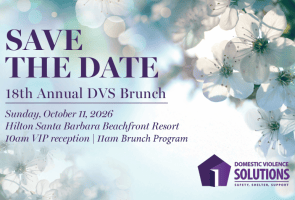
18th Annual Domestic Violence Solutions Brunch
Sun, Oct 11
10:00 AM
Santa Barbara
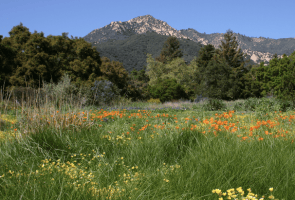
Free Community Day at S.B. Botanic Garden
Sun, Oct 11
10:00 AM
Santa Barbara
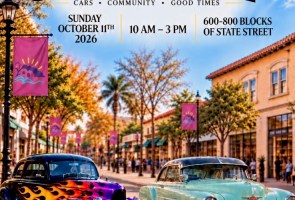
Downtown Classic Car Show Santa Barbara
Sun, Oct 11
11:00 AM
Santa Barbara
Raíces y Sueños: Bilingual Storytime at Santa Barbara Museum of Art

Sun, Oct 11
2:00 PM
Santa Barbara
The Theatre Group at SBCC Presents: “CLUE”
Sun, Oct 11
10:00 PM
Santa Ynez
Inaugural Santa Ynez Art Walk
Sat, Oct 10 9:00 AM
Santa Barbara
Treble Clef Chorus Fall Treasure Sale
Sun, Oct 11 5:00 PM
Santa Barbara
Trinity Choir: Choral Evensong
Fri, Oct 09 7:00 PM
Santa Barbara
Paseo Nuevo Spooky Movie Nights
Sat, Oct 10 9:00 AM
Santa Barbara
SBNC 1st Annual Health & Wellness Fair
Sat, Oct 10 1:30 PM
Goleta
🌴 Another Day in Paradise at S.B’s Premier Ice Rink
Sun, Oct 11 7:00 AM
Ojai
Flamenco Guitarist Tony Ybarra
Sun, Oct 11 10:00 AM
Santa Barbara
18th Annual Domestic Violence Solutions Brunch
Sun, Oct 11 10:00 AM
Santa Barbara
Free Community Day at S.B. Botanic Garden
Sun, Oct 11 10:00 AM
Santa Barbara
Downtown Classic Car Show Santa Barbara
Sun, Oct 11 11:00 AM
Santa Barbara
Raíces y Sueños: Bilingual Storytime at Santa Barbara Museum of Art
Sun, Oct 11 2:00 PM
Santa Barbara
The Theatre Group at SBCC Presents: “CLUE”
Sun, Oct 11 10:00 PM
Santa Ynez


You must be logged in to post a comment.