
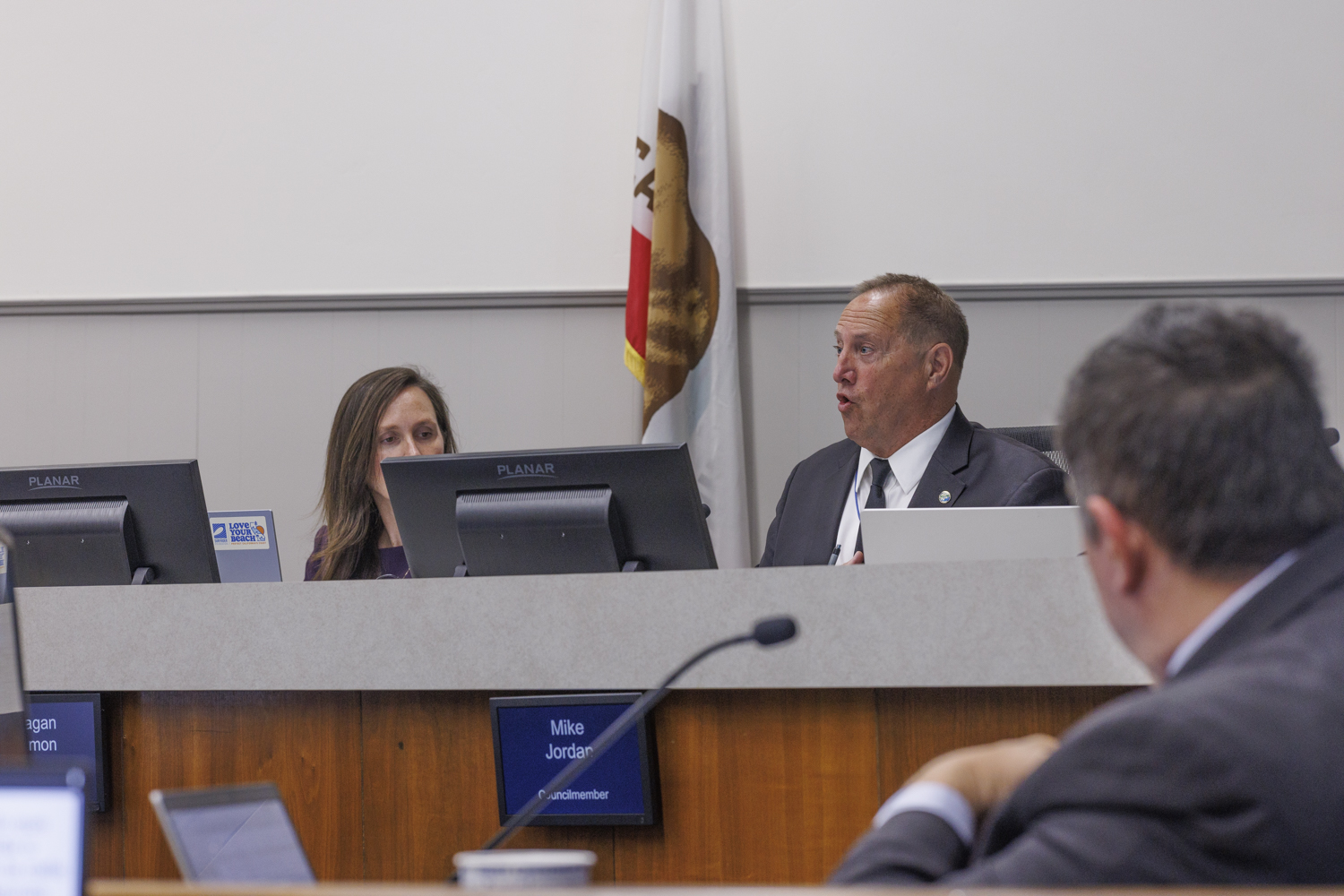
The Santa Barbara City Council moved forward with 10 recommendations that will help shape the city’s new inclusionary housing and in-lieu fee program, in an effort to both make it easier for developers to meet requirements to build new housing and potentially bring in additional money toward the city’s affordable housing fund.
On Tuesday, Long Range City Planner Dana Falk presented the results of a detailed study conducted by BAE, an urban economics firm contracted to help the city craft a more effective inclusionary housing program.
The city’s current inclusionary policies require developers who build rental projects to include at least 10 percent of the total units affordable to moderate income renters; housing units built for sale must set aside at least 15 percent for middle- and upper-middle-income buyers.
So far, these rules have not yielded the results city officials had hoped. Only 13 affordable units have been permitted through these inclusionary requirements since 2019, with just under $400,000 in fees from projects that qualified under the onerous inclusionary code.
The study found the city’s current in-lieu fee to be far too low to make a significant impact on the affordable housing need. And since many projects weren’t given an option of paying a fee instead of building on-site affordable units, developers often walked away from potential residential projects or pursued applications through the state’s density bonus program, which yielded an even smaller percentage of affordable housing units.
City staff drafted a set of recommendations based on the study, intended to meet the city’s goal of bringing in more housing stock while still retaining the necessary proportion of affordable housing available to residents. The recommendations included raising the price per square foot to $50 for both rental and for-sale projects; adjusting the fee rate regularly based on market cost indexes; and allowing in-lieu fees to fulfill inclusionary requirements for more projects.
The city’s Planning Commission had a chance to review the recommendations prior to the council meeting, and supported each of the recommendations, with the request that the fees be raised to the maximum of $91.41 for rental projects and $72.53 for ownership projects. City staff and the city’s consultant recommended the more modest $50 for both, claiming that higher fees often led to fewer housing projects overall.
Councilmembers Kristen Sneddon and Wendy Santamaria both supported the higher fee rates, with both saying that they preferred developers to build the affordable units on-site rather than opt for a more convenient one-time fee.
“If you give them the option, they’ll take it,” Councilmember Santamaria said. “We are already not building enough affordable housing as is, and I have concerns about making it easier to circumvent what I consider to be a duty — if you are building units in the city for profit, you should also be building affordable units, in my opinion. It’s plain and simple.”
Both Santamaria and Sneddon shared concerns about the growing disparity between low-income residents and those who could afford to live in newer market rate units. Sneddon cited data included in the study, which found that the average asking rate for a studio apartment in 2025 was $3,559.
“That’s an eye-popping number,” Councilmember Sneddon said.
Councilmember Mike Jordan was among the council majority who supported the more modest rate as recommended by staff without the revisions requested by the Planning Commission. Jordan said he worried that the burden was already too great for developers to consider building housing, and that any additional hurdles would add to the problem.
“I’m not supportive of anything that puts another higher burden on the development dynamic,” Councilmember Jordan said.
Councilmembers were generally in support of the rest of the recommendations, including plans to tie the rate adjustments to the California Construction Cost Index (CCCI) and to direct all funds to the city’s Local Housing Trust Fund as soon as they are available.
Several councilmembers voiced support for special allowances in the downtown area to meet the city’s goal of bringing thousands of units to the city’s core as part of the State Street Master Plan.
“Housing is probably one of the top two things that needs to be part of that success of the master plan,” Councilmember Jordan said.
All 10 recommendations were approved by the council. Five of the votes were unanimous, while Councilmembers Sneddon and Santamaria either abstained or voted against individual recommendations regarding in-lieu fee rates.
City staff will work toward drafting the program with council direction before returning to the Ordinance Committee and City Council for further consideration later this year.
View the complete inclusionary housing and in-lieu study here.
Related Posts



Premier Events

Wed, Oct 28
5:00 PM
Santa Barbara
Fundraiser for Domestic Violence Solutions

Wed, Oct 28
5:30 PM
Santa Barbara
Coastal Well Woman SB: “Own Your Menopause Journey”

Wed, Oct 28
6:30 PM
Carpinteria
Carpinteria Community Spotlight – El Niño Disaster

Wed, Oct 28
7:00 PM
Santa Barbara
Reel Rock 20 Climbing Film Tour

Wed, Oct 28
7:00 PM
Goleta
IVRPD Presents : Halloween Pumpkin Patch

Thu, Oct 29
12:00 PM
Santa Barbara
Spook Fest at Loubud Wines Halloween Experience

Thu, Oct 29
5:30 PM
Santa Barbara
Silent Movies + Live Organ, Trunk or Treat & More

Thu, Oct 29
6:00 PM
Santa Barbara
Halloween Paint & Sip at Goodland Wine Shop
Fri, Oct 30
12:00 AM
Montecito
Día de los Muertos at The Speakeasy

Fri, Oct 30
11:30 AM
Santa Barbara
🌼💀 Join us for Día de los Muertos! 💀🌼
Wed, Oct 28 5:00 PM
Santa Barbara
Fundraiser for Domestic Violence Solutions
Wed, Oct 28 5:30 PM
Santa Barbara
Coastal Well Woman SB: “Own Your Menopause Journey”
Wed, Oct 28 6:30 PM
Carpinteria
Carpinteria Community Spotlight – El Niño Disaster
Wed, Oct 28 7:00 PM
Santa Barbara
Reel Rock 20 Climbing Film Tour
Wed, Oct 28 7:00 PM
Goleta
IVRPD Presents : Halloween Pumpkin Patch
Thu, Oct 29 12:00 PM
Santa Barbara
Spook Fest at Loubud Wines Halloween Experience
Thu, Oct 29 5:30 PM
Santa Barbara
Silent Movies + Live Organ, Trunk or Treat & More
Thu, Oct 29 6:00 PM
Santa Barbara
Halloween Paint & Sip at Goodland Wine Shop
Fri, Oct 30 12:00 AM
Montecito
Día de los Muertos at The Speakeasy
Fri, Oct 30 11:30 AM
Santa Barbara

