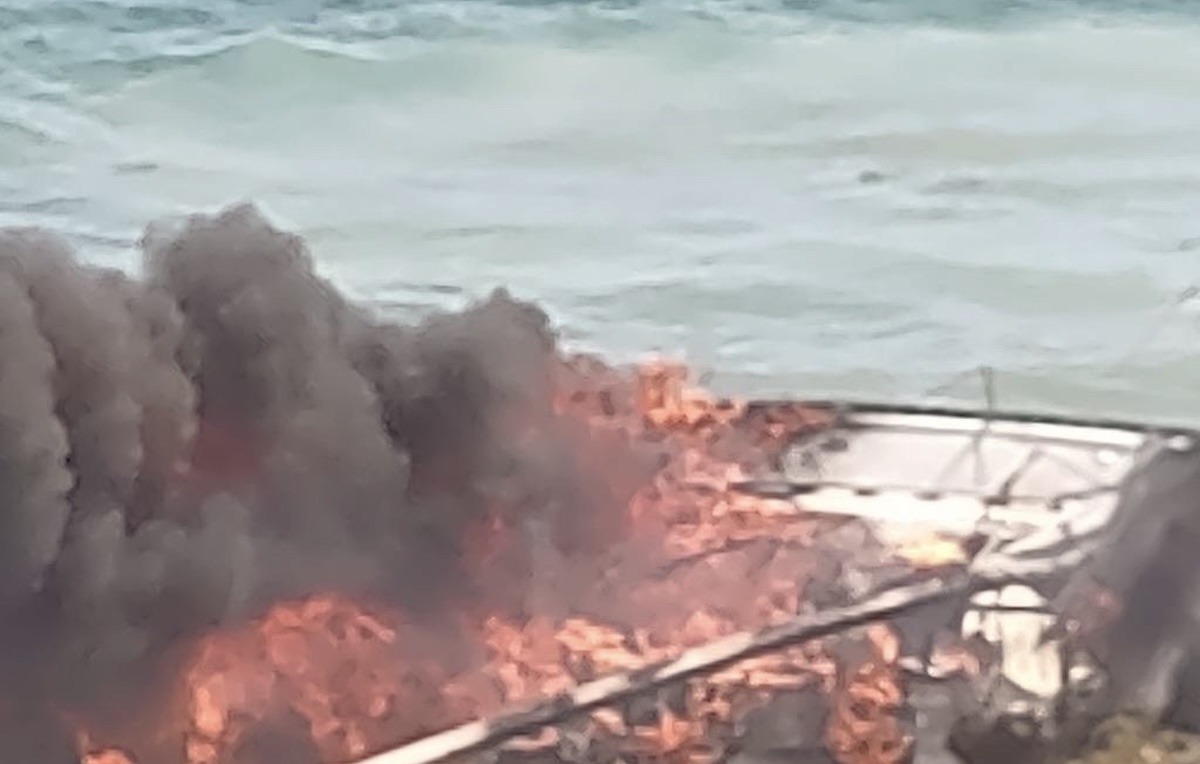
About a week before running aground on Santa Rosa Island and reportedly sparking the largest fire in the Channel Islands recorded history, the captain of the Wet Vette experienced an “engine casualty” and ran aground on neighboring Santa Cruz Island, according to the U.S. Coast Guard.
This same vessel and mariner went on to run aground on Santa Rosa Island about 2 p.m. on May 14. According to a report from Channel Watch Marine Services Inc. — the towing and salvage company in charge of cleaning up debris from the incident — the sailor abandoned the craft due to dangerous sea conditions, and by 3 p.m. the boat caught on fire.
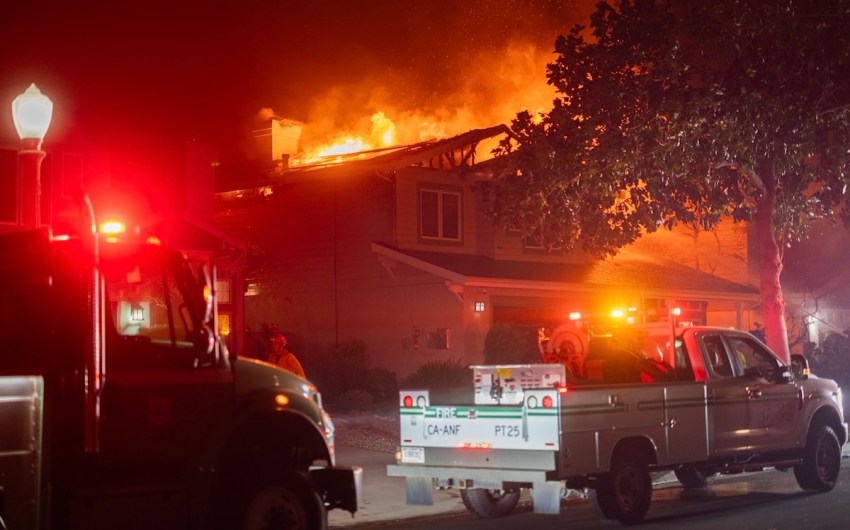
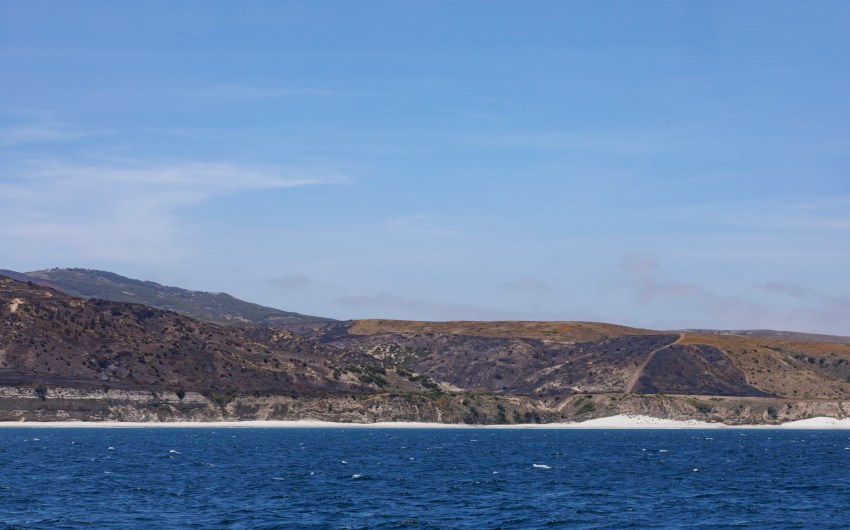
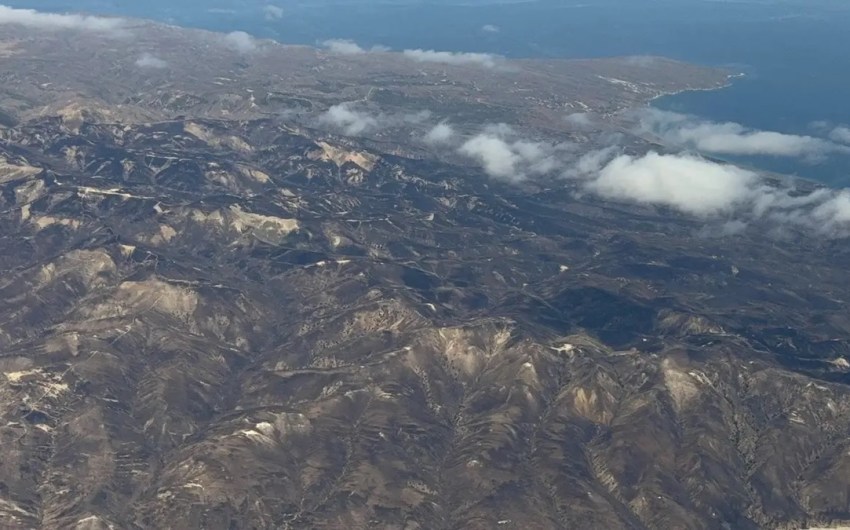
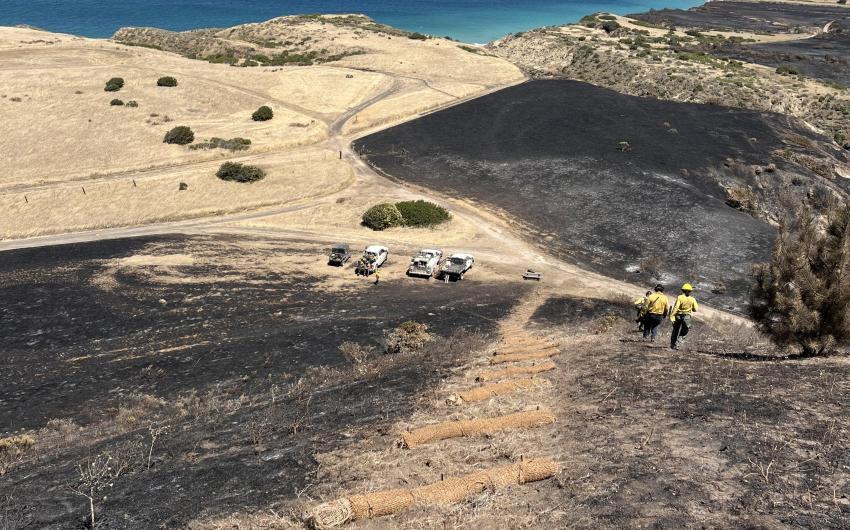
The sailor spent a night on Santa Rosa Island, firing off multiple emergency flares, before authorities were notified of the blaze. The mariner was airlifted off the island on May 15 and taken to Camarillo Airport, according to the U.S. Coast Guard (USCG). The National Park Service said that the “human-caused wildfire” — which consumed around one-third of the island, burning through endangered Torrey Pine groves and destroying two historic structures — remains under investigation. It was expected to reach 100 percent containment on June 4, the park service said.
Previously, the Wet Vette had been sailing through the Santa Barbara Channel on May 6 when it ran aground near Prisoner’s Harbor on Santa Cruz Island’s north shore. The National Weather Service had issued a small craft advisory that morning and afternoon, ranging from the outer waters of Santa Cruz Island to San Clemente Island.
“Inexperienced mariners, especially those operating smaller vessels, should avoid navigating in hazardous conditions,” the advisory reads.
The Coast Guard responded to the Wet Vette in distress, citing the reason for the stranding being an engine failure. Backup was requested from a commercial towing company to free the vessel from the Island.
Coast Guard officers boarded the vessel to conduct a post-rescue safety boarding, finding that the sailor was lacking required safety equipment. His journey of unknown origins was cut short, and the vessel was towed to Channel Islands Harbor by USCG Station Channel Islands and local harbor patrol, according to the Coast Guard.
In the harbor, the boat was not impounded despite lacking safety equipment, and it spent six days moored at the Harbor Patrol dock at the cost of about $100 per night, according to Channel Islands Harbor Patrol. Sergeant Christopher Collins said that he had not seen the boatman in harbor before the day he was towed in and said he seemed like he was moving up the coast. During the mariner’s stint at the Harbor Patrol dock, a good samaritan gave him some safety equipment prior to him heading back out into the Santa Barbara Channel with the Wet Vette, according to Sergeant Collins.
Sergeant Collins said it is common to see folks who don’t have much money or means buy a sailboat because “they see it as a cheap way of living.” These boat buyers often do not take into account how much it costs for slip fees, insurance, and boat maintenance, leaving them jetting from harbor to harbor.
According to the vessel’s title, James Edward Whittaker is the registered owner of the Wet Vette, but U.S. Coast Guard and Channel Islands Harbor Patrol were not able to confirm that he was the man captaining the boat at the time of the strandings. Whittaker purchased the boat in 2023 for the grand sum of one dollar, from a pair of sailing enthusiasts who compete in regattas up and down the California coast. The Hunter 54 was manufactured in 1982 by the now-defunct Hunter Marine out of Florida and passed through the hands of multiple owners before landing in Whittaker’s care.
President of the Santa Barbara Sailing Center Skip Abed said that these boats are designed for comfort rather than speed. Although he wouldn’t recommend the vessel as a blue water boat — a vessel capable of making major sea crossings — the Hunter 54 is suitable for Santa Barbara Channel waters.
“If I had my druthers, I would prefer to have a second crew member on board,” when captaining a vessel like the Hunter 54, said Abed, who’s been sailing since the age of 4. Anchoring a sailboat of this size alone is a major task — and even more so in rough waters — requiring the solo sailor to make multiple trips from the helm to the bow, spanning 50 feet of deck. When dropping an anchor, the sailor needs to keep tension in the chain in order to properly set the anchor on the sea floor, and “in order to have that tension, you need to have the boat in gear, but you can’t have the boat in gear and be away from the helm,” said Abed.
Further details of what happened leading up to the groundings of the Wet Vette on Santa Cruz Island and Santa Rosa Island have not been provided by the U.S. Coast Guard, and a Freedom of Information Act (FOIA) request has been submitted by the Independent to glean more information.