
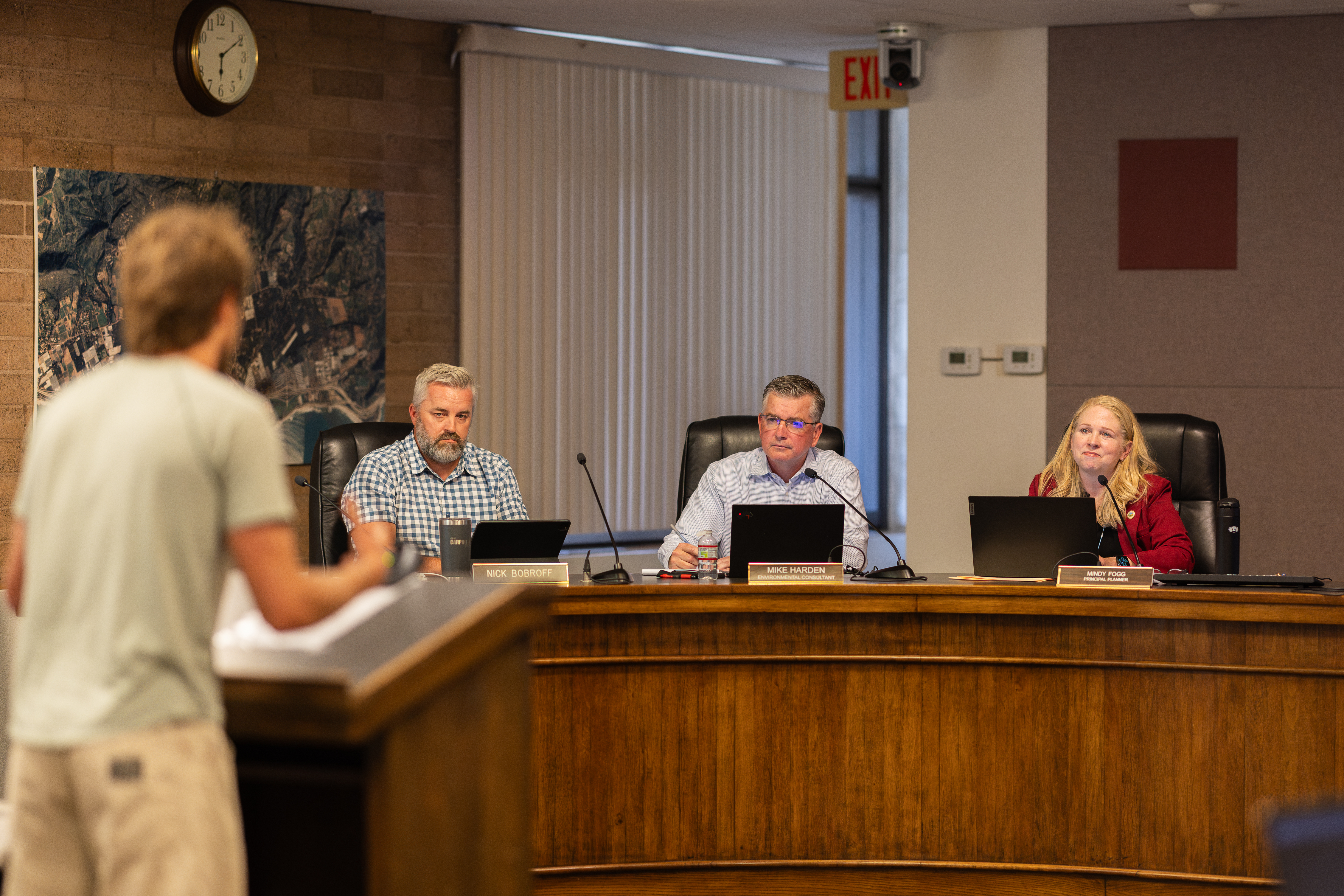
Housing needs and environmental concerns faced off at a public scoping meeting on Tuesday for a new housing development proposed for the Carpinteria bluffs.
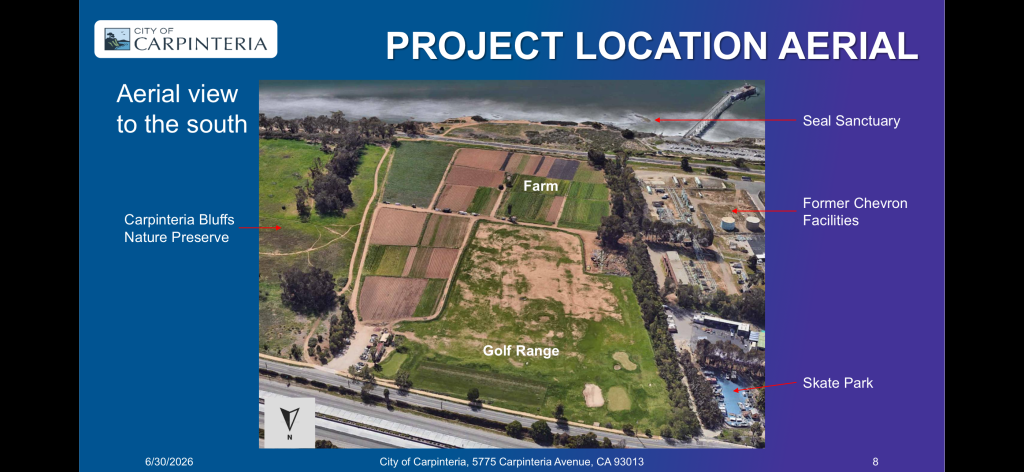
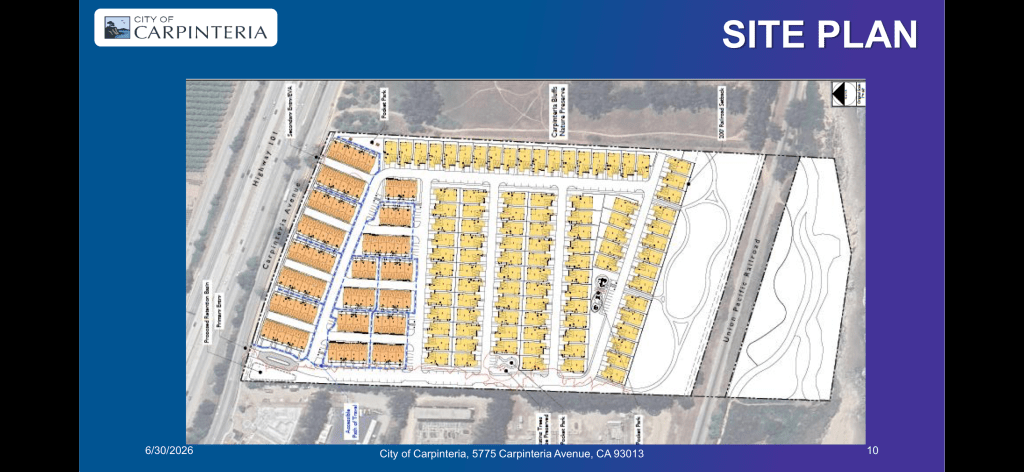
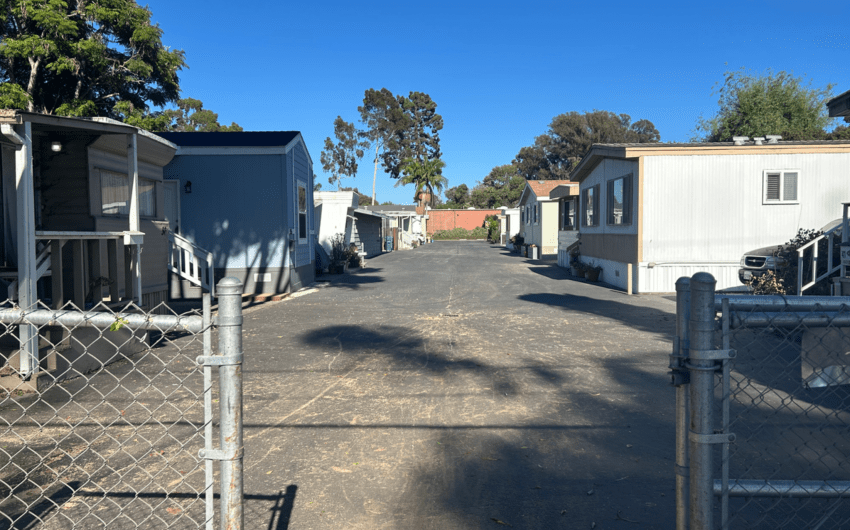
Dubbed “The Farm,” the 191 mixed-unit development would replace the existing Tee Time driving range and small organic farm sandwiched between the city’s skate park and the Carpinteria Bluffs Nature Preserve.
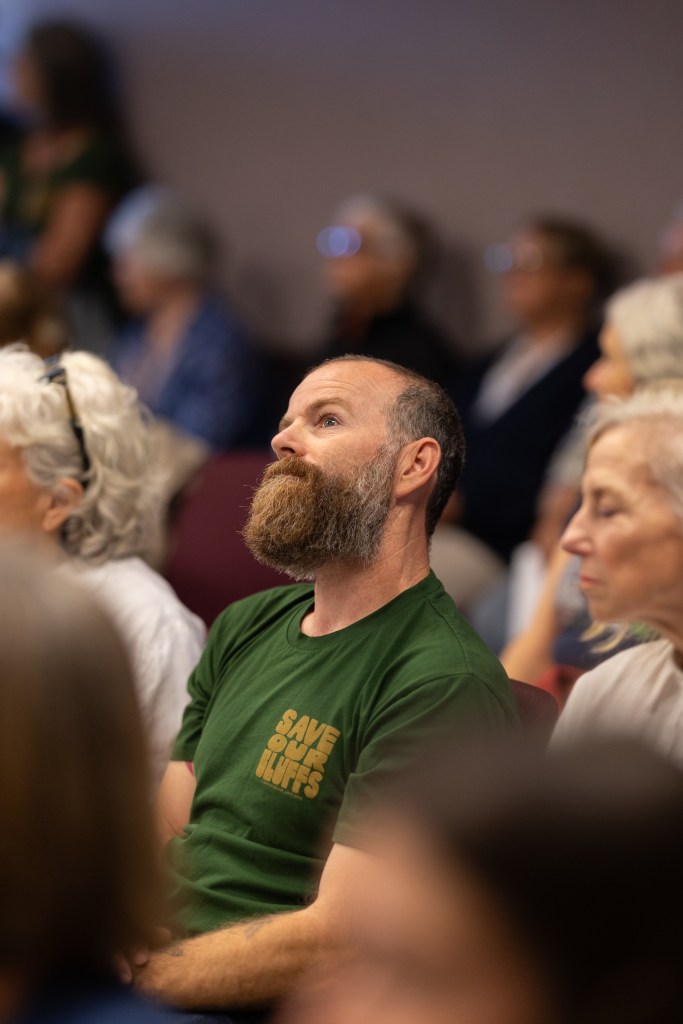
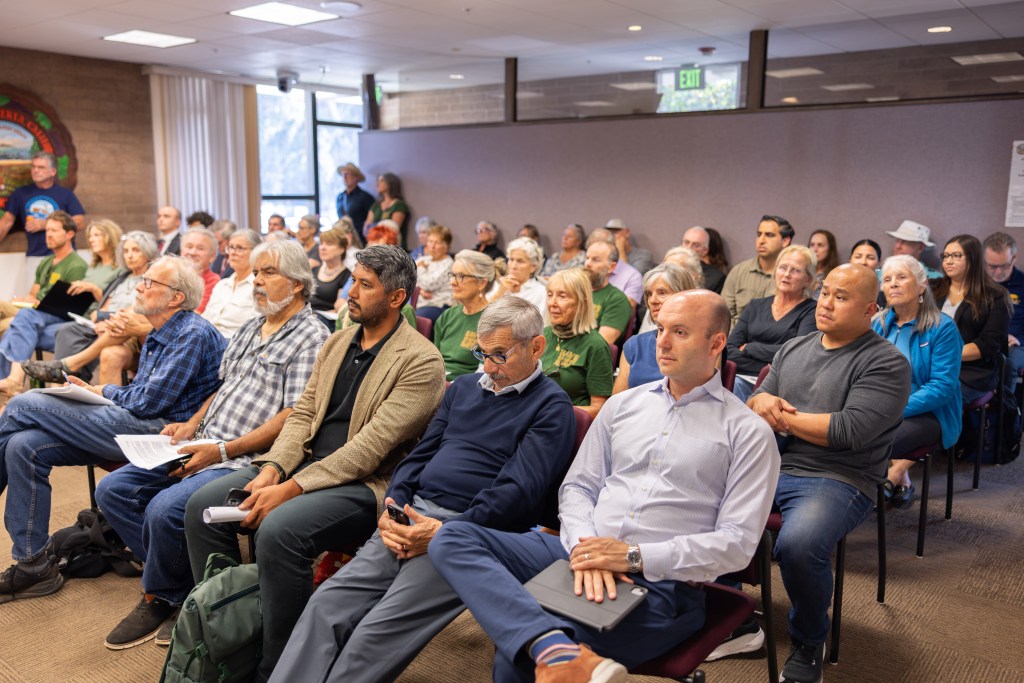
Compared to the packed community outreach meeting held by developers in April, Tuesday’s meeting was much more modest. While the city council chamber itself was brimming with around 50 people, an overflow section outside held only a few attendees.
The purpose of the meeting — led by city staff — was to hear concerns related to the 27-acre project’s potential environmental impacts, and to inform the city’s environmental analysis. Public input will help shape the Environmental Impact Report, which is in the early stages. The scope of the report will include potential impacts on aesthetics, biological resources, and recreation, to name a few.
Many of the environmental concerns brought forward by attendees were echoes of previous meetings, and the longstanding opposition to any development on the bluffs.
Community members — such as heavyweight grassroots group Citizens for the Carpinteria Bluffs — raised concerns about how new development and noise would impact wildlife, such as the harbor seals in the seal rookery neighboring the site. The sounds of construction and a bustling new neighborhood would not only drown out the songs of birds and the barks of seals, but they would also disturb those animals, they warned.
People were also concerned about the project’s density; increased traffic; emissions and pollution, including light pollution; and the removal of open space that supports wildlife habitat, native plants, and recreational activities. They cited the city’s preliminary review of the project, which found several inconsistencies with local policies around beach access, visual resources, public services and safety.
They described the bluffs as a “cherished” and “sacred” space for both people and animals — with one speaker describing it as one of the “most visually and environmentally important areas in Carpinteria.”
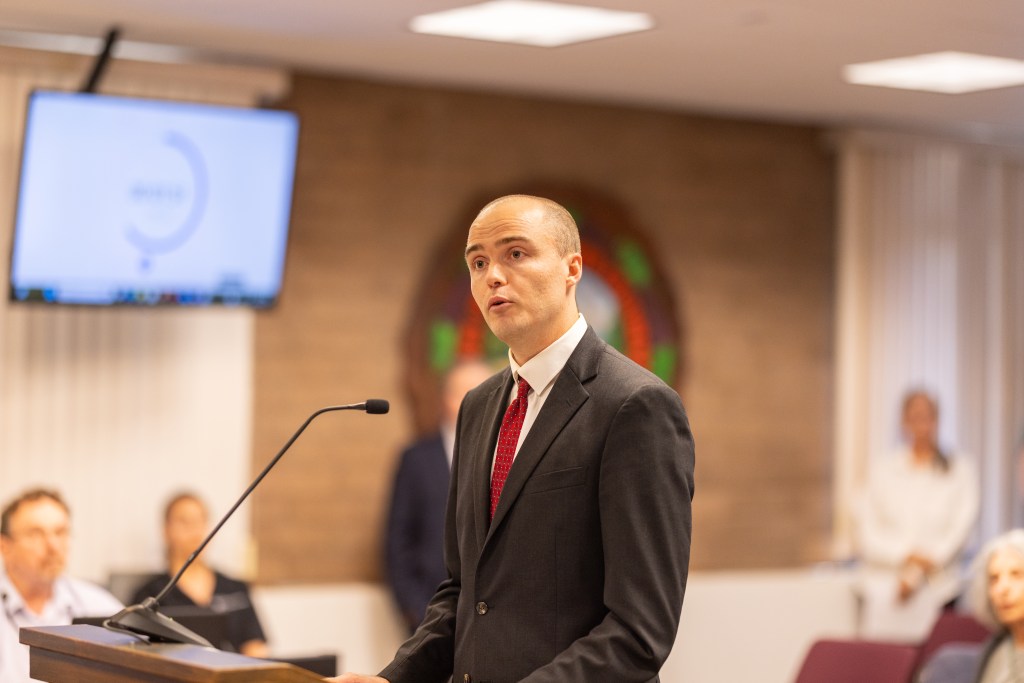
Lawyers with the Environmental Defense Center, recently retained by the Citizens for the Bluffs and the Carpinteria Valley Association, urged the city that its EIR must be robust and comprehensive. They demanded it encompass factors such as potential project alternatives — including a “no project” alternative — as well as surveys of rare plants and animals, like the Crotch’s bumblebee, to identify how development may disturb their habitat.
On the other hand, the development would bring much-needed affordable housing to the area, other speakers noted. Because the developers qualified for the state’s Builder’s Remedy law, they will be able to skirt local zoning regulations and policies in exchange for making 20 percent of the units affordable.
People’s Self-Help Housing will be in charge of those 39 affordable units on the property, which would be income-restricted as workforce housing for people making below 80 percent of the area’s median income. Housing managers with the organization spoke about what affordable housing means to their residents: Farmworkers no longer have to choose between rent and groceries, single parents can finally stabilize their families, and seniors live out their final years in dignity.
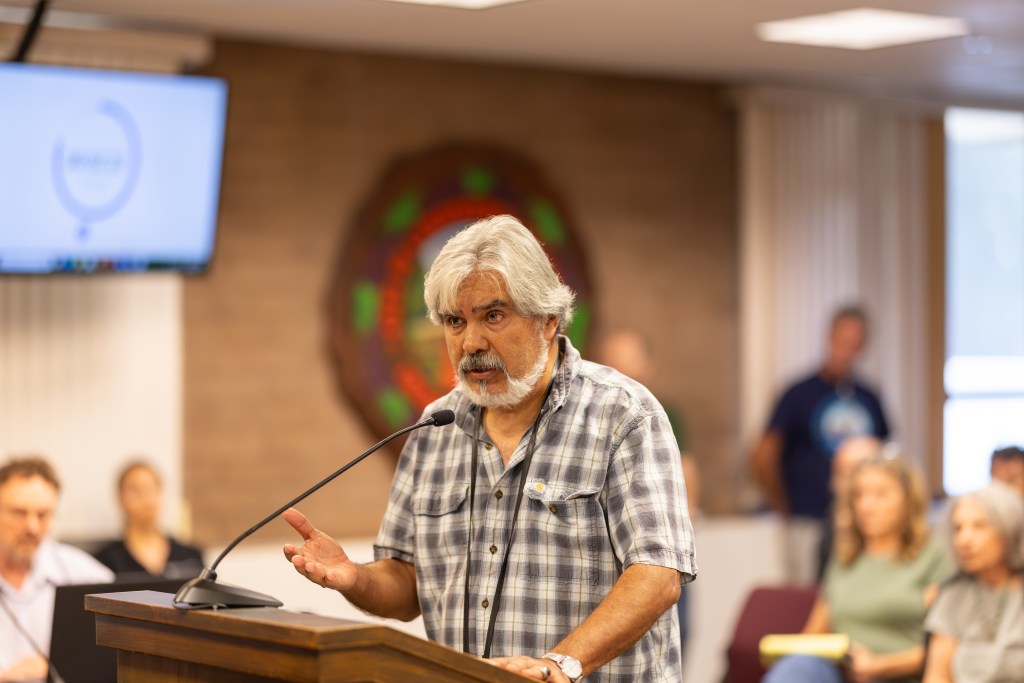
The Farm would add needed housing stock to the city, they said, where existing affordable units are already overburdened by waitlists with hundreds of applicants. For example, Casas de las Flores, a 43-unit development in Carpinteria, has 457 people on its waitlist.
“Carpinteria simply doesn’t have enough housing to meet the needs of the community,” said Omead Poure, a senior portfolio manager at People’s Self-Help Housing.
Public comments on the project proposal will be accepted until Friday, July 10. After the comment period concludes, the city will prepare and release the draft EIR, after which the public will have another opportunity for review and comment. Comments can be submitted through email to TheFarmProject@CarpinteriaCa.gov or via mail to the City of Carpinteria.
Related Posts




Premier Events
Sat, Oct 24
2:00 PM
Santa Barbara
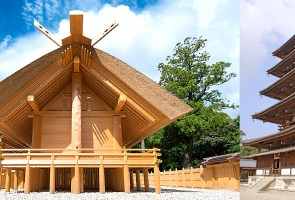
Japanese Sacred Architecture: Shinto and Buddhism

Sat, Oct 24
10:30 AM
Santa Barbara
Picnic in the Cemetery: A Live Historical Event

Sat, Oct 24
11:00 AM
Goleta
2nd Annual Charger Cup to Benefit DP High Golfers

Sat, Oct 24
12:00 PM
Santa Barbara
Makers Hive Market
Sat, Oct 24
2:00 PM
Santa Barbara
Japanese Sacred Architecture: Shinto and Buddhism

Sat, Oct 24
2:00 PM
Santa Barbara
Thriller 2026 – Get Scary for Charity!

Sat, Oct 24
3:00 PM
Santa Barbara
Downtown Santa Barbara Trick-or-Treat

Sat, Oct 24
5:00 PM
Santa Barbara
15th Annual DSASBC Halloween Hoedown

Sat, Oct 24
5:30 PM
Solvang
Solvang Haunted House and Street Fair

Sat, Oct 24
7:00 PM
Santa Barbara
Anima: Theater of the Feminine Underground

Sun, Oct 25
11:00 AM
Santa Barbara
Free Family Day: Día de los Muertos
Sat, Oct 24 2:00 PM
Santa Barbara
Japanese Sacred Architecture: Shinto and Buddhism
Sat, Oct 24 10:30 AM
Santa Barbara
Picnic in the Cemetery: A Live Historical Event
Sat, Oct 24 11:00 AM
Goleta
2nd Annual Charger Cup to Benefit DP High Golfers
Sat, Oct 24 12:00 PM
Santa Barbara
Makers Hive Market
Sat, Oct 24 2:00 PM
Santa Barbara
Japanese Sacred Architecture: Shinto and Buddhism
Sat, Oct 24 2:00 PM
Santa Barbara
Thriller 2026 – Get Scary for Charity!
Sat, Oct 24 3:00 PM
Santa Barbara
Downtown Santa Barbara Trick-or-Treat
Sat, Oct 24 5:00 PM
Santa Barbara
15th Annual DSASBC Halloween Hoedown
Sat, Oct 24 5:30 PM
Solvang
Solvang Haunted House and Street Fair
Sat, Oct 24 7:00 PM
Santa Barbara
Anima: Theater of the Feminine Underground
Sun, Oct 25 11:00 AM
Santa Barbara


You must be logged in to post a comment.