
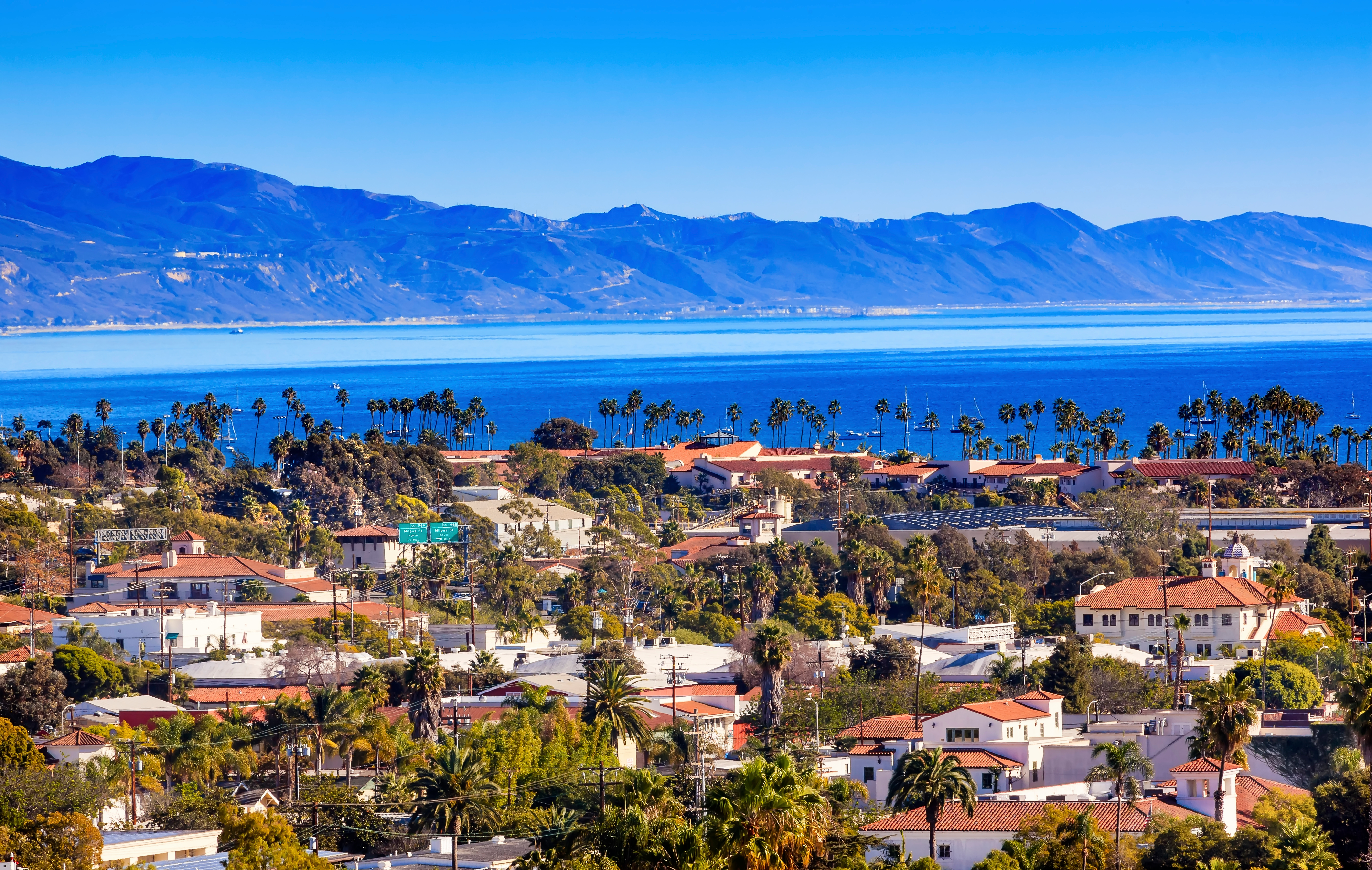
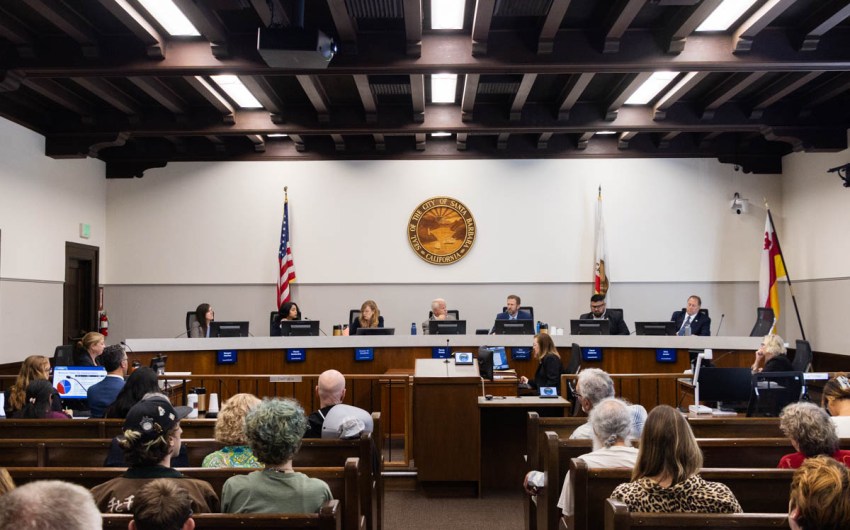
On July 28, the Santa Barbara City Council will consider the long-awaited and hotly debated rent stabilization ordinance, following the completion of a 30-day public comment period on the latest draft outlining the details of the program, which the city could have in place as early as January 27, 2027, with council approval.
The proposed citywide rent cap has been consistently moved forward by council by a four-vote majority, though the many public meetings about the topic have drawn hundreds of passionate public commenters and led to countless hours of deliberation tailoring the ordinance to Santa Barbara’s unique housing market.
Throughout the process, housing advocates and renters have hailed the new rules as a much-needed, common-sense tool to address untenable rent increases, while landlords and property management companies have criticized the rent cap, opposing any additional constraints and filing a lawsuit challenging the temporary rent freeze instituted by the city (the lawsuit was dismissed, though the property owner group is considering filing an amended complaint).
As the City Council prepares for another showdown about rent stabilization, the Santa Barbara Independent provides a look back at the planning process, and what the current version of the ordinance could look like if approved and put into place by next year.
Who’s Behind the Rent Stabilization Ordinance?
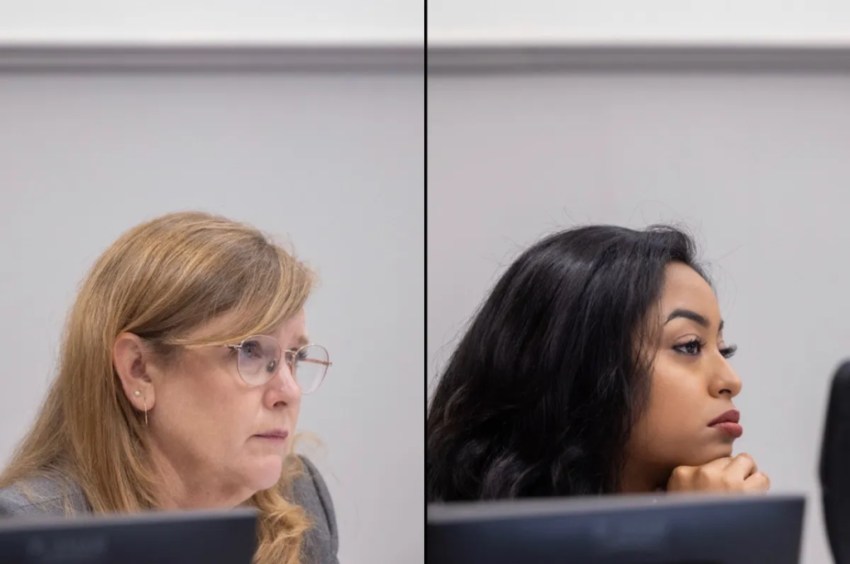
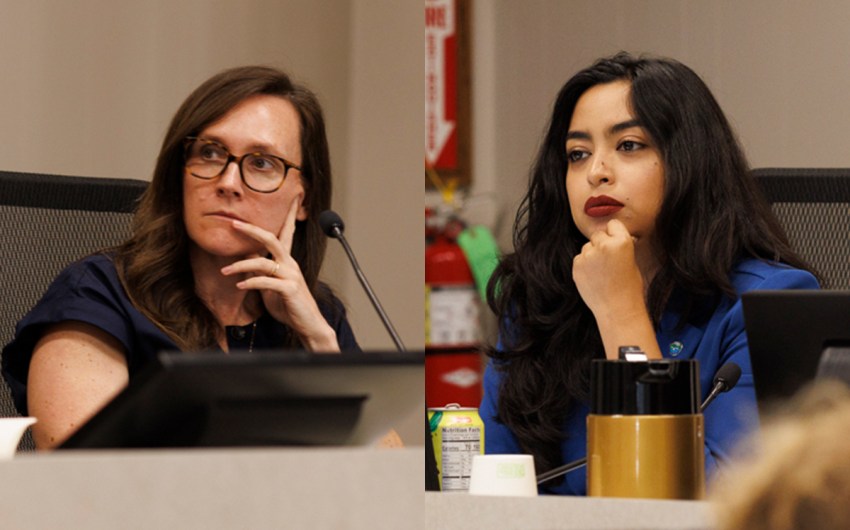
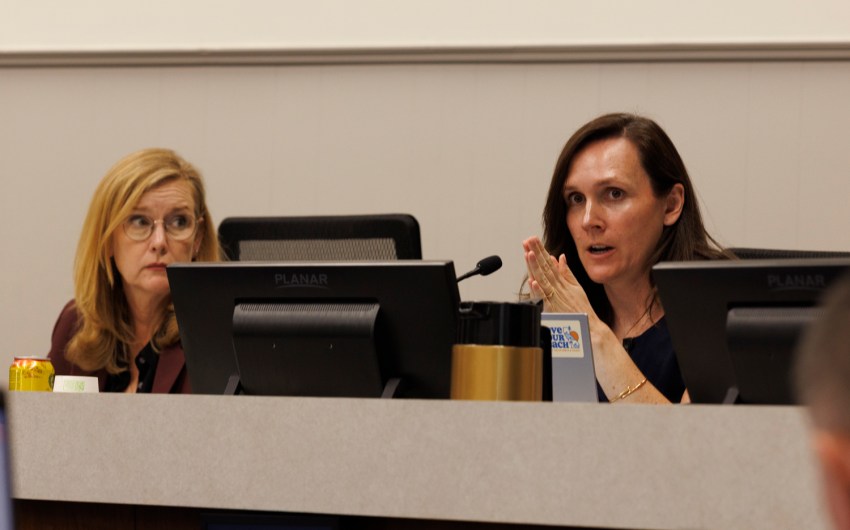
While it’s true that Councilmembers Wendy Santamaria and Kristen Sneddon have led the charge for the current rent stabilization draft — with support from fellow councilmembers Meagan Harmon and Oscar Gutierrez — the actual work of putting together the ordinance happened over nearly two years, with lengthy public meetings and input from housing attorneys, policy experts, tenant rights advocates, property owner groups, and consultants who specialize in California rent stabilization legislation.
Santamaria, who was elected to council in November 2024 following a campaign heavily centered on rent stabilization, got the ball rolling with a two-person memo filed by her and councilmember Sneddon back in fall 2025. The memo described rent stabilization as a “critical need” and included a draft ordinance of what Santa Barbara’s policy could look like.
The memo, and the draft policy included, sparked early debate about the inclusiveness of the planning process, with Councilmember Meagan Harmon, a longtime supporter of rent stabilization, questioning whether the rush to approve a rent cap could be perceived as a lack of public transparency.
Despite the rocky start, Harmon remained in the four-person majority, as the council voted 4-3 in October 2025 to move forward with a work plan with a more deliberate, community-centered process to ensure the policy was tailor-made for Santa Barbara.
The Right Number
Several of the key details of the proposed rent stabilization ordinance survived from the early draft, including the rent increase limit of 60 percent of the Consumer Price Index (CPI), or 3 percent, whichever is lower.
This figure was determined with the input of legal experts and based on the rent caps used in cities seeking similar protections from rent increase. There are nearly 30 California jurisdictions that tie rent increase limits to CPI, with a majority of those areas using less than 100 percent of CPI as a guideline.
Housing advocates urged the city to use a percentage of CPI as the base number due to the fact that CPI is calculated on the entire basket of costs, and using that figure solely as a baseline could result in “stabilization in name only.”
According to a 2024 Economic Roundtable study commissioned by the City of Los Angeles, most property owners of rent stabilized apartments would still be able to cover operating expenses with an increase in the range of 35 percent of CPI. When the rent increase rates get closer to 100 percent of CPI, renters on fixed incomes begin to feel the economic pressure much sooner.
The figure has also been favored due to its legal defensibility, a factor that has become increasingly important as the city continues to prepare for potential legal battles from property owners that oppose any rental increase limits. The cap of 60 percent of CPI or 3 percent was effective in cities such as Antioch, Oakland, and Richmond. Other cities that use a similar figure include Bell Gardens (50 percent of CPI), Berkeley (65 percent of CPI), Alameda and Los Gatos (70 percent of CPI), and Palm Springs (75 percent CPI).
What Units Are In/Out?
Depending on the council’s final direction, Santa Barbara’s rent stabilization program could cover anywhere between 10,000 and 15,000 units citywide. Property owners and landlords have suggested a wide range of possible exemptions from the program, but as currently drafted, the ordinance would allow only the exemptions as dictated by state law.
Put simply, the rent cap would apply to any retail unit built before February 1995, with explicit exemptions for single-family homes, condominiums and townhomes, owner-occupied duplexes, motels/hotels, institutional housing such as dorm rooms or medical facilities, government-owned housing, or deed-restricted housing.
Generally, city staff and housing advocates have been in support of aligning Santa Barbara’s exemptions with state law, as any additional exemptions could lead to a more administratively burdensome and costly program that may be vulnerable to legal challenges.
Keeping Track
Housing advocates, city staff, and the supporters of the citywide rent cap say that a comprehensive rental registry is the backbone of an effective rent stabilization program, and the only way to actually keep track of whether the program is working as designed.
Currently, the city is proposing a rental registry that would require all landlords of covered units to register with the new program administrator by January 1, 2027. The registration would require each unit address, bedroom and bathroom count, contact info, date of ownership, current rent, information about the last rental increase, and tenant move-in date.
Property owners have pushed back against the registry, calling it an overreach and citing privacy concerns. Housing advocates argue that the city already collects information on properties and gross net incomes, and the rental registry would allow for more detailed data on individual unit rates over time.
Statewide, rental registries have allowed government agencies to get a better understanding of how rent stabilization works over time. Cities such as Alameda and Mountain View have used the information to publish regular reports on their respective rent stabilization policies.
Santa Barbara’s rental registry will include a fee for each unit, which would vary depending on how many units are required to register. Some cities require all rental units to register and pay an annual fee, while others require only those that are covered by the rent stabilization to register.
If Santa Barbara requires all rental units to register, the cost would be cheaper across the board. If the city only requires covered units, the cost is estimated to be about $140 a unit annually, to be split between tenants and landlords (tenants would pay an average of $7 a month).
Petitions
The current proposal allows for a petition process for both tenants and landlords who are seeking a rental adjustment. Property owners who believe the rent cap does not allow for a fair return or those requesting to pass some costs for certain necessary repairs onto their tenants will be able to make their case through the public petition.
After the program administrator reviews all documents, an independent hearing officer would decide on petitions on a case-by-case basis. If the petitioner wants to appeal the decision, the case would then go before a newly instituted rental board. While the board makeup is not yet finalized, the current plan is to have both tenants and property owners represented on the board, with a slight tenant majority to reflect the city’s 60-percent renter population.
Loose Ends
The city is on a tight deadline to meet its stated goal of implementing the rent stabilization program by January 2027. The draft public comment period is officially over, and now city staff is seeking final direction from city councilmembers to remain on track in the next several months.
There has been pressure from both sides, with property owners threatening legal challenges and asking for the city to take more time (and potentially put the matter to a vote on a future ballot), while tenants and housing advocates have continued to report illegal rent increases while waiting for the permanent rent cap to reach the finish line.
City staff and attorneys have met with stakeholders on all sides, and housing advocates have held public forums to inform tenants throughout the process. But there are still concerns about the unintended or unforeseen consequences of the rent cap.
Property ownership groups have repeatedly warned that a citywide rent cap could force local landlords to sell their properties to large corporations. The Santa Barbara Rental Property Association has vowed to continue to fight the rental stabilization ordinance as an “unconstitutional taking” of property.
Members of the Santa Barbara Tenants Union and Legal Aid Foundation are ringing the alarm about the need to update the city’s “just cause” eviction ordinance to align with the rental stabilization ordinance and close any potential loopholes that would displace vulnerable tenants. These include protections that would potentially limit evictions during the school year or prevent seniors from losing their housing.
The other aspect is education and ensuring that both tenants and landlords know the full extent of the new rules. This could include a safety plan for tenants and consistent public messaging in English and Spanish to make the new laws as clear as possible.
The council’s decision at the July 28 hearing will set the stage for the final checkpoints in the long road to rent stabilization, though the hearing is likely to draw another round of passionate debate. To view the draft ordinance in full, visit the city’s Rent Stabilization page online.
Related Posts


Premier Events

Sat, Oct 17
9:00 AM
Santa Barbara
Mesa Harmony Garden Fall Plant Sale Continues…

Fri, Oct 23
2:00 PM
Santa Barbara
Music & Meditation: Clarinetist Nancy Mathison & Pianist Antonio Artese
Sat, Oct 24
9:00 AM
Santa Barbara
Mesa Harmony Garden Fall Plant Sale Continues…

Sun, Oct 18
9:00 AM
Santa Barbara
“Move with MADD” Santa Barbara 3K Community Walk & Fundraiser to Prevents Impaired Driving

Sun, Oct 18
11:00 AM
Santa Barbara
17th Annual Asian American Neighborhood Festival

Sun, Oct 18
1:00 PM
Santa Barbara
Lincoln Elementary School 150th All Year Reunion

Sun, Oct 18
3:00 PM
Santa Barbara
Seaworthy Author Talk -Will Sofrin

Sun, Oct 18
3:00 PM
Goleta
Free Concert Offers Journey Through Italian Music

Mon, Oct 19
7:00 PM
Santa Barbara
PFLAG Santa Barbara October Meeting: “Schools and Inclusive Practices – What creates a safe and inclusive school?”

Tue, Oct 20
7:00 PM
Santa Barbara
Get Out the Vote Night @ SOHO, Music Performance by Loyal Defense Workers

Wed, Oct 21
6:30 PM
Santa Barbara
Teflon Comedy/Non-Schtick – Evening of Comedy

Thu, Oct 22
5:30 PM
Santa Barbara
Best Fest: A Celebration of the Best of Santa Barbara® Readers’ Poll 2026
Sat, Oct 17 9:00 AM
Santa Barbara
Mesa Harmony Garden Fall Plant Sale Continues…
Fri, Oct 23 2:00 PM
Santa Barbara
Music & Meditation: Clarinetist Nancy Mathison & Pianist Antonio Artese
Sat, Oct 24 9:00 AM
Santa Barbara
Mesa Harmony Garden Fall Plant Sale Continues…
Sun, Oct 18 9:00 AM
Santa Barbara
“Move with MADD” Santa Barbara 3K Community Walk & Fundraiser to Prevents Impaired Driving
Sun, Oct 18 11:00 AM
Santa Barbara
17th Annual Asian American Neighborhood Festival
Sun, Oct 18 1:00 PM
Santa Barbara
Lincoln Elementary School 150th All Year Reunion
Sun, Oct 18 3:00 PM
Santa Barbara
Seaworthy Author Talk -Will Sofrin
Sun, Oct 18 3:00 PM
Goleta
Free Concert Offers Journey Through Italian Music

Mon, Oct 19 7:00 PM
Santa Barbara
PFLAG Santa Barbara October Meeting: “Schools and Inclusive Practices – What creates a safe and inclusive school?”
Tue, Oct 20 7:00 PM
Santa Barbara
Get Out the Vote Night @ SOHO, Music Performance by Loyal Defense Workers
Wed, Oct 21 6:30 PM
Santa Barbara
Teflon Comedy/Non-Schtick – Evening of Comedy
Thu, Oct 22 5:30 PM
Santa Barbara


You must be logged in to post a comment.