
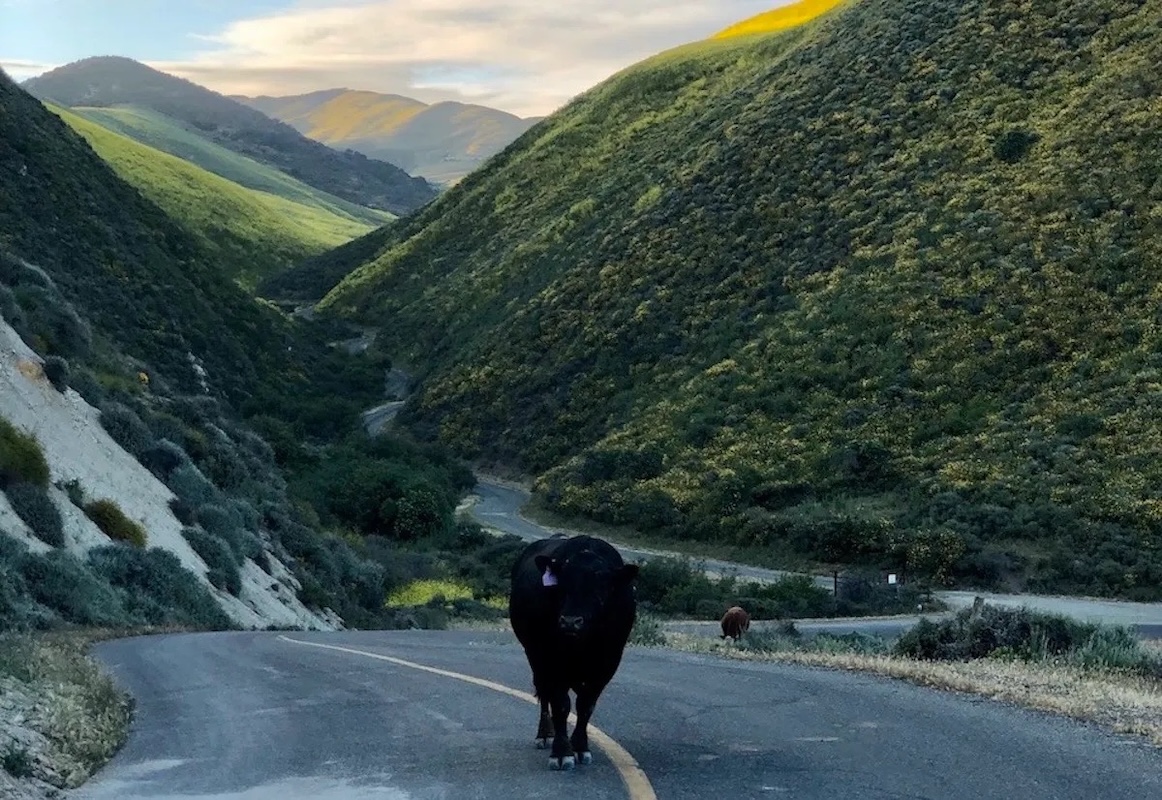
Access to the remote beaches at Hollister Ranch continues to create conundrums. Red-legged frogs, western pond turtles, tidewater gobies, snowy plovers, and seal pups are among the sensitive species found there. Then there are the bulls pastured near the beaches seasonally and the cattle drives along Hollister Ranch Road. All of them are red flags for visitors to be aware of and for the officials who will put them there, eventually, as progress slowly moves toward opening Hollister’s beaches to the public.
Each beach is singular in its characteristics. Agua Caliente and Alegria, the two closest to Gaviota State Park, are narrowed by rock jutting into all but the lowest tides. Drakes has a wetland to avoid. San Augustine, farthest to the west, has a very narrow road with a cattle guard. Access to each crosses private land, with the exception of Bulito. All would require improvements for vehicles — whether shuttle van or private vehicle — in the form of parking or turnarounds, as well as trash pickup and wastewater negotiations, not to mention the management of all the movable parts. The funds and a manager don’t yet exist.
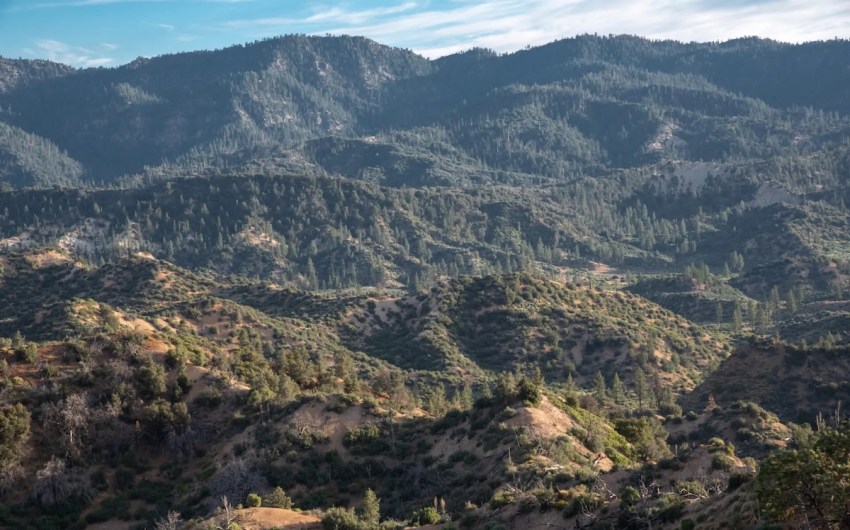
That there are swaths of native plants, thriving protected species, and a seal haul-out is due to the very nature of Hollister Ranch — few humans have permission to trample through its 14,500 acres. But the public has a right to any California beach below the mean high tide line. Work to produce that result started in 1981, seemed to go quietly into the night, but was reawakened in 2019 when Monique Limón, then an assemblymember and now leader of the State Senate, passed a bill requiring the state to figure it out by April 2022. It’s been a slow process.

Currently in consideration are six access options that result from a plethora of meetings and research reviews. They would bring as few as 240 or as many as 579 people to the ranch’s six beaches daily, keeping in mind that “solitude” was an agreed-upon criteria in public comments. It will be up to a group of four state agencies to choose which parts of the six options to finalize and send through environmental review.
Right now, people can arrive by boat or by walking in and out at low tide. All the new access would be limited in number and require reservations, dependent on weather and other events, like a cattle drive. Shuttle riders could perhaps park at Fire Station 38 or Vista del Mar school. The guided trips of up to 20 people would allow recreation, and the options would update to reflect how the public uses them.
Option 1: Allows access to all six beaches via guided trips (with docents) in shuttle vans along Hollister Ranch Road in one trip or multiple small trips. Up to 40 people per beach, or 240 people max. This is the quickest to implement.
Option 2: Guided trips to Bulito and Drakes. Access with a guide or through a group (organized by a third party) to the other four beaches. Once a pedestrian trail along the road is built, pedestrians may access Alegria and Agua Caliente by reservation. Max 335 people per day.
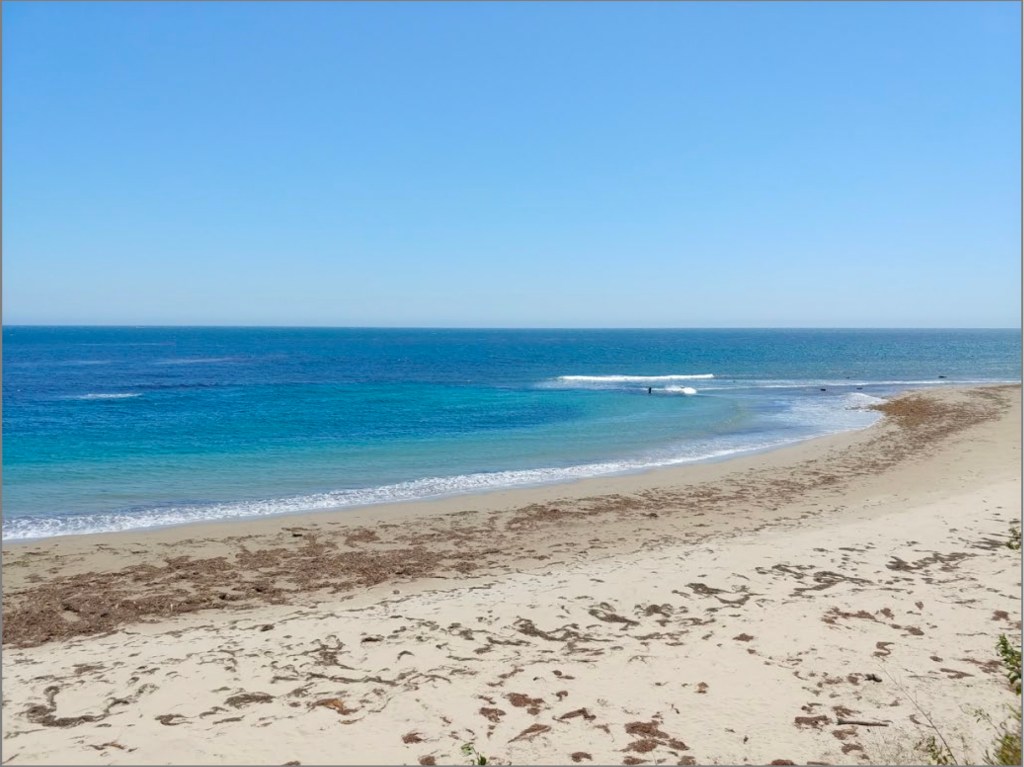
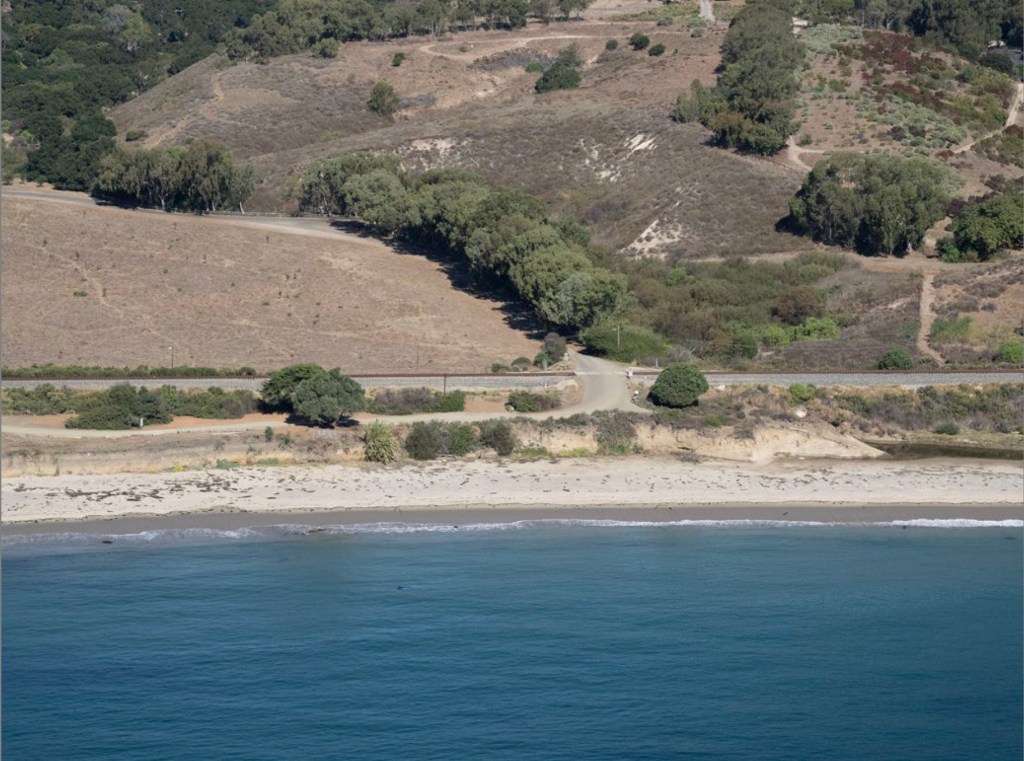

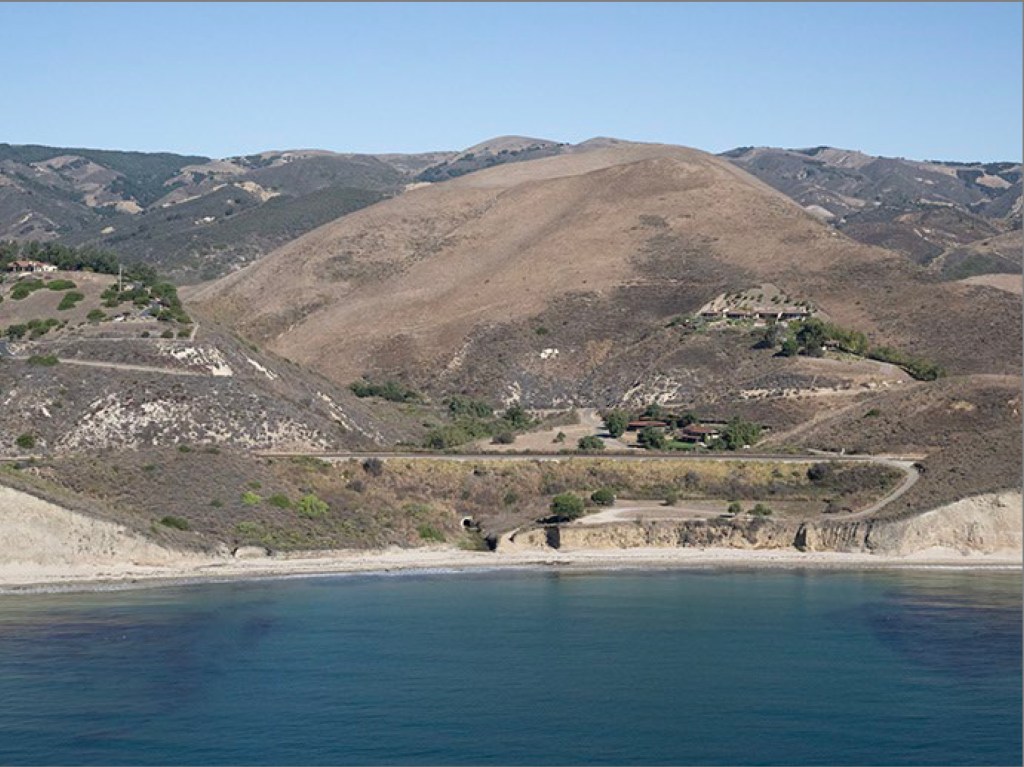
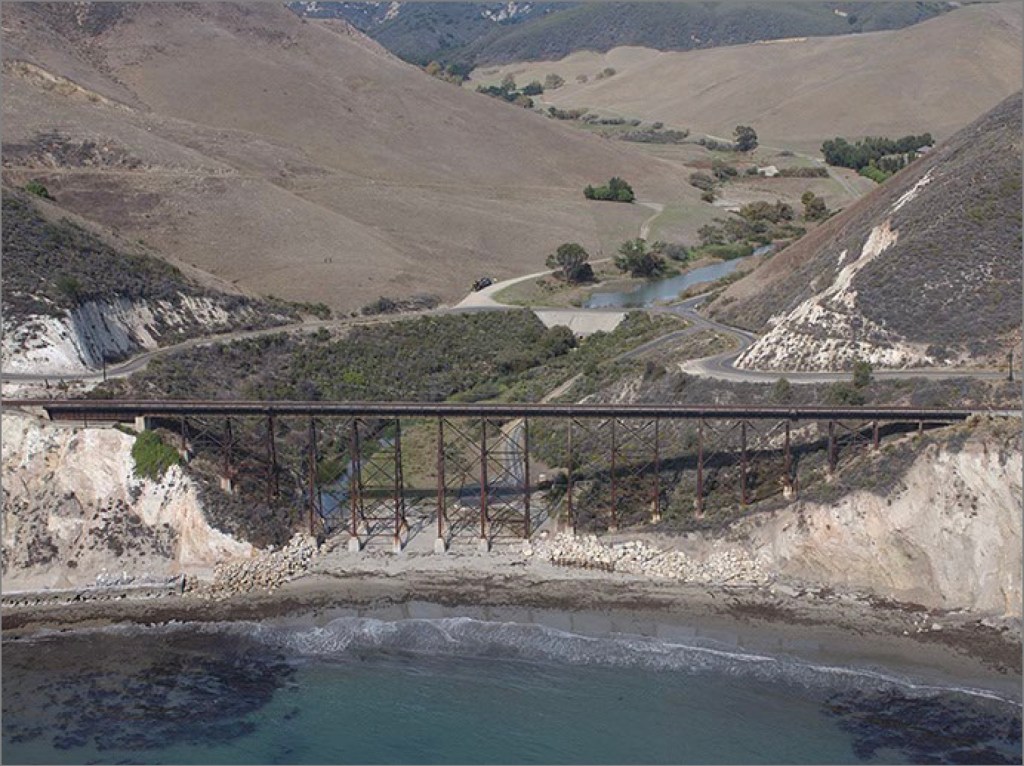
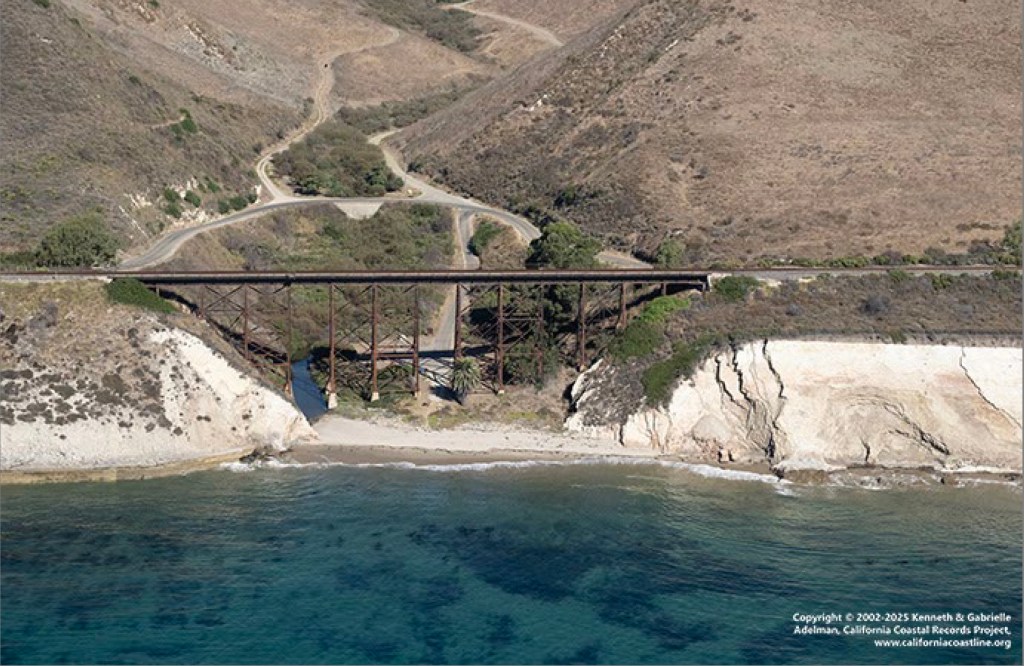
Option 3: Individuals can reserve space on a shuttle to Sacate and San Augustine, or a yet-to-be-built pedestrian trail to Agua Caliente. Group and guided visits to all but Drakes, which is not part of this option. This was considered the best balance of independent recreation with the lowest density of people, 326 max.
Option 4: Only the largest beaches are in this option. Guided trips to Drakes and Bulito. Guided, group, shuttle, and private vehicle trips to Sacate and San Augustine. The feasibility was judged to be moderate or low for Option 4, as the shuttle must be established and private vehicles must be managed and drivers informed to avoid trespassing. Maximum 372 visitors.
Option 5: Beachgoers are allowed by private vehicle, shuttle, group, guided, and pedestrian trail to the three beaches closest to the ranch entrance. With cell reception sketchy, this option has the best emergency response and minimal traffic, yet allows private vehicle access. Max 261 people.
Option 6: Access to all six beaches by all means, though to Drakes and Bulito with guides only, including a six- to eight-foot-wide multi-use trail along the road as far as Sacate beach for bicycles and pedestrians — about three miles from the ranch boundary.
Sarah Christie of the California Coastal Commission explained that the six options “help us understand the different impacts for a full range of possible programs. The preferred project will likely include elements of several of the options.” The selection criteria would be guided by the goals developed during the various meetings: resource protection, public safety, equitable access, and private property protection.
The balance of goals and levels of access will be hashed out in an Environmental Evaluation Report by the four state agencies: State Lands Commission, Coastal Conservancy, Coastal Commission, and State Parks. Christie said the report should come out in early 2027.
Clarification: Most of the southern extent of Hollister Ranch is a beach broken up by rocky outcroppings, steep cliff faces, and seawalls, much as along Santa Barbara’s shoreline. The six beaches listed in the program result from the lengthy planning process. The beach at the bottom of Cuarta Canyon is considered contiguous with Sacate beach, according to a spokesperson for the Coastal Commission. Access to Cuarta has come up before, as the YMCA, which once owned an inland parcel that predates Hollister Ranch’s lot splits, granted the state access via an easement. Whether the Y could grant access, or offer to dedicate a public easement, remains in dispute.






You must be logged in to post a comment.