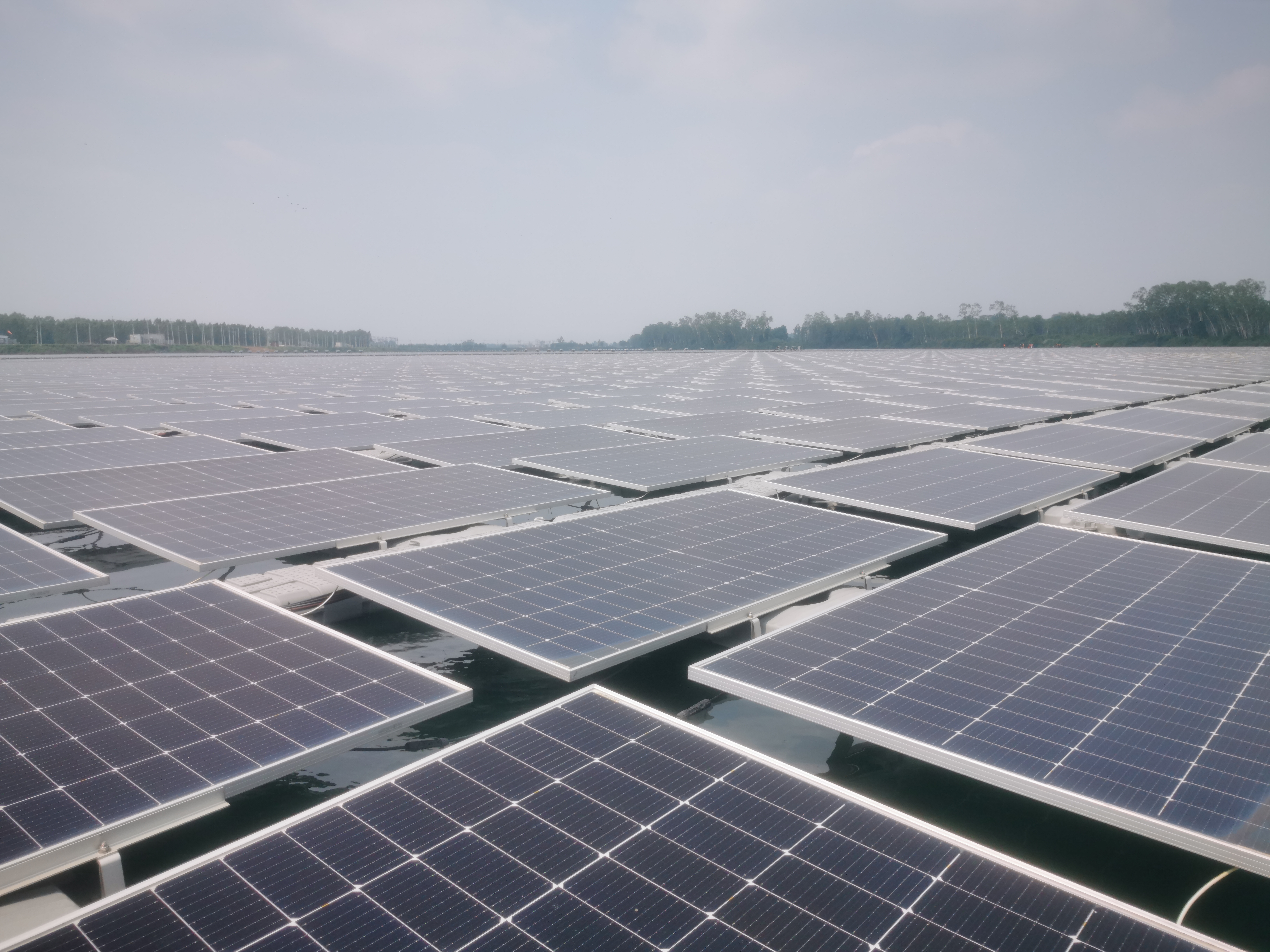
Putting solar panels over irrigation ditches got its first test in rural India in 2012. The concept is attractive in California because of our multiple demands for land use. The 33-40 percent increase in cost over land-based solar installations dampened the enthusiasm until a 2021 research report from the University of California, Merced. It presented more than a dozen co-benefits beyond the renewable energy produced by placing panels over California’s 4,000 miles of water canals.
Covering our major canals with solar panels could provide 13 gigawatts of generating capacity, roughly half the new power the state needs to meet its 2030 renewable target. It would also save 63 billion gallons of water each year by reducing water evaporation, enough to meet water needs of two million people.
What made this report impactful was the additional benefits beyond the generated power that could offset the greater investment costs for installing solar canopies. One of the most powerful approaches to achieving sustainable results, called “synergistic solutions,” is where multiple environmental, economic, and human challenges are tackled in an integrated manner.
Project Nexus, a pilot collaboration between UC Merced, the Turlock Irrigation District, and solar developer Solar Aquagrid, installed solar canopies over two canals south of Modesto. One canal is the width of an alley, the other as wide as an eight-lane freeway. Twenty million dollars of state funding is testing this innovative concept. For roughly the past year, data has been gathered. Conclusions are not yet known, but initial indications are that shade from the canopies is reducing water evaporation by 70 percent and cutting algae and weed growth in the canals by 85 percent. The coolness under the solar panels increases their efficiency, i.e., generation, and their longevity. The big drop in weed and algae growth means big savings on resources and costs by canal operators.
The final report, expected in the next months, will tell canal operators whether the total value of generated electricity, conserved water, land savings, and reduced weed maintenance justifies the additional investment over ground-mounted solar. Doubling up usage of land will also help California meet its 30×30 goal in conserving 30 percent of land for biodiversity.
Early results confirm the likelihood of more segments being built. The short-term strategy is to build photovoltaic covers where canals sit near existing energy needs — water-pumping stations, EV charging sites along highways, or where existing power transmission infrastructure can handle the increased generation.
Land, power, and water are among our most valuable resources. This innovative approach may benefit all three.