

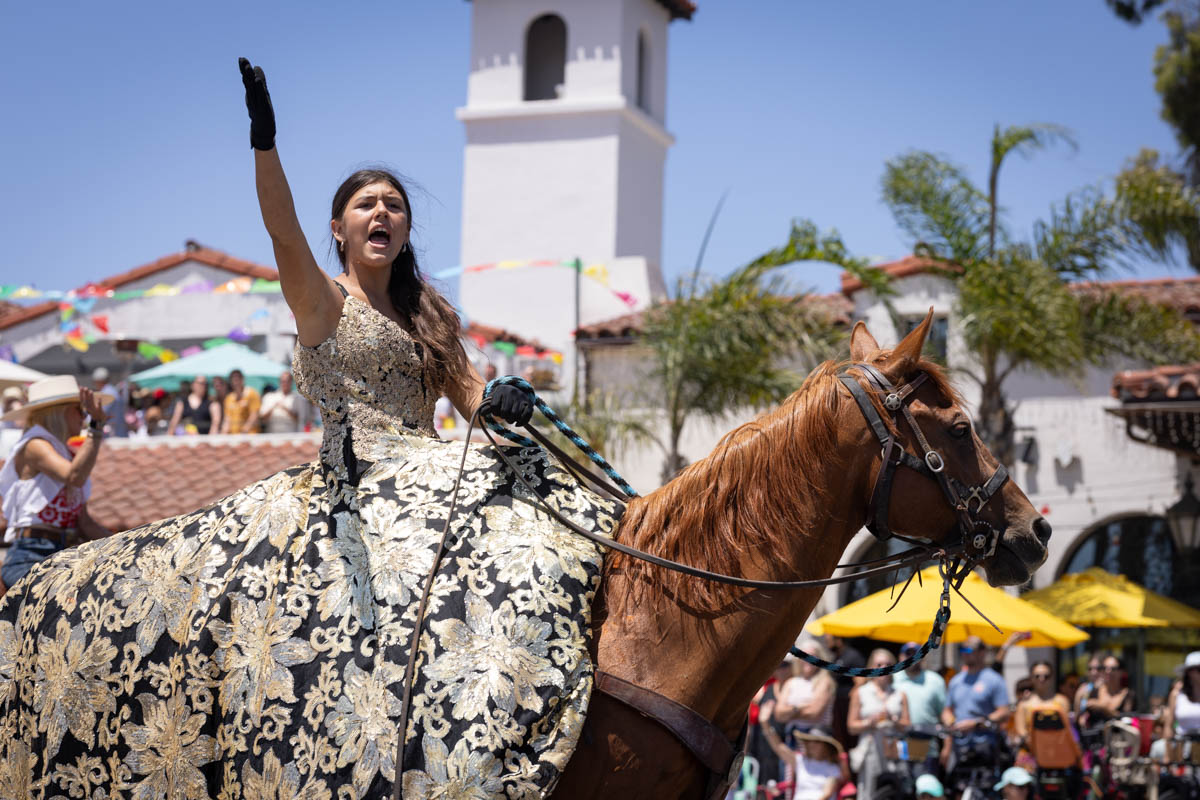
Managing hundreds of horses is not easy — take it from me, someone who, before journalism, worked in barns as a groom, exercise rider, and manager. Although I have never ridden in a parade, I can tell you from my years of traveling to and participating in them that a lot of work goes into these events, with a particular focus on horse and human safety.
So, when the Independent published an op-ed critiquing the parade and its lack of horsemen input, my eyebrows raised.
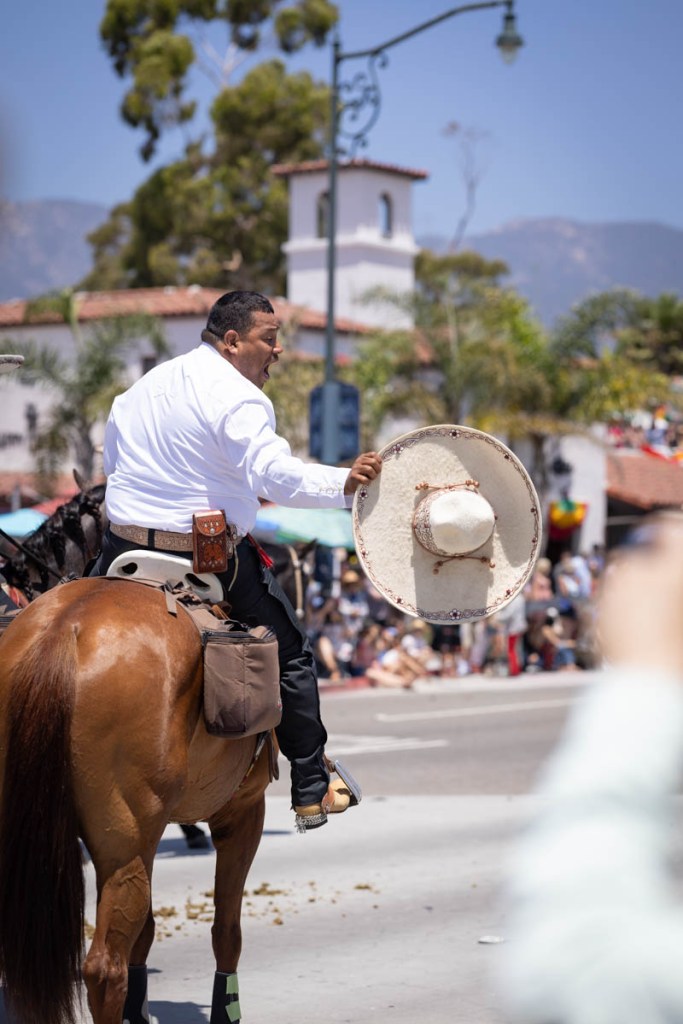
From talking with people in the horse community, the main concern is the turnaround. Horses do not like standing still, especially in large groups and in unfamiliar urban environments. Even when they are in a trailer, horses tend to paw and kick when stopped, and putting the vehicle in motion usually settles them down. They are grazing prey animals that like to keep on the move.
Previous iterations of the parade left horses and carriages waiting for 30 minutes to an hour, stopped on Cabrillo Boulevard by the Hilton. This lack of motion invites trouble. Coupled with pedestrians and bicyclists weaving through the stopped animals to reach their cars, that turnaround could easily have become dangerous.
Now, horsefolk can be an opinionated bunch. Even within the community, different disciplines and training styles are the subject of fierce debate and major disagreements. But one thing I can say with certainty is that a true horseperson loves their animal and would do anything in their power to keep them safe.
Training a horse is built on trust between humans and equines, and good horse people know to respect that trust, while also knowing it can be quickly lost. When it comes to riding in loud, energetic, and crowded environments such as the Fiesta Historical parade, the equine participants have built up years of trust and know they will be safe.
Another thing I can say with certainty is that there is a lot of misguided, impractical, or simply inaccurate information circulating on Facebook and forums about horse care. I am not just referencing the PETA and animal welfare crowd — some of whom believe even the notion of owning a horse is a sin (thanks, Spirit) — but more so people who think they are an expert despite a sincere lack of equine education. It is easy for a layperson to think they know right from left, when in reality, they don’t have a clue.
What I can say from talking with sources on both sides of the issue is this: Horse people and longtime organizers have concerns about the Fiesta Historical Parade after its move to Cabrillo Boulevard, and they are wary of city officials who have authority but lack horse experience.
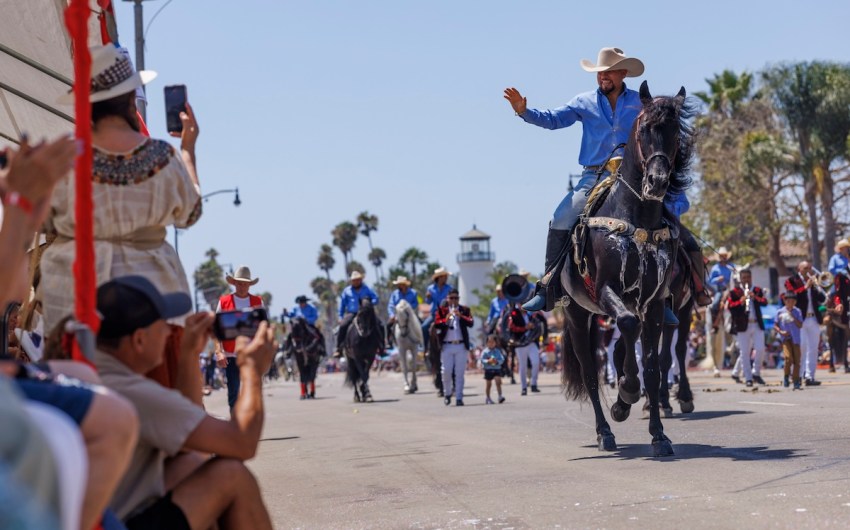
The Historical Parade is one of the largest horse parades in the nation, steeped in the long ranching traditions of Santa Barbara County, drawing hundreds of horses and thousands of spectators to the streets of downtown Santa Barbara each year.
Planning for this year’s parade started last November. It is a collaboration between Old Spanish Days, Santa Barbara Police and Fire, Building Department, Traffic Enforcement, Finance Department, the City Administrator’s Office, Community Development, the Downtown Santa Barbara Improvement Association, Waterfront area businesses, and more. Since a new special-events city ordinance was issued in 2020, Parks and Recreation has served as a liaison among all the parties involved.
For most of the parade’s history, the route ran up State Street, but after a COVID break, it moved down to Cabrillo Boulevard in 2021. The past five years have been an adjustment for horsemen and city officials, who both attest to encountering a few bumps in the road.
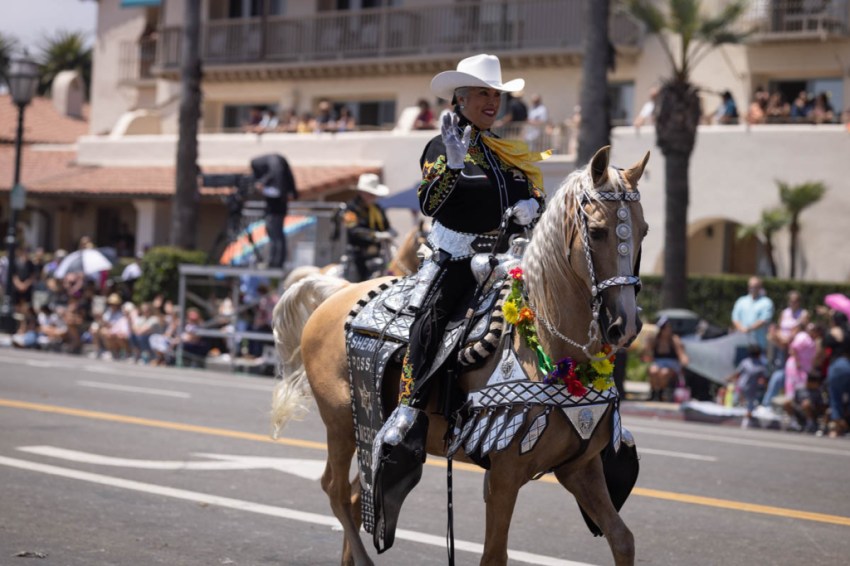
After input from the horse community and learning from previous years’ experience, the city has updated the route so that, in theory, the horses never have to stop moving along it.
The parade will start at the intersection of Cabrillo and Castillo and officially end (i.e., bands, dancers, and performances stop) at Calle Cesar Chavez. There, the participants on foot will disband. Just down the road at Calle Puerto Vallarta, the floats powered by people will turn around. All horses and horse-drawn carriages will continue down Cabrillo, past the duck pond and to the roundabout, where they will make their turnaround and head back to Pershing Park, where their trailers are waiting.
“Road closures west of Milpas Street will begin at 8 a.m. and east of Milpas Street will begin at 9:30 a.m. or 12:30 p.m. depending on the road. All roads are anticipated to reopen at approximately 4 p.m.,” according to a Parks and Recreation notice.
City and Old Spanish Days officials conducted a test run of the route in a horse-drawn carriage back in May, and it went smoothly. If all goes well on the day of, future Historical Parades will follow a similar route. The goal for both Old Spanish Days and the city is to create a safe and functional plan that can remain consistent year to year. It just takes some time to iron out the kinks.
Related Posts
Premier Events
Sat, Oct 10
9:00 AM
Santa Barbara
Treble Clef Chorus Fall Treasure Sale
Sun, Oct 11
5:00 PM
Santa Barbara
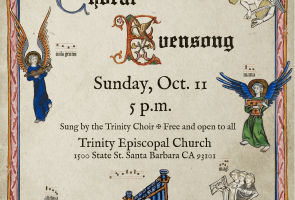
Trinity Choir: Choral Evensong
Thu, Oct 08
7:00 PM
Santa Barbara
“A Night of Blues” with Morganfield Burnett
Fri, Oct 09
7:00 PM
Santa Barbara
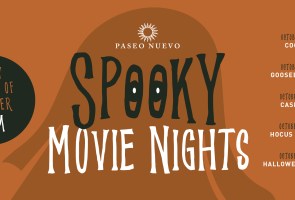
Paseo Nuevo Spooky Movie Nights
Sat, Oct 10
9:00 AM
Santa Barbara
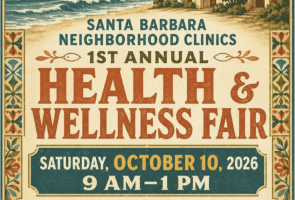
SBNC 1st Annual Health & Wellness Fair

Sat, Oct 10
1:30 PM
Goleta
🌴 Another Day in Paradise at S.B’s Premier Ice Rink

Sun, Oct 11
7:00 AM
Ojai
Flamenco Guitarist Tony Ybarra
Sun, Oct 11
10:00 AM
Santa Barbara
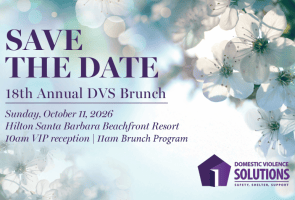
18th Annual Domestic Violence Solutions Brunch
Sun, Oct 11
10:00 AM
Santa Barbara
Free Community Day at S.B. Botanic Garden
Sun, Oct 11
10:00 AM
Santa Barbara
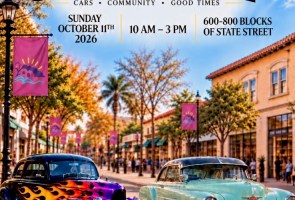
Downtown Classic Car Show Santa Barbara
Sun, Oct 11
11:00 AM
Santa Barbara
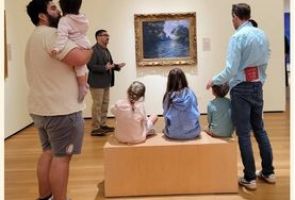
Raíces y Sueños: Bilingual Storytime at Santa Barbara Museum of Art

Sun, Oct 11
2:00 PM
Santa Barbara
The Theatre Group at SBCC Presents: “CLUE”
Sat, Oct 10 9:00 AM
Santa Barbara
Treble Clef Chorus Fall Treasure Sale
Sun, Oct 11 5:00 PM
Santa Barbara
Trinity Choir: Choral Evensong
Thu, Oct 08 7:00 PM
Santa Barbara
“A Night of Blues” with Morganfield Burnett
Fri, Oct 09 7:00 PM
Santa Barbara
Paseo Nuevo Spooky Movie Nights
Sat, Oct 10 9:00 AM
Santa Barbara
SBNC 1st Annual Health & Wellness Fair
Sat, Oct 10 1:30 PM
Goleta
🌴 Another Day in Paradise at S.B’s Premier Ice Rink
Sun, Oct 11 7:00 AM
Ojai
Flamenco Guitarist Tony Ybarra
Sun, Oct 11 10:00 AM
Santa Barbara
18th Annual Domestic Violence Solutions Brunch
Sun, Oct 11 10:00 AM
Santa Barbara
Free Community Day at S.B. Botanic Garden
Sun, Oct 11 10:00 AM
Santa Barbara
Downtown Classic Car Show Santa Barbara
Sun, Oct 11 11:00 AM
Santa Barbara
Raíces y Sueños: Bilingual Storytime at Santa Barbara Museum of Art
Sun, Oct 11 2:00 PM
Santa Barbara



You must be logged in to post a comment.