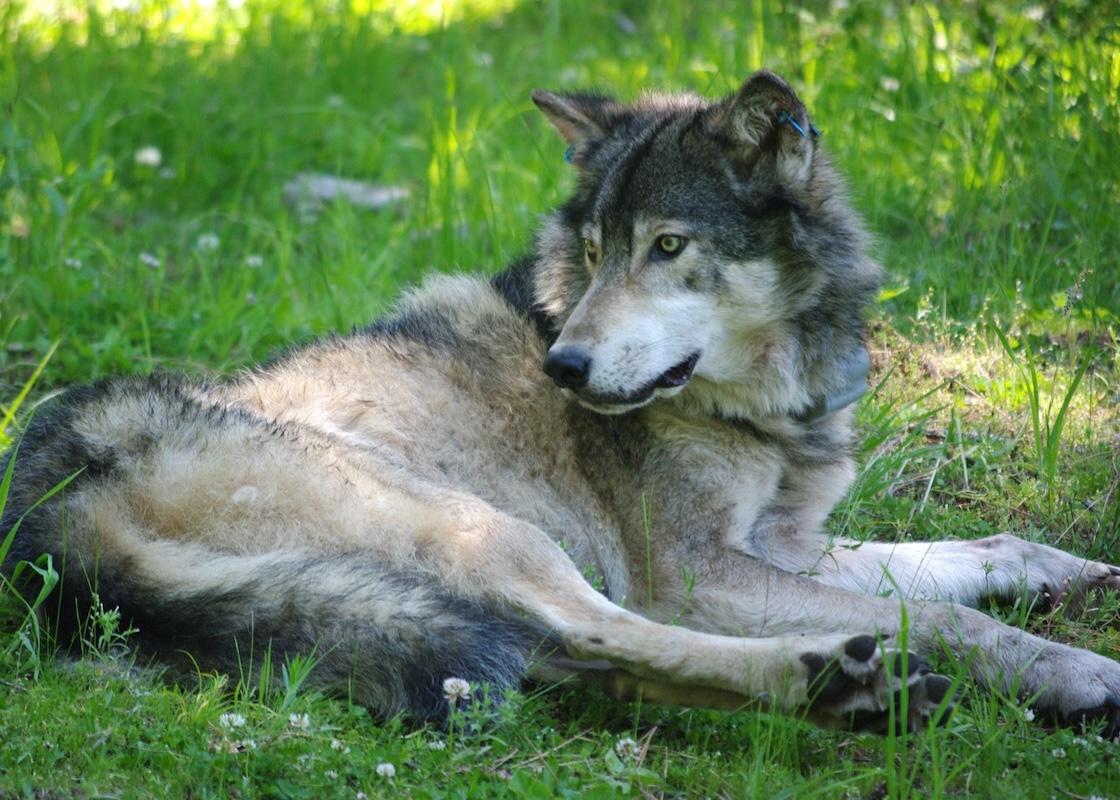
Look beyond the myths, fear, and propaganda surrounding wolves for generations and see these animals for what they are. Wolves are social animals. They mourn their dead, defend their territories, and form extraordinary bonds that hold their families together. They are also critical to healthy ecosystems. That is why what is happening across the American West should concern — and anger — all of us.
After decades of work to bring gray wolves back from the brink of extinction, we are watching policies take shape that could once again make widespread wolf killing an accepted tool of wildlife management.
In Idaho, a 2021 law expanded trapping and snaring, authorized private contractors to kill wolves, allowed motorized vehicles in wolf hunts, and removed limits on wolf tags. Montana has expanded wolf harvest opportunities, while Wyoming allows wolves classified as “predatory animals” to be killed year-round across much of the state.
These policies are not simply management. They threaten to dramatically reduce an animal that only recently returned to the Northern Rockies after being nearly exterminated from the lower 48 states. Wolves do not recognize state boundaries. A wolf protected in one place can cross an invisible line and suddenly become a target.
Bounties Are a Disgrace: I am equally troubled by financial incentives connected to wolf killing. Formal government bounties may belong to another era, but reimbursing expenses associated with killing wolves creates a disturbingly similar incentive. Put a price on a predator’s head, and someone will collect it.
America once waged an all-out war against predators. Wolves were poisoned, trapped, shot, and systematically eliminated from most of the country, often with government participation and bounties. The result was not a healthier West, but one stripped of a native predator. We should not repeat that disgraceful mistake.
We should also be appalled by wildlife-killing contests, sometimes called predator derbies, in which participants compete to kill animals for cash, prizes, or recognition. There is nothing sporting about turning the killing of wildlife into a contest. Wild animals are not points on a scoreboard.
I am not suggesting that conflicts between wolves and people or livestock should be ignored. Ranchers deserve practical tools and support. But there is a profound difference between targeted, science-based conflict management and policies designed to drive wolf populations down as far as politically possible.
The danger is not limited to state policies.The current administration is weakening important federal safeguards for wildlife and habitat. Changes to Endangered Species Act regulations make it easier to exclude areas from critical habitat and weaken protections against habitat destruction.
The administration’s public-land agenda is turning America’s natural heritage into a resource to be exploited rather than a legacy to be protected. By weakening endangered-species protections; opening more land to drilling, mining, and logging; dismantling conservation rules; and reducing the workforce that protects our national parks, the administration is putting wildlife habitat and treasured landscapes at greater risk.
Habitat Is Survival: A species does not become secure simply because a certain number of animals remain alive. Wildlife needs places to feed, breed, migrate, den, and raise young. When those places are destroyed or fragmented, populations become isolated and vulnerable.
The administration has also reopened the door to M-44 sodium-cyanide devices on Bureau of Land Management lands — an alarming return to the mentality that predators are expendable. But there are reasons for hope.
On August 5, Senator Cory Booker blocked an attempt to fast-track legislation that would strip gray wolves of their federal Endangered Species Act protections and return management authority to the states. At a moment when wolves are again being portrayed as disposable, Booker refused to let those protections disappear without opposition.
We need more leaders willing to do the same.
This is bigger than wolves. It is about whether we believe the American West should be managed as a collection of commodities and short-term interests — or as a living ecosystem whose parts are connected in ways we do not always understand.
The question is whether we can manage conflicts without returning to the philosophy of eradication. I believe we can. And I believe we must.
Wildlife policy is ultimately supported — or challenged — by the public, including those who travel, hike, photograph wildlife, and spend money across the American West.
Tourists Should Know What Their Dollars Are Supporting: Tourism is one of the most powerful tools consumers have. Why spend money in states deliberately destroying one of America’s most iconic and ecologically important animals? Wolves are not just wildlife — they are an economic asset. In the Greater Yellowstone region, wolf watching brings millions of dollars into local communities, supporting hotels, restaurants, guides, photographers, outfitters, and small businesses.
If a state chooses aggressive wolf-killing policies, bounty-like incentives, or wildlife-killing contests, visitors have every right to ask whether they want their vacation dollars supporting those policies.
The history of wolf extermination in America should be remembered as a shameful chapter — not a model for the future.
America nearly erased the wolf once. We cannot let it happen again.