
This article was underwritten in part by the Mickey Flacks Journalism Fund for Social Justice, a proud, innovative supporter of local news. To make a contribution go to sbcan.org/journalism_fund.
Is it a case of enforcing the rules fairly or crippling a small farm and the local community over a mistake? On Tuesday, the Santa Barbara County Board of Supervisors voted 3-2 to forgive nearly $66,000 in owed transient occupancy taxes and penalties for a farmstay in the Lompoc valley.
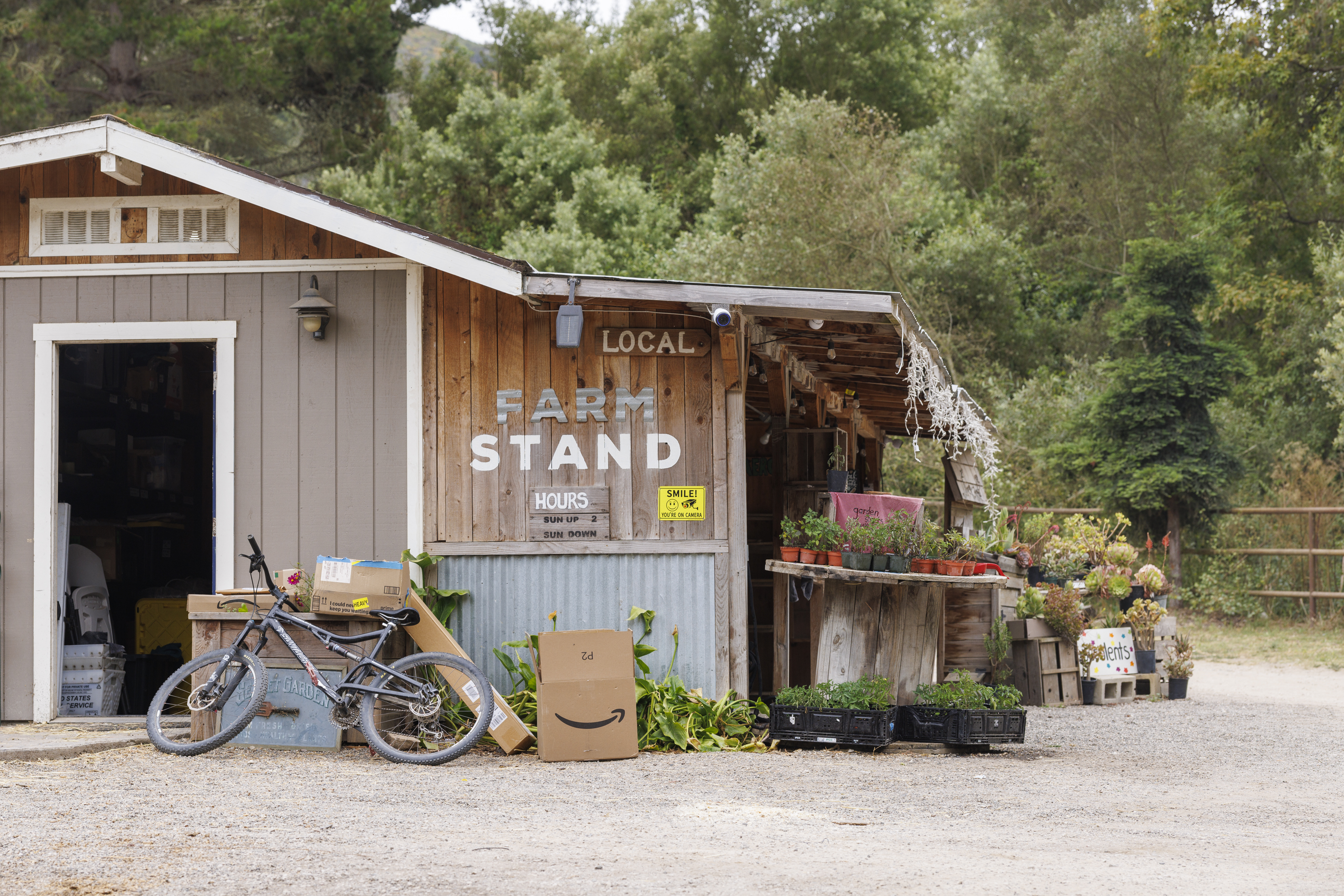
Since starting Dare 2 Dream Farm in 2009, owners Megan and Jeremy Raff have integrated their 40-acre family farm into the Lompoc community. The farm employs up to six full-time staff, as well as seasonal and part-time workers, and hosts a farm stand that operates entirely on the honor system.
The Raffs said the farm regularly provides educational tours for school groups and other community groups, and it hosts farm students as part of the Worldwide Opportunities on Organic Farms program. While the farm is a for-profit business, it partners with nonprofits addressing food insecurity in the local community, including donating to Veggie Rescue and working with Route One Farmers Market to provide fresh produce options to SNAP recipients.
In 2017, Dare 2 Dream began offering farmstays. At Tuesday’s Board of Supervisors meeting, the Raffs said the farmstays provided supplemental income to help keep the farm afloat. Currently, the farm offers farm stays in a camper, an airstream trailer, and two farmhouses. Stays range from $66 per night to $337 per night, depending on the accommodation and dates.
The same year the Raffs began their farmstay, the county banned short-term rentals in residential and agricultural zones but left the door open for how to regulate farmstays. By 2020, work had started on a law to do so. In December 2024, the county passed the Agricultural Enterprises Ordinance, which outlines that farmstays will pay transient occupancy tax.
In May 2025, the county’s Treasury and Tax Collector told the Raffs it planned to conduct an audit for Dare 2 Dream’s short-term rental activity for a three-year period. The Treasury and Tax Collector found that the Raffs did not consistently pay the transient occupancy tax required for the farmstays from 2022 to 2025. The total owed came out to $65,840.11 — approximately $50,600 in unpaid taxes and about $15,000 in penalties and fees.
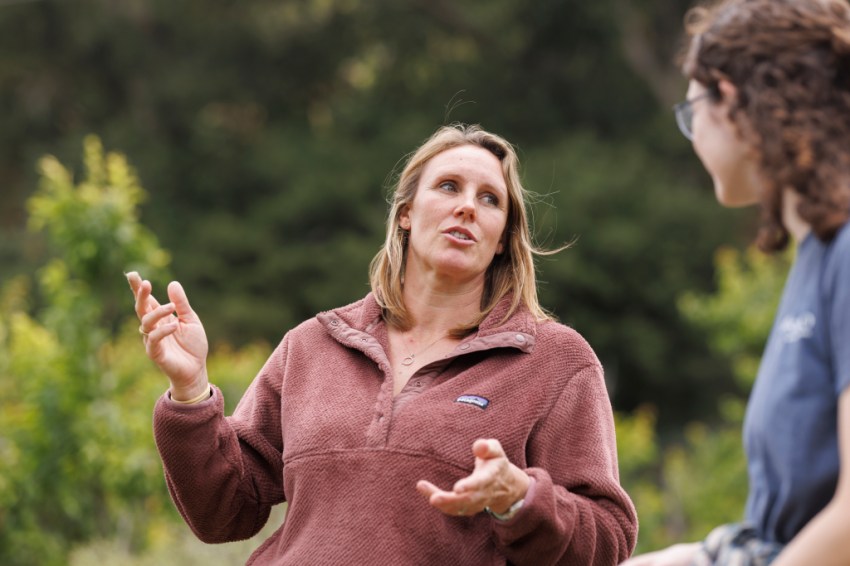
The Board of Supervisors first heard the Raff family’s appeal on July 7. At that meeting, Jeremy Raff said that he stopped paying transient occupancy tax while the farm waited to hear how the county would handle farmstays in its ordinance, a time he called a “gray area” when he wasn’t sure whether he would need to pay in the first place. He said the Raffs did not pass on the tax cost to visitors, as hotels do, at the time.
“This case arose during a county regulatory transition,” he said.
Since the ordinance passed, the Raffs have paid the transient occupancy tax except for a two-month period.
The $66,000 in payment would hit the farm hard, the Raffs said. In documents provided to the county, the Raffs wrote that payment exceeds the farm’s three-year net total by more than $84,000.
The Raffs said that the community-facing programs, which are the least profitable but the most rewarding, would be first to be cut for the farm to survive.
The $66,000 comes at a time when the federal government has canceled a national program that helped stabilize local farm sales and provide fresh produce to low-income people. The Local Food Purchasing Assistance program allowed local nonprofits to buy food from small and medium-sized farms like Dare 2 Dream and sell the produce at a discounted rate to people who use federal food assistance (SNAP) benefits. The Raffs said the loss of the federal program amounts to a loss of up to $6,000 per month in sales for their farm. State funding will attempt to fill the gap in the coming year, but the Raffs said it was less than the federal spending and has yet to be distributed.
Supervisors were split on whether to forgive the Raffs’ payment. Third District Supervisor Joan Hartmann supported relief from the payment. The farm is in Hartmann’s district.
“They provide a unique service that nobody else does,” she said, referencing the Raffs’ engagement with the local community. “This is a huge financial burden on a small family with young children and a lot going on in their lives. If they can’t do this, the whole community suffers, and that’s not what this tax is meant to do.”
Fifth District Supervisor Steve Lavagnino also supported forgiving the tax. He said that while for previous cases, he has always voted against appeals for transient occupancy tax cases, the Raffs’ case is unique. He said the farmstay was supplemental, not the main business, and he acknowledged the agricultural ordinance took eight years and that the farm does public good.

Like Hartmann, Lavagnino said that pursuing cases like the Raffs’ aren’t the purpose of the tax.
“This is not what we’re supposed to be chasing. We’re supposed to be chasing second and third palatial estates on the South Coast that people are renting out for thousands and tens of thousands of dollars,” he said.
Meanwhile, 1st District Supervisor Roy Lee voted against forgiving the required payment. He said that when his parents started a business on the South Coast as immigrants, they sought advice on how to pay their taxes correctly.
Supervisor Bob Nelson said he knows how well people in the Lompoc Valley think of the Raff family but ultimately chose to vote “no” as well, as he said he felt a necessity to be consistent with his voting patterns. He said if the Raffs started a nonprofit, to reach out to him, as he supports the work they do.
Second District Supervisor Laura Capps questioned why the Raffs had paid transient occupancy tax, stopped, and then started again.
Still, she agreed with Supervisor Lavagnino that the law was meant primarily for short-term rentals where the rental was the primary stream of income. Ultimately, Capps said she would defer to Supervisor Hartmann. She said she believed in the Raffs’ mission but did not think it was the right call on the Raffs’ part to abstain from paying the tax.
After the hearing, Megan and Jeremy Raff told the Independent they were relieved and grateful to Supervisors Hartmann and Lavagnino for their support of small farms and to Supervisor Capps for deferring to Supervisor Hartmann’s understanding of her district’s needs and voting in favor of the appeal.
“It was a clear signal of the value that small farms bring to communities,” the Raffs said in a statement. “We look forward to finding a way to pay forward the goodwill that was instilled by the Board of Supervisors.”
As Tuesday’s meeting came to a close, the supervisors asked staff to take a look at options to change the ordinance, including considering a future payment plan option for appellants. Supervisors Capps raised the issue of the transient occupancy tax appeals coming to the board for a public hearing in the first place, saying she didn’t think it was an appropriate use of the board’s time.
Ultimately, the supervisors agreed the ordinance surrounding transient occupancy tax, as it related to farmstays, needed review.
Related Posts


Premier Events
Sat, Oct 10
9:00 AM
Santa Barbara
Treble Clef Chorus Fall Treasure Sale

Tue, Oct 06
All day
Santa Barbara
New and Emerging Technologies in the Hands of Artists: Brave New Work 2.0

Tue, Oct 06
6:00 PM
Santa Barbara
Chaucer’s Books- Horror Stories with Joseph Fink

Wed, Oct 07
7:30 PM
Santa Barbara
Ensemble Theatre Company Presents: “Buyer & Cellar”

Wed, Oct 07
7:30 PM
Santa Barbara
The Theatre Group at SBCC Presents: “CLUE”

Thu, Oct 08
7:00 PM
Santa Barbara
“A Night of Blues” with Morganfield Burnett

Fri, Oct 09
7:00 PM
Santa Barbara
Paseo Nuevo Spooky Movie Nights

Sat, Oct 10
9:00 AM
Santa Barbara
SBNC 1st Annual Health & Wellness Fair

Sat, Oct 10
1:30 PM
Goleta
🌴 Another Day in Paradise at S.B’s Premier Ice Rink

Sun, Oct 11
7:00 AM
Ojai
Flamenco Guitarist Tony Ybarra

Sun, Oct 11
10:00 AM
Santa Barbara
18th Annual Domestic Violence Solutions Brunch
Sat, Oct 10 9:00 AM
Santa Barbara
Treble Clef Chorus Fall Treasure Sale
Tue, Oct 06 All day
Santa Barbara
New and Emerging Technologies in the Hands of Artists: Brave New Work 2.0
Tue, Oct 06 6:00 PM
Santa Barbara
Chaucer’s Books- Horror Stories with Joseph Fink
Wed, Oct 07 7:30 PM
Santa Barbara
Ensemble Theatre Company Presents: “Buyer & Cellar”
Wed, Oct 07 7:30 PM
Santa Barbara
The Theatre Group at SBCC Presents: “CLUE”
Thu, Oct 08 7:00 PM
Santa Barbara
“A Night of Blues” with Morganfield Burnett
Fri, Oct 09 7:00 PM
Santa Barbara
Paseo Nuevo Spooky Movie Nights
Sat, Oct 10 9:00 AM
Santa Barbara
SBNC 1st Annual Health & Wellness Fair
Sat, Oct 10 1:30 PM
Goleta
🌴 Another Day in Paradise at S.B’s Premier Ice Rink
Sun, Oct 11 7:00 AM
Ojai
Flamenco Guitarist Tony Ybarra
Sun, Oct 11 10:00 AM
Santa Barbara


You must be logged in to post a comment.