
This article was underwritten in part by the Mickey Flacks Journalism Fund for Social Justice, a proud, innovative supporter of local news. To make a contribution go to sbcan.org/journalism_fund.
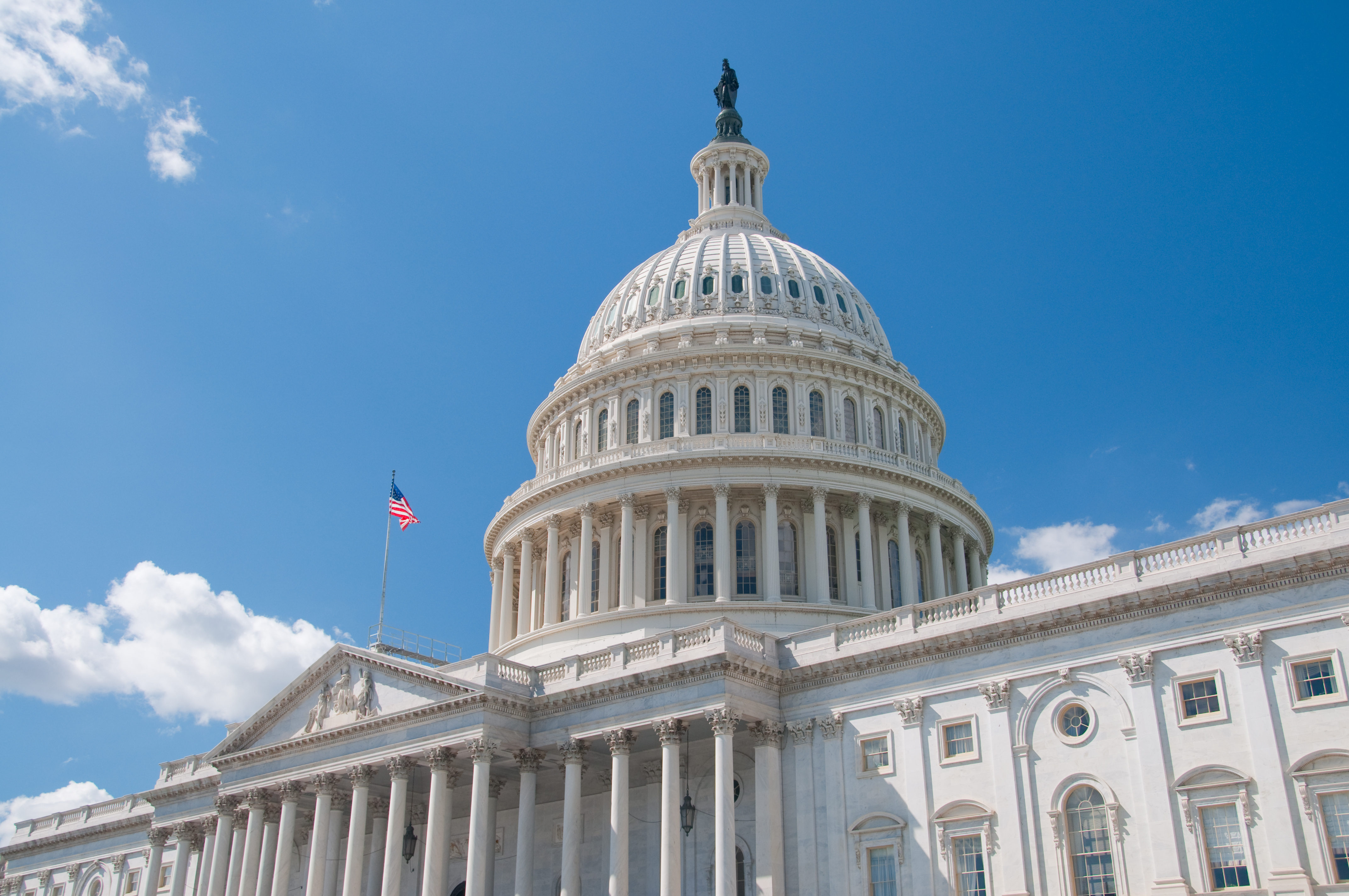
There were no last-minute negotiations averting a shutdown in Washington last night. Democrats largely rejected the Republican version of the stopgap funding bill in a push to reinstate $1 trillion for Medicaid and extend Medicare subsidies. That was a funding push all Republican senators rejected in turn, during a vote on the Democrat’s stopgap funding bill.
“Democrats came ready to negotiate a bipartisan deal to keep the government open and lower health care costs, but Trump and Republicans refused,” Santa Barbara’s House Representative Salud Carbajal said in a press release on October 1. “Now service members are working without pay, civil servants face uncertainty, and families across the Central Coast are left wondering how this dysfunction will impact their lives.”
The shutdown means disruptions for everyday people. Agencies will furlough employees — up to 750,000 a day according to the Congressional Budget Office — that they deem non-essential and other federal workers — from TSA agents and air traffic controllers to congressional support staff — will work without pay. Museums and national monuments will also close.
How will the shutdown impact Santa Barbara County? That depends on how long it lasts, and whether the Trump administration’s plan to make temporary layoffs permanent occurs. But for now, here’s what will, and will not, be affected.
Social Security and Healthcare: In Santa Barbara County, the nearly 80,000 people who receive money from Social Security will keep receiving their payments. People on Medicare and Medicaid will still be able to use their health insurance, and insurance companies will still pay medical providers. Veterans’ benefits will also continue.
The shutdown may interrupt other services, however, like benefit verifications and replacement Medicare cards.
Food: The county’s 56,000 people on SNAP benefits, the program that replaced food stamps, should still be able to get payments, according to the nonprofit Food Research and Action Center. But should the Trump administration’s budget bill pass, Americans nationwide will see their SNAP benefits cut, as work requirements increase and the age of dependents decreases.
The federal program WIC (Women, Infants, and Children) may lose funding in a government shutdown on the federal level. County Public Health said that locally the program is funded through October and that families can keep using their benefits and attending scheduled appointments. More than 24,000 people in the county used WIC benefits in 2024.
Education: Funding for K-12 schools will likely continue, as K-12 education is funded in July for the upcoming year. Some Head Start programs, on the national level, could see a break in funding. Santa Barbara’s Head Start program, administered through the nonprofit CommUnify, has received funding and has reserves to operate as normal into January.
Housing: On the national level, the Department of Housing and Urban Development (HUD) could face cuts to programs that help keep low-income people housed. The City of Santa Barbara’s Housing Authority has funding to keep its programs working for approximately the next six weeks, according to its CEO, Rob Fredericks. Santa Barbara County’s Housing Authority (HASBARCO) did not respond to a request for comment in time for this story.
National Parks: Many National Park and Forest rangers will not be on our federal lands (about 645 will be furloughed). As in 2019, parks will remain partially open. During the 2019 shutdown, trash and feces piled up, and wildlife was destroyed in some national parks across the country.
Weather and Disaster Relief: The Federal Emergency Management Agency (FEMA) and the National Weather Service will continue to work if the government is shutdown. According to CalMatters, first-responder firefighters will still be on-the-job, but a government shutdown could slow up recovery efforts post-disaster.
Possible Permanent Layoffs: The Office of Management and Budget, which reports to President Trump, said ahead of the shutdown directed agencies to prepare “reduction in forces” notices to stop programs that are “not consistent with the president’s priorities.” This would prompt agencies to make temporary layoffs permanent.
“We can do things during the shutdown that are irreversible — that are bad for them and irreversible by them,” President Trump said at a press conference on September 30, “like cutting vast numbers of people out, cutting things that they like, cutting programs that they like.”
This change could fundamentally shrink the federal government — a move with reaching effects for programs or organizations that work with federal agencies. CommUnify’s Head Start, for example, coordinates with the Administration for Children and Families (AFC). CommUnify CEO Patricia Keelean said that, should temporary furloughs at the AFC remain permanent, it could delay the organization’s next Head Start Grant award (slated for January), as there would be fewer people to work on the contract process.
Republican and Democrat lawmakers largely blame each other for the shutdown. It’s unclear how long it will last, or whether the Trump administration will permanently fire thousands of government workers. For now, it’s a waiting game.
Editor’s Note: This story was updated to clarify that it was the County’s Housing Authority, not the county itself, that did no respond to a request for comment in time for this story.
Related Posts




Premier Events

Sat, Sep 26
2:00 PM
Santa Barbara
“Nature’s Mosaic: Yellowstone” Discussion with Russ Lewin and Gerry Lewin

Sat, Sep 26
10:00 AM
Santa Barbara
“Harvest of Colors” Coastal Quilters Guild Show

Sat, Sep 26
10:00 AM
Goleta
Goleta Lemon Festival

Sat, Sep 26
6:00 PM
Santa Barbara
Freedom Music Festival: Roberto Tapia, Larry Hernandez, Regulo Caro

Sat, Sep 26
7:30 PM
Santa Barbara
The Tina Turner – Rod Stewart Tribute: Two Legends, One Night

Sun, Sep 27
7:00 PM
Santa Barbara
Judy Collins – Sweet Judy Blue Eyes: Farewell Tour

Sun, Sep 27
7:00 PM
Santa Barbara
Reggae Sunday w/ Soul Majestic and more at SOhO!

Mon, Sep 28
5:30 PM
Santa Barbara
S.B. Independent: Santa Barbara City Council District 4 Forum

Tue, Sep 29
6:45 PM
Santa Barbara
Patti Zlaket Album Release Show at SOhO

Tue, Sep 29
7:00 PM
Santa Barbara
Birds of California’s Channel Islands – Lecture and Book Signing

Tue, Sep 29
7:30 PM
Santa Barbara
Marty Stewart and his Fabulous Superlatives
Sat, Sep 26 2:00 PM
Santa Barbara
“Nature’s Mosaic: Yellowstone” Discussion with Russ Lewin and Gerry Lewin
Sat, Sep 26 10:00 AM
Santa Barbara
“Harvest of Colors” Coastal Quilters Guild Show
Sat, Sep 26 10:00 AM
Goleta
Goleta Lemon Festival
Sat, Sep 26 6:00 PM
Santa Barbara
Freedom Music Festival: Roberto Tapia, Larry Hernandez, Regulo Caro
Sat, Sep 26 7:30 PM
Santa Barbara
The Tina Turner – Rod Stewart Tribute: Two Legends, One Night
Sun, Sep 27 7:00 PM
Santa Barbara
Judy Collins – Sweet Judy Blue Eyes: Farewell Tour
Sun, Sep 27 7:00 PM
Santa Barbara
Reggae Sunday w/ Soul Majestic and more at SOhO!
Mon, Sep 28 5:30 PM
Santa Barbara
S.B. Independent: Santa Barbara City Council District 4 Forum
Tue, Sep 29 6:45 PM
Santa Barbara
Patti Zlaket Album Release Show at SOhO
Tue, Sep 29 7:00 PM
Santa Barbara
Birds of California’s Channel Islands – Lecture and Book Signing
Tue, Sep 29 7:30 PM
Santa Barbara

