
The Santa Barbara City Council passed a temporary rent freeze in a 4-3 vote on Tuesday, putting a halt on rent increases for up to a year while the City Council works toward drafting a more permanent rent stabilization ordinance to be considered later in 2026.
The rent increase moratorium will be officially adopted next week and would be effective 30 days later. The council failed to get the fifth vote needed to qualify for an urgency ordinance, which would have taken effect immediately after approval.
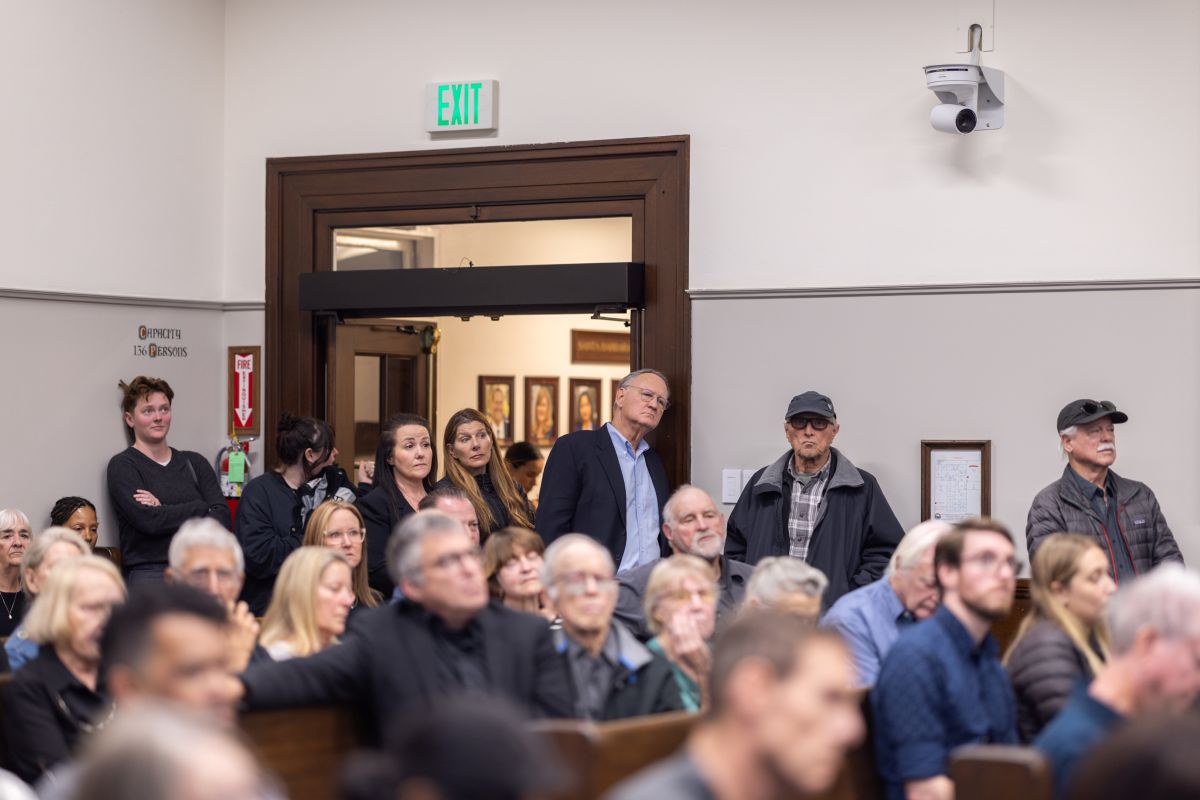
In December 2025, the City Council directed staff to draft a temporary rent increase moratorium that would serve to freeze rents at their current rates while city planning staff iron out the details of a permanent rent cap over the next year. On Tuesday, the council returned to vote on the rent freeze, in a jam-packed council chambers filled with city residents and property owners who showed up to weigh in on the polarizing topic.
While the council avoided wading into the details of the long-term rent cap, there were dozens of landlords, Realtors, and real estate professionals who criticized any further regulation on rental properties.
Some described themselves as “mom and pop” landlords who worried they would be swept up in the larger effort to reel in rent prices driven up by corporate interests. Others said they considered the rent cap as interfering with the market and infringing on private property.
One property owner likened a rent freeze to an “attack on landlords” that could end in legal challenges against the city. Another said that councilmembers did not understand the current challenges with managing property, from insurance prices that have more than doubled to skyrocketing costs for repairs, maintenance, plumbing, and roofing.
Brian Johnson of the Santa Barbara Association of Realtors said a rent moratorium could adversely impact small housing providers that don’t maximize rent each year.
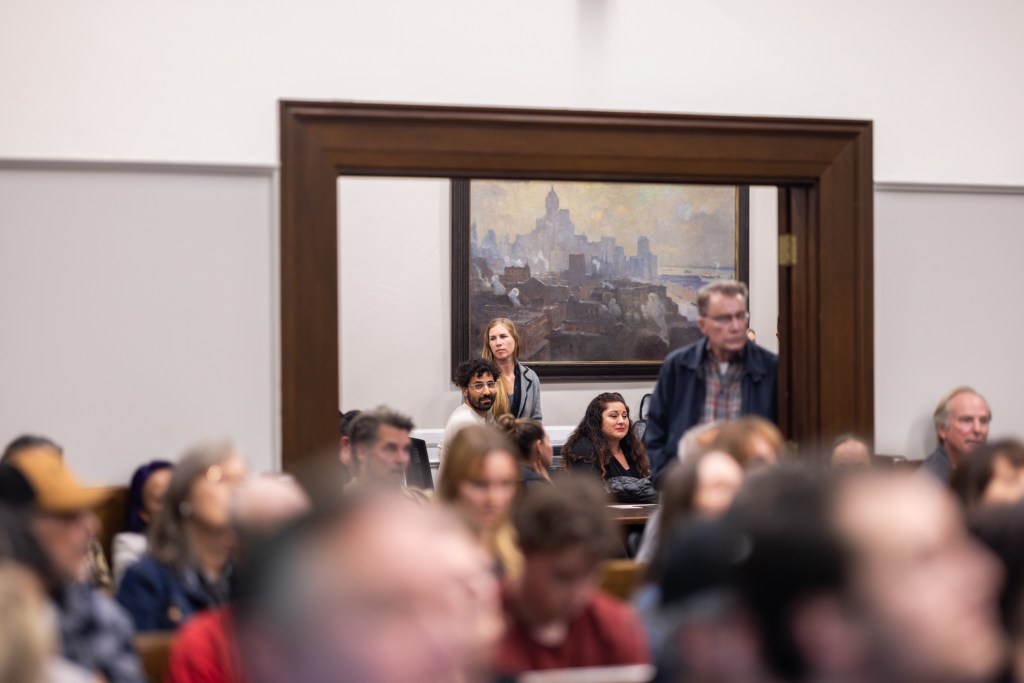
“A rent increase moratorium ignores a basic reality: freezing rent does not freeze expenses,” Johnson said. “Property taxes don’t stop. Insurance doesn’t stop. Utilities don’t stop. Neither do repairs, payroll, or the cost of simply keeping buildings safe and inhabitable.”
There were nearly twice as many tenants who spoke in favor of the rent freeze. These included housing advocates, healthcare workers, tech employees, academics, and community organizers who asked the council to pass the moratorium to prevent more locals from being priced out.
“The most compelling reason we need to do this is to stabilize the population in Santa Barbara that is most vulnerable to being displaced to homelessness,” said community organizer and renter Ian Baucke. “I can understand the concerns, and I can understand that there are tradeoffs, but at the end of the day, what’s most important is protecting the stability of Santa Barbara.”
Some tenants described difficulties finding affordable housing in the current market, where people with full-time jobs sometimes have to resort to sleeping in their cars. Others pushed back on tenant protections being portrayed as radically progressive ideas.
Faith Ellington-Baker, operations manager at the Santa Barbara Maritime Museum, spoke in support of the moratorium. She said she grew up in Santa Barbara but can no longer afford to live here.
“I don’t think it’s a radical idea that somebody born and raised here with gainful employment should be able to live in their hometown,” Baker said. “We have to do something. Something needs to change. The people of Santa Barbara are what make Santa Barbara so special, and people are being displaced.”
Councilmember Kristen Sneddon, who is also running for mayor, has been among the most vocal supporters of both a rent stabilization program and a temporary rent freeze. She emphasized the importance of implementing the moratorium to give the city some breathing room with long-term planning.
“If we want to do it right — if we want to take that pause and not have the rents keep going up for tenants — then we need to have a moratorium,” Sneddon said.
Councilmember Meagan Harmon wanted to make sure that Tuesday’s discussion focused on the temporary rent freeze instead of the larger questions about rent stabilization. “What we’re doing is truly about ensuring that the state of play as it currently exists can continue in place as we develop that ordinance,” she said.
Harmon said she weighed the risks of impacts on both tenants and landlords. “I do recognize that this is difficult for some folks in this room,” she said. “I think the difficulties associated with not doing this would have profound and long-lasting impacts on the fabric of our community.”
Councilmembers Mike Jordan and Wendy Santamaria have not often agreed on the issue, but on Tuesday both expressed a shared willingness to work together to tailor the ordinances to fit Santa Barbara’s needs.
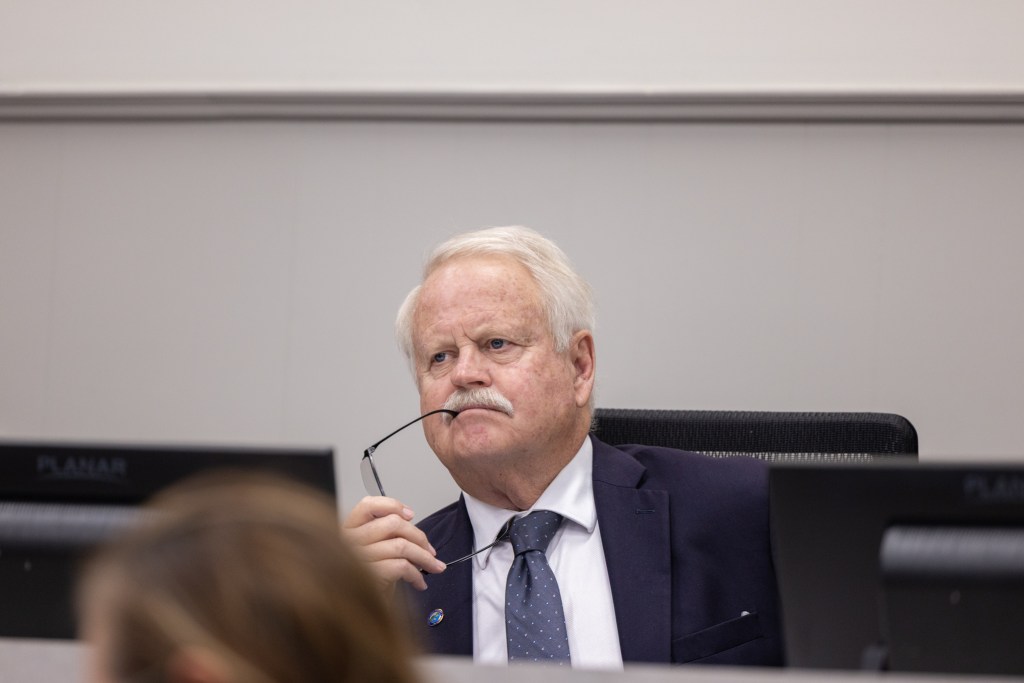
“I would just ask that we do the best job we can on the nuts and bolts and the details,” Councilmember Jordan said.
“I’m all in,” Councilmember Santamaria said. “Let’s work together. Let’s work with everybody in this room and everybody who couldn’t make it. Because at the end of the day, this is happening, and it’s just a matter of how.”
The temporary rent freeze does not apply to any units built in the past 30 years; single-family dwelling units and most condos; transient occupancies such as hotels and motels; institutional or government housing; or units subject to affordability covenants. The moratorium will last through December 31, 2026.
Since the rent moratorium did not receive the five votes necessary to implement an emergency ordinance, it will be treated as a regular ordinance and will take effect 30 days after adoption. According to the ordinance, rent increases put in place between December 16, 2025, and the effective date will be counted against future rent increases for those same units.
Councilmembers Jordan and Eric Friedman and Mayor Randy Rowse voted against the temporary rent freeze.
Councilmember Friedman said his vote wasn’t motivated by politics or his candidacy for mayor but instead by data and concerns about housing supply. “The construction of new housing is not only creating new units; it’s providing jobs,” he said. “This has an impact on the building trades, and that is something that is important to me.”
Mayor Rowse has consistently spoken against a rent cap and rent freeze. “I think that we are going on emotion, and we are going on anecdotes,” Rowse said. “We don’t have data. We don’t have facts. We don’t have financial models.”
Related Posts





Premier Events

Thu, Sep 17
5:30 PM
Santa Barbara
S.B. Independent: Santa Barbara City Council District 5 Forum

Thu, Sep 17
7:00 PM
Santa Barbara
Téka Brazilian Jazz at The Grand On State

Fri, Sep 18
All day
Solvang
Solvang Danish Days

Fri, Sep 18
12:00 AM
Santa Barbara
Yesterday: A Tribute to The Beatles at SOhO

Fri, Sep 18
7:00 PM
Carpinteria
West Coast Premier: “Gloria’s Old Haunt”
Sat, Sep 19
All day
Solvang
Solvang Danish Days

Sat, Sep 19
9:00 AM
Santa Barbara County
Coastal Cleanup Day

Sat, Sep 19
10:00 AM
Santa Barbara
8th Annual Santa Barbara County Farm Day

Sat, Sep 19
6:30 PM
Santa Barbara
Feng E – Teen Ukulele Sensation at SOhO

Mon, Sep 21
5:30 PM
Santa Barbara
S.B. Independent: Santa Barbara City Council District 6 Forum
Thu, Sep 17 5:30 PM
Santa Barbara
S.B. Independent: Santa Barbara City Council District 5 Forum
Thu, Sep 17 7:00 PM
Santa Barbara
Téka Brazilian Jazz at The Grand On State
Fri, Sep 18 All day
Solvang
Solvang Danish Days
Fri, Sep 18 12:00 AM
Santa Barbara
Yesterday: A Tribute to The Beatles at SOhO
Fri, Sep 18 7:00 PM
Carpinteria
West Coast Premier: “Gloria’s Old Haunt”
Sat, Sep 19 All day
Solvang
Solvang Danish Days
Sat, Sep 19 9:00 AM
Santa Barbara County
Coastal Cleanup Day
Sat, Sep 19 10:00 AM
Santa Barbara
8th Annual Santa Barbara County Farm Day
Sat, Sep 19 6:30 PM
Santa Barbara
Feng E – Teen Ukulele Sensation at SOhO
Mon, Sep 21 5:30 PM
Santa Barbara


You must be logged in to post a comment.