
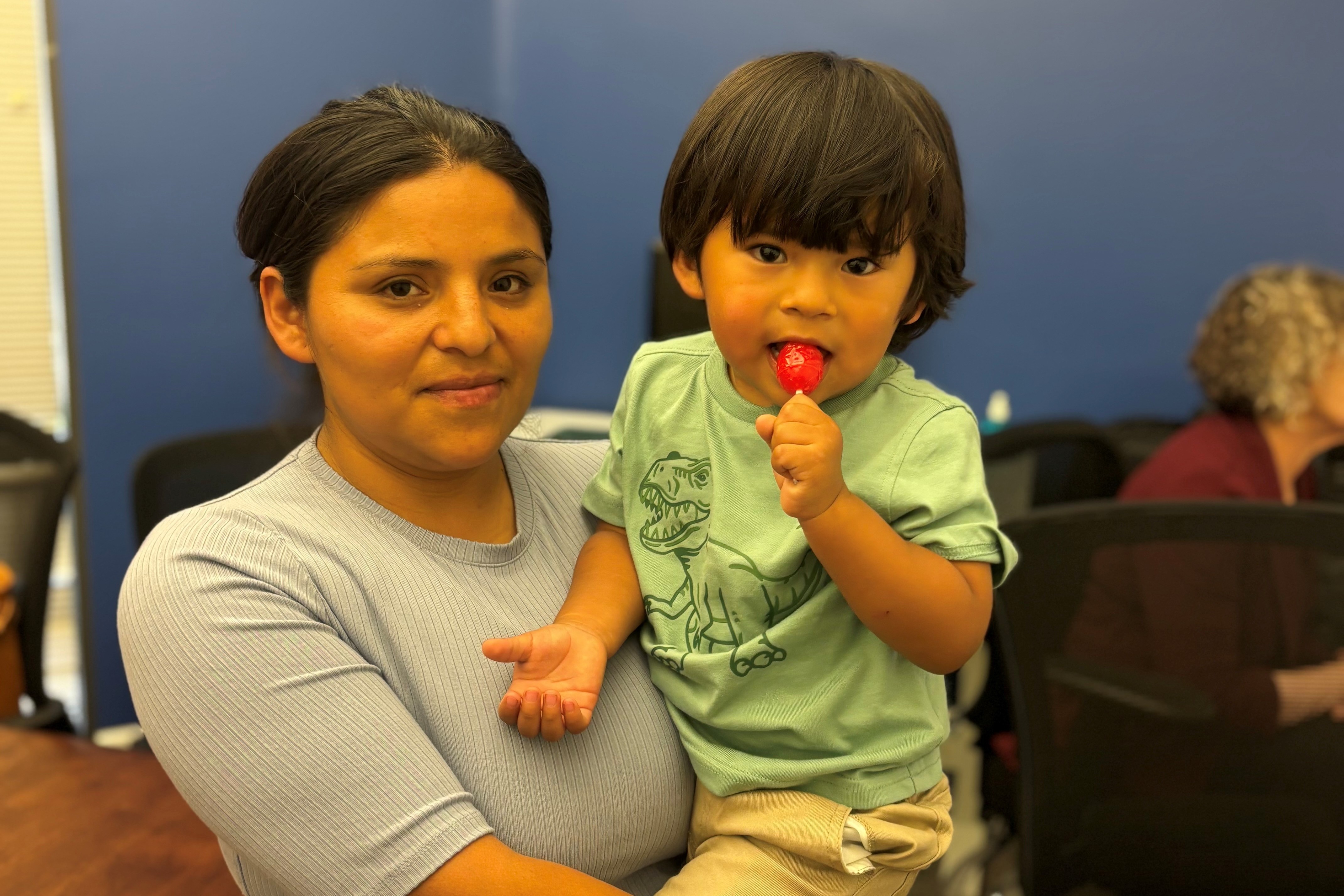
A Central Coast mother and her 2-year-old child are back home after a harrowing experience in a federal immigration detention center in Texas, where the young boy reportedly fell ill and ate little food for two weeks before an extraordinary turn of events — and a community effort between a Goleta nonprofit, a civil rights attorney, and a Texas congressmember — resulted in their release on April 2.
The asylum-seeking mother, whose name is not being published out of fear of further immigration enforcement, and her 2-year-old son, who is being identified only by his first initial, K, shared their experience with the Independent through staff members at LEAP, a local nonprofit that provides childcare and family support for low-income and immigrant families.
Lori Lander Goodman, CEO of LEAP, said it has been an “intense, remarkable, and miraculous week” helping the mother and son return home and begin to rebuild their lives. Both K and his mother are still processing the trauma of being arrested and taken halfway across the country, while trying to secure the release of K’s father, who remains detained in a separate facility in San Diego.
Goodman said the family, which used LEAP’s family services and children’s center, was legally seeking asylum and complying with all requirements to become citizens through the approved pathways. On March 19, the family arrived at a regular immigration check-in, where the entire family was suddenly taken into custody.
LEAP Community Engagement Specialist Laura Costilla first heard about the arrest when she got a desperate call from the family letting her know what had happened. Costilla said she felt extreme sadness about the situation, though she says she felt grateful that the family trusted LEAP enough to reach out. The family originally got her contact information through another client, who helped spread the word that LEAP was an organization immigrant families could rely on for support and safety.
“That’s what connection does,” Costilla wrote in an email describing her experience. “Sometimes, it’s not about having the answers or the power to fix everything. Sometimes, it’s just about being there, meeting people where they are, and holding space for them. And, in this case, that was enough to build trust strong enough to travel thousands of miles.”
LEAP staffers weren’t sure what they could do to help the family, but Costilla’s words inspired Goodman to send out an email blast sharing the story with their shared network, inviting community members to donate to an emergency fund to help K and his mother.
That same night, Goodman got a call from another staff member, who told Goodman that they recognized K’s face on a local Spanish-language news broadcast about a detention center in Dilley, Texas. The short news clip said that the 2-year-old hadn’t eaten solid food for 12 days, and that his mother was struggling to get him proper medical care in the facility.
“Understandably, she was terribly upset and brokenhearted to see a child she worked so hard to enroll in our children’s center suffering,” Goodman said.
But the video clip also revealed some hopeful news, that the story of K and his mother had grabbed the attention of San Antonio Congressmember Joaquin Castro, who vowed to advocate for the release of both mother and child.
By the next day, the family had gotten in touch with attorney Elora Mukherjee with the ACLU’s Racial Justice Program, who promptly filed an appeal that was tentatively accepted early that morning. As the family and the attorney tried to arrange the release in Texas, Goodman and the staff at LEAP more than 1,400 miles away were scrambling to line up an approved sponsor for both K and his mother.
Within an hour, Goodman says, immigration called to confirm the family’s sponsor. Goodman used the community donations to get plane tickets from San Antonio to Santa Barbara for both K and his mother and served as a liaison to schedule a window of travel on Thursday, April 9.
The day before the family was released from immigration detention, Goodman and LEAP staff began to have a little more hope. But there were still many details they had to work out, Goodman said, including finding a new place for the family to live after their landlord — who assumed the family had been deported — rented out their unit and got rid of their personal belongings.
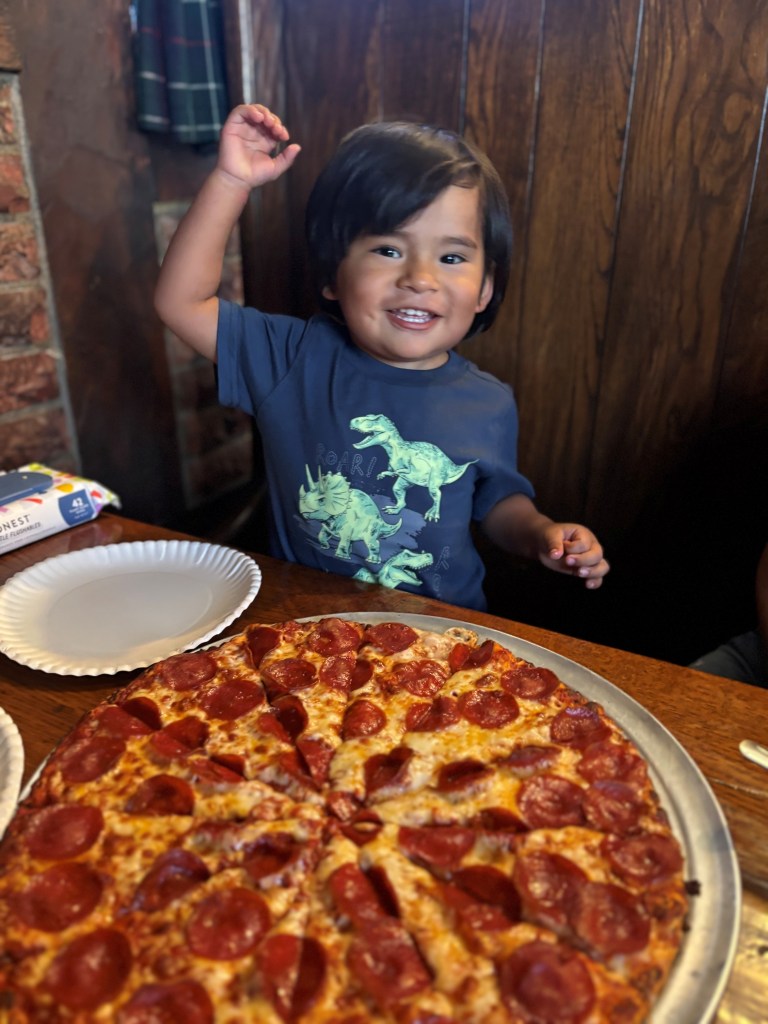
Through a community effort and thanks to the help of a family friend, Goodman was able to line up a new room and cover the first month’s rent with remaining donations to the emergency fund.
Before the family arrived, Costilla went out to grab some new clothes, food, and provisions for K and his mother. They set up a doctor’s appointment on Thursday so K could be checked out immediately when they got back home. Goodman says she remembers nervously tracking flights to make sure there were no last-minute snags.
“We celebrated when we learned that mom and K were at the airport,” Goodman said. “We cheered when the first plane took off.”
When K and his mother arrived in Santa Barbara, Goodman and her team were the first to greet them. It was a moment to celebrate, but also revealed the emotional, physical, and psychological damage that both K and his mother endured during their nearly two-week journey into and back out of the American immigration detention system.
They learned that 2-year-old K was unable to eat solid food for the entirety of their stay. His mother described comforting him as he cried, unable to sleep due to the bright lights, loud noises, and fear of the guards on late-night patrols.
“He suffered immensely in detention at Dilley,” Goodman said. “For nearly two weeks, he vomited every time his mom tried to feed him solid food. He survived by drinking water and apple juice.”
Goodman said the boy “desperately misses his father” and the trauma of being dragged from cars to detention facilities has manifested in a fear of strangers and traveling.
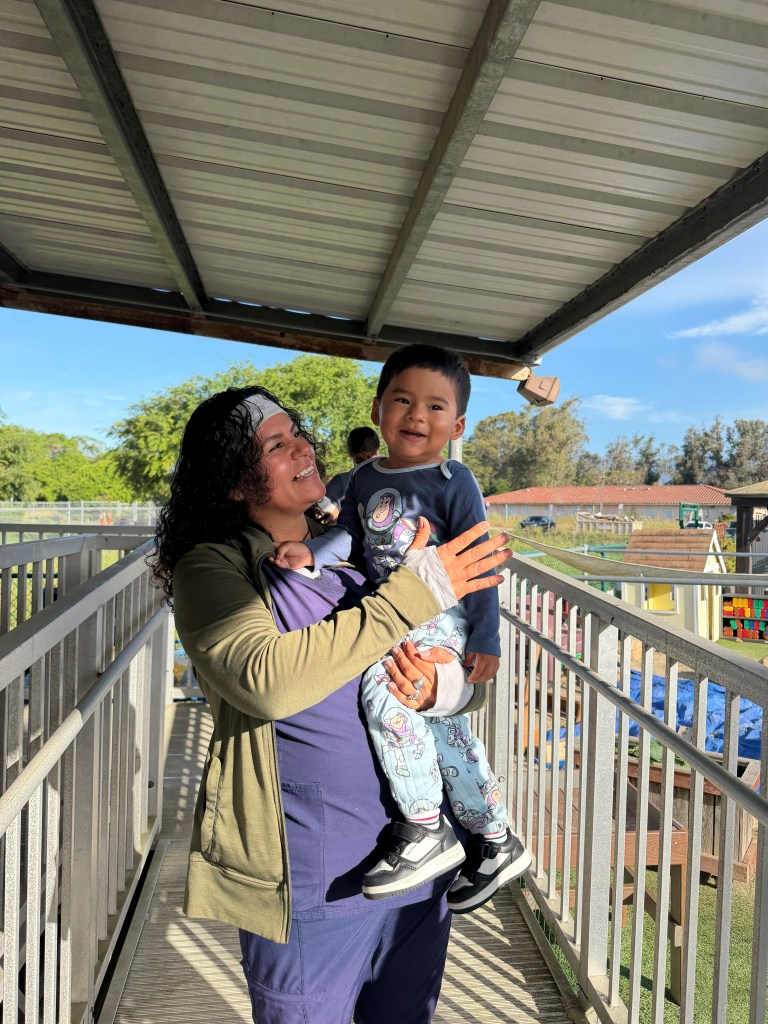
“Both K and Mom are severely traumatized,” Goodman said. “He screamed hysterically getting into the car when Laura picked them up from the airport. He is now terrified of cars and car seats because of the way he was violently shoved into a car by ICE agents.”
On Monday, K returned to school for the first time since he was arrested and detained along with his family back on March 19. He was happy to be reunited with his teachers and classmates, and has enjoyed his favorite foods since he has been home.
LEAP staffers are continuing to support the family to help them get back on their feet. Goodman shared a community fundraiser where community members can donate to help with legal expenses and to purchase basic necessities such as evaporated milk, oil, eggs, clothing, and furniture.
Goodman said that the entire experience shows the power of community can help heal the wounds of trauma.
“Trusted relationships, equitable environments, and a sense of belonging — along with therapy — can counteract some of the harmful effects of what happened to this family,” she said. “This week is an example of what we can do because we are a community.”
To support LEAP, or find out more about the organization’s services and resources, visit leapcentralcoast.org/donate.
Related Posts



Premier Events

Sat, Oct 03
9:00 AM
Santa Barbara
Fall Plant Sale and Master Gardener Workshop

Sat, Oct 03
7:00 PM
Santa Barbara
Clean Comedy at Carrillo Recreation Center
Sat, Nov 14
7:00 PM
Santa Barbara
Clean Comedy at Carrillo Recreation Center
Sat, Dec 05
7:00 PM
Santa Barbara
Clean Comedy at Carrillo Recreation Center

Fri, Oct 02
5:30 PM
Santa Barbara
Pet Blessing at Trinity Episcopal Church
Fri, Oct 02
8:00 PM
Santa Ynez
Comedian Ron White Performs at Chumash Casino Resort

Sat, Oct 03
9:00 AM
Goleta
Out of the Darkness Suicide Awareness Walk

Sat, Oct 03
10:00 AM
Santa Ynez
Chumash Intertribal Powwow Returns

Sat, Oct 03
10:00 AM
54th Santa Barbara Old -Time Fiddlers’ Festival

Sat, Oct 03
11:00 AM
Santa Barbara
OktoBEERfest at Dutch Garden Restaurant!
Sat, Oct 03
12:00 PM
Santa Barbara
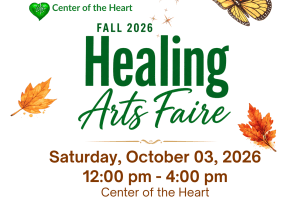
Reclaim Your Radiance Fall 2026 Healing Arts Faire

Sat, Oct 03
12:00 PM
Santa Barbara
CWC Docs: “SURFILMUSIC” (2026)

Sat, Oct 03
2:00 PM
Santa Barbara Public Library
S.B Voting Rights and Election Protection Forum: How You Can Get Involved

Sat, Oct 03
4:00 PM
Santa Barbara
42nd “Sips & Ships” Wine Tasting & Yacht Tour Fundraiser
Sat, Oct 03 9:00 AM
Santa Barbara
Fall Plant Sale and Master Gardener Workshop
Sat, Oct 03 7:00 PM
Santa Barbara
Clean Comedy at Carrillo Recreation Center
Sat, Nov 14 7:00 PM
Santa Barbara
Clean Comedy at Carrillo Recreation Center
Sat, Dec 05 7:00 PM
Santa Barbara
Clean Comedy at Carrillo Recreation Center
Fri, Oct 02 5:30 PM
Santa Barbara
Pet Blessing at Trinity Episcopal Church
Fri, Oct 02 8:00 PM
Santa Ynez
Comedian Ron White Performs at Chumash Casino Resort
Sat, Oct 03 9:00 AM
Goleta
Out of the Darkness Suicide Awareness Walk
Sat, Oct 03 10:00 AM
Santa Ynez
Chumash Intertribal Powwow Returns
Sat, Oct 03 10:00 AM
54th Santa Barbara Old -Time Fiddlers’ Festival
Sat, Oct 03 11:00 AM
Santa Barbara
OktoBEERfest at Dutch Garden Restaurant!
Sat, Oct 03 12:00 PM
Santa Barbara
Reclaim Your Radiance Fall 2026 Healing Arts Faire
Sat, Oct 03 12:00 PM
Santa Barbara
CWC Docs: “SURFILMUSIC” (2026)
Sat, Oct 03 2:00 PM
Santa Barbara Public Library
S.B Voting Rights and Election Protection Forum: How You Can Get Involved
Sat, Oct 03 4:00 PM
Santa Barbara


You must be logged in to post a comment.