

Santa Barbara City College is planning to harness more solar power, bolstered by a $4.2 million state grant to Scale Microgrids — an energy equipment company based in New Jersey — to build the school’s new microgrid.
The new microgrid will integrate solar, battery storage and electric vehicle charging.
The California Energy Commission awarded the grant to Scale for SBCC’s Community Resilience Hub Project through the Community Energy Reliability and Resilience Investment (CERRI) program.
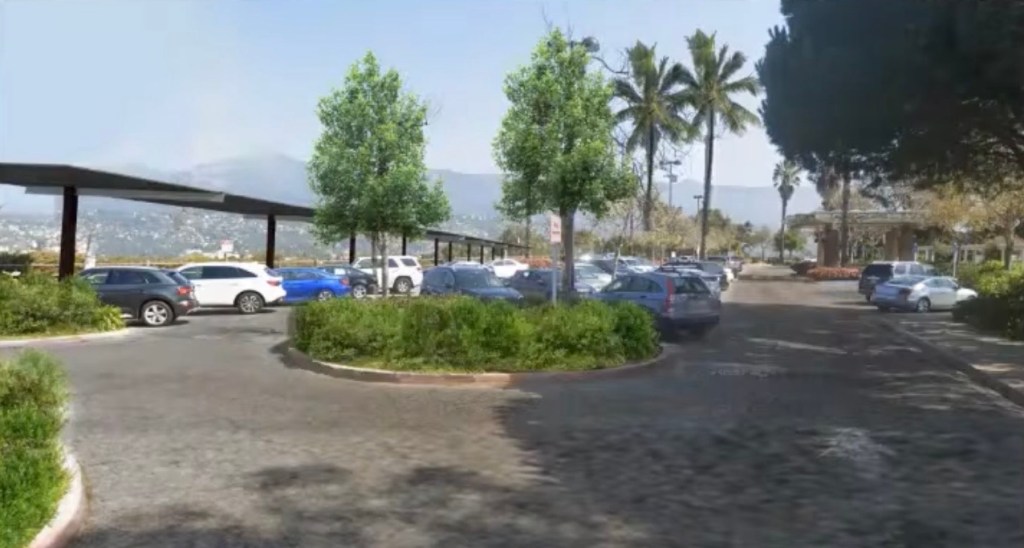
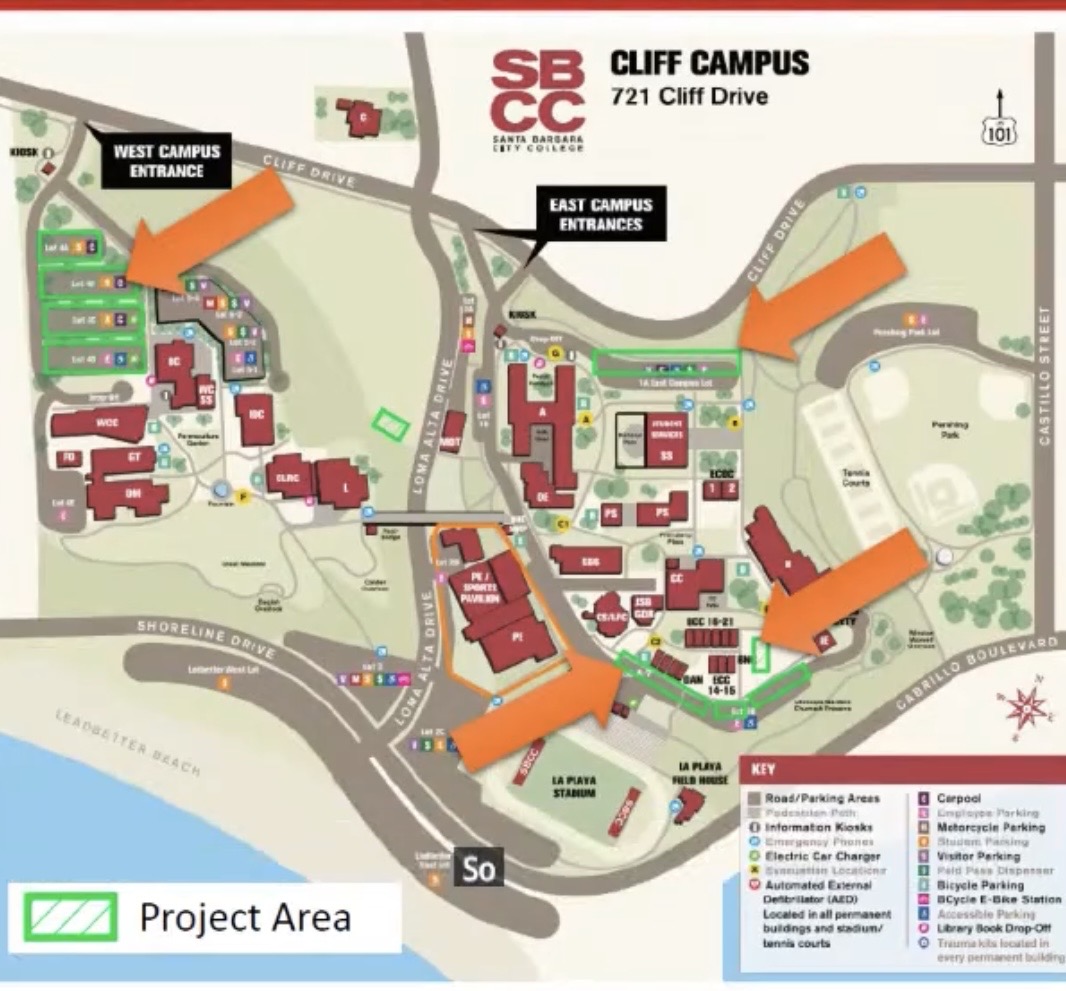
The project will install 1.6 megawatts of solar arrays and two Tesla Megapack battery storage systems on campus.
With the campus microgrid, the college will qualify as a community resilience hub, able to provide backup power for eight to 24 hours in the case of emergencies and power outages. It will also lower energy costs and emissions, and establish independence from the main grid, according to the school.
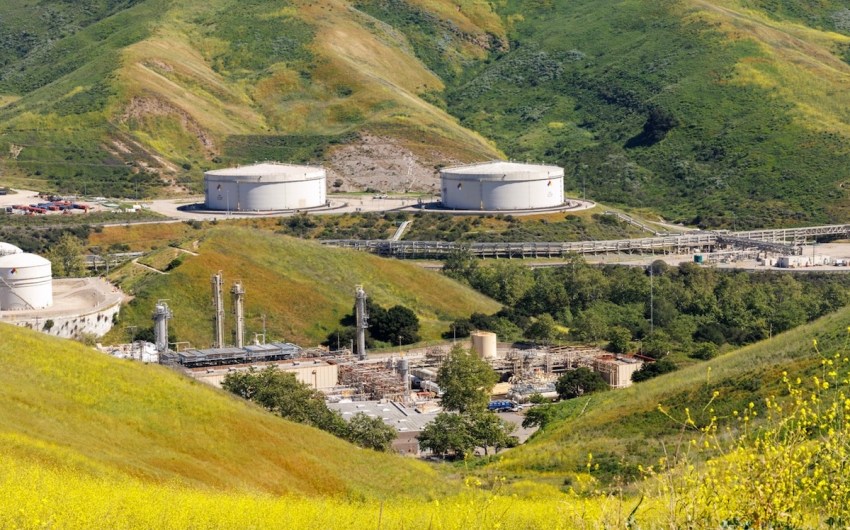
Santa Barbara County’s grid is especially vulnerable to outages — Santa Barbara is at the end of the line for both PG&E and Southern California Edison (SCE) power lines, and those power lines cross through areas prone to wildfire, earthquakes, and landslides.
Santa Barbara County experiences twice the average outage duration and frequency of outages when compared to the rest of SCE’s system, and is in the 99.4th percentile for natural disaster risk, according to the Federal Emergency Management Agency (FEMA).
When the power does go out, SBCC will be able to serve as a gathering place for residents to receive supplies, charge electronics and access medical treatment, according to Scale.
The new microgrid will also help the college save on electricity costs during regular “blue sky” operations, since it will be able to purchase power directly from Scale. Integrating battery storage with solar generation will “reduce peak demand by storing solar energy during the day and discharging it during high-demand periods,” according to Scale, further reducing costs. “The system will also reduce strain on the broader grid and position SBCC as a leader in energy innovation and resilience,” the company said in a June press release.
The company noted, “SBCC already has an existing disaster relief agreement with the American Red Cross, and this project will further strengthen its role as a lifeline for the community during emergencies.”
While 41 trees will need to be removed for the project, including one coast live oak, losses will be mitigated at a 10:1 ratio, according to the school.
According to Scale, the project is currently in the planning and design stage. Construction is expected to begin in summer 2027, with the goal to complete installation and go live by the end of 2027, said Christopher Renbarger, SBCC assistant superintendent of business services.
“We’re proud to have the support of the Energy Commission on this important project,” said Shea Hughes, Scale’s vice president of business development. “Santa Barbara faces unique grid reliability challenges and vulnerabilities that make local resilience solutions such as solar, battery storage, and microgrids a critical need for communities in the area.”
Related Posts




Premier Events

Sat, Oct 03
9:00 AM
Santa Barbara
Fall Plant Sale and Master Gardener Workshop

Sat, Oct 03
7:00 PM
Santa Barbara
Clean Comedy at Carrillo Recreation Center
Sat, Nov 14
7:00 PM
Santa Barbara
Clean Comedy at Carrillo Recreation Center
Sat, Dec 05
7:00 PM
Santa Barbara
Clean Comedy at Carrillo Recreation Center

Fri, Oct 02
5:30 PM
Santa Barbara
Pet Blessing at Trinity Episcopal Church

Fri, Oct 02
8:00 PM
Santa Ynez
Comedian Ron White Performs at Chumash Casino Resort
Sat, Oct 03
9:00 AM
Goleta
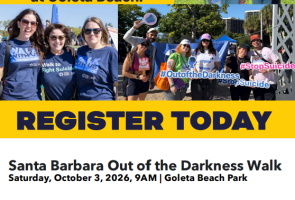
Out of the Darkness Suicide Awareness Walk

Sat, Oct 03
10:00 AM
Santa Ynez
Chumash Intertribal Powwow Returns

Sat, Oct 03
10:00 AM
54th Santa Barbara Old -Time Fiddlers’ Festival

Sat, Oct 03
11:00 AM
Santa Barbara
OktoBEERfest at Dutch Garden Restaurant!
Sat, Oct 03
12:00 PM
Santa Barbara
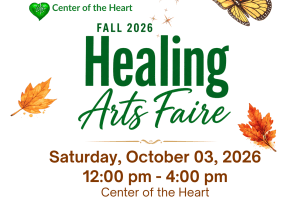
Reclaim Your Radiance Fall 2026 Healing Arts Faire

Sat, Oct 03
12:00 PM
Santa Barbara
CWC Docs: “SURFILMUSIC” (2026)

Sat, Oct 03
2:00 PM
Santa Barbara Public Library
S.B Voting Rights and Election Protection Forum: How You Can Get Involved

Sat, Oct 03
4:00 PM
Santa Barbara
42nd “Sips & Ships” Wine Tasting & Yacht Tour Fundraiser
Sat, Oct 03 9:00 AM
Santa Barbara
Fall Plant Sale and Master Gardener Workshop
Sat, Oct 03 7:00 PM
Santa Barbara
Clean Comedy at Carrillo Recreation Center
Sat, Nov 14 7:00 PM
Santa Barbara
Clean Comedy at Carrillo Recreation Center
Sat, Dec 05 7:00 PM
Santa Barbara
Clean Comedy at Carrillo Recreation Center
Fri, Oct 02 5:30 PM
Santa Barbara
Pet Blessing at Trinity Episcopal Church
Fri, Oct 02 8:00 PM
Santa Ynez
Comedian Ron White Performs at Chumash Casino Resort
Sat, Oct 03 9:00 AM
Goleta
Out of the Darkness Suicide Awareness Walk
Sat, Oct 03 10:00 AM
Santa Ynez
Chumash Intertribal Powwow Returns
Sat, Oct 03 10:00 AM
54th Santa Barbara Old -Time Fiddlers’ Festival
Sat, Oct 03 11:00 AM
Santa Barbara
OktoBEERfest at Dutch Garden Restaurant!
Sat, Oct 03 12:00 PM
Santa Barbara
Reclaim Your Radiance Fall 2026 Healing Arts Faire
Sat, Oct 03 12:00 PM
Santa Barbara
CWC Docs: “SURFILMUSIC” (2026)
Sat, Oct 03 2:00 PM
Santa Barbara Public Library
S.B Voting Rights and Election Protection Forum: How You Can Get Involved
Sat, Oct 03 4:00 PM
Santa Barbara


You must be logged in to post a comment.