The Santa Barbara Zoo is mourning the loss of its second newborn red panda this week. Both twin cubs, born to Ruby and Raj on July 2, have now died. The first cub died on July 21, and its sibling soon followed on July 27.
Both cubs’ causes of death are still unknown, but the zoo emphasized the species is extremely delicate in its first year of life, facing a mortality rate as high as 40 percent.
Still, zoo staff remained “cautiously optimistic” that the cubs, being the first born at the zoo in more than 30 years, would make it. At first, the pair nursed well and appeared healthy. But that changed when staff removed one cub from Ruby’s care after observing inadequate nursing on July 19. A few days later, its sibling died in its nesting box.
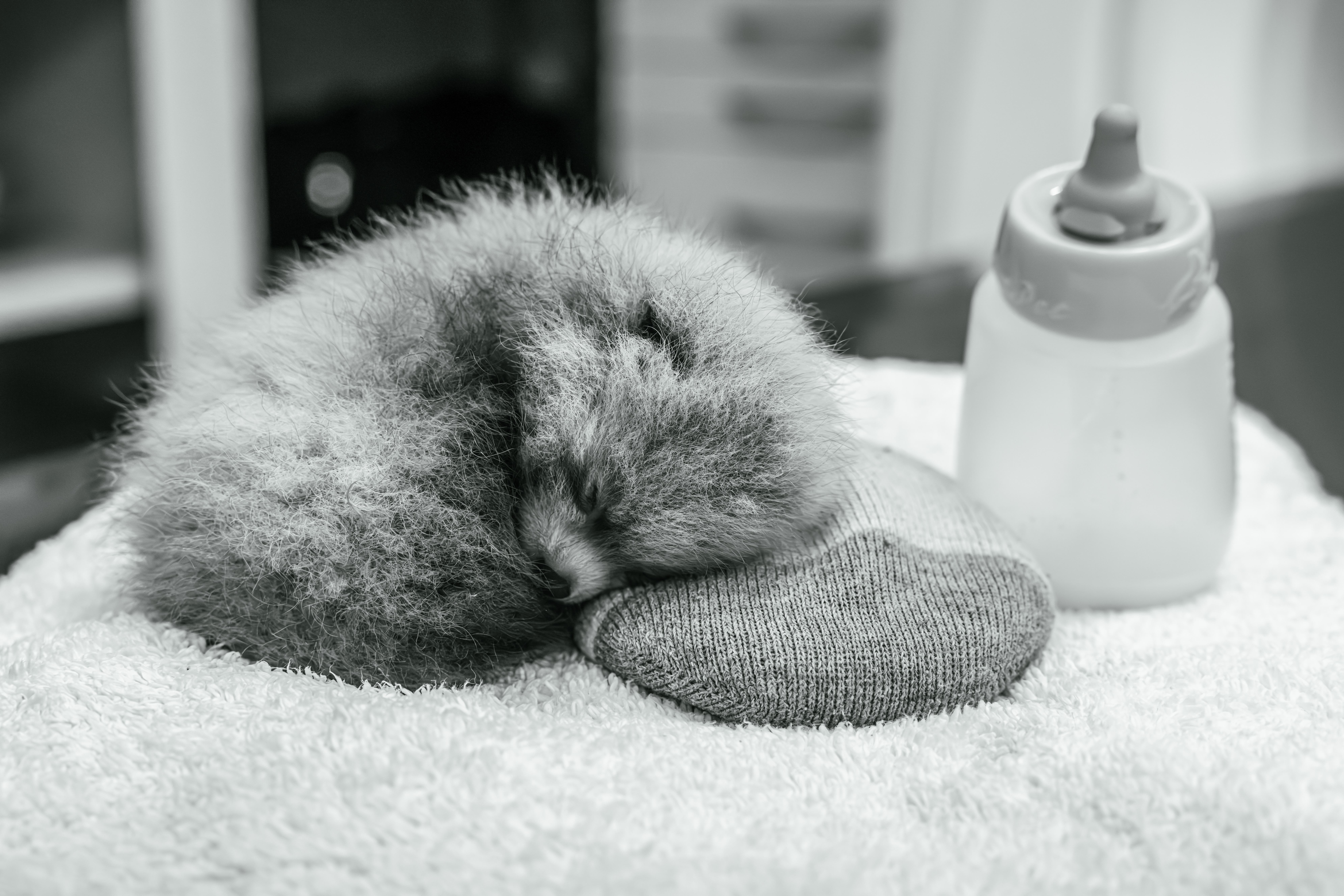
The surviving cub, a male, was being hand-raised in a temperature-controlled incubator, outfitted with blankets and stuffies. He received around-the-clock care from the zoo’s veterinary and nursing staff, including regular bottle feedings, antibiotics, and continued monitoring, said the zoo’s spokesperson, Andrea Gruber.
The cub was in critical condition last week, but he showed promising signs: taking formula from the bottle, and even opening his eyes. However, on Saturday, staff observed changes in his breathing patterns, and he seemed “increasingly fatigued following feedings.” His condition rapidly declined over the next 24 hours.
“The cub received the highest level of veterinary and nursing care, with every effort made to give him the best possible chance of survival,” including working closely with experts from the Association of Zoos and Aquariums’ Red Panda Species Survival Plan, said Gruber.
The necropsy of the cub revealed a significant amount of fluid surrounding the heart and some congestion of the lungs, Gruber explained. Additional testing is underway to help determine what contributed to each cub’s death.
Losing two cubs, especially critically endangered red pandas, is “incredibly sad and disappointing,” Gruber said. “While neonatal mortality can be high in red pandas, the loss of both cubs has been heartbreaking for everyone involved in their care.”
Gruber did note some encouraging signs despite the losses. Ruby experienced a healthy pregnancy and delivery, demonstrated attentive maternal behaviors, and gained valuable experience as a first-time mother. “These are all important milestones that can contribute to future reproductive success,” she said.
Ruby herself is doing well, and has been reunited with Raj, her breeding partner, in their habitat.