
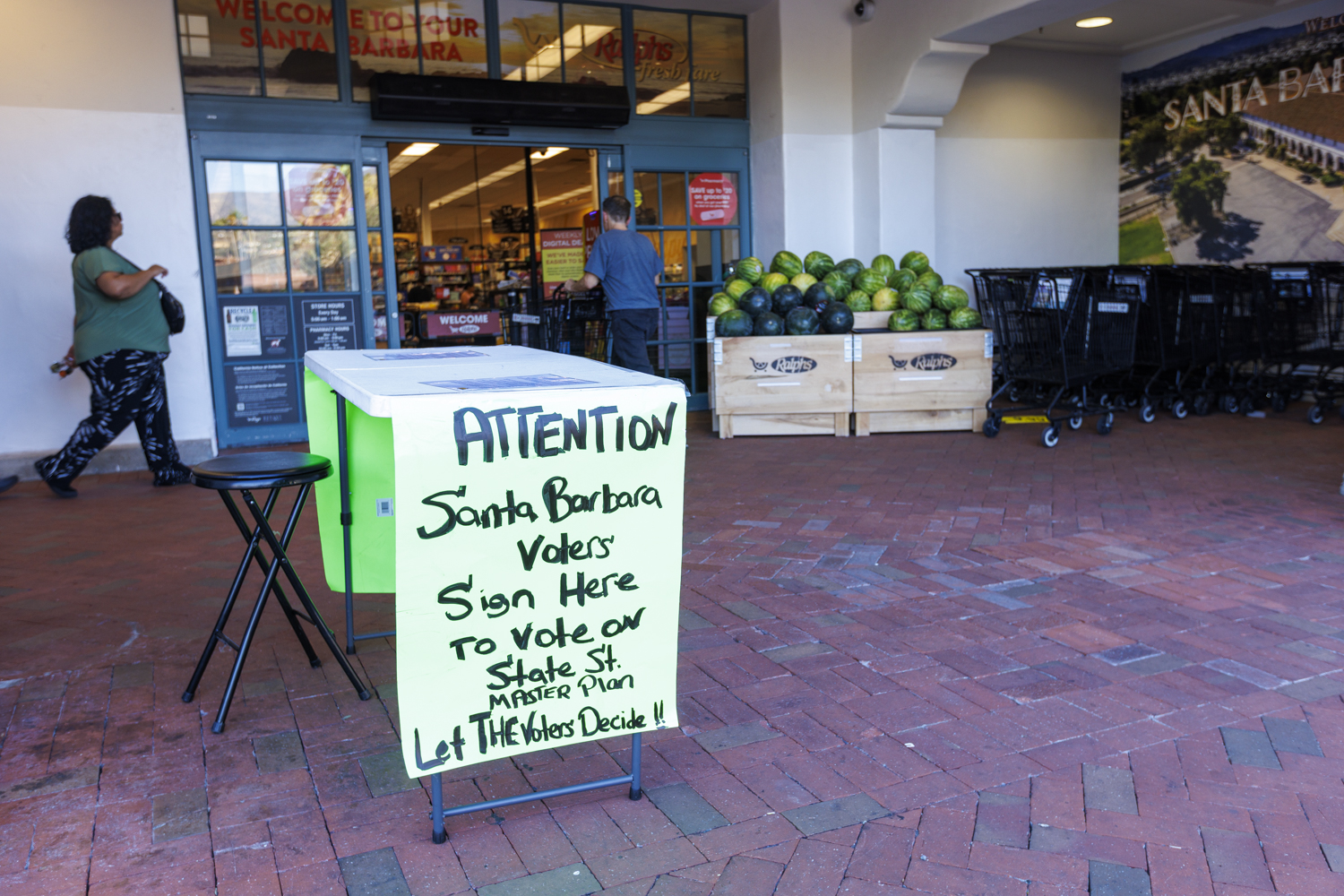
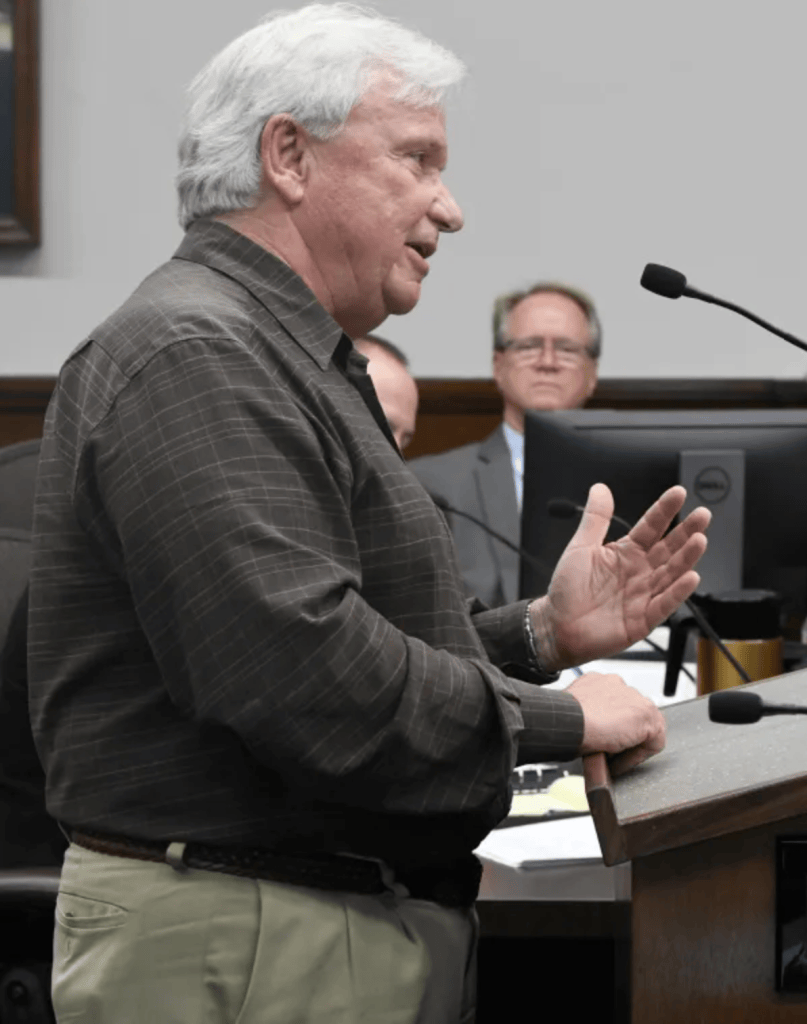
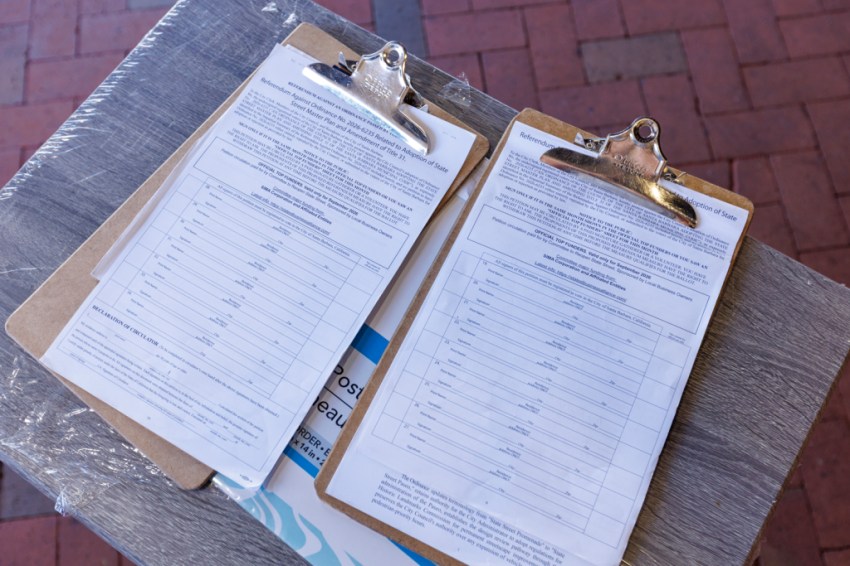
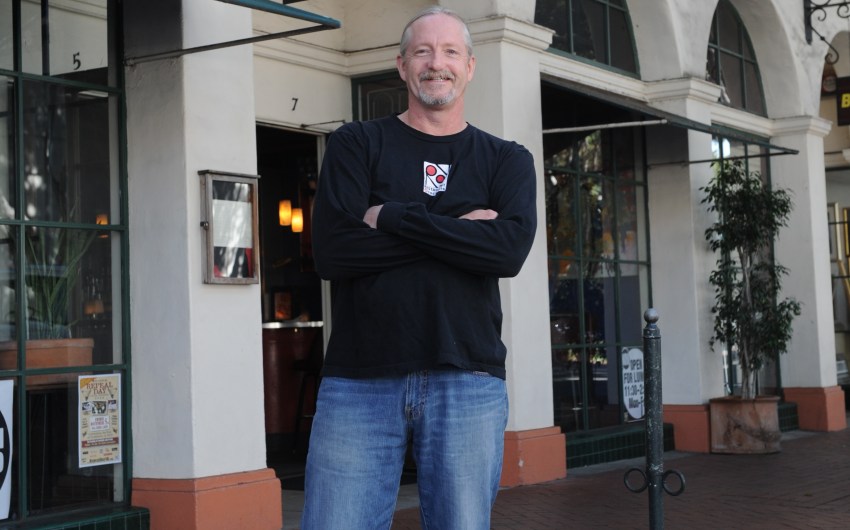
Jim Knell may be far from a household name. But on State Street, Knell — founder of SIMA Corp — is by far the biggest commercial landlord in town, with 300 business tenants. Definite in his attitudes and blunt in his delivery, Knell is now letting his money do his talking, having just launched a campaign to bring cars back to State Street by a voter referendum should Knell’s paid signature gatherers collect 5,400 signatures of registered city voters required.
“This is my last hurrah!” said Knell. “This is not something I wanted to do. But I feel have no other recourse.”
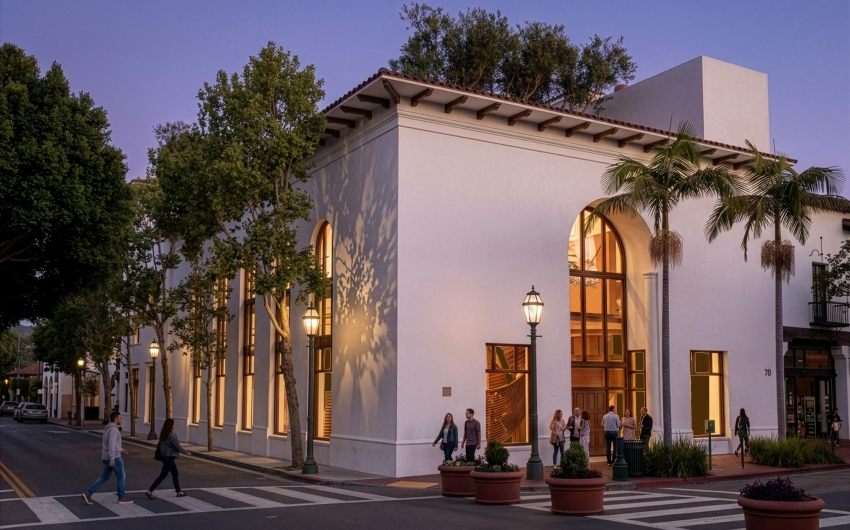
If Knell and his Committee to Re-Open State Street succeed, it would put the kibosh on the State Street Master Plan — five grinding, intense, and laborious years in the making — which the City Council voted to ratify by a rare 6-1 vote on September 1. Knell’s timing comes just as implementation of that plan — an ambitious, expensive effort to create a new downtown reanimated more by housing than retail — is poised to begin.
Technically, Knell’s proposed referendum asks voters whether they think an ordinance known as Title 31 — initially deployed as a COVID-era emergency measure to ban cars from State Street in perpetuity — should be repealed. But Title 31 also would allow cars back on State Street, though only at certain times and on certain blocks, neither of which have been worked out yet.
Knell says that since cars were banned in 2019 in response to COVID, downtown sales taxes increased by just one percent; by contrast, Coast Village Road tax revenues increased by 42 percent in that same period, the Funk Zone by 15 percent, and Milpas Street by 14 percent. The difference, Knell contends, is the presence of cars, cars that allow visitors to make their way up the city’s main drag and see where they want to stop. What was adopted as a “stopgap” during COVID has now “been converted into a permanent policy on a nine-block stretch of downtown without ever asking the people who live here,” according to Knell.
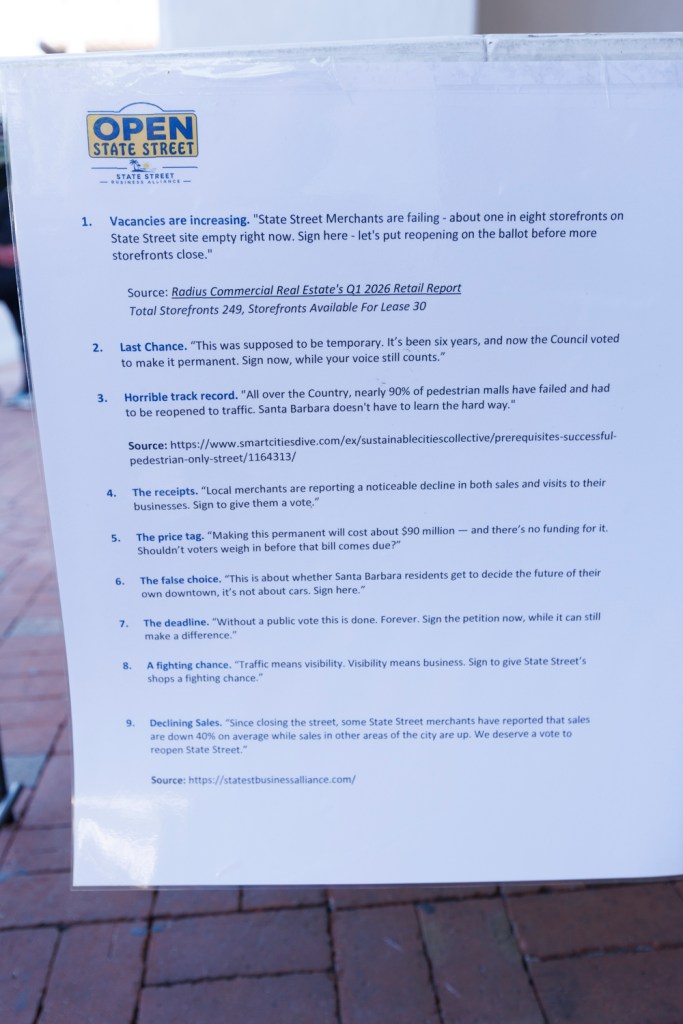
The State Street Master Plan, he said, will cost taxpayers $100 million and has at best a 10 percent chance of success, he said, according to one of the city’s own consultants.
“If the people want this, then fine, I’ll acquiesce,” Knell said. “But I think someone other than the City Council should be voting on this.”
He also charged that City Hall has conveniently absolved itself of complying with any of the state environmental review requirements and put City Hall on notice that he intends to sue on those grounds. City Attorney John Doimas issued a statement acknowledging he is investigation Knell’s claim.
In the meantime, Knell complained that pop-up businesses are replacing long-term tenants and that commercial space that used to rent for $4 a square foot now goes for a buck. Downtown office space is now, he said, at an all-time high vacancy rate of 40 percent.
“And half the businesses on Coast Village Road started out on State Street,” he added. “They’re paying $9 a square foot there; here, they were paying me $2.25.”
Tess Harris, the city administrator charged with shepherding the State Street Master Plan through its exhaustive public process, took issue with Knell’s economic doom-and-gloomism and his reliance upon the car as the solution. State Street’s slide began in 2017, she pointed out, well before the street was shut down in response to COVID. In the five years since, she said, some blocks have fared well — the 500, 700, and 900 significantly so, she said —and others, notably the 1000 and 1200 blocks, not so much and also significantly so. Mostly, she said, the downtown sales tax picture has been flat.
In the past six months, she noted, nearly 20 new businesses have either signed leases or opened their doors. More than that, she added, UCSB has leased space on the 400 block, and the Music Academy of the West is about to break ground on the 900 block for what will become a major music performance, rehearsal, and instruction space with a stellar rooftop deck. The Santa Barbara International Film Festival’s Film Center is already up and operating right across the street. City College is moving its cosmetology program to State Street, and Westmont is already downtown.
“These are tenants who could pretty move anywhere they wanted,” Harris noted. “They’re choosing to move downtown. That says something.”
Should Knell get the signatures he needs — and he most likely will — it would be up to the City Council to vote to make the changes he’s seeking voluntarily or put it to a vote. The soonest such a special election could be scheduled will be next March. The cost of holding such a special election to City Hall would be $300,000.





You must be logged in to post a comment.