
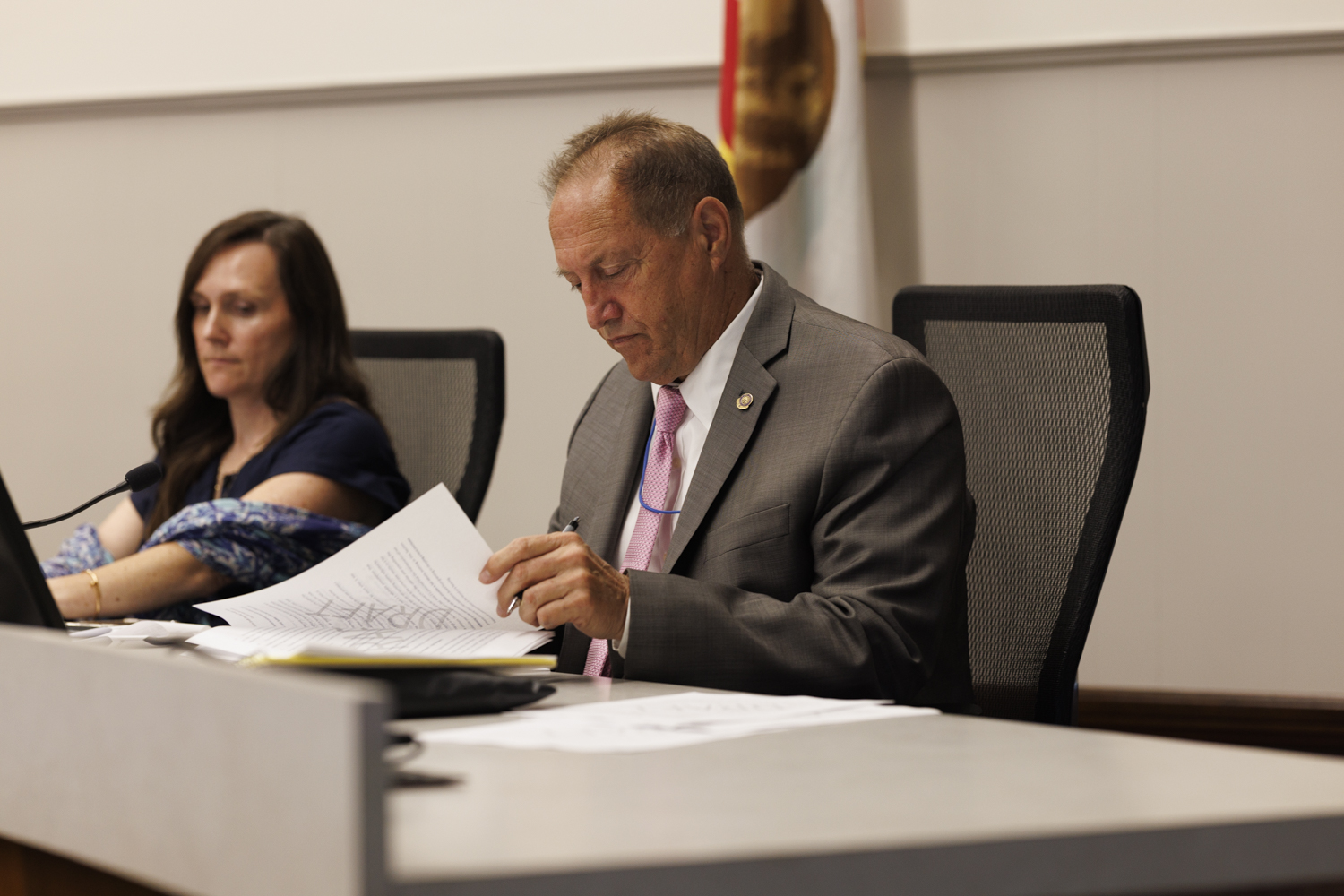
There are currently more than 2,300 active short-term rentals (STRs) listed in the city through Airbnb, VRBO, and similar booking sites, according to short-term rental listing data collected by AirDNA.
For years, these short-term rentals have operated in an informal and largely unregulated system, with the city collecting taxes from the few property owners who registered as businesses. And, until recently, there was no real way to keep track of or enforce against the technically unpermitted vacation rentals operating in the many areas of the city. Now, the city is preparing to launch a new set of rules to get a handle on the STR issue.
Throughout the planning process, city staff and members of the city’s review boards attempted to craft a set of regulations that would address the concerns of city residents whose neighborhoods have been overpopulated by STRs, without completely eradicating the low-cost accommodations these types of rentals provide to visitors who can’t afford to stay at traditional hotels.
The city is introducing two separate ordinances to regulate STRs in the inland and coastal areas. The ordinance for the inland area will be implemented in January 2027, while the portion regarding the coastal zones will head to the Coastal Commission for input and approval before being put in place.
The program is intended to create a viable permit path for STRs within allowed areas. In the inland areas, STRs will only be allowed in residentially permitted structures in commercial zones that already allow housing. They will not be allowed in residential zones and high-fire areas of the city.
STRs will be allowed in the coastal zone but will be restricted in areas zoned specifically for single-family and two-family residential. The new regulations will also allow homeshares in residential and commercial zones within the coastal area, if housing is permitted in the zone already.
STRs will not be permitted in ADUs, in deed-restricted affordable or employee housing, live-work units, or manager/caretaker units. Operators will also be prohibited from renting out RVs on their property or any uninhabitable units that have not had final inspection.
Under the new rules, units being listed as STRs must not have been rented to a long-term tenant in the past two years; they must rent for a minimum of two nights and have quiet hours from 10 p.m. to 7 a.m. And, going forward, a property owner can only operate one STR, and that owner cannot be a real estate trust or corporate entity.
While the City Council has been in support of putting the regulations in place, there have been questions regarding the impact of restricting STRs, and what that might mean for the city’s tourism revenues. There are currently 265 STR operators paying transient occupancy taxes in the city, and enforcement on STRs has brought over $1 million a year for the past two years. City finance staff estimate that the city could lose out on nearly $3 million in annual revenues with the new regulations.
About 30 members of the public spoke during Tuesday’s council hearing, with STR operators and tourism industry professionals speaking against the ordinance, while city homeowners spoke in support of the stricter rules.
Residents of the Mesa neighborhoods and other areas with high numbers of STRs reported excessive noise, late-night bonfires in high-fire areas, and overcrowding on quiet residential streets. Some homeowners complained that single-family homes were being converted into vacation rentals that were incompatible with the surrounding neighborhoods.
Mesa resident Bill Stark pushed back on the notion that unregulated units offered a more affordable option to visitors, saying that the current listings show that STRs listed on the Mesa “appear to be just as expensive as hotels, if not more so.”
Several STR operators commented and said the proposed ordinances were far too restrictive and would drive some of the more responsible property owners out of the business. One property owner pointed out that the two-night minimum would cut off as much as one-third of their current bookings.
Maria Manjarrez, a representative from Airbnb, spoke in opposition to the proposed policy. She said the ordinance “assumes short-term rentals drive the housing crisis,” and there is little evidence that restricting STRs would lead to more affordable housing.
Manjarrez said the proposed regulations would “undermine” the Coastal Act by eliminating affordable lodging and encouraged the council to delay until the city conducted a proper fiscal, economic, and housing analysis.
The Councilmembers were all in support of the new regulations, though there was discussion over the two-night minimum and plans to limit STRs to one permit per operator. Councilmembers also wanted to make sure that the new rules weren’t overly restrictive on lodging in the coastal zone.
Councilmember Meagan Harmon, who currently serves as chair of the Coastal Commission, noted that the proposed ordinance was already well within the scope of similar regulations that the commission had supported in the past. Other cities have instituted far more restrictive regulations, she said, including a hard cap on the number of units and maximum number of nights per year.
In some cities, she said, the commission found it appropriate that one percent of units in the coastal zone were allowed to be STRs; in Santa Barbara’s proposed ordinance, nearly 12 percent of the units in the coastal zone would be eligible to apply for an STR permit.
“I really think that we have found a balance that speaks to our obligation to provide visitor-serving accommodation, to provide access, and to also maintain the quality of life that makes our coast so remarkable with the world,” Harmon said.
The rest of the council, including Mayor Randy Rowse, voted in favor of approving the two ordinances without any major changes. The ordinance would include the two-night minimum and the restriction on one permit per operator but would remove a portion that would have forced STR operators to get additional insurance.
The City Council will begin the process of public outreach with plans to begin implementation in the inland areas 30 days after ordinance adoption in January 2027. STR operators will have six months to apply for a license under the new ordinance. The coastal portion of the ordinance could take longer and would be effective 30 days after Coastal Commission approval sometime next year.
Related Posts


Premier Events
Sat, Oct 10
9:00 AM
Santa Barbara
Treble Clef Chorus Fall Treasure Sale
Sun, Oct 11
5:00 PM
Santa Barbara
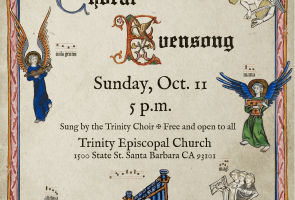
Trinity Choir: Choral Evensong

Thu, Oct 08
7:00 PM
Santa Barbara
“A Night of Blues” with Morganfield Burnett

Fri, Oct 09
7:00 PM
Santa Barbara
Paseo Nuevo Spooky Movie Nights

Sat, Oct 10
9:00 AM
Santa Barbara
SBNC 1st Annual Health & Wellness Fair

Sat, Oct 10
1:30 PM
Goleta
🌴 Another Day in Paradise at S.B’s Premier Ice Rink

Sun, Oct 11
7:00 AM
Ojai
Flamenco Guitarist Tony Ybarra

Sun, Oct 11
10:00 AM
Santa Barbara
18th Annual Domestic Violence Solutions Brunch

Sun, Oct 11
10:00 AM
Santa Barbara
Free Community Day at S.B. Botanic Garden

Sun, Oct 11
10:00 AM
Santa Barbara
Downtown Classic Car Show Santa Barbara
Sun, Oct 11
11:00 AM
Santa Barbara
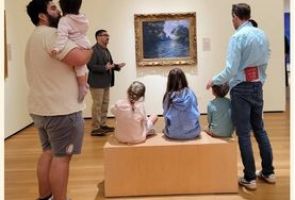
Raíces y Sueños: Bilingual Storytime at Santa Barbara Museum of Art

Sun, Oct 11
2:00 PM
Santa Barbara
The Theatre Group at SBCC Presents: “CLUE”
Sat, Oct 10 9:00 AM
Santa Barbara
Treble Clef Chorus Fall Treasure Sale
Sun, Oct 11 5:00 PM
Santa Barbara
Trinity Choir: Choral Evensong
Thu, Oct 08 7:00 PM
Santa Barbara
“A Night of Blues” with Morganfield Burnett
Fri, Oct 09 7:00 PM
Santa Barbara
Paseo Nuevo Spooky Movie Nights
Sat, Oct 10 9:00 AM
Santa Barbara
SBNC 1st Annual Health & Wellness Fair
Sat, Oct 10 1:30 PM
Goleta
🌴 Another Day in Paradise at S.B’s Premier Ice Rink
Sun, Oct 11 7:00 AM
Ojai
Flamenco Guitarist Tony Ybarra
Sun, Oct 11 10:00 AM
Santa Barbara
18th Annual Domestic Violence Solutions Brunch
Sun, Oct 11 10:00 AM
Santa Barbara
Free Community Day at S.B. Botanic Garden
Sun, Oct 11 10:00 AM
Santa Barbara
Downtown Classic Car Show Santa Barbara
Sun, Oct 11 11:00 AM
Santa Barbara
Raíces y Sueños: Bilingual Storytime at Santa Barbara Museum of Art
Sun, Oct 11 2:00 PM
Santa Barbara

