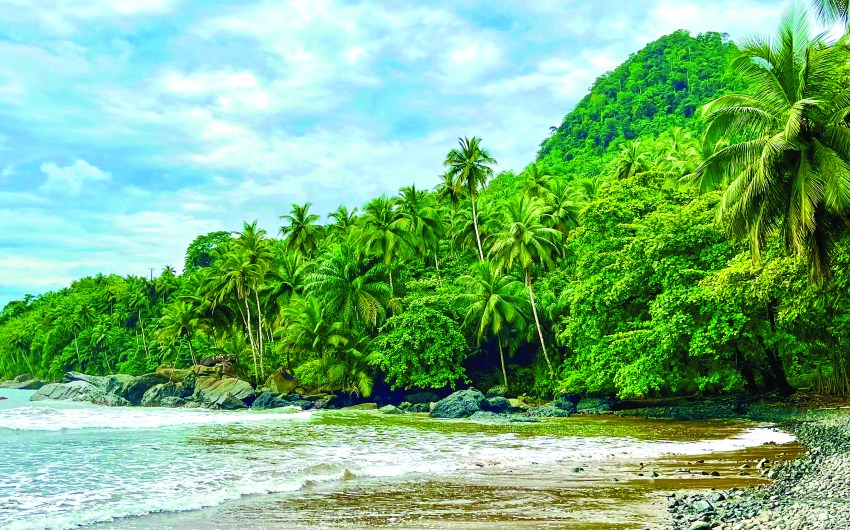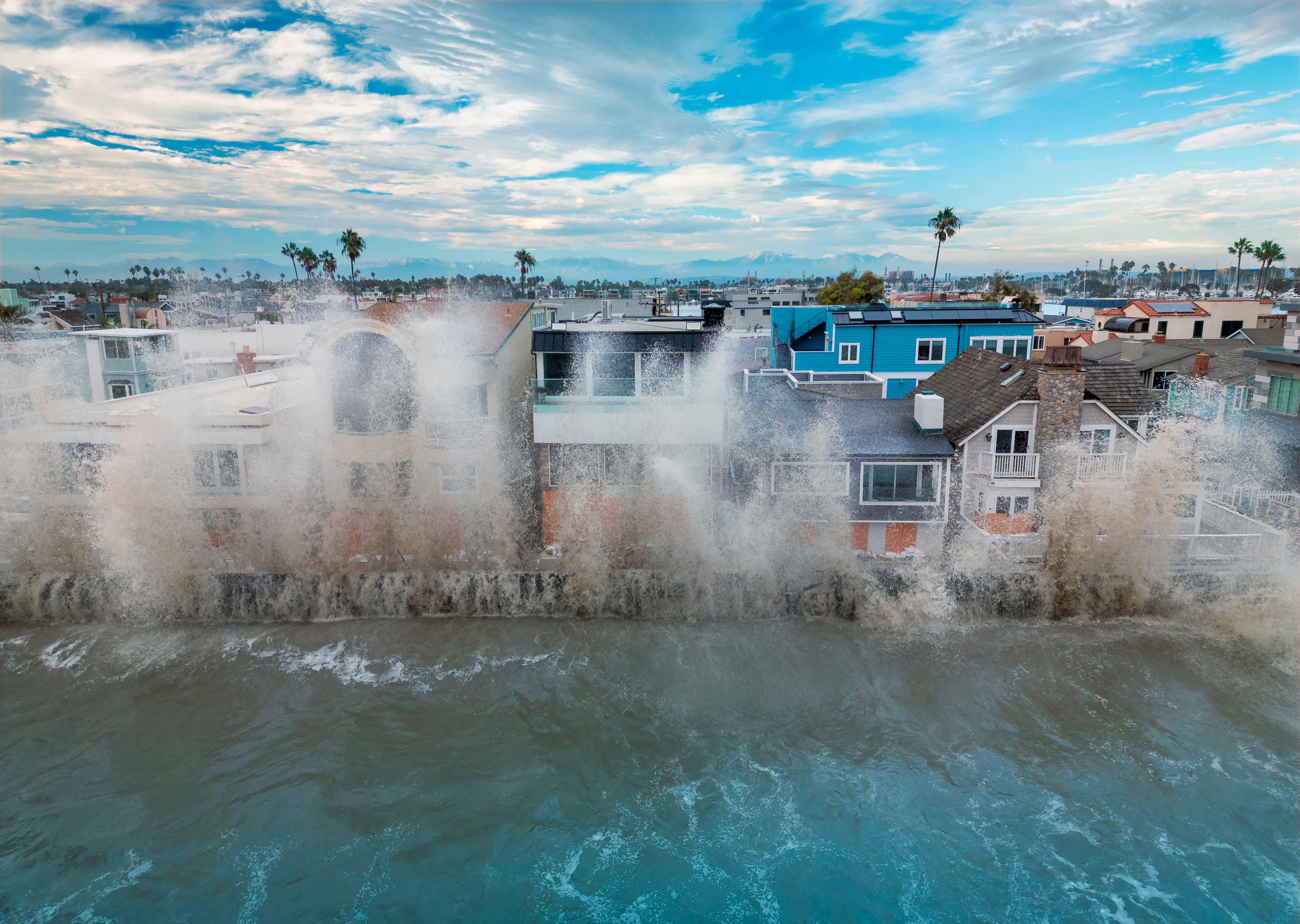
A big lure drawing people to California is our 1,200-mile jewel of a coastline. Today some of the most expensive homes and real estate in the world abut this shore. With climate change, the overheated Pacific Ocean is rising and pressing in on the maritime communities that 27 million people call home.
Many towns up and down the coast have erected concrete sea walls to protect homes and slow down cliff erosion but only to delay the inevitable. These barriers cost millions of dollars and are short lived.
In a land of beach volleyball, umbrellas, and picnics on the sand, most of us have forgotten that our beaches used to be wild places featuring some of the greatest biodiversity anywhere in the world. Coastal dunes were ubiquitous, teeming with plants, birds, and more bugs than one could imagine. For almost a century these sandy hillocks have been flattened and paved over. Decades of daily “beach grooming” by heavy machinery, have squeezed the life out of our shores. Native plants, insects, kelp, and birds’ nests have all been squashed.
Increasingly, however, conservationists, scientists, and citizens are shifting to thinking that maybe the best path is to return our shores to nature and allow dunes to reform. Could a natural approach provide the best buffer from the sea? If these degraded ecosystems were given space to regrow, could they come back to life?
Kelp that washes ashore is an important building block in dune formation as well as a major nutrient source for seashore creatures. David Hubbard, a researcher at UC Santa Barbara, has found three key plants that are also “ecosystem engineers”: red sand verbena, beach saltbush, and beach bur. They are particularly good at trapping and mounding sand for dune forming. Red sand verbena, for example, is a perennial that can withstand salt spray and even surf. If left undisturbed, it will slowly build up dunes by catching and accumulating windblown sand.
We associate ice plant with sandy beaches, but this aggressive, invasive plant from South Africa crowds out local flora and alters nutrients in the soil. As one park ranger put it, “to native plants and wildlife, it may as well be concrete.”
Beaches change throughout the year. The sand goes away in winter and comes back in summer. It responds to storms and wave energy. Dunes are not static, but dynamic, ever-adjusting, often growing. They act as anchors for sand. Imported beach sand washes away within a year or two, while dunes are more stable and protect areas from storms.
Only a few dune systems, wetlands, and river estuaries remain intact along our coast. There is no silver bullet for addressing sea level rise, but a handful of coastal communities are turning to nature for both ecological benefits and sea level rise protection. Large-scale coastal habitat restoration is still an emerging field but offers promise.