

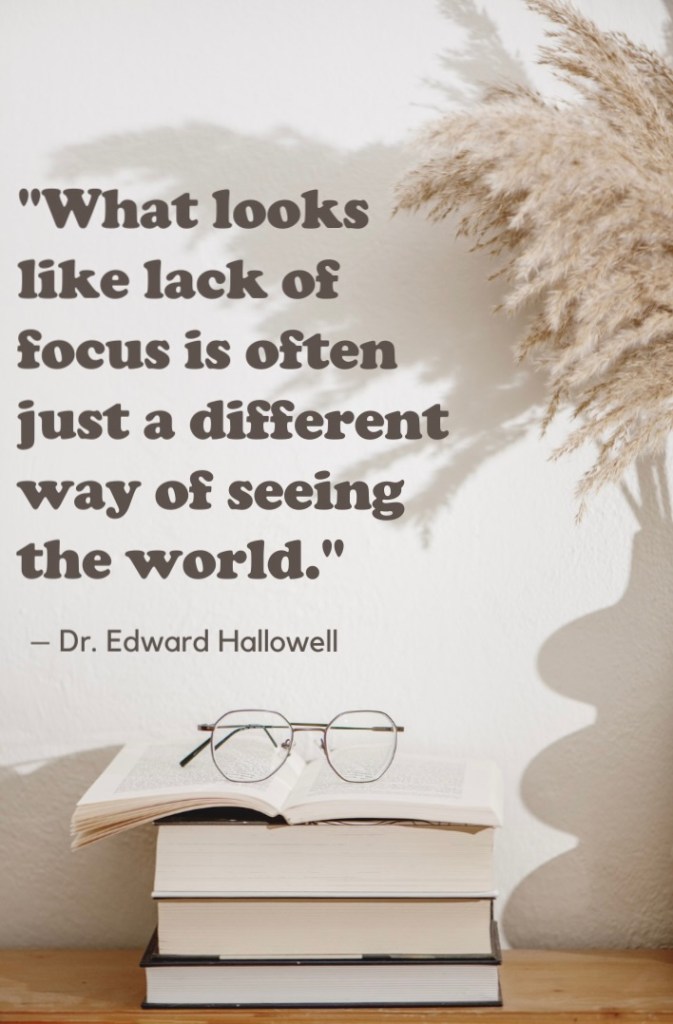
It was the fourth time that month that Sarah had forgotten an important meeting. As a senior manager at a tech startup, she prided herself on her work ethic, but the stress of juggling deadlines and projects was becoming overwhelming. She’d tried everything, including color-coded calendars and multiple reminders, yet somehow, critical tasks kept slipping through the cracks. After consulting with a psychologist, Sarah heard a term she hadn’t expected: Adult ADHD. It was a concept that felt foreign yet familiar — she’d always been the “forgetful” one, the daydreamer as a kid, but she never connected it to something as tangible as Attention-Deficit/Hyperactivity Disorder (ADHD)
Sarah’s story isn’t unique. While ADHD is often thought of as a children’s disorder, a growing body of research highlights that it persists into adulthood for many people. Recent studies estimate that around 4.4 percent of adults in the U.S. have ADHD, and many are unaware, having been undiagnosed or misdiagnosed in childhood. For adults, ADHD can show up in ways that are often misunderstood or labeled as “laziness,” “disorganization,” or simply being “scatterbrained.” Here’s a closer look at how ADHD manifests in adults, the different ways it presents across genders, and how its unique traits can even become a superpower.
What ADHD Looks Like in Adults
Unlike children, who might display hyperactivity by bouncing off walls, adults with ADHD often experience symptoms in subtler, more internalized ways. Adults are less likely to be hyperactive; instead, they usually show patterns of inattention, impulsivity, and emotional dysregulation.
Some common adult ADHD symptoms include:
- Difficulty with time management: Missing deadlines, showing up late, or underestimating the time required to complete a task.
- Impulsivity in decision-making: This can manifest as impulsive spending, frequent job changes, or difficulty waiting one’s turn.
- Emotional regulation challenges: A hallmark of adult ADHD is feeling intense emotions, particularly frustration and impatience. Many adults report rapid mood changes and difficulty recovering from setbacks.
- Challenges with relationships: ADHD-related forgetfulness or inattentiveness can strain friendships and romantic relationships, often making adults feel “scatterbrained” or unreliable to others.
- Procrastination and hyper-focus: Many with ADHD experience difficulty starting tasks, only to later enter intense, extended periods of focus that make them lose track of time.
Adults with ADHD often navigate additional challenges due to the societal pressure to “have it all together.” Because symptoms like forgetfulness or restlessness can easily be attributed to personal failings rather than a neurodevelopmental disorder, many adults experience feelings of shame or inadequacy before they even consider the possibility of ADHD.
How ADHD Presents Differently in Men and Women
ADHD affects men and women, but it often presents differently, leading to a disparity in diagnosis and treatment. Studies indicate that ADHD in women tends to be underdiagnosed, as it commonly presents as inattentiveness or internalized symptoms rather than hyperactivity. This difference in symptom presentation results in many women flying under the radar or being misdiagnosed with mood disorders.
- Men and ADHD: Men are more likely to show symptoms of hyperactivity, often exhibiting more outwardly disruptive behaviors such as restlessness or impulsive decisions. These characteristics are more likely to be noticed early, leading to higher diagnosis rates among boys and men.
- Women and ADHD: Women with ADHD are more likely to exhibit inattentive symptoms such as daydreaming, trouble focusing, and forgetfulness. Often, they’re labeled as “spacey” or “unmotivated.” Women with ADHD also tend to internalize their struggles, feeling a sense of guilt or inadequacy, which can lead to anxiety or depression.
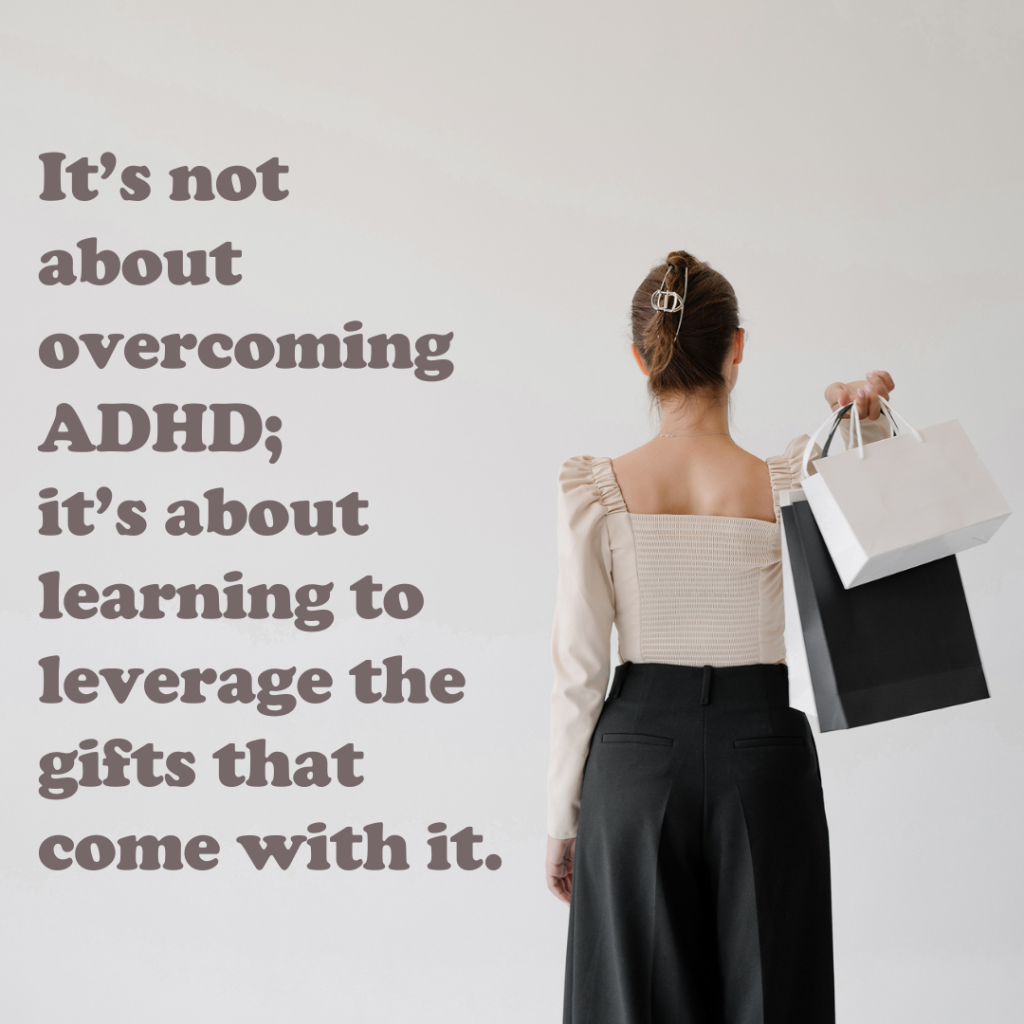
This gender gap in diagnosis contributes to a later onset of diagnosis in women, often leading them to find out about their ADHD only when they’re adults. And because women are also more likely to develop coping mechanisms to mask their symptoms, they may experience burnout, anxiety, or even depression when their ability to “keep it all together” starts to unravel.
The Science of ADHD and Adult Diagnosis
ADHD is a complex neurodevelopmental disorder that impacts the brain’s executive functioning or its ability to manage time, prioritize tasks, and regulate emotions. The exact causes aren’t fully understood, but researchers believe genetics and environmental factors play significant roles. In adults, ADHD can affect multiple areas of life, including work performance, social relationships, and overall mental health.
The American Psychiatric Association and organizations like CHADD (Children and Adults with Attention-Deficit/Hyperactivity Disorder) provide resources for adults seeking evaluation or treatment. ADHD assessments for adults involve comprehensive evaluations, which may include psychological testing, interviews, and symptom checklists. Treatment can include cognitive behavioral therapy (CBT), coaching, and, in some cases, medication. Many people with ADHD also find that lifestyle adjustments, like regular exercise, structured routines, and mindfulness practices, can help manage symptoms.
Tapping Into the Superpower of ADHD
While ADHD can feel overwhelming, it also comes with unique strengths. One inspiring aspect of ADHD is how it nurtures creativity and outside-the-box thinking. The same mind that struggles to focus can also see possibilities where others can’t. For instance, many entrepreneurs attribute their success to ADHD traits like hyper-focus and rapid problem-solving skills. Well-known figures with ADHD, like Richard Branson and Ingvar Kamprad (founder of IKEA), have used these traits to their advantage, channeling them into visionary work.
Here are some areas where ADHD can become a superpower:
- Creativity: The ADHD mind doesn’t always follow traditional paths, often seeing connections and solutions others might overlook.
- Hyper-focus: While ADHD often comes with attention challenges, it also allows for periods of intense focus, which can be a game-changer in fields that require deep concentration, like coding, design, or research.
- High Energy and Enthusiasm: Many adults with ADHD are naturally curious, adventurous, and willing to try new things, which makes them well-suited for dynamic roles like marketing, event planning, or entrepreneurial ventures.
- Resilience and Resourcefulness: Managing ADHD requires problem-solving and resilience, which are invaluable skills in professional and personal contexts.
Breaking the Stigma and Embracing Adult ADHD
If you’re an adult who resonates with the signs of ADHD, you’re not alone. Organizations like CHADD, the Attention Deficit Disorder Association (ADDA), and the National Resource Center on ADHD offer a wealth of resources, from support groups to educational materials, that can help adults understand and embrace their unique brains.
Having ADHD doesn’t mean you’re broken or lazy; it means your brain works differently. Many adults with ADHD feel liberated once they receive a diagnosis, finally understanding why their brains operate as they do and realizing that their differences come with strengths as well as challenges. In fact, adults who lean into their unique traits often discover an untapped well of potential, creativity, and drive that enriches their lives and those around them.
If you or someone you know is navigating ADHD in adulthood, take heart. ADHD may come with unique obstacles, but it also offers remarkable gifts. The ADHD mind has a unique way of approaching the world, and with the right support and understanding, those differences can be turned into real strengths. After all, seeing the world a bit differently often leads to new ideas, businesses, and ways to make a difference.
Related Posts










Premier Events

Mon, Oct 26
7:00 PM
Santa Barbara
Beauty and the Origins of Electrophysiology, Telecommunications & the Global Theater

Mon, Oct 26
5:00 PM
Montecito
Halloween at The Speakeasy at San Ysidro Ranch

Mon, Oct 26
6:00 PM
Santa Barbara
Chaucer’s Book Talk & Signing with Jennifer Chassman Browne “See Us, Know Us: Profiles of Disability”

Wed, Oct 28
5:00 PM
Santa Barbara
Fundraiser for Domestic Violence Solutions

Wed, Oct 28
7:00 PM
Santa Barbara
Reel Rock 20 Climbing Film Tour

Wed, Oct 28
7:00 PM
Goleta
IVRPD Presents : Halloween Pumpkin Patch

Thu, Oct 29
6:00 PM
Santa Barbara
Halloween Paint & Sip at Goodland Wine Shop

Fri, Oct 30
12:00 AM
Montecito
Día de los Muertos at The Speakeasy

Fri, Oct 30
11:30 AM
Santa Barbara
🌼💀 Join us for Día de los Muertos! 💀🌼

Fri, Oct 30
2:00 PM
Santa Barbara
“Sea to Summit “Art Exhibit & Benefit Oct 30 & 31

Fri, Oct 30
3:00 PM
Santa Barbara
Family Movie Night at the Eastside Library: “Coco”
Mon, Oct 26 7:00 PM
Santa Barbara
Beauty and the Origins of Electrophysiology, Telecommunications & the Global Theater
Mon, Oct 26 5:00 PM
Montecito
Halloween at The Speakeasy at San Ysidro Ranch
Mon, Oct 26 6:00 PM
Santa Barbara
Chaucer’s Book Talk & Signing with Jennifer Chassman Browne “See Us, Know Us: Profiles of Disability”
Wed, Oct 28 5:00 PM
Santa Barbara
Fundraiser for Domestic Violence Solutions
Wed, Oct 28 7:00 PM
Santa Barbara
Reel Rock 20 Climbing Film Tour
Wed, Oct 28 7:00 PM
Goleta
IVRPD Presents : Halloween Pumpkin Patch
Thu, Oct 29 6:00 PM
Santa Barbara
Halloween Paint & Sip at Goodland Wine Shop
Fri, Oct 30 12:00 AM
Montecito
Día de los Muertos at The Speakeasy
Fri, Oct 30 11:30 AM
Santa Barbara
🌼💀 Join us for Día de los Muertos! 💀🌼
Fri, Oct 30 2:00 PM
Santa Barbara
“Sea to Summit “Art Exhibit & Benefit Oct 30 & 31
Fri, Oct 30 3:00 PM
Santa Barbara


You must be logged in to post a comment.