
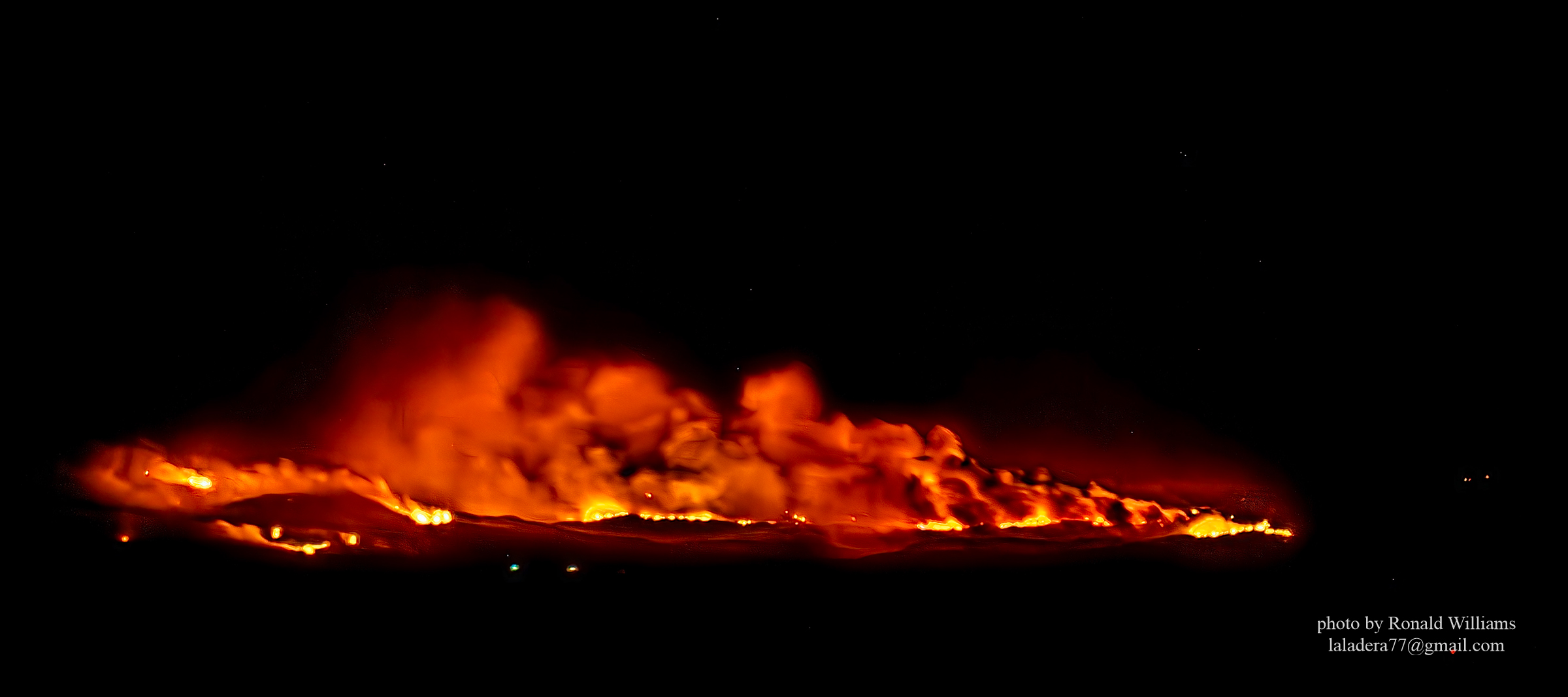
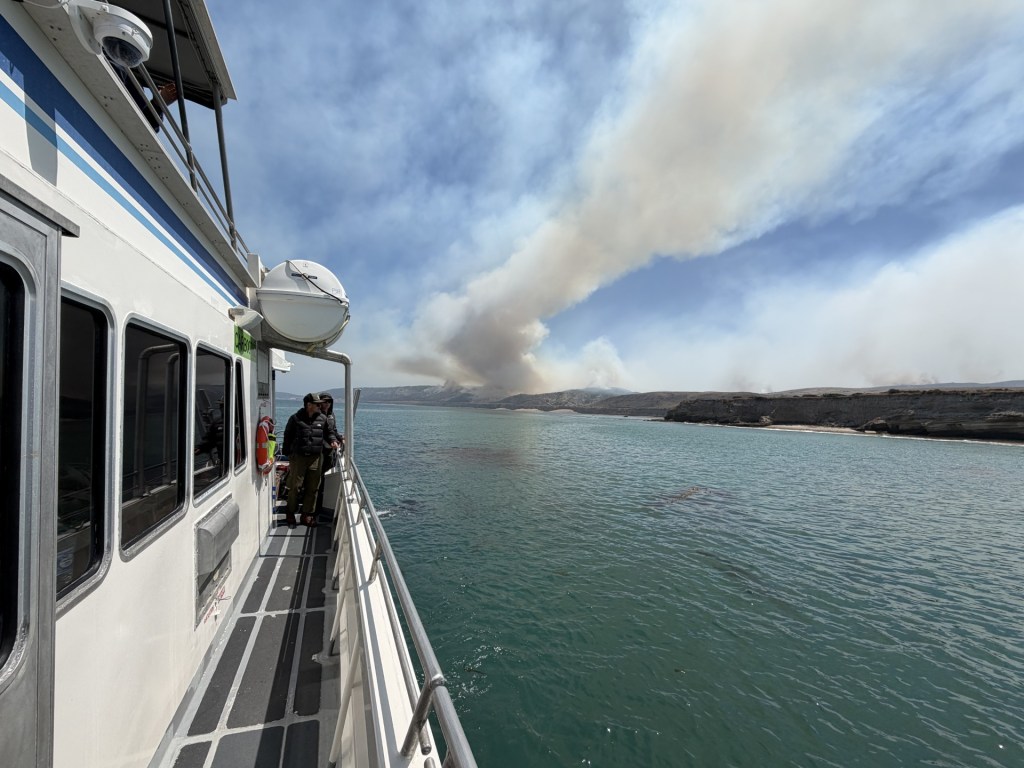
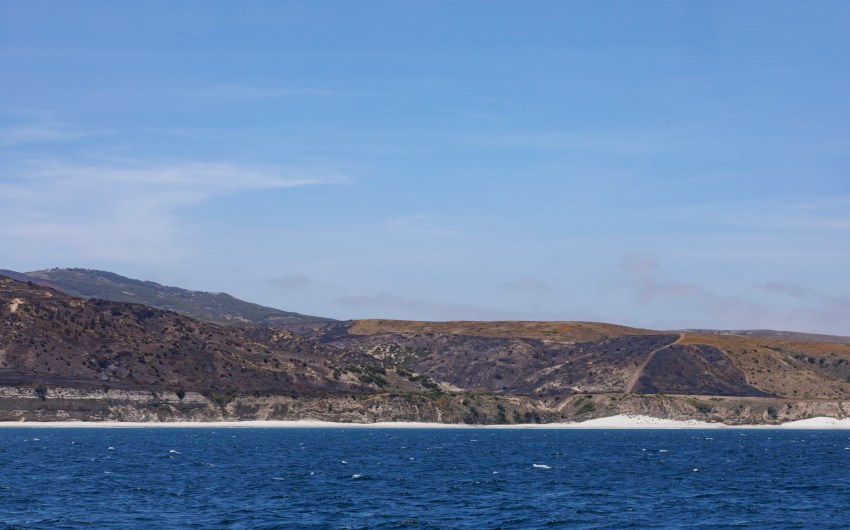
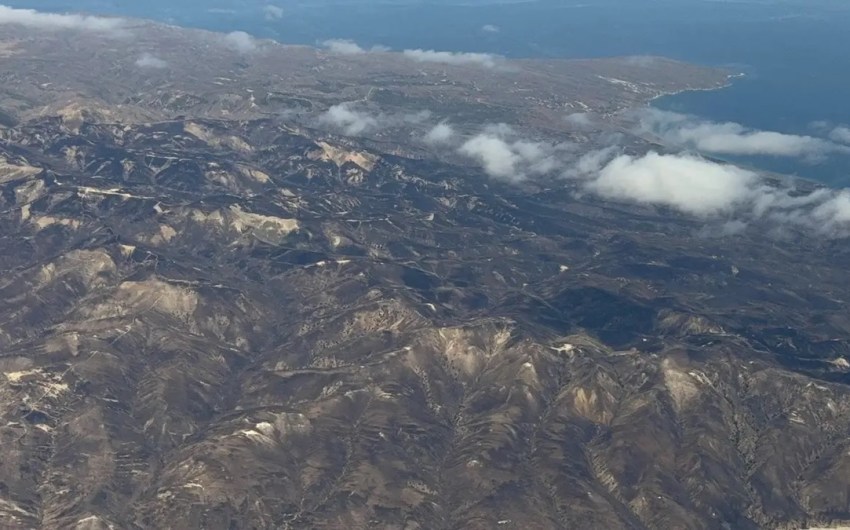
After erupting on May 15, the wildfire burning on Santa Rosa Island had blackened more than 16,942 acres — nearly a third of the island — and was 26 percent contained by Wednesday morning.
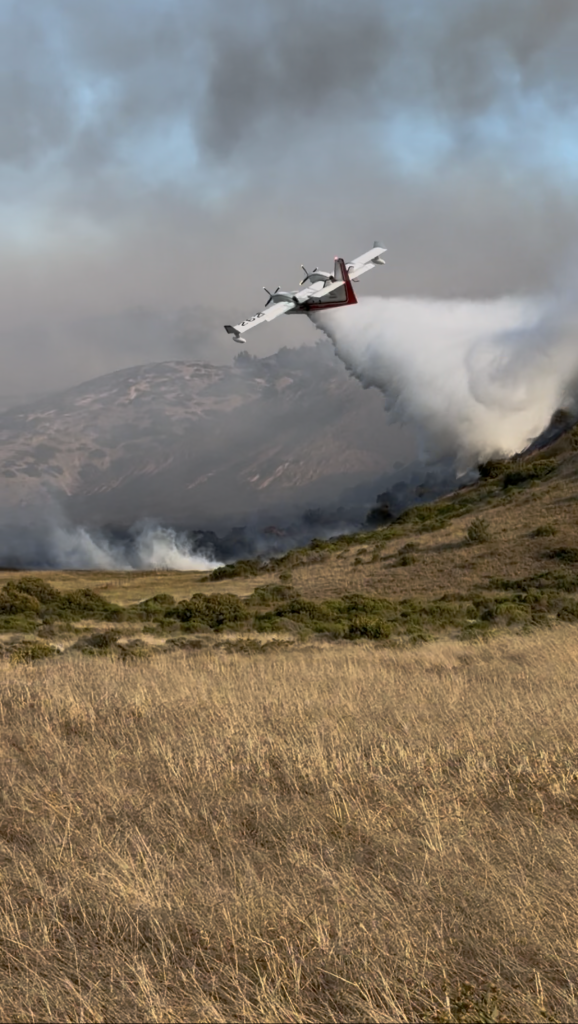
The fire has closed the island to visitors, prompted the evacuation of 11 Channel Islands National Park Staff, and destroyed three structures while threatening other historic buildings and rare and endangered plant species found only on the island and nowhere else in the world.
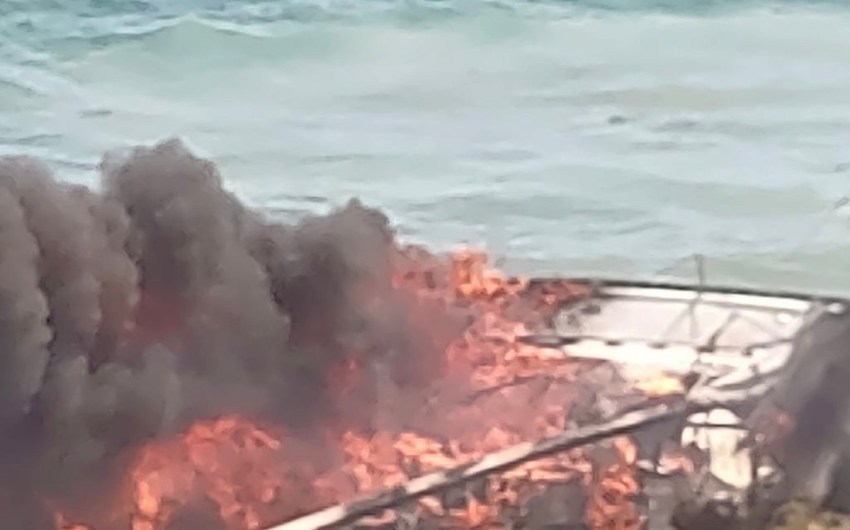
It reportedly started after a 67-year-old mariner crashed his sailboat into the rocks around the island and fired an emergency flare, according to the U.S. Coast Guard, but authorities say the “human-caused” outbreak is still “under investigation.”
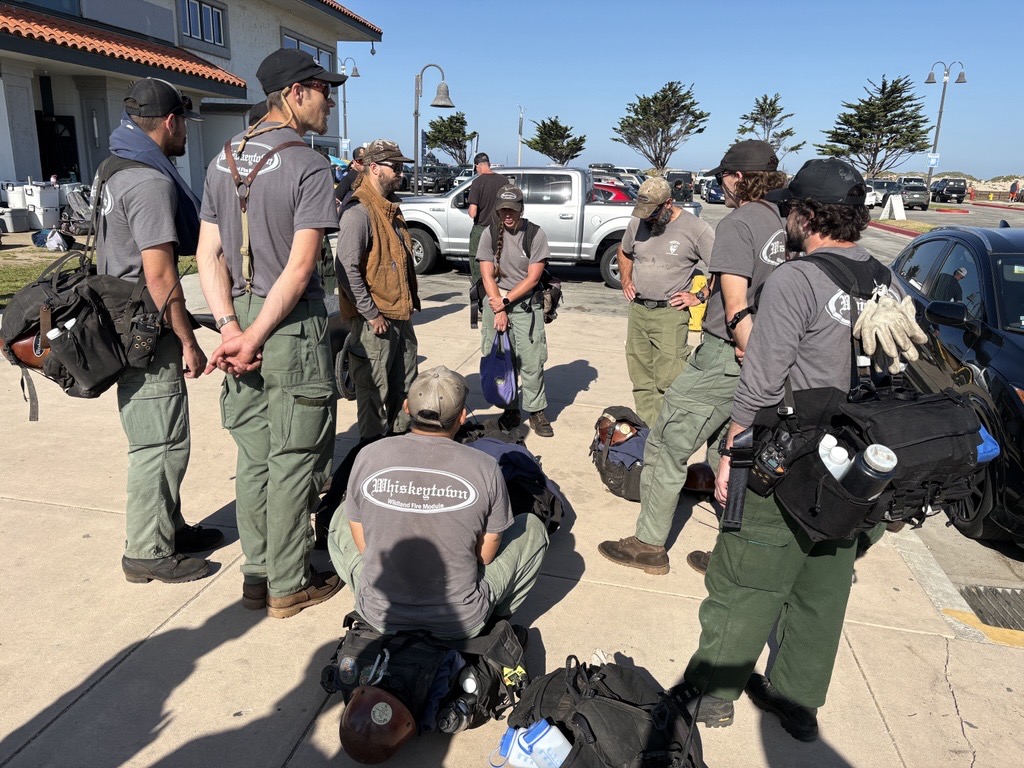
According to a Wednesday update by officials (via Inciweb), a total of 135 personnel have been assigned to the fire. More firefighters and gear arrived on Monday and Tuesday, following challenges “getting additional crews and equipment to the island on Saturday and Sunday because of a gale warning and conditions of the sea,” said lead fire information officer Mike Theune.
The fire has remained active, primarily on the eastern half, officials said. Firefighters have been able to build containment lines along the Telephone Road in the direction of Cherry Canyon, and are continuing to work on defensible space preparation in the Main Ranch Complex. Southwest from Black Rock, the fire is gradually moving upslope as it consumes unburned vegetation.
On Wednesday, more firefighters and equipment were arriving on the island, “including a crew from Chumash Fire Department who have a special connection to Channel Islands National Park as Chumash Homelands,” according to Inciweb. Wildland fire engines, which are smaller than their city-fire counterparts, will be used to access additional areas across the island, much of which is remote and rugged terrain.
“The U.S. Wildland Fire Service has also sent National Park Service firefighting resource advisors to the island who will be working in tandem with the Chumash to protect cultural and natural resources,” it said.
On Monday, the blaze burned through the island’s grove of rare Santa Rosa Torrey pine trees — this particular subspecies grows only on the island and nowhere else in the world — but initial assessments by fire crews on Tuesday found that the fire intensity was low and “much of the strand” appears to remain intact, Theune said. An unmanned aircraft module was planned to be deployed on Wednesday to garner a better understanding of the Torrey pines’ condition and any long-term effects, if weather permits. It will also look for opportunities to use aircraft that can drop 1,500 gallons of water at a time.
“Resource Advisors are assisting firefighters by providing guidance on how to protect sensitive and rare plants during operations when possible,” Theune said.
Matt Guilliams, a biologist with the Santa Barbara Botanic Garden, was scheduled to be on the island this week to continue research on the rare plants there.
“Fire is definitely a major event for the island,” he said. “I could have never believed that it would spread like it did.”

The fire completely encompassed the main grove of Torrey pines on the island — a 2015 count found 10,000 Torrey pines, mostly growing on sandstone bluffs in the northeast corner of the island — and the overall impact on the trees remains unclear. What is clear, however, is that “those plants haven’t burned since the park has been operational, so it could be a fairly major event,” Guilliams said. It’s possible that a large number of them will not recover, he added.
The fire has also impacted six other rare plants on the island, including the munchkin Dudleya — the entire global range of which is within the burn scar on the east side of the island, Guilliams noted.
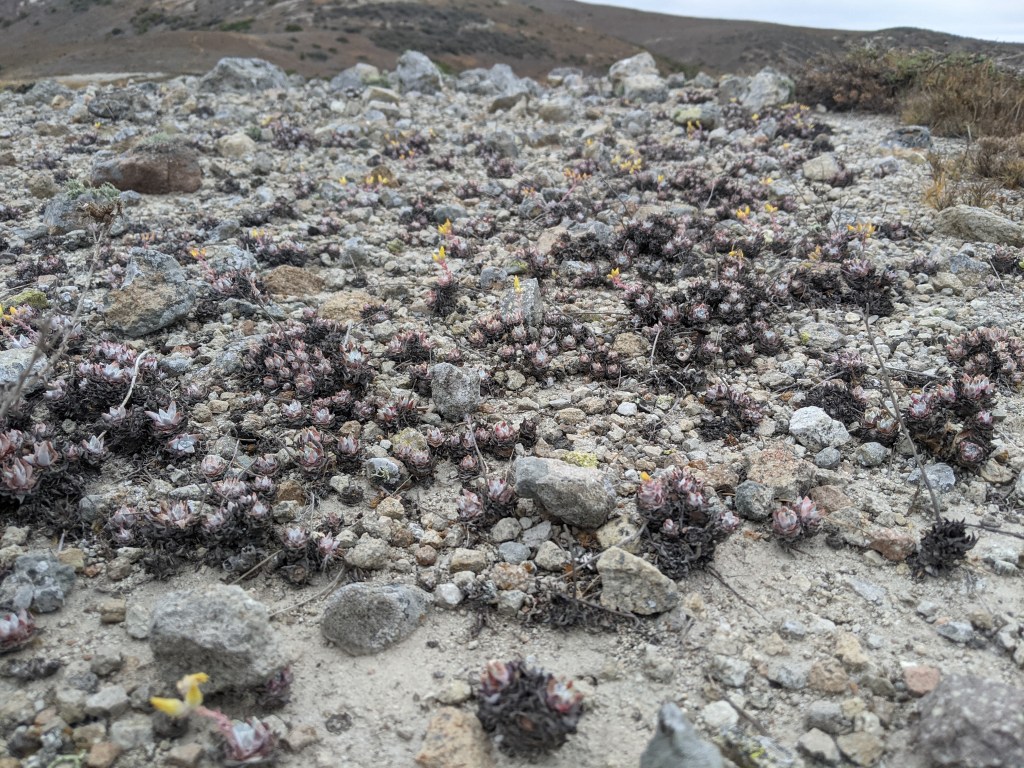
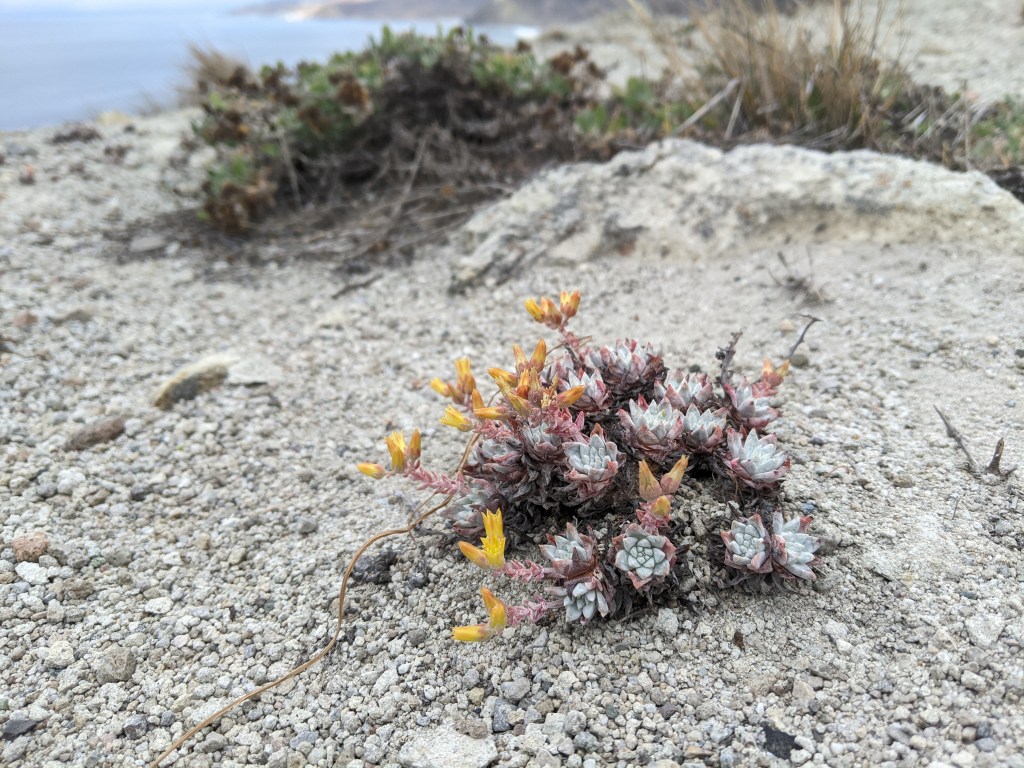
Thankfully, the garden recently installed a new Torrey pines grove on the mainland, and maintains a seed bank of rare seeds, including Channel Islands endemic species, Gilliams said. Their efforts are “an insurance policy against extinction,” he said.
“We can see what the burn scar looks like, and from our vantage point here on the mainland, we can look across and see the plume of smoke coming up, so we know there’s an impact,” he continued. “But natural systems are pretty resilient … we’re still very hopeful that the island can recover from this.”
Related Posts

Premier Events

Wed, Oct 14
5:30 PM
Santa Barbara
Free Home Hardening & Firescaping Workshop
Fri, Oct 16
7:00 PM
Santa Barbara
Divine Within: A Sufi Exploration of Love & Unity
Sat, Oct 17
9:30 AM
Santa Barbara
Divine Within: A Sufi Exploration of Love & Unity
Sun, Oct 18
9:30 AM
Santa Barbara
Divine Within: A Sufi Exploration of Love & Unity
Fri, Nov 13
7:00 PM
Santa Barbara
Divine Within: A Sufi Exploration of Love & Unity
Sat, Nov 14
9:30 AM
Santa Barbara
Divine Within: A Sufi Exploration of Love & Unity
Sun, Nov 15
9:30 AM
Santa Barbara
Divine Within: A Sufi Exploration of Love & Unity
Fri, Dec 11
7:00 PM
Santa Barbara
Divine Within: A Sufi Exploration of Love & Unity
Sat, Dec 12
9:30 AM
Santa Barbara
Divine Within: A Sufi Exploration of Love & Unity
Sun, Dec 13
9:30 AM
Santa Barbara
Divine Within: A Sufi Exploration of Love & Unity
Wed, Oct 14 5:30 PM
Santa Barbara
Free Home Hardening & Firescaping Workshop
Fri, Oct 16 7:00 PM
Santa Barbara
Divine Within: A Sufi Exploration of Love & Unity
Sat, Oct 17 9:30 AM
Santa Barbara
Divine Within: A Sufi Exploration of Love & Unity
Sun, Oct 18 9:30 AM
Santa Barbara
Divine Within: A Sufi Exploration of Love & Unity
Fri, Nov 13 7:00 PM
Santa Barbara
Divine Within: A Sufi Exploration of Love & Unity
Sat, Nov 14 9:30 AM
Santa Barbara
Divine Within: A Sufi Exploration of Love & Unity
Sun, Nov 15 9:30 AM
Santa Barbara
Divine Within: A Sufi Exploration of Love & Unity
Fri, Dec 11 7:00 PM
Santa Barbara
Divine Within: A Sufi Exploration of Love & Unity
Sat, Dec 12 9:30 AM
Santa Barbara
Divine Within: A Sufi Exploration of Love & Unity
Sun, Dec 13 9:30 AM
Santa Barbara


You must be logged in to post a comment.