

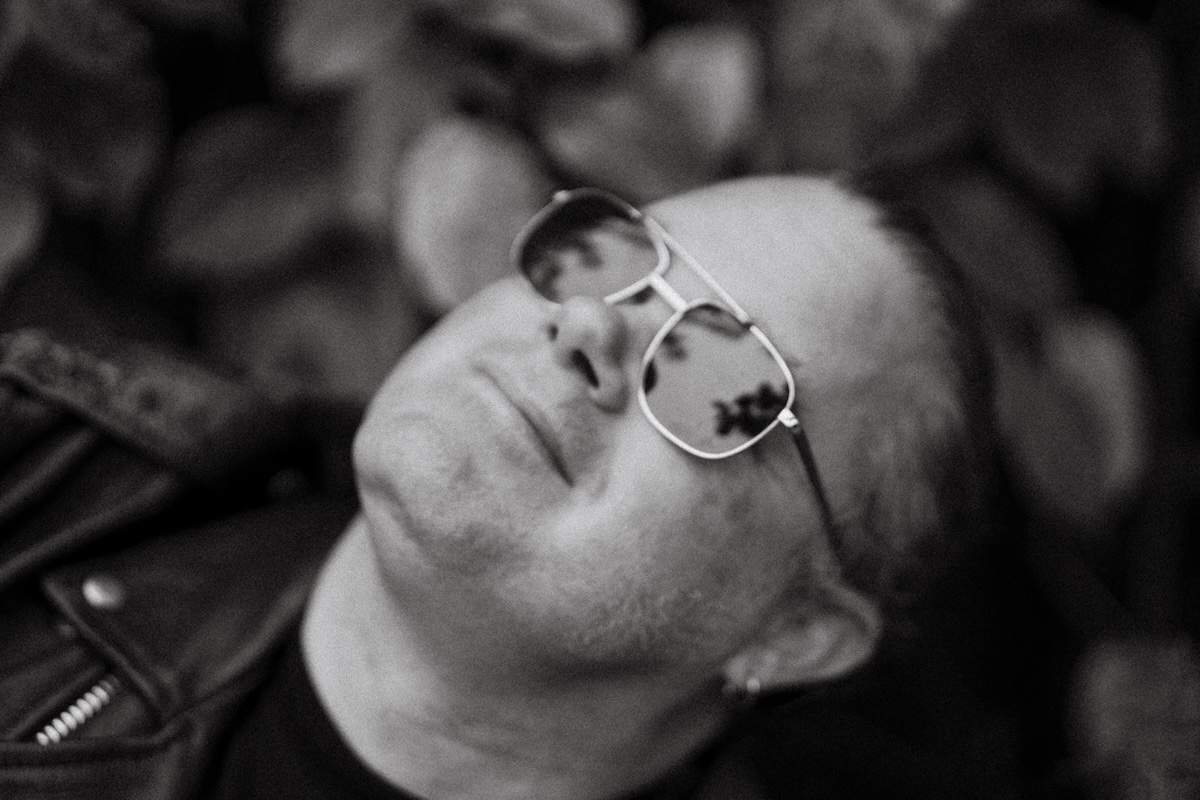
A three centuries-old Scottish folk song has been reimagined by Beau James Wilding, who brought it into the present through a raw emotional lens and captivating musicality. The song is titled “The Lowlands of Holland,” and is now available to stream alongside the track “Nobody’s Fault But Mine.”
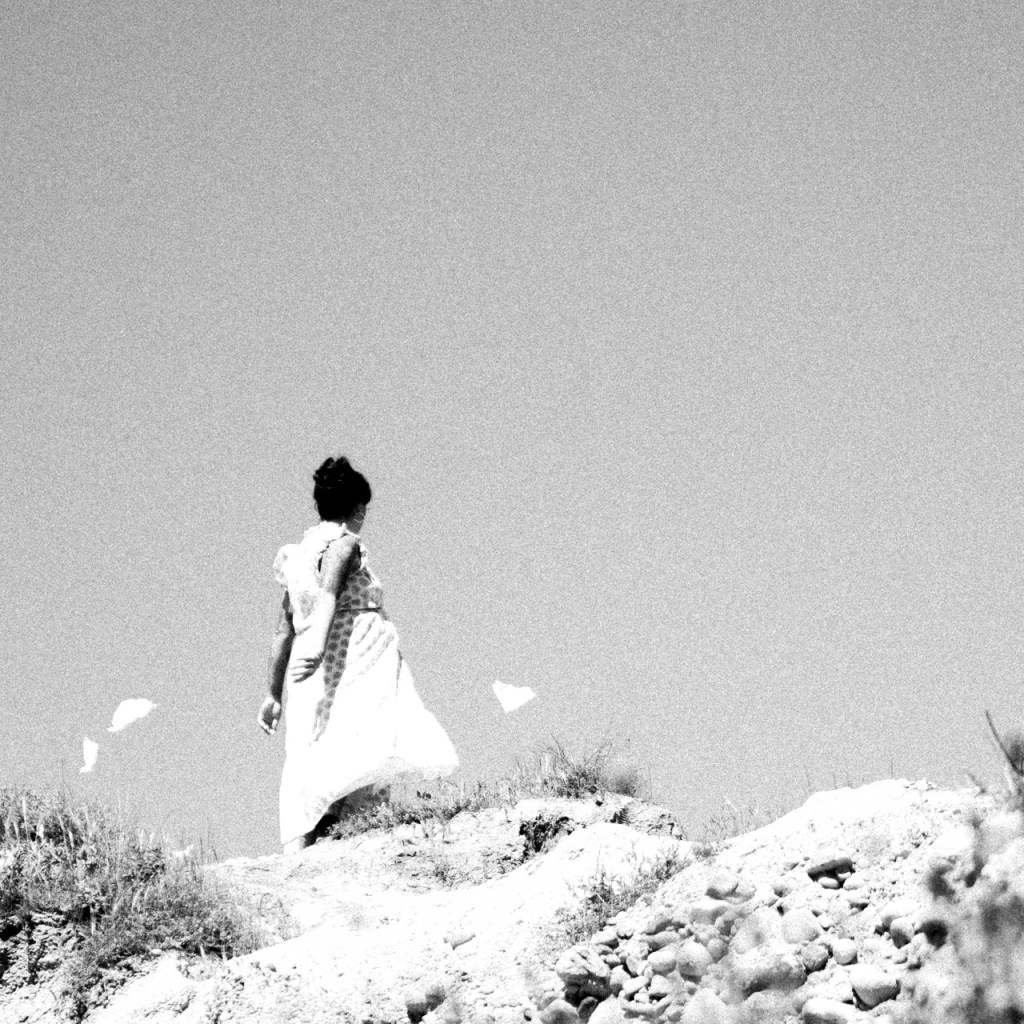
Wilding, who is from the south central coast of California, creates music that draws from a wide range of influences, such as classic and hardcore punk, traditional heavy metal, and folk music. He has been playing the guitar and writing songs since he was 15 years old. “His relationship with music intensified at the age of 18 after a disease left him ‘legally blind,’” according to a press release. “[Wilding] sees the act of songwriting and living a creative life as a spiritual practice to process the world around him and become more present in his own life, embracing all the feelings, even and especially the scarier ones, to find greater acceptance and love for himself and others.”
Recorded live with his band while on tour in rural Ireland, with Carl Small as engineer, “The Lowlands of Holland” carries both folk tradition and a modern feel. The final touches to the song were added in Ventura at Castaway 7 Studios, where JP Hesser helped shape it as sound engineer before it was mastered by Brian Poole at Moon Tree Mastering. Wilding’s arrangement layers his voice, his acoustic and slide guitar, and his accordion with Chad Martin’s electric guitar and synthesizer, and Tom Kenny’s bodhran and shruti box.
For Wilding, what drew him to the three centuries-old song was its mournful quality. “The repetitive nature of the chord progression felt entrancing, and I needed to keep listening and find out more,” he explained. Listening to the Steeleye Span version from 1970 and the Ye Vagabonds version from 2017, he began playing along on his bouzouki, slowly revealing what pulled him in, “the melody, the extreme sense of loss, and the resignation to that loss.”
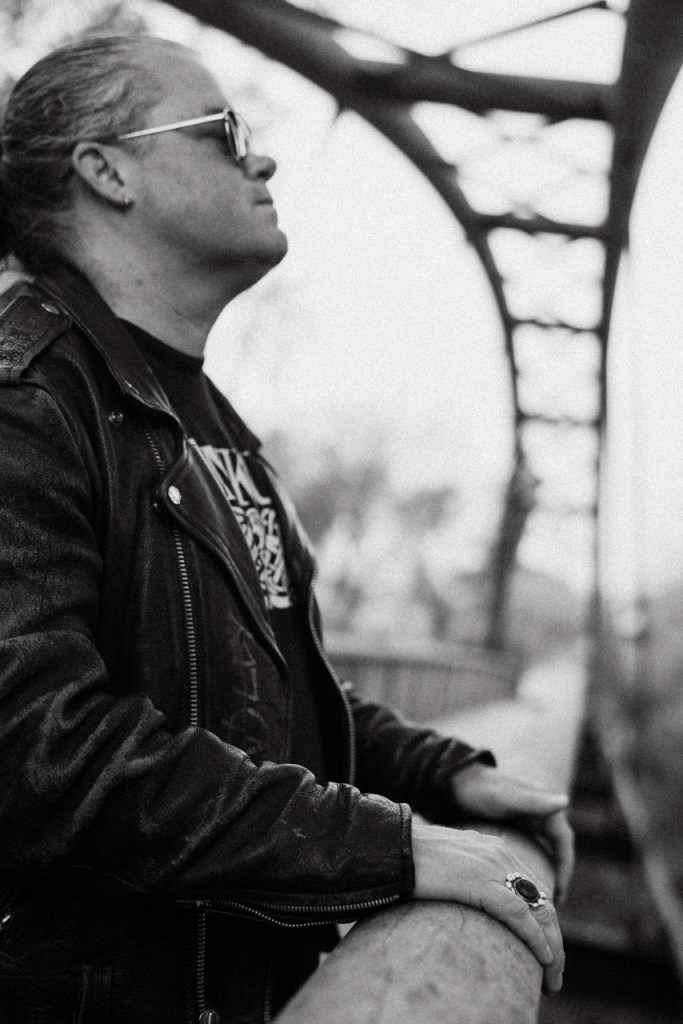
Wilding leaned into the intensity of these feelings of grief. “Many of the previous versions felt too happy or buoyant to me,” he said. “I wanted that ferocity, that doom and intensity of losing a loved one and being lost at sea to be palpable.”
Recording in Ireland initially in the process influenced the sound. “It felt like this was where these songs should be sung and performed, in part of their ancestral homeland where they would have first travelled,” Wilding shared. “So, there was a level of comfort as well. I believe songs often have a life or a temperament of their own and if they feel at home, it is much easier to sing them.”
Wilding also talked about the significance of listening to folk music today, saying that “these themes have been recurring, distilling, and adapting to contemporary times for hundreds of years connects us to a sense of collective experience and humanity that can help break down walls between us.”
Wilding hopes that listeners will walk away from the song with recognition and resolution. “A feeling of not being alone in experiences of grief and anger, that these are okay emotions to experience,” he said. “A feeling of being able to use feelings like grief and frustration and channel them into emotions of action such as a fierceness to protect the vulnerable or fight back against injustice.”
You can listen to the song here. See beaujameswilding.com.








You must be logged in to post a comment.